바나나를 본 적이없는 사람을 만난 북한에 부임 한 대사가 본 생활의 현실
북한 인텔리전스2021.06.11

토마스 쉐퍼 원래 주 북한 독일 대사가 발표 한 저작 「김정일에서 김정은까지 "= 본인 제공
북한에 2 번 대사로 부임 한 독일 외교관 토마스 쉐퍼 씨는 북한에서 일반 여행과 취재에서는 얻을 수없는 "모습의 북한 '을 보았다. 엄격한 감시 체제 빈곤에 허덕이는 사람들, 시민 생활 쓸모없는 화려한 건축물 등이다. 건국 70 년 이상이지나, 북한의 현 체제는 확실히 흔들리고있다. 쉐퍼의 귀중한 체험에 대한 인터뷰와 동씨가 3 월에 출판 한 책 "김정일에서 김정은까지 '에서 소개한다. (마키노 愛博)
쉐퍼는 2007 년부터 10 년까지의 기간과 2013 년부터 18 년까지 총 2 차례에 걸쳐 북한 대사로 활약했다.
북한은 외부로부터의 정보 유입을 극도로 경계하고있다. 풍부한 외부 사회를 알고 북한 시민이 당국에 반발하는 것을 두려워하고 있기 때문이다. 탈북자 1 명은 "외부인이라고 판단했을 경우 가까운 분 주재 사무소 (출장소)에 반드시 신고해야한다"고 말했다. 이 탈북자는 일부 언론과 여행객이 "당국의 틈을보고, 직접보고들은 '라는 영상과 기사를 흘리고있는 것에 대해"북한에도 자유가 있다는 어필을하기 위해 문제없는 장소를 선택하도록 놔두있을 뿐이다 "라고 말했다.
쉐퍼 씨도 주말 동료와 함께 평양 근교에있는 항구 도시 남포에 여행에 나갔다. 개인 이었기 때문에, T 셔츠에 청바지 차림이었다. 있는 가게 앞에서 현지 시민에게 포위되었다. 시민 1 명이 전화를 걸어 있었다. 상대는 국가 보위 성 (비밀 경찰) 또는 사회 안전성 (일반 경찰)의 담당자 같았다. 시민 가진 전화 입에서 상대의 긴장한 목소리가 새어 왔다고한다. 목소리는 "무슨 일이 일어나고있는거야」 「외국인은 무엇을하고있는 것 같다"고 연달아 질문을 계속 내보내고 있었다고한다. 긴장은 쉐퍼 독일 대사라고 알 때까지 계속한다.
북한에 2 번 대사로 부임 한 독일 외교관 토마스 쉐퍼 씨는 북한에서 일반 여행과 취재에서는 얻을 수없는 "모습의 북한 '을 보았다. 엄격한 감시 체제 빈곤에 허덕이는 사람들, 시민 생활 쓸모없는 화려한 건축물 등이다. 건국 70 년 이상이지나, 북한의 현 체제는 확실히 흔들리고있다. 쉐퍼의 귀중한 체험에 대한 인터뷰와 동씨가 3 월에 출판 한 책 "김정일에서 김정은까지 '에서 소개한다. (마키노 愛博)
쉐퍼는 2007 년부터 10 년까지의 기간과 2013 년부터 18 년까지 총 2 차례에 걸쳐 북한 대사로 활약했다.
북한은 외부로부터의 정보 유입을 극도로 경계하고있다. 풍부한 외부 사회를 알고 북한 시민이 당국에 반발하는 것을 두려워하고 있기 때문이다. 탈북자 1 명은 "외부인이라고 판단했을 경우 가까운 분 주재 사무소 (출장소)에 반드시 신고해야한다"고 말했다. 이 탈북자는 일부 언론과 여행객이 "당국의 틈을보고, 직접보고들은 '라는 영상과 기사를 흘리고있는 것에 대해"북한에도 자유가 있다는 어필을하기 위해 문제없는 장소를 선택하도록 놔두있을 뿐이다 "라고 말했다.
쉐퍼 씨도 주말 동료와 함께 평양 근교에있는 항구 도시 남포에 여행에 나갔다. 개인 이었기 때문에, T 셔츠에 청바지 차림이었다. 있는 가게 앞에서 현지 시민에게 포위되었다. 시민 1 명이 전화를 걸어 있었다. 상대는 국가 보위 성 (비밀 경찰) 또는 사회 안전성 (일반 경찰)의 담당자 같았다. 시민 가진 전화 입에서 상대의 긴장한 목소리가 새어 왔다고한다. 목소리는 "무슨 일이 일어나고있는거야」 「외국인은 무엇을하고있는 것 같다"고 연달아 질문을 계속 내보내고 있었다고한다. 긴장은 쉐퍼 독일 대사라고 알 때까지 계속한다.
토마스 쉐퍼 원래 주 북한 독일 대사가 발표 한 저작 「김정일에서 김정은까지 "= 본인 제공
쉐퍼 여사는 평양 음악 대학에서 노래 레슨 수강을 희망했다. 하지만 허가가 나올 때까지 몇 달 걸렸습니다. 쉐퍼 씨는 당국이 "외국인과 불법 접촉"두려워 결과가 아닐까 추측한다.
부인은 2008 년 초부터 북한에서 가장 유명한 노래의 교사 대학 구내에서 주 2 회 개인 레슨을 받았다. 부부가 13 년 두 번째로 북한에 다녀왔다 때 부인은 같은 교사에서 수업을 받았다. 쉐퍼 씨에 의하면,이 음악 대학에서 배운 외국인은 부인이 처음으로 18 년에 북한을 떠날 때까지 다른 외국인들이 배우는 것도 없었다.
쉐퍼 대사 재임 중 대사관의 외벽을 독일의 저명한 화가, 미하엘 피셔의 그림으로 꾸미는 계획을 세웠다. 북한 당국은 "북한 시민의 감정을 상하게"며 거세 게 반발하고 계획은 실현되지 않았다.
물론 그 이유는 의심 스럽다. 쉐퍼 씨가 탄 승용차가 교차로에서 신호를 기다리고 있었을 때, 북한 시민들은 창문을 열었다 차안에서 흘러 들어온 서양 음악에 즐겁게 도취하고 있었다고한다. 대사관 정원에서 열린 리셉션에서 북한의 게스트들은 회장에 흐르는 록 밴드 제네시스와 퀸의 음악을 즐기고 있었다.
쉐퍼 책 속에서 당국의 저항의 이유에 대해 "북한에서 자유를 제안 할 수있는 추상 예술은 도발적이고 위험하다고 생각하고 있기 때문이다"고 말했다. 토마스 쉐퍼 원래 주 북한 독일 대사 = 본인 제공
한편 북한은 유튜브 등을 통해 풍부한 시민 생활의 연출에 노력하고있다. 평양의 슈퍼에는 빵과 야채, 육류 등이 풍부하게 갖추어져있다. 하지만 쉐퍼 씨가보고들은 것은 빈곤 북한 사람들의 모습이었다.
쉐퍼 교수는 어느 날 북중 국경에있는 중국 단둥에 출장했다. 평양에 돌아 오는 길에 차가 고장했다. 근처의 밭에서 일하던 농부들이 타이어 교환 등을 도와 주었다. 쉐퍼 부인이 감사에 바나나를 들면 농부들은 의심 시게 눈빛되고 부인에게 "이것은 도대체 어떻게해야 하느냐"고 물었다 고한다. 농부들에게 바나나를 본 것은 처음 경험이었다.
또한 쉐퍼 다른 날 대변이 들어있는 플라스틱 병을 가진 10 세 전후의 아이들의 모습을 보았다. 아이들은 산에 올라가 거기서 대변을 사용하여 퇴비를 만들고 있었다. 북한은 심각한 비료 부족에 빠져있어 당국이 각 가정에 대해 할당 된 비료를 제공하도록 지시한다. 사람들은 대변을위한 경쟁 때문에 야외 화장실에 열쇠를 걸어 보초를 세우는 경우도 드물지 않다고한다.
"혁명의 수도 '라는 평양 사람들의 생활이 풍부 있는가하면, 그렇지도 않다. 독일 대사관 리셉션에 초대 된 북한 시민들은 쉐퍼 씨에 대해 "지난 몇 년간 고기 따위 먹어 본 적이 없었다"며 리셉션을 기대하고 있었다고 밝혔다. 하지만이 시민은 고기를 모두 먹을 수 없었다. 이 시민은 빠진 모습으로 쉐퍼 씨는 "내 위장은 더 이상 영양 만점 것을 받아들이지 않는다"고 말했다고한다. 북한의 농촌 풍경 = 북한 소식통 제공
쉐퍼 씨는 "평양에는 커피 숍이나 비싼 레스토랑이 몇 가지 있는데, 상류층 밖에 사용할 수 없다. 평균 평양 시민들은 고기를 먹어 여유도 거의 없다. 시장에서 판매되고있는 수입의 대부분은 그들이 손에 넣기 위해 너무 높은 평양에서도 최근 몇년 장시간 정전이 여러 번 일어났다 "고 말했다.
동시에 「지방 사람들은 더욱 가난하다. 그들의 음식에 대한 선택은 매우 제한되어있다. 대부분은 아니다까지도 많은 사람들이 영양 부족 상태 다 "고 말했다.
쉐퍼 씨가 목격 한 북한 사람들의 고생은 경제면뿐만 아니다.
북한은 2009 년 가을, '100 일 전투'를 실시했다. 이 기간 동안 시민들에게 힘든 할당량이 부과 잔업도 빈번했다. 시민을 항상 바쁘게시킴으로써 불필요한 생각을하게없는 것을 노린 북한의 사상 통제 수단의 하나 다.
북한 외무성의 엘리트들도이 기간 동안 매주 금요일 농촌에 "지원 전투 '에 나가야했다. 쉐퍼 씨 등 외교단은 금요일 외교 협의 할 수 없게되는 날이라고 각오하고 있었다고한다.
쉐퍼 교수는 북한이 어려운 국제 사회의 제재 속에서 제재 피할 것으로 보인다 장면도 목격했다. 북중 국경 지대에있는 경제 특구 라선에서는 중국 기업이 투자 한 공장을 시찰했다. 생산하고 직물과 신발에 라벨이 붙어 있지 않았다. '북한산'임을 숨길 의도가있는 것 같았다. 다른 공장에서는 수산물을 담은 상자에 "길림 산 수산물 '라는 표시가 기재되어 있었다고한다.
그리고 북한의 엄격한 사상 통제의 현장에도 자주 발생했다.
쉐퍼 교수는 어느 날 김일성 종합 대학을 방문했다. 학생들이 독일어를 공부하고 있었다. 그는이 "왜 독일어를 공부하고 있느냐"고 묻자 학생들은 "부모에게 명하신"고 답했다. 그는이 "왜 우리 부모님은 독일어를 공부하라고 명령 했을까?"라고 물어도 학생들은 이유를 몰랐다. 또한 "왜 듣지 않았다"고 따졌다도 학생들은 목을 움츠 리며 웃을 뿐이었다한다.
의 비가 여름 밤 쉐퍼 씨와 부인은 확성기 소리에 깨어났다. 소리는 멀리서 들려오는 것 같았다. 흥미를 느꼈다 부부는 소리를 향해 몇 킬로 걸었다 앞으로, 빛이없는 가운데, 빗속에서 수백 명의 아이들이 보행 훈련을하고있는 것을 보았다. 대부분이 10 세에서 13 세처럼 보였다. 아이들의 표정에는 기쁨과 즐기는 기색은 알 수 없었다. 비와 확성기의 소음이 울려 퍼지는 가운데, 어린 소녀가 지쳐 누적 된 의류 데서 자고 있었다.
또한 북한은 종교의 자유가 있다고 공언하고 평양에 교회도 설치하고있다. 하지만 쉐퍼이 들었다 "설교"은 다음과 같았다.
"악의 세력 인 미국과 남조선이 현재 핵 전쟁을 준비하고 있습니다. 하나님의 도움으로 우리는 모든 공격으로부터 하나님의 이름으로 축복하에 통일을위한 큰 성전을 시작합니다. 조국을 떠나 반도 전체를 해제하고 남쪽에 평화를 가져온다. 김정은 동지 께서 우리를 이끌어줍니다 "
쉐퍼 씨는 저서에서 "외국인이 거의 가지 않는다"평양의 위치에 배치 된 포스터의 내용을 밝혔다. 그것은 "불순한 선전"에 대한 통지했다. 책이나 사진, 영화, 음악을 통해 "불순한 선전"을 밀수, 소지, 구입, 판매, 유통, 소비하는 것을 금지했다.
포스터는 또한 무단으로 회의 나 외국과의 통신 "음란 한 노래"불법 알코올 생산, 군사 시설 촬영 등을 금지했다. 위반자는 계급이나 소속에 관계없이 "가장 엄격한 처벌"또는 "가족을 동반 한 강제 이주"에 처해질했다. 쉐퍼 씨에 따르면 "가장 엄격한 처벌"은 사형을 포함한 엄벌을 의미한다.
그리고 쉐퍼 교수는 어느 날 교외로 여행 중 전달하려고 한 작은 마을 입구에서 30 분 정도 기다려야했다. 지나가는 교수에 "시내 중심가에서 공개 처형이 이루어지고있다"고 말해 주었다.
쉐퍼 씨는 인터뷰에서 북한의 감시 · 통제 시스템에 대해 "확실히 동독보다 심하다. 동독 사람들은 자국이나 다른 사회주의 국가 여행뿐만 아니라 서독 사이에 편지 나 소포 를 교환하는 것도 허용되어 있었다. 평양 주민들은 특별 허가없이 수도를 떠나는 것조차 할 수 없다. 나는 수십 년 동안 평양을 떠나 않은 사람들을 알고있다 "고 말했다. 그리고 책 속에서 "북한의 빈곤의 원인은 경제 제재가 아니라 그 시스템에있다"고 지적했다.

마키노 愛博아사히 신문 기자
쉐퍼 여사는 평양 음악 대학에서 노래 레슨 수강을 희망했다. 하지만 허가가 나올 때까지 몇 달 걸렸습니다. 쉐퍼 씨는 당국이 "외국인과 불법 접촉"두려워 결과가 아닐까 추측한다.
부인은 2008 년 초부터 북한에서 가장 유명한 노래의 교사 대학 구내에서 주 2 회 개인 레슨을 받았다. 부부가 13 년 두 번째로 북한에 다녀왔다 때 부인은 같은 교사에서 수업을 받았다. 쉐퍼 씨에 의하면,이 음악 대학에서 배운 외국인은 부인이 처음으로 18 년에 북한을 떠날 때까지 다른 외국인들이 배우는 것도 없었다.
쉐퍼 대사 재임 중 대사관의 외벽을 독일의 저명한 화가, 미하엘 피셔의 그림으로 꾸미는 계획을 세웠다. 북한 당국은 "북한 시민의 감정을 상하게"며 거세 게 반발하고 계획은 실현되지 않았다.
물론 그 이유는 의심 스럽다. 쉐퍼 씨가 탄 승용차가 교차로에서 신호를 기다리고 있었을 때, 북한 시민들은 창문을 열었다 차안에서 흘러 들어온 서양 음악에 즐겁게 도취하고 있었다고한다. 대사관 정원에서 열린 리셉션에서 북한의 게스트들은 회장에 흐르는 록 밴드 제네시스와 퀸의 음악을 즐기고 있었다.
쉐퍼 책 속에서 당국의 저항의 이유에 대해 "북한에서 자유를 제안 할 수있는 추상 예술은 도발적이고 위험하다고 생각하고 있기 때문이다"고 말했다.
토마스 쉐퍼 원래 주 북한 독일 대사 = 본인 제공한편 북한은 유튜브 등을 통해 풍부한 시민 생활의 연출에 노력하고있다. 평양의 슈퍼에는 빵과 야채, 육류 등이 풍부하게 갖추어져있다. 하지만 쉐퍼 씨가보고들은 것은 빈곤 북한 사람들의 모습이었다.
쉐퍼 교수는 어느 날 북중 국경에있는 중국 단둥에 출장했다. 평양에 돌아 오는 길에 차가 고장했다. 근처의 밭에서 일하던 농부들이 타이어 교환 등을 도와 주었다. 쉐퍼 부인이 감사에 바나나를 들면 농부들은 의심 시게 눈빛되고 부인에게 "이것은 도대체 어떻게해야 하느냐"고 물었다 고한다. 농부들에게 바나나를 본 것은 처음 경험이었다.
또한 쉐퍼 다른 날 대변이 들어있는 플라스틱 병을 가진 10 세 전후의 아이들의 모습을 보았다. 아이들은 산에 올라가 거기서 대변을 사용하여 퇴비를 만들고 있었다. 북한은 심각한 비료 부족에 빠져있어 당국이 각 가정에 대해 할당 된 비료를 제공하도록 지시한다. 사람들은 대변을위한 경쟁 때문에 야외 화장실에 열쇠를 걸어 보초를 세우는 경우도 드물지 않다고한다.
"혁명의 수도 '라는 평양 사람들의 생활이 풍부 있는가하면, 그렇지도 않다. 독일 대사관 리셉션에 초대 된 북한 시민들은 쉐퍼 씨에 대해 "지난 몇 년간 고기 따위 먹어 본 적이 없었다"며 리셉션을 기대하고 있었다고 밝혔다. 하지만이 시민은 고기를 모두 먹을 수 없었다. 이 시민은 빠진 모습으로 쉐퍼 씨는 "내 위장은 더 이상 영양 만점 것을 받아들이지 않는다"고 말했다고한다.
북한의 농촌 풍경 = 북한 소식통 제공쉐퍼 씨는 "평양에는 커피 숍이나 비싼 레스토랑이 몇 가지 있는데, 상류층 밖에 사용할 수 없다. 평균 평양 시민들은 고기를 먹어 여유도 거의 없다. 시장에서 판매되고있는 수입의 대부분은 그들이 손에 넣기 위해 너무 높은 평양에서도 최근 몇년 장시간 정전이 여러 번 일어났다 "고 말했다.
동시에 「지방 사람들은 더욱 가난하다. 그들의 음식에 대한 선택은 매우 제한되어있다. 대부분은 아니다까지도 많은 사람들이 영양 부족 상태 다 "고 말했다.
쉐퍼 씨가 목격 한 북한 사람들의 고생은 경제면뿐만 아니다.
북한은 2009 년 가을, '100 일 전투'를 실시했다. 이 기간 동안 시민들에게 힘든 할당량이 부과 잔업도 빈번했다. 시민을 항상 바쁘게시킴으로써 불필요한 생각을하게없는 것을 노린 북한의 사상 통제 수단의 하나 다.
북한 외무성의 엘리트들도이 기간 동안 매주 금요일 농촌에 "지원 전투 '에 나가야했다. 쉐퍼 씨 등 외교단은 금요일 외교 협의 할 수 없게되는 날이라고 각오하고 있었다고한다.
쉐퍼 교수는 북한이 어려운 국제 사회의 제재 속에서 제재 피할 것으로 보인다 장면도 목격했다. 북중 국경 지대에있는 경제 특구 라선에서는 중국 기업이 투자 한 공장을 시찰했다. 생산하고 직물과 신발에 라벨이 붙어 있지 않았다. '북한산'임을 숨길 의도가있는 것 같았다. 다른 공장에서는 수산물을 담은 상자에 "길림 산 수산물 '라는 표시가 기재되어 있었다고한다.
그리고 북한의 엄격한 사상 통제의 현장에도 자주 발생했다.
쉐퍼 교수는 어느 날 김일성 종합 대학을 방문했다. 학생들이 독일어를 공부하고 있었다. 그는이 "왜 독일어를 공부하고 있느냐"고 묻자 학생들은 "부모에게 명하신"고 답했다. 그는이 "왜 우리 부모님은 독일어를 공부하라고 명령 했을까?"라고 물어도 학생들은 이유를 몰랐다. 또한 "왜 듣지 않았다"고 따졌다도 학생들은 목을 움츠 리며 웃을 뿐이었다한다.
의 비가 여름 밤 쉐퍼 씨와 부인은 확성기 소리에 깨어났다. 소리는 멀리서 들려오는 것 같았다. 흥미를 느꼈다 부부는 소리를 향해 몇 킬로 걸었다 앞으로, 빛이없는 가운데, 빗속에서 수백 명의 아이들이 보행 훈련을하고있는 것을 보았다. 대부분이 10 세에서 13 세처럼 보였다. 아이들의 표정에는 기쁨과 즐기는 기색은 알 수 없었다. 비와 확성기의 소음이 울려 퍼지는 가운데, 어린 소녀가 지쳐 누적 된 의류 데서 자고 있었다.
또한 북한은 종교의 자유가 있다고 공언하고 평양에 교회도 설치하고있다. 하지만 쉐퍼이 들었다 "설교"은 다음과 같았다.
"악의 세력 인 미국과 남조선이 현재 핵 전쟁을 준비하고 있습니다. 하나님의 도움으로 우리는 모든 공격으로부터 하나님의 이름으로 축복하에 통일을위한 큰 성전을 시작합니다. 조국을 떠나 반도 전체를 해제하고 남쪽에 평화를 가져온다. 김정은 동지 께서 우리를 이끌어줍니다 "
쉐퍼 씨는 저서에서 "외국인이 거의 가지 않는다"평양의 위치에 배치 된 포스터의 내용을 밝혔다. 그것은 "불순한 선전"에 대한 통지했다. 책이나 사진, 영화, 음악을 통해 "불순한 선전"을 밀수, 소지, 구입, 판매, 유통, 소비하는 것을 금지했다.
포스터는 또한 무단으로 회의 나 외국과의 통신 "음란 한 노래"불법 알코올 생산, 군사 시설 촬영 등을 금지했다. 위반자는 계급이나 소속에 관계없이 "가장 엄격한 처벌"또는 "가족을 동반 한 강제 이주"에 처해질했다. 쉐퍼 씨에 따르면 "가장 엄격한 처벌"은 사형을 포함한 엄벌을 의미한다.
그리고 쉐퍼 교수는 어느 날 교외로 여행 중 전달하려고 한 작은 마을 입구에서 30 분 정도 기다려야했다. 지나가는 교수에 "시내 중심가에서 공개 처형이 이루어지고있다"고 말해 주었다.
쉐퍼 씨는 인터뷰에서 북한의 감시 · 통제 시스템에 대해 "확실히 동독보다 심하다. 동독 사람들은 자국이나 다른 사회주의 국가 여행뿐만 아니라 서독 사이에 편지 나 소포 를 교환하는 것도 허용되어 있었다. 평양 주민들은 특별 허가없이 수도를 떠나는 것조차 할 수 없다. 나는 수십 년 동안 평양을 떠나 않은 사람들을 알고있다 "고 말했다. 그리고 책 속에서 "북한의 빈곤의 원인은 경제 제재가 아니라 그 시스템에있다"고 지적했다.
마키노 愛博아사히 신문 기자
Thomas Schäfer (diplomat)
From Wikipedia, the free encyclopedia
-
Thomas Schäfer (born December 1, 1952 in Oldenburg) is a retired German diplomat. He was German ambassador to North Korea from 2007 to 2010 and from 2013 to 2018. He voluntarily served the second term, as he is personally fascinated by the country. He was described as one of the most experienced Western diplomats in Pyongyang by Handelsblatt.[1]
Schäfer is the author of From Kim Jong Il to Kim Jong Un: How the Hardliners Prevailed: On the Political History of North Korea (2007 - 2020).
He received his PhD in German History from the University of Kiel in 1985.[2] His first posting after studying history took him to Beijing in the 1980s. The fact that he gained an insight into the Chinese bureaucracy there helped him to understand North Korea. Since then, he has commuted between Latin America and Asia, holding posts in El Salvador, Hong Kong and Venezuela. Before heading back to North Korea, Schäfer became German ambassador to Guatemala, his wife's home country, in 2010. [3]
References
"Berlin's North Korean ambassador is staying put". Handelsblatt. 12 January 2017.
"How the Hardliners Prevailed in North Korea: Reflections from the former German Ambassador to Pyongyang". National Committee on North Korea. May 10, 2021.
"Unser Mann in Pjöngjang" [Our man in Pyongyang]. Süddeutsche Zeitung (in German). 30 November 2017.
External links
Articles of Thomas Schäfer at NK News
===============
How the Hardliners Prevailed in North Korea: A Book Talk with Amb. Thomas Schäfer
https://www.youtube.com/watch?v=T0QZrOqQ6sk
===

In the summer of 2008, North Korean leader Kim Jong Il suffered a stroke. That same year he named his youngest son, Kim Jong Un, as his successor and began to promote him among the North Korean elite. At the same time, the military gained influence. Foreign, domestic, and economic policy hardened.
It was obvious that the succession plan, the power shift, and the change of direction were related.After Kim Jong Il’s death in late 2011, the power struggle in the leadership circle intensified. The opponents of economic reform and opening-up policies prevailed again. Military spending and population control took precedence over economic development. Kim Jong Un’s 2012 pledge that the population would never have to tighten its belt again was rescinded only one year later. Timid attempts at economic reforms were stalled or rolled back. By 2016, the hardliners had consolidated their position, marking the end of the transition period that had started with Kim Jong Il’s stroke in 2008. The country’s nuclear program was declared complete in 2018.To whom the real power has passed, however, is not as clear as it seems. Nominally, Kim Jong Un is the successor, and without a doubt he has a share of power. However, he is not the sole ruler. Rather, the country is governed by a precarious collective, the composition of which varies and whose members sometimes have weaker, sometimes stronger influence. Since Kim Jong Il’s death, the hawks have largely prevailed in this leadership circle. As a result, life has become even harder for most of the North Korean population, and the task of pushing Pyongyang towards peaceful coexistence has become even more difficult for the international community. For eight years, from 2007 to 2010 and from 2013 to 2018, Thomas Schäfer was German Ambassador to North Korea. He has gathered more experience there than many others who have only got to know the country during short stays. He has had thousands of short and long conversations, has occasionally received information that went beyond or contradicted the official version, and he has traveled quite a lot.
Based on these conversations and the exegesis of publicly available sources, such as the North Korean media, Schäfer outlines how the discussion on some political issues has evolved since 2007 and how it has affected the lives of the population.
To what extent is there a consensus in the leadership on important objectives such as regime security, reunification, nuclear armament, and economic development?
How reformable is the regime? Is deterrence the only objective of nuclear weapons? Under what conditions is North Korea prepared to receive foreign investment? Are further power struggles over the political direction to be expected? Who holds the power in North Korea? How should the international community deal with the country? These are some of the questions that the author tries to answer by presenting existing evidence. Chapters of the book discuss, among other topics, the surveillance and manipulation of foreigners, the last years of Kim Jong Il's reign, North Korea's economic, domestic, South Korean and security policy in the Kim Jong Un era, the international efforts to influence Pyongyang’s thinking, the course of the power struggle within the leadership circle, and the limited role played by Kim Jong Un.
Follow the Author
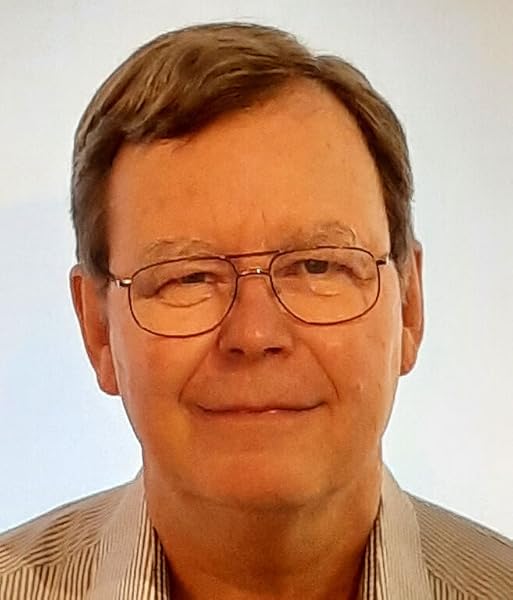
Thomas Schäfer
+ Follow
From Kim Jong Il to Kim Jong Un: How the Hardliners Prevailed: On the Political History of North Korea (2007 - 2020) Paperback – March 28, 2021
by Thomas Schäfer (Author)
5.0 out of 5 stars 2 ratings
Kindle
from AUD 13.66Read with Our Free App
Paperback
from AUD 26.78
1 New from AUD 26.78
191 pages
Language
Product details
ASIN : B0915M66XB
Publisher : Independently published (March 28, 2021)
Language : English
Paperback : 191 pages
More about the author
› Visit Amazon's Thomas Schäfer Page
Follow
Biography
Born in Oldenburg, Germany in 1952.
High School in Kiel and Kansas City.
History and Romance Studies in Kiel and Lyon; PhD in German history from the University of Kiel in 1985.
1981-2018: German Foreign Office; postings to Beijing (1984-1987), San Salvador (1987-1989), Hong Kong (1992-1994), Guatemala (1997-2000), Caracas (2000-2003), Seoul (2006-2007). In Bonn and Berlin main focus on arms control.
German Ambassador to North Korea (2007-2010 and 2013-2018), and Guatemala (2010-2013).
Retired since 2018.
Customer reviews
5.0 out of 5 stars
5 out of 5
2 global ratings
Top reviews
Top review from the United States

K. Dekleva
5.0 out of 5 stars A fascinating tale of the author’s years in North Korea as a diplomatReviewed in the United States on July 5, 2021
Verified Purchase
Ambassador Schaefer’s book is a fascinating, must-read tale of his many years as a German diplomat in Pyongyang, both during the Kim Jong-il and Kim Jong-un eras. He provides a solid and nuanced discussion of how power works and is wielded in North Korea.
Follow the Author
Thomas Schäfer
+ Follow
From Kim Jong Il to Kim Jong Un: How the Hardliners Prevailed: On the Political History of North Korea (2007 - 2020) Paperback – March 28, 2021
by Thomas Schäfer (Author)
5.0 out of 5 stars 2 ratings
Kindle
from AUD 13.66Read with Our Free App
Paperback
from AUD 26.78
1 New from AUD 26.78
191 pages
Language
Product details
ASIN : B0915M66XB
Publisher : Independently published (March 28, 2021)
Language : English
Paperback : 191 pages
More about the author
› Visit Amazon's Thomas Schäfer Page
Follow
Biography
Born in Oldenburg, Germany in 1952.
High School in Kiel and Kansas City.
History and Romance Studies in Kiel and Lyon; PhD in German history from the University of Kiel in 1985.
1981-2018: German Foreign Office; postings to Beijing (1984-1987), San Salvador (1987-1989), Hong Kong (1992-1994), Guatemala (1997-2000), Caracas (2000-2003), Seoul (2006-2007). In Bonn and Berlin main focus on arms control.
German Ambassador to North Korea (2007-2010 and 2013-2018), and Guatemala (2010-2013).
Retired since 2018.
Customer reviews
5.0 out of 5 stars
5 out of 5
2 global ratings
Top reviews
Top review from the United States
K. Dekleva
5.0 out of 5 stars A fascinating tale of the author’s years in North Korea as a diplomatReviewed in the United States on July 5, 2021
Verified Purchase
Ambassador Schaefer’s book is a fascinating, must-read tale of his many years as a German diplomat in Pyongyang, both during the Kim Jong-il and Kim Jong-un eras. He provides a solid and nuanced discussion of how power works and is wielded in North Korea.
A key point is that it is not monolithic but that there are competing factions, ministries and bureaucracies, and even Kim Jong-un has to maneuver between them. Ambassador Schaefer gives great credence to the power and roles of the military and OGD. But he leaves open the question of what happens when the next generation of Pyongyang elites moves into those positions of power? Any student of North Korea should read this remarkable book. 5 stars!
HelpfulReport abuse
HelpfulReport abuse
No comments:
Post a Comment
Note: Only a member of this blog may post a comment.