Abduction of Shin Sang-ok and Choi Eun-hee
| Abduction of Shin Sang-ok and Choi Eun-hee | |
|---|---|
 Shin on February 18, 1978, shortly after Choi was abducted | |
| Location | Abduction: Hong Kong Confinement: North Korea |
| Date | January 22, 1978 – March 12, 1986 |
| Target | Shin Sang-ok |
Attack type | Kidnapping |
| Perpetrator | Kim Jong Il |
The abduction of Shin Sang-ok and Choi Eun-hee occurred in North Korea between 1978 and 1986. Shin Sang-ok was a famous South Korean film director who had been married to actress Choi Eun-hee. Together, they established Shin Film and made many films through the 1960s which garnered recognition for South Korea at various film festivals.[1] In 1978, Choi was abducted in Hong Kong and taken to North Korea to the country's future supreme leader Kim Jong Il.[2] The abduction of Shin followed six months later.
After three years in prison, Shin was united with Choi, and the two were instructed by Kim Jong Il to make films for him in order to gain global recognition for North Korea's film industry.[3] After making many films for Kim, in 1986 Choi and Shin escaped from North Korean supervision to a US embassy while in Vienna.[4]
Kim Jong Il joined the Propaganda and Agitation Department in 1966 and soon became director of the Motion Picture and Arts Division.[5] He was a big fan of films, with a library of 15,000 at his disposal. As director, he reached the public with films and operas homogeneous in theme: pride in the nation and specifically in Kim Il Sung. Charles K. Armstrong writes in his book, Tyranny of the Weak: North Korea and the World 1950–1992, that "Kim took North Korean arts in a direction that seemed specifically designed to ensure his father's favor: under his guidance, new films and operas focused as never before on the anti-Japanese struggle of Kim Il Sung and his comrades in Manchuria during the 1930s".[6]
Kim Jong Il was frustrated with his films in the early 1970s. He could tell that in contrast to the other films being released globally, his were stiff and lifeless. His diagnosis was a lack of enthusiasm from his actors and crew. Bradley K. Martin, author of Under the Loving Care of the Fatherly Leader: North Korea and the Kim Dynasty, explains this while quoting a 1983 tape recording of Kim: "The difference, he suggested, was that North Korean film industry people knew that the state would feed them even if they performed only minimally, so they didn’t try hard... 'Because they have to earn money,' Kim said, Southern movie industry people expended blood, sweat, and tears to get results."[7]
He needed fresh and passionate voices that would advance North Korean cinema. In the grand scale of Kim Jong Il's plan, further excerpts from the recording went as follows: "If we continually show Western films on television, show them without restraint, then only nihilistic thoughts can come about... all those things, patriotism, patriotism – we have to increase this, but we only make them idolize Western things... So we must advance the technology before opening... thus, because of this, I want to give rights to a limited degree."[8]
Actress Choi Eun-hee was abducted in Hong Kong after being propositioned to direct a film, with the possibility of running a performing academy in a Hong Kong school.[9] She was taken from Repulse Bay and arrived in Nampo Harbor, North Korea, on January 22, 1978. She was housed in a luxury villa called Building Number 1.[10] Choi toured the city and was shown both Pyongyang and Kim Il Sung's birthplace, among other landmarks and museums.[11] She was later given a private tutor, who instructed her on the life and achievements of Kim Il Sung. Kim Jong Il took her to movies, operas, musicals, and parties. He asked her opinion on various films and respected her perspective. She was not informed that she had been kidnapped as bait for Shin until five years after her capture.[12]
After Choi disappeared, Shin Sang-ok began searching for her. They had been divorced and Shin had another family at that time. Shin had also been struggling with the South Korean government because his film license for Shin Studios had been revoked. He had been traveling the world hoping for one of his films to be greenlit. Six months after Choi's capture, Shin was kidnapped by North Korean operatives while staying in Hong Kong.[13] Though he was also given lavish accommodations, he initially was not told about the capture of Choi. After two failed escape attempts, he was sent to prison for disobedience. On February 23, 1983, Shin received a letter saying he was to be released from jail. On March 7, 1983, Shin and Choi were reunited at a party hosted by Kim Jong Il.[14]
Shin and Choi were shown Kim Jong Il's vast personal film library, which reportedly consisted of over 15,000 films from around the world. The couple was instructed to watch and critique four films per day. The majority of films were from the communist bloc, though there were also the occasional Hollywood films. Shin and Choi displayed respect for Kim's film knowledge and perspective. Eventually, Kim shared how he wanted Shin to direct a film and enter it into an international contest. Shin would have an office at Choson Film Studios in Pyongyang.[1] Kim was aware that the internal propaganda slant of his films might not appeal to an international audience and garner spots in international contests, so he allowed Shin to broaden the subject material and select themes that would be more acceptable abroad.[3] Shin began work on 20 October 1983.[1] Shin and Choi won an award for one of their films at a festival in Czechoslovakia. The final and most expensive film that they made under Kim Jong Il was called Pulgasari, which was heavily influenced by the recently popular Godzilla films.[1]
Their films included the following:
- An Emissary of No Return (Doraoji annun milsa, 1984): Based on a stage play called Bloody Conference written by Kim Il Sung. In the film, Ri Jun, a Korean emissary at The Hague International Peace Conference in 1907 tries to convince the international community to help reverse the Japanese-Korean Protective Treaty of 1905, which left Korea under Japanese leadership. Ri Jun delivers a speech at the conference and when he fails to win support from the Western powers, he commits hara-kiri in front of the diplomats. Shin shot sections of the film in Czechoslovakia and used European actors, something never done before in North Korean cinema.[15]
- Love, Love, My Love (Sarang sarang nae sarang, 1984): A take on the ancient Korean folk tale, The Tale of Chunhyang. The film was shot as a musical and featured a first in North Korean cinema, a slightly veiled kiss between the two leading actors. Chunhyang falls in love with Mongnyong, a wealthy aristocrat, but he must leave to the capital to train to be a government official. While he is gone, a new governor takes over the province and falls for Chunhyang. When rejected, he imprisons her. Just before she is about to be executed, Mongnyong returns to save her.[15]
- Runaway (Talchulgi, 1984): A story set in the 1920s in the Japanese colonial period. Protagonist Song-ryul and his wife (played by Choi Eun-hee) live in poverty. The family moves to the Gando area of Manchuria looking for a better life, but their suffering persists. Song-ryul joins the ranks of the Kim Il Sung group and once he is with the guerrillas, he blows up a Japanese army train.[15]
- Breakwater (Bangpaje, 1985): Unlike the other movies, this was not available for public viewing, but was directed between Runaway and Salt.[16]
- Salt (Sogum, 1985): A story set in Gando in the 1930s. In the film, Choi Eun-hee plays Song-ryul's wife. The family hides a wealthy Korean-Chinese merchant, and the father is killed in a fight between the Japanese police and the Chinese bandits. She believes that her husband died because of the communists. Then Choi, in poverty, asks for the Korean-Chinese merchant's help, but he rapes her. After a series of tragedies, a neighbor tells her about a lucrative illegal business: smuggling salt. While she is smuggling salt, the group she is with is attacked by the Japanese, and a communist group saves her. She discovers that the communists were actually the ones fighting for the common people and sets out to join them. Choi won best actress at the Moscow International Film Festival for this role.[15]
- The Tale of Shim Chong (Simcheongjeon, 1985): Shin directed a musical version of this classic tale of filial piety. Shim Chong lives with her blind father. She sacrifices herself so that his blindness can be cured, so she is taken by merchant sailors. They toss her overboard and she goes down to the palace of the God of the Sea. She is put back on land inside of a giant floating orchid. She is found by the king, and they fall in love and are married. In the end, Shim Chong is reunited with her father, and he is healed of his blindness.[15]
- Pulgasari (1985): This film was heavily influenced by the popular Godzilla films at the time. It is about a farmers' uprising in medieval Korea. A little girl pricks her finger while sewing, and the blood falls on a little dragon toy made out of rice, causing it to come to life as a monster. It fights for the farmers and smashes the emperor's palace. Nevertheless, his appetite is so big that he starts eating the farmers' tools, so the girl who spawned it decides to sacrifice herself by disguising herself as Pulgasari's food. When the monster accidentally eats the girl, he explodes and dies.[15]
To defend themselves should they ever escape North Korea, Choi and Shin decided to sneak in a tape recorder to their conversations with Kim Jong Il so they would have proof that they did not willingly leave the South. In one conversation recorded on October 19, 1983, Kim spoke openly about his plot to kidnap Shin and Choi to upgrade North Korea's film industry. He told Shin and Choi that it would be best if they spoke to the press saying that they came to North Korea voluntarily.[1] Shin and Choi attended a press conference on April 12, 1984, in Belgrade, Yugoslavia where they said they were in North Korea by their own choosing.
After finishing Pulgasari, the two were in talks with Kim about another film when they took a trip to Vienna in 1986. Kim had requested Choi and Shin travel to the Austrian city to find someone that would finance a biographical film about Genghis Khan.[17] On March 12, 1986, the couple checked into the InterContinental Vienna to meet a journalist named Akira Enoki under the pretense of an interview, and convinced their North Korean bodyguards to leave the room.[17] Choi and Shin managed to get into a taxi and, after being chased by the North Koreans into traffic congestion, the pair got out of the taxi and sprinted into the United States embassy.[18] The New York Times posted an article on March 22, 1986, announcing that the couple got away from their North Korean caretakers and sought political asylum in the US embassy.[19]
Following their escape, Shin lived in the United States for many years working in the film industry before returning home to South Korea. North Korea issued a statement denying the claims that Shin and Choi had been kidnapped and instead maintained that Shin and Choi had voluntarily defected to North Korea[4] and claimed they embezzled a large amount of North Korean money intended to finance the Genghis Khan film.[19]
After the release of Paul Fischer's book, A Kim Jong-Il Production, in 2015, the abduction of Shin Sang-ok and Choi Eun-hee piqued the interest of those outside Korea. Vanity Fair documented a screening of Pulgasari in Brooklyn, New York, in April 2015.[20] The Washington Post suspects a film will be made retelling the story.[21] BBC Radio Four broadcast a 90-minute dramatisation in September 2017.[22]
In January 2016, at the 2016 Sundance Film Festival, in the World Cinema Documentary Competition, a documentary about the North Korean ordeal, entitled The Lovers and the Despot and directed by Robert Cannan and Ross Adam, was presented.
The French TV mini-series, Kim Kong, produced by Arte, written by Simon Jablonka and Alexis Le Sec, directed by Stephen Cafiero and starring Jonathan Lambert, is based upon these events.[23]

- Cinema of North Korea
- List of kidnappings
- List of solved missing person cases
- North Korean abductions of South Koreans
- On the Art of the Cinema
- Residences of North Korean leaders
- ^ a b c d e Fischer, Paul (2015). A Kim Jong-Il Production: The Extraordinary True Story of a Kidnapped Filmmaker, His Star Actress, and a Young Dictator's Rise to Power. Flatiron Books. ISBN 978-1250054265.
- ^ Martin, Bradley K. (2004). Under the Loving Care of the Fatherly Leader. New York: Thomas Dunne Books. p. 326. ISBN 0-312-32221-6.
- ^ a b Martin, Bradley K. (2004). Under the Loving Care of the Fatherly Leader. New York: Thomas Dunne Books. p. 334. ISBN 0-312-32221-6.
- ^ a b Armstrong, Charles K. (2013). Tyranny of the Weak: North Korea and the World, 1950–1992. Ithaca: Cornell University Press. p. 238 ISBN 080-146-893-0.
- ^ Armstrong, Charles K. (2013). Tyranny of the Weak: North Korea and the World, 1950–1992. Ithaca: Cornell University Press. p. 210 ISBN 080-146-893-0.
- ^ Armstrong, Charles K. (2013). Tyranny of the Weak: North Korea and the World, 1950–1992. Ithaca: Cornell University Press. p. 211 ISBN 080-146-893-0.
- ^ Martin, Bradley K. (2004). Under the Loving Care of the Fatherly Leader. New York: Thomas Dunne Books. p. 333. ISBN 0-312-32221-6.
- ^ Martin, Bradley K. (2004). Under the Loving Care of the Fatherly Leader. New York: Thomas Dunne Books. p. 336. ISBN 0-312-32221-6.
- ^ Fischer, Paul (2015). A Kim Jong-Il Production: The Extraordinary True Story of a Kidnapped Filmmaker, His Star Actress, and a Young Dictator's Rise to Power. Flatiron Books. p. 86 ISBN 978-1250054265.
- ^ Fischer, Paul (2015). A Kim Jong-Il Production: The Extraordinary True Story of a Kidnapped Filmmaker, His Star Actress, and a Young Dictator's Rise to Power. Flatiron Books. p. 96 ISBN 978-1250054265.
- ^ Fischer, Paul (2015). A Kim Jong-Il Production: The Extraordinary True Story of a Kidnapped Filmmaker, His Star Actress, and a Young Dictator's Rise to Power. Flatiron Books. p. 113 ISBN 978-1250054265.
- ^ Martin, Bradley K. (2004). Under the Loving Care of the Fatherly Leader. New York: Thomas Dunne Books. p. 327. ISBN 0-312-32221-6.
- ^ Fischer, Paul (2015). A Kim Jong-Il Production: The Extraordinary True Story of a Kidnapped Filmmaker, His Star Actress, and a Young Dictator's Rise to Power. Flatiron Books. p. 124 ISBN 978-1250054265.
- ^ Martin, Bradley K. (2004). Under the Loving Care of the Fatherly Leader. New York: Thomas Dunne Books. ISBN 0-312-32221-6.
- ^ a b c d e f Schönherr, J. (2011). The North Korean Films of Shin Sang-ok Ritsumei.ac.jp
- ^ Schönherr, J. (2012). North Korean Cinema: A History (Illustrated ed.). McFarland. pp. 85, 201, 211. ISBN 978-0786490523. Retrieved 11 February 2024.
- ^ a b Fischer, Paul (2015-02-21). "Kim Jong-il and the great movie-star kidnap". The Guardian. ISSN 0261-3077. Retrieved 2019-07-06.
- ^ Fischer, Paul (3 February 2015). A Kim Jong-Il production : the extraordinary true story of a kidnapped filmmaker, his star actress, and a young dictator's rise to power (First ed.). New York. p. 300. ISBN 978-1250054265. OCLC 881437062.
- ^ a b "Rumors Reappear with South Korean Couple". The New York Times. 23 March 1986. Retrieved 6 November 2017.
- ^ Romano, N. (April 6, 2015). "How Kim Jong Il Kidnapped a Director, Made a Godzilla Knockoff, and Created a Cult Hit". Vanity Fair.
- ^ Martin, B. K. (January 30, 2015). "Book review: "A Kim Jong-Il Production,’ on filmmaking under duress, by Paul Fischer", The Washington Post.
- ^ "Episode 1, Lights, Camera, Kidnap!". BBC Radio 4. Retrieved 6 November 2017.
- ^ "France's finest". Dramaquarterly.com. Retrieved 6 November 2017.
- Breen, Michael (2011). Kim Jong-il: North Korea's Dear Leader (2nd ed.). Hoboken: John Wiley & Sons. ISBN 9781118153796.
- Bärtås, Magnus; Ekman, Fredrik (2015). All Monsters Must Die: An Excursion to North Korea. Toronto: House of Anansi. ISBN 978-1-77089-881-3.
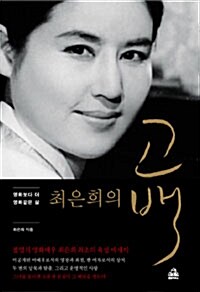
- Choi Eun-hee (2007). Ch'oe Ŭn-hŭi ŭi kobaek: yŏnghwa poda tŏ yŏnghwa kat'ŭn sam 최 은희 의 고백: 영화 보다 더 영화 같은 삶 [Confessions of Choi Eun-hee] (in Korean). Seoul: Random House Korea. ISBN 9788925513997.
최은희의 고백 - 영화보다 더 영화 같은 삶
최은희 (지은이)랜덤하우스코리아2007-11-09
Sales Point : 164

 10.0 100자평(2)리뷰(0)
이 책 어때요?
카드/간편결제 할인

무이자 할부
소득공제 450원
품절 출판사/제작사 유통이 중단되어 구할 수 없습니다.
- 품절 확인일 : 2017-03-09
1950~60년대를 풍미한 영화배우 최은희의 자서전. 한국 영화계의 별 신상옥 감독과의 사랑을 나누고, 분단국의 여배우로서 납북이라는 초유의 사건을 겪는 등 그야말로 한 편의 영화 같은 삶을 살았던 은막의 스타가 지나온 삶을 돌아본다. 해방, 전쟁, 유신, 군사정권 등 우리 근현대사의 험난한 여정을 관통하고 있는 드라마틱한 인생 이야기가 흥미진진하다.
유년 시절에 대한 회고에서부터 시작해, 전후 사람들에게 유일한 희망과 위안이 되었던 영화에 몰두하며 현실의 고통을 이겨낸 이야기, 전후 폐허 위에서 시작된 신상옥 감독과의 운명적인 사랑, 두 사람이 콤비가 되어 만들었던 '어느 여대생의 고백', '로맨스 빠빠', '성춘향', '사랑방 손님과 어머니' 등 한국영화사에 길이 남을 의미 있는 영화들의 탄생 일화가 배우 최은희의 삶의 여정과 맞물려 전개된다.
납북 당시에 접했던 북한의 실상, 김정일과의 일화, 북한에서 찍었던 영화 제작 에피소드들, 그리고 조국으로 돌아오기 위한 손에 땀을 쥐게 하는 탈출 과정들 또한 상세히 기록되어 있다. 화려한 배우로서의 삶 뿐만 아니라 지우고 싶은 과거의 상처와 세간에 잘못 알려진 오해들에 대해서도 진솔하게 털어놓았다.
목차
프롤로그
1. 속눈썹이 긴 여자 아이
기억이 시작되는 순간 / 삶이란 긴 여행이 시작되다 / 바위 위의 초가삼간 / 어린 시절은 아름다워라
2. 인생의 안개 속으로
시집가고 싶지 않아요 / 방공호에서 시작된 운명 / 극단 아랑 연구생의 가출/ 잊을 수 없는 데뷔 무대, 「청춘극장」 / 반대를 무릅쓰고 / 주인공이 될 기회를 놓치다 / 패기의 수업 시대 / 해방 후의 연극 무대
3. 돌아오지 않는 강
「새로운 맹세」로 영화에 데뷔하다 / 어긋난 만남 / 오누이의 구애 / 잘못된 선택 / 레디메이드 인생 / 눈 오는 밤 / 「밤의 태양」 / 내가 사랑했던 라디오 드라마 / 맹세는 깨어지고
4. 여배우의 슬픈 전쟁
나만의 이미지를 갖다 / 전쟁이 터지다 / 운명을 제비뽑기에 맡기고 / 북으로, 북으로 / 탈출 계획 / 목숨을 건 첫 번째 탈출 / 군번 없는 용사 / 돌이킬 수 없는 상처 / 생사의 갈림길 / 귀환 후의 뜬소문 / 아내의 자리를 지키며 / 더러운 돈 / 모진 사람, 모진 인연 / 피란지에서 연극을 하다 / 계속되는 설득 / 13일의 금요일
5. 은막의 스타, 최은희
청년 신상옥을 만나다 / 내게 너무 따뜻한 사람 / 나와 함께 영화를 해 보지 않겠소 / 간통죄 1호 / 잊지 못할 결혼식 / 감독과 여배우 / 신 감독이 사랑했던 영화 / 맨손으로 시작하다 / 폐허 더미 위에서 / 드디어 비상하다
6. 신필름 전성시대
내 마음의 장충동 집 / 영화밖에 모르는 야생마 / 신필름의 첫 영화 / 세기의 대결 / 기이한 꿈 / 나는 의상 아주머니 / 「사랑방 손님과 어머니」 / 신상옥 감독의 아내로 산다는 것 / 권력과 영화인 / 만자가 되고 싶어요 / 베를린 영화제와 「열녀문」 / 동양의 작은 나라에서 온 여배우
7. 배반과 이별
귀하디귀한 신의 선물 / 하늘의 사나이들 / 「빨간 마후라」 그 영광의 이면 / 이제부터가 진짜 시작이다 / 아, 안양영화예술학교 / 검열, 한국 영화의 추락 / 신 감독과의 균열 / 그토록 믿었던 당신이 / 남편의 여자 / 마지막 이발 / 신감독과의 이혼
8. 최은희 신상옥 납북사건
증발되기 위한 여행 / 내레 김정일입네다 / 내가 북한에 와 있다니 / 전혀 즐겁지 않은 만찬 / 은정아, 나 여기 있어 / 달갑지 않은 선물 / 문오장 그 새끼래 / 김정일 생일에 초대받다 / 나를 죽이려 하오 / 동북리 초대소에서 / 미스 공과의 슬픈 인연 / 자유와 인권은 어디에 / 주체사상을 교육받다 / 박정희가 죽었습네다 / 무지개 꿈 / 신 감독과의 기적 같은 재회 / 이제부터는 우리 인생을 연출해요
9. 필사적 탈출 시나리오
신필름, 북한에서 부활하다 / 자유의 냄새 / 「돌아오지 않는 밀사」 / 월북한 배우들을 만나다 / 사투리를 쓰지 못한 <탈출기> / 신감독과의 결혼식/북한 영화에 돌풍을 일으키다 / 내가 책임지겠소 / 모스크바 영화제 여우주연상 / 정을 주고 정을 떼고 / 베를린 영화제 / 탈출 시나리오의 시작 / 감시원들의 의심 / 자유를 찾아 탈출을 감행하다 / 웰컴 투 더 웨스트
10. 조국은 저 하늘 저 멀리
망명자들 / 10년 만의 재회 / 이태영 어머니 / 가톨릭 신자로서 영세를 받다 / 내겐 모두 소중하고 귀한 아이들 / 평범한 일상의 행복 / 신 감독은 멀티 플레이어/ 여보, 고마워요 / <조국은 저 하늘 저 멀리> 수기 출판 / 재일 교포의 도움으로 / 신필름의 할리우드 도전기 / 남은 인연의 고리 / 나는 너를 후배로 생각해본 적이 없어 / 지난 세월은 훌훌 털어버리고 / 천국에서 행복하기만을
11. 임이여, 그 강을 건너지 마오
진정한 예술가는 조국의 문화를 반영해야 / 20년간의 공백이 우리에게 남긴 것 / 말을 잃은 신 감독 / 나를 두고 어디로 가려 하오 / 거장이 떠나가는 길 / 여생은 당신을 위해
에필로그
접기

책속에서
사람들은 내게 영화와 같은 삶을 산 여배우라고 말한다. 나는 평범한 여자에 불과한데, 어쩌다 영화 같은 삶을 살게 되었을까. 북한에 납치되어 갔을 때, 밤마다 울면서 한 생각이 그러했다. 배우가 되지 않았다면 이런 어려움을 겪지 않았을 거라고... 나는 분단국의 여배우로서, 신 감독은 분단국의 영화감독으로서 조국의 비극에 희생양이 되는 경험을 했다. 그러나 나는 배우가 된 것을 후회하지는 않는다. 나는 연기를 통해 타인의 삶을 내 것으로 받아들이는 연습을 하며 살면서 모든 이들의 인생이 참으로 아름답고 소중하다는 것을 배웠다. - 본문 중에서 접기
저자 및 역자소개
최은희 (지은이)
저자파일
신간알리미 신청
1930년 경기도 광주에서 태어났다. 1943년 배우 문정복의 소개로 극단 아랑의 연구생이 되었다. '청춘극장'으로 연극 무대에 데뷔한 후, 극단 아랑과 극예술협의회 등에서 연기력을 쌓았다. 1947년 '새로운 맹세'로 영화계에 데뷔한 후, '마음의 고향', '밤의 태양'에 출연하며 영화계의 신예로 떠올랐다다. 피난지에서의 연극 '야화'와 1953년 다큐멘터리 영화 '코리아'를 계기로 신상옥 감독과 만나 운명적인 사랑을 나누게 된다. "영화에 미친 야생마" 신상옥 감독의 동지로서 영화를 위한 삶을 살았으며 5,60년대 대표적인 은막의 화려한 스타로 부상하게 되었다.
'꿈', '지옥화', '동심초', '로맨스 빠빠', '이 생명 다하도록', '백사 부인', '성춘향', '사랑방 손님과 어머니', '연산군', '열녀문', '로맨스 그레이', '빨간 마후라', '벙어리 삼룡', '다정불심', '이조 여인 잔혹사' 등이 대표작이며 그 외에 100여 편의 작품을 신상옥 삼독과 함께 했다. 다른 감독의 작품 '맹진사댁 경사', '가거라 슬픔이여', '다정도 병이런가', '자유결혼', '촌색시', '돈', '저 눈밭에 사슴이' 등 30여 편의 영화에 출연했다. '어느 여대생의 고백'으로 제1회 국산영화상 여우주연상을, '상록수', '청일전쟁과 여걸 민비'로 대종상 여우주연상, 아세아영화제 여우주연상을 수상했다.
1965년에는 우리나라 세 번째 여성 감독으로 이름을 올리며 '민며느리', '공주님의 짝사랑', '총각선생' 등 세 작품을 연출했다. 감독 겸 배우로 출연했던 '민며느리'로 대종상 여우주연상을 수상했다. 또한 북한에서도 영화 '약속'을 연출했다. 1967년 안양영화예술학교의 교장으로 취임하며 후진 양성에도 열정을 쏟는다. 1978년 학교 문제로 홍콩을 방문하던 중 납치되어 9년간이나 북한에 억류된다. 납북된 지 5년 만에 신상옥 감독과 재회해 북한에서 영화를 찍었고, 신상옥 감독과 함께 만든 '돌아오지 않는 밀사'로 체코 카를로비바리 국제영화제에서 특별감독상을, '소금'으로 모스크바 영화제 여우주연상을 수상했다.
1986년 오스트리아 비엔나에서 미국 대사관으로 탈출한 후 10년 넘는 망명생활을 하다가 1999년 영구 귀국했다. 2001년 국단 '신협'의 대표로 취임하여 그해 헤밍웨이 원작의 뮤지컬 '누구를 위하여 종을 울리나'에 제작 및 출연했으며, 2002년 뮤지컬 '크레이지 포 유'를 기획 제작했다. 2006년 대한민국영화대상에서 공로상을 수상했다. 접기
최근작 : <영화감독 신상옥>,<최은희의 고백> … 총 2종 (모두보기)
최은희(지은이)의 말
그간 내 긴긴 인생을 돌아보면서 울고 웃으며 고통스러운 시간을 보냈다. 얼마 남지 않은 여생 내게 남은 부끄러움들을 다 털어 버리고 싶은 마음으로 모든 걸 솔직하게 털어놓았다. 어쩔 수 없이 냉혹한 풍랑에 휩쓸렸던 순간들도 숨김없이 밝혔다. 마치 고백성사를 하는 것처럼. 내 삶은 창피하고 부끄러운 일투성이지만, 나는 바보처럼 우직하게 열심히 살려고 노력했기 때문에 결코 헛된 인생을 살았다고 생각하지 않는다.
출판사 소개
랜덤하우스코리아
도서 모두보기
신간알리미 신청

최근작 : <돈 버는 경제학>,<월요일의 그녀에게>,<스카페타>등 총 246종
대표분야 : 경제학/경제일반 11위 (브랜드 지수 184,100점), 성공 15위 (브랜드 지수 336,809점), 추리/미스터리소설 18위 (브랜드 지수 115,298점)

출판사 제공 책소개
영화와 같은 삶을 산 여배우
제1회 대종상 여우주연상을 비롯, 청룡영화제 인기스타상, 국산영화상.대종상에서 여우주연상 3회 수상, 아시아영화제, 모스크바 국제영화제 여우주연상에 빛나는 은막의 스타, 한국의 대표적인 여배우 최은희. 그러나 그녀의 삶은 두 번의 결혼과 두 번의 이혼, 두 번의 납북과 두 번의 탈출로 대변되는 사랑과 모험으로 가득한 한 편의 드라마틱한 영화였다. 황소처럼 우직한 성품으로 연기에만 몰두하며 살았지만 세상의 시선을 한 몸에 받는 여배우로서뿐만 아니라, 한 여자로서의 그의 길도 평탄치만은 않았다. 그가 걸어온 길을 따라가다 보면 해방.전쟁. 유신.군사 정권 등 우리 근현대사의 험난한 여정을 경험할 수 있다. 분단국의 여배우로서 납북이라는 초유의 사건을 경험하는 등 격동의 세월을 살았던 최은희는 이 책을 통해 화려한 배우로서의 삶이 아닌 평범한 여성으로서 지우고 싶은 아픈 상처들까지 담담한 어조로 풀어놓았다. 최초로 책으로 엮어 낸 그녀의 파란만장했던 반세기 삶의 여정은 우리에게 흘러간 옛 시절에 대한 향수와 삶과 사랑에 대한 깊은 감동을 전해 준다.
첫 번째 결혼과 전쟁 중의 씻을 수 없는 상처
최은희는 영화 <새로운 맹세> 때 만난 12세 연상의 촬영기사 김학성 씨로부터 집요한 구애를 받고, 연민의 마음으로 결혼을 결심한다. 누구보다 평범한 행복을 꿈꾸었던 최은희에게 첫 번째 결혼이 남긴 것은 가족을 부양해야 하는 생활고와 남편의 폭행뿐이었다. 전쟁 중 울타리가 되어 주지 못했던 무기력한 남편은 첫 번째 납북과 탈출의 숨 막히는 공포와 위험을 감수하게 했다. 그리고 전쟁은 그녀의 모든 것을 짓밟았다. 그녀에게 여성으로서 씻을 수 없는 상처를 입었다. 전후 생사의 갈림길에서 어렵사리 살아서 집으로 돌아오지만, 그를 기다리고 있는 것은 따뜻한 위로가 아닌 인민군과 아군에게 강간당했다는 헛소문들과 남편의 의처증뿐이었다. 그러나 최은희는 냉혹한 현실 앞에 주저앉지 않고 전후 사람들에게 유일한 희망과 위안이 되었던 영화에 몰두하며 현실의 고통을 이겨낸다.
운명적인 사랑, 신상옥 감독
전후 폐허 위에서 신상옥 감독과의 운명적인 사랑이 시작된다. 그러나 이들의 사랑은 간통죄 1호라는 세상의 비난으로 감수해야 했다. 신 감독은 세상의 비난도, 첫 번째 결혼 실패와 전쟁의 상처, 그리고 모질게도 그녀를 따라다니던 숱한 소문까지도 따뜻하게 감싸주었다. 또한 누구보다 여배우로서의 최은희를 인정하고 신뢰하고 존중하고 배려해 주었다. 두 사람은 허름한 여인숙에서의 잊지 못할 결혼식 후 남편과 아내를 넘어 감독과 여배우로서 그리고 신상옥 감독의 마르지 않는 상상력의 원천이 되어 오직 영화만을 위해 살아간다. 그것은 두 사람이 콤비가 되어 만들었던 「꿈」 「어느 여대생의 고백」 「로맨스 빠빠」 「성춘향」 「사랑방 손님과 어머니」 「상록수」 「청일전쟁과 여걸 민비」 「로맨스 그레이」 「벙어리 삼룡」 「열녀문」 「빨간 마후라」 등과 같은 한국영화사에 길이 남을 의미 있는 영화들의 탄생이 증명하고 있다. 이 책의 행간 행간마다 배어 있는 절절한 두 사람의 사랑과 영화에 대한 열정은 어느 연애 소설보다 감미롭고 뜨겁다.
최은희 신상옥 납북사건에 관한 오해와 진실
화려했던 60년대와는 달리 70년대는 최은희에겐 상실의 시기였다. 유신체제하의 검열로 인한 한국 영화의 추락과 신 감독과의 이혼, 신필름의 등록 취소, 그리고 운영하던 안양영화예술학교의 자금난 등 그 골이 깊었다. 1978년 학교 문제로 홍콩에 간 최은희는 가장 왕성한 활동을 벌이고 있을 즈음 돌연히 한국 영화계에서 증발하고 만다. 영화광이었던 김정일이 낙후된 북한 영화를 되살리기 위해 납치한 것이다. 이혼 후 헤어졌던 최은희와 신 감독은 5년 만에 북한 땅에서 숙명처럼 극적인 재회를 하게 된다. 그리고 치밀한 탈출 시나리오가 시작된다. 김정일의 전폭적인 지지하에 북한 영화계의 발전을 위해 밤낮없이 일했으며, 국제영화제에서 감독상과 여우주연상을 수상하며 북한 영화의 새로운 돌풍을 일으켰다. 그러나 그곳은 그들이 영원히 머물 조국은 아니었기에 자유를 찾아 숨 막히는 탈출을 감행한다. 그리고 국내 사정으로 인해 창작의 자유가 있는 미국으로의 망명을 결정한다. 이 책은 북한의 실상, 김정일과의 일화, 북한에서 찍었던 영화 제작 에피소드들, 그리고 사랑하는 조국으로 돌아오기 위한 손에 땀을 쥐게 하는 탈출 과정들을 상세하게 기록하고 있다.
상처로 남은 여인, 오수미에 대해 말하다
탈출만 하면 마냥 행복할 줄 알았던 두 사람에겐 넘어야 할 산이 있었다. 증발로 인해 정지되어 있던 두 사람의 가슴 아픈 인연의 끈이 재생되기 시작했다. 납북 전 신 감독과의 스캔들의 주인공 신인 배우 오수미. 그리고 두 사람 사이에 존재하는 두 아이가 현실이 되어 다가왔다. 불임으로 인해 아이들을 입양해 키웠던 최은희에게 있어서 오수미라는 존재보다는 그 아이들이 더 가슴 저미는 아픔이었는지도 모른다. 어렵게 새출발한 오수미와 사생아로 자라게 될 아이들의 앞날을 생각해 오수미의 동의하에 절차를 밟아 미국으로 아이들을 데려온다. 그리고 최은희는 평생 꿈꾸어오던 평범한 주부이자 엄마로서의 행복한 나날을 보낸다. 그러나 행복하게 잘 살길 바랐던 오미는 다시 이혼이라는 아픔을 겪게 되고, 결국 타지에서 교통사고로 생을 마감하고 만다. 그간 최은희와 오수미의 관계에 대해서 수많은 억측들이 있었다. 이 책에는 오수미에 대한 같은 여인으로서 느끼는 연민의 정과, 그간 오해를 받으면서도 차마 말하지 못했던 그녀에 대한 이야기들을 솔직하게 고백하고 있다.
평생의 반려자를 떠나보내며
두 사람은 서로를 사랑했고 또 영화를 사랑했다. 그러나 창작의 자유를 위해 선택한 미국으로의 망명은 언어와 문화의 벽이라는 한계에 부딪치고 만다. 오랜 숙원이었던 영화 <칭기즈칸>의 완성을 꿈꾸며 영구 귀국했지만 국내 영화계는 더 이상 그들의 무대가 아니었다. 조국에 대한 그리움과 다시 한 번 영화인으로서의 삶을 꿈꾸었으나 20년이라는 공백은 두 사람에게 척박한 현실만 실감하게 했고, 결국 그 상실감은 신 감독의 죽음으로 동지요 연인이었던 두 사람의 영원한 이별을 맞게 했다. 마지막 장은 사랑하는 사람을 먼저 보내는 한 여인의 애절한 사랑이 담겨 있다. 파란만장한 한 평생을 살면서 자존심과 고집으로 어려움을 극복하며 살았지만, 배우자를 먼저 저 세상으로 보내는 일은 최은희에게 극복해낼 수 없는 고통이자 공포였다. 자타가 공인하던 ‘천생연분’이던 두 사람. 자신의 모든 것처럼 사랑해 주던 신상옥 감독을 떠나보내며 최은희가 눈물로 쓴 이야기는 가슴 저미는 깊은 감동을 준다. 온갖 어려운 일을 겪으며 늙어온 노부부의 따뜻한 사랑은 삶의 의미를 되돌아보게 해준다. 접기
글 작성 유의사항

구매자 (2)
전체 (2)
공감순


이 분 역시 자기일에 엄청 열정이 대단했다. 많은 시련이 있었는데, 영화에 대한 사랑이 이분을 버티게 해주신것 같다. 그래서 오히려 복이 많은 분 같다.


책벌레 2012-09-17 공감 (0) 댓글 (0)
Thanks to
공감
최은희님의 영화인생에 대한 깊은 감동을 느낄 수 있는 소중한 자서전입니다.
나무 2007-12-15 공감 (0) 댓글 (0)
Thanks to
공감
==
==
==
No comments:
Post a Comment
Note: Only a member of this blog may post a comment.