Showing posts with label Ryusho Kadota. Show all posts

2023-06-15

“Fukushima 50” – Thoughtful and Thought-Provoking Adaptation of Events of 3/11 – Christopher P. Hood

“Fukushima 50” – Thoughtful and Thought-Provoking Adaptation of Events of 3/11 – Christopher P. Hood

“Fukushima 50” – Thoughtful and Thought-Provoking Adaptation of Events of 3/11
Posted by HOODCPon
JANUARY 4, 2022


Although I have now written about all of the movies that I included in my article “Disaster Narratives by Design: Is Japan Different?“, there are still new movies coming out (even during COVID-19) and amongst these there are disaster movies. One of these is Fukushima 50 (directed by Setsuro Wakamatsu), which I watched this week.

In case you are not familiar with the movie, here is a summary on IMDb.

Workers at the Fukushima Daiichi facility in Japan risk their lives and stay at the nuclear power plant to prevent total destruction after the region is devastated by an earthquake and tsunami in 2011.

https://www.imdb.com/title/tt9318772/?ref_=fn_al_tt_1

Although it was not part of my study and I have no particular plans to continue that study, I could not help but think about the disaster movie conventions that I developed for my article when watching it. Unlike with the narratives (movies and TV series) that I studied for my article, I have only watched Fukushima 50 once so far, so I cannot be sure that I picked up on every detail correctly. However, I believe that the movie has 15 of the 17 conventions. The ones that I believe are missing are:

‘No distancing in time’ – although there are some parts of the movie which are set outside of 2011, most of it is clear about when the events are happening. The movie finishes with making a link between the events at Fukushima and the Tokyo 2020 Olympics. Although the Olympics themselves were postponed to 2021 due to the COVID-19 pandemic, the statement remains true. However, there will come a time when even this statement will seem dated.

‘Show dead bodies’ – unusually for a Japanese disaster movie, there were no (as far as I could tell) dead bodies shown in the movie. Certainly none were shown in and around the nuclear power plant as there were no deaths there, but I don’t think any were shown during the scenes of the earthquake and tsunami.
At the moment Fukushima 50 has an average of 6.0 on IMDb. Personally, in case you’re interested, I gave it an 8. I would say that it is definitely one the better disaster movies that I have watched (I have discussed in other posts that disaster movies tend to have low ratings – you can find a list of the ones that I have watched & ranked here).

There were many elements about the movie that I liked. I guess one thing that jumped out at me was how it seemed to be a collection of the disaster narratives related to the JL123 plane crash that I have studied – Climber’s High (2 versions), Shizumanu Taiyo (2 versions), and One-no-Kanata-ni. The director of two of these, Setsuro Wakamatsu, is the director of Fukushima 50. The author, Ryusho Kadota, of the book upon which the movie is based (keeping in mind that it is based upon real events also) was also the author of the book upon which One-no-Kanata-ni was based. The cast also includes people from most, if not all, of the five JL123 dramatizations – including the two protagonists, Koichi Sato (Climber’s High 2005) and Ken Watanabe (Shizumanu Taiyo 2009).


I don’t know how accurately the movie portrays all of what really happened in 2011, but it certainly comes across as believable & contains many ‘pillars of truth‘ – not just in terms of the events themselves, but also typical behaviour in Japanese organisations. I wonder if some of the behavioural aspects and how this is portrayed is influencing the score on IMDb. I have written elsewhere about how the lack of a strong hero character who stands up for themselves (or merely quits) is something that is typical in Japanese stories, but may not transfer well to other audiences.

I’m not sure if it’s a movie that I will be watching again. As great as it is in many ways, it lacks memorable lines or hooks that make me want to watch it again – at least for entertainment. It may be a useful movie to study as an academic exercise though. One thing that I did particularly like was the ending. The credits include actual images of the Fukushima Dai-ichi nuclear power plant being built. But it then finishes with a view out to sea and the sun rising. Unlike the sun which doesn’t set in another of Wakamatsu’s outputs (Shizumanu Taiyo 2009), the rising sun is a much more hopeful symbol and, of course, links to a symbol of Japan itself.

“One-no-Kanata-ni” (“Beyond The Ridge”) – Linking 3/11 and JL123 – Christopher P. Hood

“One-no-Kanata-ni” (“Beyond The Ridge”) – Linking 3/11 and JL123 – Christopher P. Hood

The next of my posts about movies which I studied for my article “Disaster Narratives by Design: Is Japan Different?” is about One-no-Kanatani (尾根のかなたに), translated into English “Beyond the Ridge”, but also known as “Inseparable Souls: Fathers, Sons, and The Crash of JAL123”. This TV drama is the third story, after Climber’s High and Shizumanu Taiyo, which is about the JL123 crash. It isn’t only JL123 which links this dramatization to the others, as, for example, the director also directed the movie version of Shizumanu Taiyo.

A summary on IMDb for One-no-Kanata-ni is as follows.

This drama follows three families involved in the JAL flight JL123 crash on 12 August 1985.

https://www.imdb.com/title/tt2331554/?ref_=nv_sr_srsg_0
This very brief summary, to some degree, probably reflects the limited impacted the drama has had, particularly outside of Japan. It is the only narrative that I studied for my article which has so few reviews that IMDb hasn’t (as of 2020) allocated it an average score. This is a great shame as the two-part dramatization is very well put together. I suspect that a lack of English subtitles is further impeding its wider viewing.

JL123 had an official death toll of 520 and this represented over 400 different families. As noted in my post about Kinosaki, it was knowing one of these families that helped to inspire me to do my research about the JL123 crash initially that led to my book Dealing with Disaster in Japan. Given that there are so many different families connected to the crash, however, it is still a surprise that one of them has featured not only in a documentary about the crash, but became the basis for one of the families in One-no-Katana-ni. Although certain details (for example, the names) were changed and the Kinosaki scenes were not even filmed in Kinosaki, reading the book and watching the dramatization probably impacts me more than some of the others related to the crash. Knowing the family also allowed me to be able to contact and meet not only the author of the book, Ryusho Kadota, but also the producer of the programme.

While the dramatization deals with the JL123 crash, the themes and issues are not isolated to this crash. Indeed, the satellite channel WOWOW that was responsible for its production, wanted to make a dramatization in relation to the 3/11 Great East Japan Earthquake and Tsunami. But commissioning a programme in 2012, it was felt that it was too soon after the 2011 disaster, so they decided to turn to a book about JL123 and dramatize that. As noted above, the director, Setsuro Wakamatsu, was the same for the movie version of Shizumanu Taiyo and he was apparently keen to do it as he had unfinished business with the JL123 story after making that movie.


In terms of the revised list of conventions that I developed as part of my article “Disaster Narratives by Design: Is Japan Different?“, One-no-Kanata-ni scored a 15 out of the 17, with the only ones missing being ‘panic’ (unsurprising as the plane crash itself is not shown) and ‘isolation’. One odd aspect of the book is that the subtitle points to the “Fathers, Sons, and The Crash of JAL123” despite a large focus actually being on either female victims or the mothers who were left behind.

I discuss One-no-Kanata-ni in greater depth in a chapter that I am currently working on for a book on Japanese media.

The Man Who Saved the Country, Japan and the World - MANABINK

The Man Who Saved the Country, Japan and the World - MANABINK


The Man Who Saved the Country, Japan and the World
February 14, 2021 Last updated :November 23, 2021 Ryoji Shimada


CONTENTS


Masao Yoshida Who Defied Company Orders to Save Japan from Fukushima Nuclear Disaster

By Ryusho Kadota (journalist) and Soichiro Tahara (journalist)
Securement of a Line to Deliver Seawater Was Crucial


Tahara: Mr. Kadota, the book you wrote, “Shi no Fuchi wo Mita Otoko” (“The man who saw the abyss of death”, published by PHP Institute) is a very good read. After the incident at Fukushima Daiichi nuclear power plant, everyone in Japan thought Tokyo Electric Power Company (TEPCO) was evil personified. But after reading your book, I realized that Masao Yoshida (then plant manager) and the people working under him at the Fukushima Daiichi site really risked their lives to get the incident under control. I found that moving because that side of the incident didn’t get reported at all. When did you start gathering material for it?
“Shi no Fuchi wo Mita Otoko” by Ryusho Kadota (2016)

Kadota: It was immediately after the incident occurred on March 11, 2011. Everything depended on whether I could get an interview with Yoshida, who was plant manager at Fukushima Daiichi at the time of the incident. You could even say that my activities over the next year and a few months were all in order to persuade him. I thought that if I could get the OK for an interview with Yoshida, who was the “boss” so to speak of Fukushima Daiichi, on that basis, it would be easier to get permission in one go from all the people who fought at the site as well.

Tahara: You interviewed Yoshida in July last year. That was after he’d been operated on for esophagus cancer and completed his anticancer drug therapy – during the interval before he collapsed with a brain hemorrhage. Does that mean you got the actual approval from him a good while prior to that?


Kadota: No, that wasn’t the case. I got the OK for the interview with Yoshida while he was still undergoing anticancer drug therapy. That was in May 2012.

Tahara: So it was after his cancer had already been discovered – and the interviews with the technicians at the site took place after that, I assume. It wasn’t the case that you only started interviewing after obtaining permission from the TEPCO public relations department, was it?


Kadota: I think TEPCO’s public relations department was also troubled by the fact that a freelancer like me had acted on his own and managed to persuade Yoshida. Yoshida was also a TEPCO executive officer. Once someone in that position had given the OK, they couldn’t really put a stop to the interviews.

Tahara: What surprised me above all else when reading the book was that it uses the actual names of the parties involved. I don’t suppose that would have been possible had the interviews been done via the TEPCO public relations department.


Kadota: I checked directly with each and every one of the people who had assented to be interviewed whether I could use their real name. I did this afterwards, so I don’t think that TEPCO public relations knew that the book would use real names until it came out.
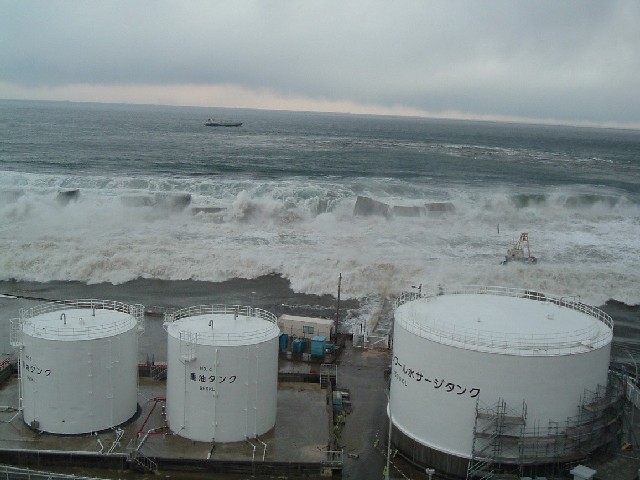
The moment before the tsunami hit the nuclear facility on March 11, 2011

Tahara: I’d like to look back at the events on the day of the incident. When the Great East Japan Earthquake occurred, the effects of the earthquake cut the electricity. Under normal circumstances, the system was that in-house power generators would cut in and cool the reactors. However, the diesel generators that this system relied upon were taken off-line by the tsunami, and by 15:41, the plant was in a position of having lost all electricity. As the coolant water for the reactor cores could no longer be cooled, the nuclear fuel started to burn rapidly. If left in this state, there was a risk that the reactor containment vessels would explode. That was the situation. What did the people at the site decide they should do?
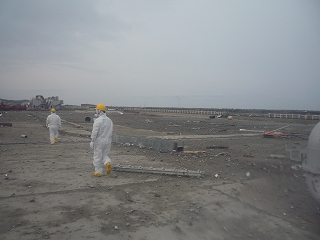
The diesel generators and other equipments were washed away. (The photo taken on March 22, 2013)

Kadota: Both Yoshida, who was in the emergency operations room inside the quake-proof master building, and the plant engineers in the central control room concluded that “The only thing to do is use Pacific seawater” at virtually the same time. In other words, they decided that all they could do to cool the reactors was to pump seawater into them. In order to do that, they had to construct a line (pipe) to get the seawater into the reactors. By reworking the fire extinguishing line that ran water to the inside of the reactor buildings, they were able to get water to the reactor core. It was do-or-die work performed in total darkness using flashlights.

Tahara: Radiation levels in the surrounding area had already gone up, so there must have been a risk to their physical safety. How did they feel about that?


Kadota: It seems they were considerably fearful of it, as you might expect. It was very hot inside the reactor buildings and white particles were floating about amid the pitch darkness. When the plant workers at that time were asked whether those particles were radioactive, they answered, “We didn’t really know.” They worked in those conditions for several hours, trying to read out the numbers on valves.

From 11:00pm that day, going inside the reactor buildings themselves was banned by plant manager Yoshida as radiation levels had gotten high. Subsequently, the securement of a line to deliver seawater – a decision made there and then at the site – would later prove to be massively important. Had they not done that, cooling the reactor cores would have already been impossible.
No Room to Even Think About One’s Family

Tahara: To continue, I’d like to ask you about the vent problem. To prevent the containment vessels from exploding, the pressure inside the reactors had to be released outside. That’s where the vents come in. According to your book, plant manager Yoshida gave the order to ready the vents at the site (unit 1) around midnight, i.e. the start of the next day, March 12. However, Yoshida himself had already ordered that the reactor buildings were off-limits. So the act of getting to the vents also involved staring death in the face. To be frank, I think you could even call it a suicide mission.

Kadota: Certainly, and I think Yoshida was also deeply distressed by the fact that the entry team was being asked to walk the fine line between life and death. The man at the site who bore responsibility for deciding the personnel for that mission was Isao Izawa, who was the main control room’s shift supervisor for units 1 and 2. Apparently, the first thing Izawa said was, “I’m terribly sorry, but I can’t send in any young people.” The younger staff still had a future in which to have children, so Izawa picked older veterans as the main entry team members.


There was a moment of deathly hush before Izawa himself broke the silence. With the situation worsening, Izawa had already dispatched his workers to dangerous places such as the reactor buildings time and time again. He felt terrible about that, and apparently wanted to go on this final mission himself. Doing so would also assuage his guilt, he said. However, two shift supervisors senior to Izawa stopped him, telling him, “You stay here.”

Tahara: One after another, the younger workers then also volunteered for the job, didn’t they?

Kadota: Yes, they did. Izawa was nearly in tears when he told how the younger workers started to call out from the gloom: “I’ll do it.” “I’ll go too.”
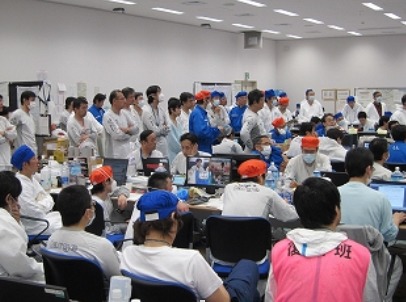
Staff at the emergency operation room on April 1, 2011

Tahara: Around that time, (former) Prime Minister Naoto Kan visited Fukushima Daiichi nuclear power plant. He flew in by helicopter on March 12 and yelled, “Why haven’t you opened the vents?” That must have been annoying for the staff at the site.

Kadota: Very much so, because actually opening the vents would simultaneously release radioactive material. Since it hadn’t been confirmed whether the local residents had managed to evacuate yet, the fact that the go-ahead hadn’t been given to enter the reactor buildings and open the vents was hardly surprising.


With radiation scattered around, Yoshida found himself needing to source some appropriate protective equipment for the prime minister’s party that was to visit the plant. However, as there was no leeway to handle this at the site, Yoshida held a video conference with the headquarters and asked them to prepare some equipment, but was told, “Deal with it on site.” This infuriated Yoshida. “You can’t be serious!” he replied, and the two parties had a huge argument. Yoshida clashed with the headquarters over each and every thing, but had he been the type who was subservient to the headquarters, it is unlikely that the workers at the site would have trusted him as much as they did. Having repeated arguments with the headquarters was also needed to capture hearts and minds on site.

Tahara: I see. So in the end, did the headquarters provide the equipment for the prime minister’s party?
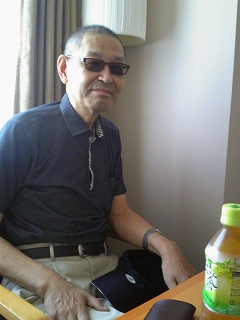
Former plant manager Masao Yoshida, interviewed by Ryusho Kadota

Kadota: No. There was no equipment whatsoever, so the prime minister’s party went into the quake-proof master building where plant manager Yoshida was. Put simply, they did not seem aware that they may also have been exposed to radiation.

Tahara: The presence of Naoto Kan was nothing but a hindrance for the people at the site. However, after reading your book, I started to understand why Kan acted the way he did at the time. The information available was so tangled that no proper reports were getting through to the prime minister. In those circumstances, I can understand why he would feel like wanting to check for himself.


Kadota: Quite so. The greatest mistake made was shutting away experts like Haruki Madarame, chairman of the Atomic Safety Committee, in a small room on the second floor of the crisis management center inside the prime minister’s office. From there, the only means of communicating or gathering information were two fixed-line telephones. In other words, an expert had been placed in an “information isolation zone.”

Tahara: Yoshida gave the go-ahead to open the vents at the site after Kan’s party had left, didn’t he? Around what time was that?

Kadota: It was nine o’clock on the morning of the 12th. How on earth must they have felt when the time came to enter the reactors? When I spoke to some of the members chosen for the entry team to find out, asking, “Did you think about your wife and children?” I got the reply, “There was no scope to think about that.”

Apparently, in the time before going in, the members repeated visualization exercises, confirming details amongst themselves such as “So we go up this ladder, then head to the right, or to the left?” while trying to form images in their minds of the inside of the reactor buildings. The challenge for them was whether they could turn the valve handles or not before dying.


Tahara: They could not afford to die before opening the vents.

Kadota: Because if they had failed, it literally would have been the end for Japan. That’s precisely why, like how the entry team members answered, they didn’t even have room to think about their families.
“We Were Prepared to Die Together”
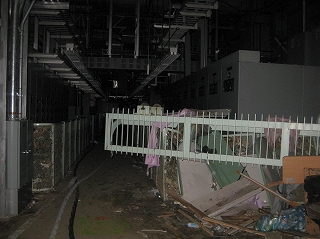
Electric power supply room of Unit 1 (on March 23, 2011)

Tahara: After opening the vents, pouring in seawater was the next problem at the time of the incident. While they were still deliberating at the prime minister’s office whether to inject seawater or not, Yoshida had already started doing it.

Kadota: The reason why the prime minister’s office gave the order to cease injecting seawater was allegedly because Madarame, the committee chairman, said that “replacing the coolant with seawater could potentially cause re-criticality.” However, that isn’t the case, and when I checked that with Madarame himself, he denied it and maintained that he had said, from an early stage, that “the only thing to do is inject seawater.” When he was asked at the time whether there was any possibility of re-criticality (re-critical state) from injecting seawater, Madarame had answered, “The possibility isn’t zero,” and this comment became misunderstood.

Tahara: By re-criticality, you mean that a chain nuclear fission reaction starts again in nuclear fuel that had been shut down (in a pre-critical state).

Kadota: Yes, and Madarame’s answer that the possibility of this “isn’t zero” was a scientist-like response. But Banri Kaieda, former Minister of Economy, Trade and Industry, and Chief Cabinet Secretary Yukio Edano sensed a clear and present danger, and their mistaken perception spread throughout the prime minister’s office. Hearing that, Prime Minister Kan ordered a review into whether re-criticality was possible from injecting seawater.

Tahara: So as Kan only said, “Review it” rather than “Stop it” regarding injecting seawater, he evaded responsibility. However, Kan must have had some other expert staff around him in addition to just Madarame. I’ve met up with Ichiro Takekuro, who holds the executive level title of “fellow” at TEPCO, a number of times since the incident. What role did he play at the time?

Kadota: Actually it was Takekuro who called Yoshida to get him to stop injecting seawater. “Just stop it,” he said. He asked Yoshida very forcefully, it seems, right down to his way of speaking. “Shut up. I’ve got the prime minister’s office on my back!” Takekuro said. “What are you saying?!” Yoshida retorted. It was a fierce exchange. Subsequently, after Takekuro had abruptly hung up the phone, Yoshida was expecting a call from TEPCO the headquarters giving him the official order to stop injecting seawater, so he started to take measures in advance. He gave detailed instructions to the relevant persons in charge: “When the order to stop injecting seawater comes, I will give you an order to stop clear enough to be seen in a video conference with the headquarters. But it is purely a meeting-related matter. At the site, make sure the seawater injection continues.”

Tahara: So he rejected the order from the headquarters?
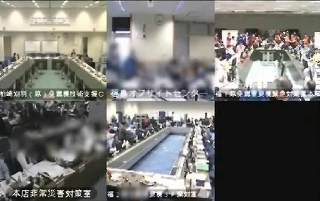
Images of the video conference between March 11 and 17, 2011. The bottom left image is the disaster relief headquarters of TEPCO and the top right is the emergency operation room of Fukushima Daiichi nuclear power plant.

Kadota: Right. I think Yoshida was the kind of man who never forgot the fundamental principles, whatever the situation. As a power supplier – a nuclear power supplier – the primary objective and fundamental principle is to protect the lives of the people. Yoshida was acting with that in mind.

Tahara: That poses a question. Neither Kan nor Edano could judge whether to continue injecting seawater or stop it, which couldn’t be entirely helped as they weren’t nuclear experts. However, that wasn’t the case for the management elites crammed into TEPCO’s the headquarters. Why did they give foolish orders such as “stop injecting seawater”?

Kadota: The TEPCO executives were people who attached more importance to directives from the prime minister’s office than to what they ought to do as a power supplier. In short, they were people without fundamental principles. Indeed, that type of behavior is probably all-too-common among management elites.

Tahara: But Yoshida himself was an executive officer, wasn’t he. Surely he was also one of the elite. Why was Yoshida the only one who could defy company orders and stick to his fundamental principles? I think that’s the most important point.

Kadota: For people, it is times of crisis that call into question the way we live. Wanting to know what kind of person Yoshida was, and also to indirectly persuade him to be interviewed, I visited his friends from his junior high and high school days. Yoshida was born in 1955 while I was born in 1958, so you could say we’re from the same generation, but to be frank, I think he was the kind of man who was incomparable in this day and age.

Tahara: What kind of man was he?

Kadota: Like Kensaku Morita, the actor and singer-turned-prefectural governor of Chiba Prefecture, from his junior high and high school days, it seems Yoshida was the type who would earnestly ask his friends, “How are you going to get on in life living like that?” At the same time, he had a very strong interest in matters such as life and death, religion and philosophy. All of his friends unanimously said that he had been a leader from way back. His wife also told me, “My husband had always been a pious man.” Even when dating in their younger days, when they went on a trip, time and time again Yoshida – who liked touring around temples and shrines – would apparently ask the chief priest to show him the Buddhist images that weren’t usually on display to the public. From his younger days, Yoshida read a wide range of religious texts, and his desk-side book was “Shobogenzo” (“Treasury of the Eye of the True Dharma”) by 13th century Zen Buddhism teacher Dogen. He even kept a copy of it in the Fukushima plant quake-proof master building.

I asked the workers who fought under Yoshida at the time of the incident how it would have played out if Yoshida hadn’t been plant manager of Fukushima Daiichi nuclear power plant at the time. With that, all of them answered, “Without Yoshida, we would have been lost,” or “With Yoshida as plant manager, we were prepared to die together.”

Tahara: Why did his workers trust him so much?

Kadota: That’s because Yoshida himself always trusted his workers. That attitude of mutual trust could also be seen in their behavior at the time of the incident. Apparently, when the workers returned to the plant for the perilous task of getting the situation under control, Yoshida shook each worker’s hand, one-by-one, and said, “I appreciate you coming back,” and thanked them for their efforts. Plus, as I mentioned earlier, he didn’t give up any ground in the face of unreasonable requests from the headquarters. Putting the mental states of Yoshida and his workers at the time of the incident into words is difficult, but there’s no question that both parties had a firm trusting relationship that allowed them think, “I’d be prepared to die with his person.”
The Stress of the Nation Standing at the “Abyss of Death”

In the afternoon of Saturday, March 12, an explosion occurred in the building housing Reactor 1, caused by the ignition of the hydrogen. The upper part of the building was destroyed. Monday around 11am, March 14, a similar explosion occurred in the Reactor 3 building, blowing off the roof. Finally, early morning on Tuesday the 15, an explosion took place in the Reactor 2 building. Part of the Reactor 4 building was damaged.
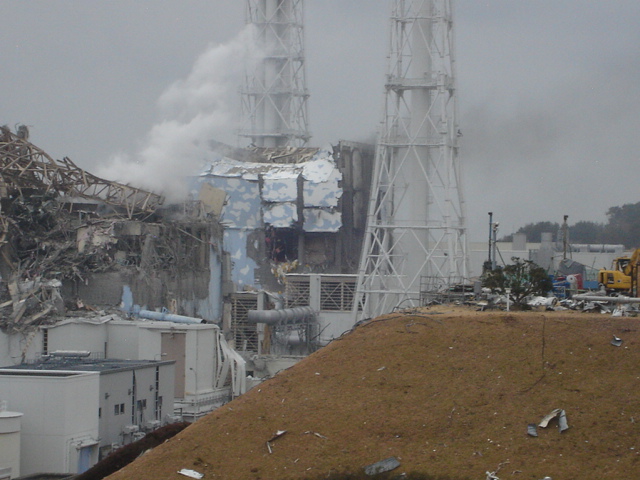
After the explosion on March 15, 2011 (Left building houses Reactor 3 and the center one houses Reactor 4.)

After the explosion on March 15, 2011 (Left building houses Reactor 3 and the center one houses Reactor 4.)

Tahara: I’d like to continue talking a little more about the time of the incident. Sometime after 5:30 on the morning of March 15, there was a scene at TEPCO the headquarters when Prime Minister Kan stormed in shouting, “There’s no way you can pull out!” Via video conferencing, those circumstances were seen by the people at Fukushima Daiichi, including Plant Manager Yoshida. What did you think about Kan’s behavior at that time?

Kadota: Firstly, I think there was a problem with the words used by Masataka Shimizu, who was TEPCO president and chief executive officer at the time. He said in a phone call to government ministers Kaieda and Edano, “Unit 2 is in a very grave situation. We’re considering pulling out should conditions get progressively worse.” He ought to have added the words, “However, personnel necessary for maintaining control will be exempt from the withdrawal” at the end of the statement. However, as he didn’t, the statement was reported to Prime Minister Kan as “We’re pulling everyone out.”

Tahara: After that, Prime Minister Kan summoned President Shimizu from TEPCO the headquarters to the prime minister’s office and grilled him directly about the withdrawal, didn’t he. Shimizu answered plainly that “We’re not thinking about pulling out,” so why didn’t Kan take that on board?

Kadota: By that time, Prime Minister Kan had already completely stopped believing what TEPCO was saying. I think he probably decided to march into TEPCO the headquarters when he heard reports of “withdrawal” from ministers Kaieda and Edano.

Tahara: Meanwhile, Yoshida and the plant workers battling at the site had no intention of withdrawing. How did they perceive the agitated figure of Prime Minister Kan?

Kadota: Later, after carefully watching the images that were made public, there was a scene where Yoshida, sitting in the director’s chair in the middle of the conference round table, turned his back on the video conference camera and stood up to tuck in the hem of his shirt. He maybe wanted to bare his bottom to the prime minister and say, “You idiots!” I say “maybe” because when I spoke to Yoshida himself about what he was doing at that time he didn’t remember anything about it. From right after the earthquake occurred, Yoshida had been directing proceedings without sleeping or taking a break. As a result, he lost a considerable part of his memories of that time.

Tahara: Around how many days did Yoshida stay awake?

Kadota: After the earthquake occurred on March 11, Yoshida stayed in the director’s chair in the quake-proof master building and didn’t sleep for the five days. He would have died if he hadn’t slept. What he did was reach an agreement with the headquarters that they wouldn’t contact each other for two hours or so unless there had been a change in the situation. Doing this allowed Yoshida to take brief naps, albeit just for an hour or 30 minutes.

Tahara: He did well to keep his spirits up.

Kadota: It must have been an extremely stressful situation. I called the book “The man who saw the abyss of death,” but it wasn’t just an abyss of death for Yoshida himself: he was standing at the abyss of death of the whole nation, so to speak. Every time a reactor was plunged into crisis, that stress cascaded over his body time and time again. That’s why I think Yoshida suffered from an illness that would be ultimately fatal.
What Would Have Happened Had It Not Been for Yoshida?

Tahara: Sadly, on July 9 this year, Yoshida passed away at the age of 58. On that occasion, newspapers and TV channels ran special features praising his deeds as Fukushima Daiichi plant manager. To round off our discussion, what do you think would have happened to Japan had it not been for Yoshida?
“10 times worse than Chernobyl”

Kadota: He said to me that the worst possible scenario would have been damage on a scale “10 times worse than Chernobyl.” Ten kilometers to the south of Fukushima Daiichi, which has six reactor units, is Fukushima Daini with four units, making 10 units in total. If controlling those 10 reactors hadn’t been possible – if the runaway reactions hadn’t been stopped – I think it would have formed a chain of calamities that really would have caused damage of that scale. Although we can’t simply compare Fukushima and Chernobyl, which involved a different type of reactor, from Yoshida’s words we can get a feel of the projected damage level that the people at the plant were fighting against.

When I spoke with Madarame about what Yoshida had said, he told me that if it hadn’t been possible to control Fukushima Daiichi and Daini, the Tokai Daini Nuclear Plant in Ibaraki Prefecture would have also been affected in addition to Fukushima. The resulting radiation fallout would have made eastern Japan uninhabitable. Japan would have been separated by three areas: uninhabitable eastern Japan, Hokkaido and western Japan. The fact that it didn’t turn out that way is, I think, the result of the struggles of Yoshida and all the people who risked their lives at the site. The late Masao Yoshida: the man who miraculously saved Japan. May you rest in peace.

Fukushima Nuclear Power Plant Decommissioning Project Study Facility
CategoriesAbout Japanese companies and Japanese business people, News, and 未分類
TagsFukushima Nuclear Disaster behind the storyMasao Yoshida

One thought on “The Man Who Saved the Country, Japan and the World”Pingback: Spotlight: Masao Yoshida — The Fukushima 50 Leader | Tokyo Weekender

Fukushima 50 (2020) Review | My Bloody Reviews

Fukushima 50 (2020) Review | My Bloody Reviews

FUKUSHIMA 50 (2020) REVIEW
Fukushima 50 (2020) Review

Ten years ago the world looked on, as Japan battled to avert a potentially world-changing catastrophe – when, following an earthquake and tsunami, a nuclear reactor started to leak. Hot on the heels of 2019’s acclaimed CHERNOBYL, comes another recreation of a truly chilling moment in history, when the fate of mankind seemed to hang in the balance – or rather, in the hands of the workers at the Japanese power plant, who became known as the ‘Fukushima 50’.

Based on the extraordinary, jaw-dropping book by Ryusho Kadota, On the Brink: The Inside Story of Fukushima Daiichi, the film, directed by Setsurô Wakamatsu (WHITEOUT), is the rival of any Hollywood disaster epic, but at its heart it is a moving and extremely timely human drama about people pulling together in a time of unprecedented crisis.

Ken Watanabe (INCEPTION, GODZILLA) stars as the head of the power plant who must act fast to prevent total destruction, and rally his workers to action while the higher-echelon bureaucrats fail to grasp the enormity of the situation. The film drives home the staggering impact of the incident on Japan, still being felt a decade later, but is a stark reminder that, had it not been for the titular 50, things could have turned out a lot, lot worse.

Being a huge fan of TV series CHERNOBYL (2019) I was expecting FUKUSHIMA 50 to be as gut-wrenching and horrific as that acclaimed, award-winning saga. Unfortunately the team behind FUKUSHIMA 50 have elected to depict such an appalling event in a rather mawkish, sentimental manner rather than opt for a gritty, no-holds-barred take on the catastrophe. Add to that flashbacks that add very little to proceedings and an unhealthy abundance of exposition and this is a league away from what it should have been.

This is a story about lives lost as a consequence of an earthquake, a tsunami and a nuclear reactor leak so director Setsurô Wakamatsu’s choice to present such horror in a TV-movie-of-the-week fashion simply didn’t work for me. I wanted to be left shaken, appalled and scarred by the experience. If anything it started to bore me and that’s a travesty given the magnitude and sadness of the true events it is depicting.

SEE THE OFFICIAL TRAILER HERE

Amazon.co.jp: 記者たちは海に向かった 津波と放射能と福島民友新聞 (角川文庫) 電子書籍: 門田 隆将: Kindleストア

Amazon.co.jp: 記者たちは海に向かった 津波と放射能と福島民友新聞 (角川文庫) 電子書籍: 門田 隆将: Kindleストア


기자들은 바다로 향했다 쓰나미와 방사능과 후쿠시마 민우 신문
몬다 류쇼 (저) 형식: 킨들 에디션


4.4 5성급 중 4.4 143개의 평가


2011년 3월 11일 한 신문 기자가 죽었다. 후쿠시마 민우 신문 기자, 구마타 유키생, 향년 24. 후쿠시마현 미나미소마시에서 쓰나미의 최전선에서 취재를 하고 있던 구마타 기자는, 자신의 생명과 갈등에 현지의 인간의 생명을 구했다. 그 죽음은 동료에게 충격을 주었다. 그것은 다른 기자들도 똑같이 해일을 찍기 위해 바다로 향하고, 생명의 위기에 빠져 있었기 때문이다. 그 중에는 눈앞에서 쓰나미에 삼키는 사람을 구할 수 없었던 기자도 있었다. 쿠마타 기자의 '죽음'은 살아남은 기자들에게 애처와 상처를 남겼다. 취재의 최전선에서 왜 기자는 죽었는가. 그리고 그 죽음은 왜 동료들에게 패배와 외상을 남겼는가. 비상용 발전기의 트러블로 신문을 발행할 수 없는 절벽에 세워져, 심지어 방사능 오염으로 지국도 판매점도 피난을 강요당한 후쿠시마 민우 신문을 무대로 펼쳐진 신문인들의 장절한 싸움. 「생명」이란 무엇인가, 「신문」이란 무엇인가,를 묻는 영혼이 떨리는 논픽션――.


상품 설명

내용(「BOOK」데이터베이스에서)
오쓰나미의 최전선에서 취재하고 있던 24세의 현지 종이 기자는, 왜 죽은 것인가. 그리고 그 죽음은 왜 동료들에게 패배와 외상을 남겼는가. 기자를 상했을 뿐만 아니라 신문 발행 자체의 위기에 빠진 '후쿠시마 민우신문'을 무대로 펼쳐진 장절한 집념과 갈등의 드라마. --이 텍스트는 kindle_edition 버전과 연관되어 있습니다.
저자 약력 ( "BOOK 저자 소개 정보"에서)
몬다/류쇼
1958(쇼와 33)년, 고치현 출생. 중앙 대학 법학부 졸업. 논픽션 작가로서 정치, 경제, 사법, 사건, 역사, 스포츠 등 폭넓은 분야에서 활약하고 있다. 『이 생명, 의에 바친다―대만을 구한 육군 중 마사모토 히로시의 기적』(카도카와 분고)에서 제19회 야마모토 칠평상 수상(본 데이터는 이 서적이 간행된 당시에 게재되고 있던 것 ) -이 텍스트는 kindle_edition 버전과 관련이 있습니다.

저자 정보
●몬다 류쇼:1958년(쇼와 33년), 고치현 태생. 중앙 대학 법학부 졸업. 논픽션 작가로서 정치, 경제, 사법, 사건, 역사, 스포츠 등 폭넓은 분야에서 활약. 『이 생명, 의에 바치는 대만을 구한 육군 중장근본박의 기적』(카도카와 분고)에서 제19회 야마모토 7평상 수상. 주요 저서에 『왜 너는 절망과 싸웠는지 한 남자 요시다 마사로와 후쿠시마 제일 원전의 500일」(PHP 연구소), 「기자들은 바다를 향했다 쓰나미와 방사능과 후쿠시마 민우 신문」(카도카와 서점) 등. --이 텍스트는 kindle_edition 버전과 연관되어 있습니다.
더 적은 읽기

등록정보
ASIN : B06WRXF4N8
출판사 : KADOKAWA (2017/2/25)
발매일 ‏ ‎ ‎ 2017/2/25
언어 ‏ : ‎일본어
파일 크기 ‏ ‎ ‎ 3027 KB
Text-to-Speech(텍스트 읽기 기능) ‏ ‎有効
X-Ray ‏ ‎ ‎Enabled
Word Wise ‏ : ‎활성화되지
스티커 메모 ‏ : ‎Kindle Scribe에서
책의 길이 ‏ ‎ ‎ 352 페이지아마존 세일즈 랭킹: - 123,285위 Kindle 스토어- 2,160위 논픽션 
최고 리뷰

상위 리뷰, 대상국가 : 일본


真之介 (Kindle 사용자)

VINE 회원
5성급 중 4.0 저널리즘의 소중함, 소중함은 전해진다.2020년 6월 11일에 확인됨
아마존에서 구매
영화의 '클라이머즈 하이'를 TV에서 보았을 때 신문 기자들이 사고 이외의 곳에서 '힘들다! 힘들다! 」라고 화내거나, 싸우거나 하는 부분이 전혀 이해도 공감도 할 수 없었다.
이 책을 읽고 신문업계 사람들이 신문을 만드는 열정이라든지 프라이드(지령을 끊지 말아야 하는 등등)라는 것을 이해할 수 있었다.
본서의 주인공들이 만드는 후쿠시마 민우신문은, 무려 동일본 대지진의 다음날 3월 12일에 신문을 택배한 운운들.
확실히 굉장한 일이며, 신문 기자나 편집자의 고투 타마노라는 이야기이다.

그러나, 그러나이다.
한 걸음 당겨 대국적인 관점에서 보면 종이 신문지를 인쇄해 택배한다는 사업은 재해 피해자에게 정보를 제공하는 목적이 되면 전혀 적합하지 않고 전혀 불리하다.
신문지를 만드는 사람, 배달하는 사람도 피해를 받고 있다면 더욱 좋다.
신문지라는 종이 미디어의 한계를 이렇게 정열을 담아 알기 쉽게 표현해 버리고 있는 것은 왠지 아이러니한 이야기이다.
본서는, 후쿠시마가 현지의 신문 기자로부터 본 원전 사고, 쓰나미 재해의 생생한 기록이 메인이지만.

진지한 저널리즘은 계속 살아야 하지만 석탄산업과 증기기관이 사라진 것처럼 종이에 인쇄하는 신문지라는 미디어도 사라져가는 운명일 것이다.
후쿠시마 민우의 신문 기자와 같은 사람들은 꼭 살아 남길 바란다.

3명의 고객이 이것이 도움이 되었다고 생각합니다.
유용한보고서

Amazon 고객

5성급 중 5.0 광경이 눈에 띄어 알기 쉬웠다2021년 5월 25일에 확인됨
아마존에서 구매
광경이 눈에 띄며 전해지기 쉽게 생각하게 되었다.

유용한보고서

아몬

5성급 중 5.0 그날 후쿠시마를 덮친 비극과 사람들의 깊은 슬픔을 알기 위해2020년 1월 31일에 확인됨
아마존에서 구매
'3.11을 잊지 않는다'는 문구를 자주 듣는다.
그렇게 말하면 「잊을까, 그런 대재해를」라고 그만 되돌아보고 싶어진다.
그러나, 엄밀하게는 그 당시의 심경이나 기억이, 조금씩 풍화하고 있는 것 같은 생각이 정직하지 않아도 없다
.
게다가 후쿠시마현에 관해서는, 오쓰나미 직후에 일어난 후쿠시마 제일 원전의 사고에 의해, 대부분
방사능 일변도한 이야기 ​​밖에 표에 나오지 않게 되었다.
그러나 후쿠시마현도 다른 동북지역과 마찬가지로 대지진과 오쓰나미로 엄청난 피해를 받고 있다.
이 책에서는, 후쿠시마현이 입은 대지진과 오쓰나미에 의한 피해를, 위험에도 불구하고 최전선에서 취재에 향한 기자들의 눈(증언)이나 종이 일중으로 명습한 사람들의 증언을 통해서
,
그 엄청난 피해를 현장감과 직시하기 어려운 사실이라서, 읽는 사람 모두에게 실감할 수 있는 것이 되고 있다
.
게다가 그런 미소유의 대재해 속에서도 자신의 일과 사명을 완수하려고 하는 사람들의 그 행동과 마음 속도 적혀 있다
.
그리고 원전 사고에 있어서는 단지 악당으로서 매달아 올려지는 동전의 사람들 중에도, 후쿠시마현에서 가족이 생명을 떨어뜨리거나, 장기간에 걸친 현지와의 친교가 있던 사실을 적어, 현지 사람들에
대한
깊은 깊은 愚愧의 생각과, 어쩔 수 없는 슬픔에 얽매여 있었다는
것을 밝힌다. 그들도 그냥 사과했던 것은 아니다.
여기서 다시 "3.11을 잊지 않는다"는 것은 무엇인가? 라고 생각한다.
그것은 단지 "대지진과 오쓰나미가 있었고 원전이 폭발했다"는 것을 기억한다.
그냥 무의미하고, 그 전례없는 규모의 재해로 인해 생긴 비극에 직면하지만, 거기에 멈추지 않고 울면서도 앞으로 걸음을 걷는 사람들이, 지금도 있는 것을 자신들은 잊지
말아야
한다 라고 강하게 깨달았다. 그리고 그 사람들은
결코 특별한 존재가 아니라 내일의 자신일지도 모른다는 것도 잊지 말아야 한다.
마지막으로 여담. 후쿠시마 민우 신문 본사의 전원 상실의 엄선은, 비상시의 전원 확보에 관해서
매우 참고가 된다고 생각합니다.

9명의 고객이 이것이 도움이 되었다고 생각합니다.
유용한보고서

Kindle 고객 hiro

5성급 중 5.0 기자로서, 사람으로서, 빠듯한 한계 때의 생활2020년 8월 27일에 확인됨
아마존에서 구매
동일본 대지진 때를 신문 기자들, 신문 배달 분들, 현지 주민, 그리고 친교가 있던 동전 분들의 모습을 가능한 한 전하려고 했던 화생과 죽음을 나누는 순간이 리얼하게
찌르는
표현 에 절대로 잊지 말라 다시 마음에 맹세했습니다.
그리고 정보의 중요성을 실감했습니다.
전원, 전파가 없는 상태에서의 대책, 이동 수단 등.
천재 재해가 많은 일본에서 사는 우리가 배워야 할 교훈이 가득합니다.
많은 분들에게 자신이라면 바꾸어 읽어 주셨으면합니다.
그리고 희생당한 분들의 명복을 진심으로 기도함과 동시에
유족 분들이 슬픔 속에서 생명을 이어 살아가는 것을 강하게 바란다.

유용한보고서

Amazon 고객

5성급 중 5.0 잊지 않기 위해2020년 2월 5일에 확인됨
아마존에서 구매
"죽음의 연기를 본 남자"에 이어 읽었습니다.
정서적인 묘사가, 왠지 받아들일 수 없는 자신도 있습니다만, 그 때를 잊지 않기 위해서, 마치 9년이 되려고 하고 있는 지금, 겨우 후쿠시마의 재해지의 일에 눈을 돌릴 수 있었습니다.
원자력 발전 사고 중 원전에서 사람들의 현실, 원자력 발전소 주변 신문 기자의 관점에서 현실.
거기에 생활을 하고 있던 분들의 현실에 다음은 제대로 마주보고 싶습니다.
고마워요.

8명의 고객이 이것이 도움이 되었다고 생각합니다.
유용한보고서

minmin3333

5성급 중 5.0 제목에 끌려, 카타다 타카마사가 무엇을 쓰고 싶었는지? 라고 읽어 보았습니다.2018년 8월 17일에 확인됨
아마존에서 구매
이렇게도 지방신문의 기자는 필연적으로 일을 하고 있는가. . 라고 생각했습니다. 공동 통신에서 높은 금액을 지불하고 기사를 사고 있다고 생각했기 때문에. . . .
"쓰나미를의 사진을 찍으러 간다.." 생명이 아닌가. .
파도는 어떻게 움직일지 상상도 못한다. 배는 1m의 물결로 되풀이한다고 듣고 있다.
또한,
원전 폭발. .
나는 기후현, 형제는 도쿄. 도쿄에서도, 원전의 방사능으로, 큰 소란이었던 것 같다.
죽음을 각오한 일이군요.
역시 도호쿠인은 강한구나~.

읽어 보았습니다.

8명의 고객이 이것이 도움이 되었다고 생각합니다.
유용한보고서

유케이

5성급 중 4.0 3년이 지난 지금도 읽어야 할 가치가 있는 논픽션2014년 5월 22일에 확인됨
아마존에서 구매
 동일본 대지진 시 쓰나미로 사망한 후쿠시마 민유신문의 젊은 기자와 그 동료들을 비롯한 많은 관계자의 행동을 정성껏 쫓아 그 후 마음의 갈등을 그려내는 박진의 논픽션이다. 군상이라고도 할 수 있는 많은 관계자에의 취재를 정성껏 정리한 작자의 집념과 역량에 앞서는 경의를 나타내고 싶다.

 개인적으로는 신문사의 「지령」이 중단되는 것이, 그 미증유의 대지진을 앞두고 그만큼 심각한 문제인가, 「회사」의 위기 의식과 「사회」의 위기를 혼동하고 있다 아닐까, 라고 하는 의문이 머리를 떠나지 않았다. 그러나 그것은 물론 저자의 책임이 아니다. 그 근처의 경과를 쫓는 붓의 선명도 훌륭했다고 생각한다.

 그러나 이 책이 사람의 마음을 흔드는 힘을 가지고 있는 것은 역시 개별 인간의 행동과 심리를 정성껏 쫓고 있는 곳에 있다고 생각한다.

 메인 테마가 되는 사람을 도와 스스로의 목숨을 잃은 기자 쿠마타씨의 죽음도 물론 힘들지만, 카메라에 신경을 쓰지 않으면 눈앞에서 쓰나미에 흘러간 두 사람을 도울 수 있었다 아니었는지 계속 회개하는 기구치씨의 외상도 매우 힘들다.

 미소유의 재해에 휘말려, 그것에 맞서는 이름도 없는 사람들의 기록으로서 읽어야 할 가치가 있는 책이다.

10명의 고객이 이것이 도움이 되었다고 생각합니다.
유용한보고서

시각스

5성급 중 4.0 다소 정서적일까.2014년 5월 2일에 확인됨
아마존에서 구매
요시다 소장의 책도 읽었습니다.
이 책도 단번에 읽을 만큼의 힘은 있었지만, 신문, 지방지, 보도를 고집해, 재해지의 사람의 체험을 좋은 곳까지 놓고 있는데 희미하고 있는 느낌입니다
.
저는 피해자 중 한 명으로서 재해 체험을 아직 언어화할 수 없습니다.
너무 빠른 언어화가 가져오는 위화감일지도 모릅니다.
기자의 명복을 기원합니다.

4명의 고객이 이것이 도움이 되었다고 생각합니다.
유용한보고서

Amazon.co.jp: 汝、ふたつの故国に殉ず 台湾で「英雄」となったある日本人の物語 (角川文庫) 電子書籍: 門田 隆将: Kindleストア

Amazon.co.jp: 汝、ふたつの故国に殉ず 台湾で「英雄」となったある日本人の物語 (角川文庫) 電子書籍: 門田 隆将: Kindleストア


샘플 읽기

저자를 팔로우

몬다 류쇼
팔로우


여의, 두 고국에 순종 대만에서 "영웅"이 된 한 일본인의 이야기 (카도카와 분고) Kindle판
몬다 류쇼 (저) 형식: 킨들 에디션


4.5 5성급 중 4.5 214개의 평가


모든 형식과 버전 보기


Kindle판 (전자 서적) ¥871 획득 포인트: 9pt

지금 읽을 수 있습니다 : 무료 앱
단행본
¥389부터
그 외의 옵션은¥389 부터
문고
¥218부터
기타 옵션은 218엔 ~


대만에서 그 내일이 「정의와 용기의 날」에 제정된 일본인이 있었다――. 일본과 대만의 유대를 나타내는 '영웅'이 걸어온 고난과 감동의 이야기. 사상 최초의 ‘일대’ 동시 발매 논픽션

! 대만의 치안 유지와 발전에 다하기 위해서다. 이윽고 대만여성과 가정을 쌓은 그는 나중에 '영웅'이라는 소년을 낳았다. 그러나 전후 대만의 비극은 일가를 동란에 휘말려 간다. 일본과 대만의 “정”을 나타내는 “5대 120년”에 걸친 장대한 일족의 이야기――.

「나에게는 야마토혼의 피가 흐르고 있다」 「대만인, 만세!」. 대만 최대의 비극이 된 1947년의 '228사건'에서 그렇게 외쳐 영원한 잠에 붙은 영웅이 있었다. 사카이 덕장 변호사(대만명·유덕장)이다. 아버지는 일본인, 어머니는 대만인으로, 태어나면서 일본과 대만의 “정”을 나타내는 인물이다. 아버지를 일찍 죽은 덕장은 빈곤 속 신산을 핥으면서 공부에 힘쓰고 마침내 당시 최난관국가시험인 고등문관사법과와 행정과 시험에 모두 합격한다.

제도·도쿄에서 고향·타이난으로 돌아가 대만인의 인권 확립을 위해 활동하는 가운데 덕장은 국민당 정부의 '228사건' 탄압에서 타이난 시민을 구하기 위해 분주한다. 스스로의 몸을 희생하면서 많은 시민을 도운 덕장은 50년 후에 희미하게 '부활'한다. 고난의 길을 걸은 대만과, 왜 지금도 대만인이 일본과 일본인을 이렇게 사랑해 주는지, 그 근원을 밝힌 감동의 역사 논픽션――.
더 적은 읽기


책의 길이

378화
언어

일본어
스티커 메모

Kindle Scribe에서
출판사

KADOKAWA
발매일

2020년 2월 21일
파일 크기

7716KB


다음 페이지


판매: Amazon Services International, Inc.
사용 가능한 터미널


상품 설명

내용(「BOOK」데이터베이스에서)
1895년, 한 젊은이가 고향·구마모토를 뒤로 했다. 대만의 치안 유지와 발전에 다하기 위해서다. 이윽고 대만여성과 가정을 쌓은 그는 나중에 '영웅'이라는 소년을 낳았다. 그러나 전후 대만의 비극은 일가를 동란에 휘말려 간다. 반세기에 이르는 통치 시대부터 현재까지 이어지는 일본과 대만의 '인연'. 그 「정」 그 자체라고도 말해야 할 인물·사카이 토쿠쇼의 신념과 생명을 밝힌 감동의 역사 논픽션. --이 텍스트는 kindle_edition 버전과 연관되어 있습니다.
저자 약력 ( "BOOK 저자 소개 정보"에서)
몬다/류쇼
1958년, 고치현 출생. 중앙 대학 법학부 졸업. 전쟁, 사건, 사법, 스포츠 등 폭넓은 장르로 논픽션을 집필. "이 생명, 의에 바치는 대만을 구한 육군 나카네 모토 히로시의 기적"(카도카와 분고)에서 야마모토 칠평상 수상 이 텍스트는 kindle_edition 버전과 연관되어 있습니다.
계속 읽기

등록정보
ASIN : B084VF6GY9
출판사 : KADOKAWA (2020/2/21)
출시일 : ‎ ‎2020/2/21
언어 ‏ : ‎일본어
파일 크기 ‏ : ‎ 7716 KB
Text-to-Speech(텍스트 읽기 기능) ‏ ‎有効
X-Ray ‏ ‎ ‎Enabled
Word Wise ‏ : ‎활성화되지
스티커 메모 ‏ : ‎Kindle Scribe에서
책의 길이 ‏ ‎ ‎ 378 페이지아마존 세일즈 랭킹: - 124,769위 Kindle 스토어- 2,198위 논픽션 (Kindle 스토어)
- 4,145위 카도카와 분고
- 28,930위 논픽션 (책)고객 리뷰:
4.5 5성급 중 4.5 214개의 평가


최고 리뷰

상위 리뷰, 대상국가 : 일본


비트 아카기

5성급 중 5.0 대만에 가고 싶다2021년 12월 16일에 확인됨
아마존에서 구매
불각도 울어 버렸습니다.
대만 만세의 말이 여전히 머리에 남아 있습니다.
몬다씨의 논픽션은 다른 작가와 달리 분명히 진실성이 높네요.
이유는 간단합니다.
반드시 증언자가 있는 것입니다. 난 반드시 대만에 가서 유토쿠쇼 기념 공원에 가서

두 고객이 이것이 도움이 되었다고 생각합니다.
유용한보고서

Amazon 고객

5성급 중 5.0 할양한 대만의 역사를 알고 왜 일본인을 좋아해 줄지 이해할 수 있었습니다2022년 1월 5일에 확인됨
아마존에서 구매

두 개의 조국을 가지고 노력을 쌓아 지금은 이제 잊혀지고 있는 일본인으로서의 자랑을 가지고 정치에 농락된 유토쿠 쇼씨의 인생은 눈물이 나와 깊게 생각하게 했습니다. 전후 70년이 지나 아버지가 할 수 없었던 조상님의 묘참이 되어 정말 좋았습니다. 사카이 토쿠조씨가 일본의 호적을 소중히 하고 놓은 것을 알고 장대한 사랑을 알고 또 울었습니다.

4명의 고객이 이것이 도움이 되었다고 생각합니다.
유용한보고서

노프로에노게인

5성급 중 5.0 열심히 읽었습니다.2021년 8월 29일에 확인됨
아마존에서 구매

처형되는 장면에서는 무심코 울 것 같았습니다. 이렇게 고결하고 훌륭한 사람이 있었는지. 이런 사람에게 지금의 대만은 지지되어 왔다고·그리고, 마지막의 외친 야마토혼, 지금의 일본인에게는 잊혀지려 하고 있는 기개, 복잡한 심경입니다만, 매우 좋은 책이었습니다 . 몬다 씨 고맙습니다.

3명의 고객이 이것이 도움이 되었다고 생각합니다.
유용한보고서

로사

5성급 중 4.0 대만에 대해 우리는 너무 알지 못합니다.2020년 4월 16일에 확인됨
아마존에서 구매
한때 일본의 영토였던 대만.
그리고 거기에 예수 그리스도와 같은 숭고한 한 남자가 있었다.
혼자서도 많은 일본인이 읽어야 할 책, 알아야 할 역사, 라는 생각에 쳐졌습니다.

6명의 고객이 이것이 도움이 되었다고 생각합니다.
유용한보고서

신호리 달장

5성급 중 5.0 여의, 두 고국에 순종2021년 7월 28일에 확인됨
아마존에서 구매

유석은 류쇼씨! 현장에 숨쉬는 것을 밀착 취재, 제대로 다루어져, 짧지도 않고 너무 길지도 않고 내용이 제대로 진한 작품으로 완성되고 있다고 느끼고, 자신도 그 자리에 서 있는 것 같은 착각을 느낄 수 있었습니다 했다!

한 고객이 이것이 도움이 되었다고 생각합니다.
유용한보고서

마사다 노부히코

5성급 중 5.0 엄청난 정직과 신념을 가진 일본인과 대만인의 자부심 사카이 (유) 덕장 선생님의 삶과 죽음2020년 6월 27일에 확인됨
아마존에서 구매
 대만이 일본령이었던 시대에 일본인이기도 하고 대만인이자 경찰관으로부터 힘든 노력으로 변호사가 되어 대만 사람들을 지키기 위해 필사적인 활동을 하고 마지막은 2.28 사건으로 , 동포의 생명을 구하기 위해 고문을 견디고 처형되어 죽은 영웅 사카이 토쿠쇼 선생님을 중심으로 한, 현대까지 계속되고 있는 전후 5세대에 걸친 이야기입니다.
 독서는 서투르지만 매우 읽기 쉬웠습니다.

불과 40세에 사망하게 된 선생님의 삶과 자랑스러운 마지막에는 그냥 머리가 내려갈 생각입니다.
또 덕장 선생님의 할아버지부터 현재 생명의 자손까지, 정말로 가족을 배려하는 훌륭한 분들이라고 생각했습니다.

 사진으로부터 배견하는 덕장 선생님의 얼굴도 훌륭하다고 생각했습니다. 현대인에게 흔한 악이나 버릇이 전혀 없어서 눈은 자애에 넘치는 것과 동시에 진실을 간파하는 날카로움을 겸비하고 계시는 것처럼 느꼈습니다.
 이런 위대한 쪽이 불과 40세에 사망하게 된다고는··. 무의미하게 나이를 쌓아가는 자신이 치아가 가고 뭔가 자신도 하지 않으면 생각합니다.

또, 일본 통치 시대의 대만의 모습이나 경위도 다시 꽤 공부가 되었습니다. 대만 사람들에게 좋은 면뿐 아니라 황민화 정책 등 당시의 사실을 객관적으로 공평하게 기록되어 있다고 생각했습니다. 
일본이 패전 후에 대만을 지배한 당시의 국민당이 얼마나 원시적이고 잔학했는지, 2·28 사건 이후, 얼마나 많은 사람이 학살되어, 대만의 불행한 시대일지도 알아봅니다. 그것이 반대로, 지금도 일본을 사랑해 주시는 것에도 연결되어 있을지도 모른다고 생각했습니다.

 몬다 타카마사 선생님은 언제나 문화인 방송국등에서 배청하고 있어, 본서는 후쿠시마 피프티를 부른 후 곧바로 샀습니다. 이런 멋진 일본인이 꼭 알아야 할 마음의 위인을 세상에 내 주셔서 정말 고맙습니다.   

8명의 고객이 이것이 도움이 되었다고 생각합니다.
유용한보고서

쇼핑 좋아

5성급 중 5.0 좋았어2020년 7월 14일에 확인됨
아마존에서 구매
언제나 가는 나가모리 범포 행 씨 근처의 고환내의 공원이, 유토쿠장 기념 공원이라고 하는 것은 알고 있었습니다만, 자세한 것은 몰랐습니다. 이 공원에서 유토쿠 쵸씨가 총살되는 장면을 재현한 동영상이 인터넷에서 흘러나와 그것을 보고 이래 책을 읽고 싶어서 구입했습니다. 읽는 것이 좋았습니다.
그리고, 알고 있는 지명이 많이 나오고, 정경이 떠오르는 것 같았습니다.

두 고객이 이것이 도움이 되었다고 생각합니다.
유용한보고서

야마모토 야스히로

5성급 중 4.0 대만인 영웅2018년 11월 20일에 확인함
아마존에서 구매

그 자신은 대만인으로서 살고, 죽었지만, 그 몸의 안쪽에 일본인, 규슈인의 피를 가진다. 삶에 감동했다.

유용한보고서

Amazon.co.jp: この命、義に捧ぐ 台湾を救った陸軍中将根本博の奇跡 (角川文庫) 電子書籍: 門田 隆将: Kindleストア

Amazon.co.jp: この命、義に捧ぐ 台湾を救った陸軍中将根本博の奇跡 (角川文庫) 電子書籍: 門田 隆将: Kindleストア


이 이미지 표시


저자를 팔로우
몬다 류쇼
팔로우


이 생명, 의에 바치는 대만을 구한 육군 나카네모토 히로시의 기적 (카도카와 문고) 문고 – 2013/10/25
몬다 류쇼 (저)
4.5 5성급 중 4.5 1,199개의 평가


Kindle 버전(전자책) ¥673 get 포인트: 7pt

지금 읽을 수 있습니다 : 무료 앱
단행본 ¥1,899 적립 포인트: 19pt


60년의 세월을 거쳐 지금, 밝혀지는 일본인 사령관의 알려지지 않은 생애.

중국 국민당과 모택동이 이끄는 공산당과의 '국공내전'. 금문도까지 몰린 장개석을 돕기 위해 바다를 건너 일본인이 있었다. 대만을 구한 육군 중장의 기적을 추적한 논픽션. 제19회 야마모토 칠평상 수상.


책의 길이

402화
언어

일본어
출판사

KADOKAWA
발매일

2013/10/25
치수

이전 페이지
일본과 중국의 우호침략의 역사
몬다 류쇼
5성급 중 4.6 442
단행본
¥1,707¥1,707
남은 1점 주문은 서둘러
일본, 하루카 에르투르루의 「기적」과 일본인 구출의 「미주」
몬다 류쇼
5성급 중 4.6 235
단행본
50개 상품: ¥8 부터
육군 중장
히구치 류이치
5성급 중 4.8 96
단행본
32개 상품:¥4,109 부터
왜 너는 절망과 싸웠을까
몬다 류쇼
5성급 중 4.5 279
단행본
¥1,303¥1,303
13pt (1%)
남은 1점 주문은 서둘러
<복각 신판> 육군 중장 히구치 시이치로의 회상록
히구치 시이치로
5성급 중 4.8 18
단행본
18개 상품:¥4,800 부터
의혹의 작가 「몬다 류쇼」와 몬와키
야나기하라 시게오
5성급 중 4.3 66
단행본(소프트 커버)
¥859¥859
9pt (1%)
남은 1점 주문은 서둘러
전염병 2020
몬다 류쇼
5성급 중 4.4 1,301
단행본
¥909¥909
9pt (1%)
남은 1점 주문은 서둘러
다음 페이지


상품 설명

내용(「BOOK」데이터베이스에서)
재류방인 4만명, 무사 일본으로 귀환! 그 은의를 돌려주기 위해, 장군은, 어선으로 대만으로 향했다… 60년의 세월을 거쳐 지금, 밝혀지는 일본인 사령관의 알려지지 않은 생애.
저자 약력 ( "BOOK 저자 소개 정보"에서)
몬다/류쇼
1958년, 고치현 출생. 중앙 대학 법학부 졸업. 잡지 미디어를 중심으로 정치, 경제, 사법, 사건, 역사, 스포츠 등의 폭넓은 장르에서 활약하고 있다(본 데이터는 이 책이 간행된 당시에 게재되고 있던 것입니다)


등록정보
출판사 : KADOKAWA (2013/10/25)
발매일 ‏ ‎ ‎ 2013/10/25
언어 ‏ : ‎일본어
문고 ‏ : ‎ 402 페이지
ISBN-10 : 4041010357
ISBN-13 : 978-4041010358
크기 : 10.8 x 1.6 x 14.9 cmAmazon 판매자 순위: - 53,897 책- 44위 쇼와·헤이세이
- 369위 자전·전기
- 769위 일본사 일반 책고객 리뷰:
4.5 5성급 중 4.5 1,199개의 평가


본 상품을 본 후 고객이 구입한 상품


최고의 평가 | 최저 가격이 상품 세트내일본과 중국의 우호침략의 역사
몬다 류쇼
5성급 중 4.6 442
단행본
¥1,707¥1,707
남은 1점 주문은 서둘러
대상 상품:이 생명, 의에 바치는 대만을 구한 육군 중장근본박의 기적 (뿔…
몬다 류쇼
5성급 중 4.5 1,199
문고
30개 상품:¥131 부터


저자 정보
저자를 팔로우하여 신작 업데이트 및 개선된 추천을 받으세요.

팔로우
몬다 류쇼


저자의 책을 더 발견하고, 비슷한 저자를 찾고, 저자의 블로그를 읽으십시오.


이 상품과 관련된 상품
스폰서
페이지: ページ: 11 / / 2페이지: 1 / 2
前のページの関連のスポンサー商品

男一匹、負けたらあかん

越智 直正
4
単行本


栄光と落城―城から見た幕末・維新史

鞍掛 伍郎
3
単行本(ソフトカバー)


中国美女の正体 (フォレスト2545新書)

宮脇淳子
80
新書


文字の大陸 汚穢の都―明治人清国見聞録

草森 紳一
1
単行本


西部邁

渡辺望
8
単行本


死体解剖有資格者: 法人類学者が見た生と死との距離

スー・ブラック
4
単行本

新刊
韓国の「反日歴史認識」はどのように生まれたか: 終戦から朝鮮戦争までの南朝鮮・韓国紙か…

荒木 信子
単行本

次のページの関連のスポンサー商品


スポンサー


Amazon での本の買いやすさを評価してください?


非常に不満
普通
満足


カスタマーレビュー
5つ星のうち4.5
4.5/5
1,199 件のグローバル評価


星5つ 70%
星4つ 19%
星3つ 7%
별 2개 2%
별 하나 삼%

평가는 어떻게 계산됩니까?

이 상품 리뷰
다른 고객에게도 의견을 전달합시다.
고객 리뷰 작성

스폰서


이미지가 있는 리뷰

고객의 모든 이미지 보기

걱정되는 주제에 대한 리뷰를 읽으십시오.
루트 중장 화교 무장해제 국공 내전 몬다씨 중장 처음 알았어 네모토 씨 은혜에 보답했다. 군사고문 생각하게 해 대만을 구했다 중국 본토 시베리아 억류 방면총사령 종전 직후 읽고 싶다 아카시 모토지로 역사에 묻힌 모토보 아미

최고 리뷰

상위 리뷰, 대상국가 : 일본

모든 리뷰를 일본어로 번역

야마시

5성급 중 4.0 의로운2023년 6월 13일에 확인됨
아마존에서 구매
제2차 대전 후, 장개석 대만 국부군을 지원 격동으로부터 드디어

찾아온 평온한 날들

「귀하의 좋아하는 『사람 도움』을 시켜 준 이 나에게 감사하라」니배도 세상에는 아는 사람에게

알고 받을 수 있으면

등 ^^


유용한보고서


Amazon 고객

5성급 중 5.0 좋은2023년 3월 16일에 확인됨
아마존에서 구매
좋은

유용한보고서
리뷰를 일본어로 번역

Amazon 고객

5성급 중 5.0 가슴의 잡기가 가벼워졌습니다.2023년 3월 9일에 확인됨
아마존에서 구매
육대출의 좌관 이상의 분은, 편협한 쪽이 많다고 생각했습니다만, 재류방인과 병사를 구해, 한층 더 의례에 보답한 장군이 있었던 것에 안도했습니다.

유용한보고서

키쿠탄

5성급 중 5.0 의와 정과 용, 지금 일본에 원하는 사람2023년 1월 1일에 확인됨
아마존에서 구매

본서의 주제와는 별도로, 주인공이 되는 근본 중장은, 내몽고의 장가구치 지역의 마루이치 진지에서의 사투, 능숙한 정전 교섭의 현수, 뛰어난 부하들과의 거류민 4만명 구출극 등으로 넓게 알려진다. 이 시종도 제2장에 추가되어 있다. 또 일본군 장병 65만 명의 귀국도 성공시켰다. 이 뒤에 장개석의 배려가 있었던 것에 중장은 두껍게 은의를 느끼고 있었다. 중국 대륙에서의 국공 내전에서, 국부군은 중공군에 패배해 남방으로 몰려들어 깃털이 막힌 상태가 되었을 때, 중장은, 받은 은의에 보답하기 때문에 26톤의 외양선에는 적합하지 않다 배를 일본 점령하의 GHQ 감시를 뚫고 국부군 원조를 위해 대만으로 향한다. 어제의 적은 오늘의 친구로서 상호의 정의를 나누고 의에 생명을 바치는 사람의 삶에 공감해야 할 마음이 솟아난다. 좋은 자료로 읽기 쉽게 구성한 호저이다.

4명의 고객이 이것이 도움이 되었다고 생각합니다.
유용한보고서

신씨

5성급 중 4.0 몰랐다2022년 10월 20일에 확인됨
아마존에서 구매

이런 사람을 역사에 묻힌 사람이라고 하는 것입니다. 공부가 되었습니다.

3명의 고객이 이것이 도움이 되었다고 생각합니다.
유용한보고서

고전승

5성급 중 5.0 젊은이들도 읽고 받고 싶다.2022년 9월 19일에 확인됨
아마존에서 구매

중국의 대만 진공은 반드시 일어난다. 러시아 우크라이나 진행이 성공하지 못하면 시기가 늘어납니다.

3명의 고객이 이것이 도움이 되었다고 생각합니다.
유용한보고서

도바 노부유키

5성급 중 5.0 일본인으로 좋았습니다.2022년 7월 24일에 확인됨
아마존에서 구매
일본인으로서는 선두의 마음이 고맙습니다.

두 고객이 이것이 도움이 되었다고 생각합니다.
유용한보고서

사이토

5성급 중 5.0 한중 한2022년 4월 4일에 확인됨
아마존에서 구매
영화화하고 싶다.

두 고객이 이것이 도움이 되었다고 생각합니다.
유용한보고서