Pachinko by Min Jin Lee — everyday heroes
History never feels spoon-fed in this immigrant saga about a Korean family over four generations
Korean fishermen, c1910s
FEBRUARY 25, 2017 Arifa Akbar 1 comments
It took the Korean-American writer Min Jin Lee almost 30 years to bring Pachinko to life. The idea to write about the Korean immigrant experience in Japan first came to her in 1989. Lee did her research, and even completed a draft, before turning instead to the experience of Korean immigrants in America in her celebrated debut, Free Food for Millionaires (2007).
She returned to the project over the years but, as she says in the book’s acknowledgments, “it did not feel right”.
After such a long gestation, the finished product — a doorstop historical saga that spans four generations of one family — wears its labours lightly.
The story begins with, and always returns to, the life of Sunja, the adored only daughter of a Korean couple from a fishing village. We follow her from an early failed love affair to her marriage to Isak, a Christian pastor, and their journey from occupied Korea to Osaka, Japan, where they meet the full force of colonial prejudice. As one character tells Isak: “No one will rent to the Koreans. As pastor, you’ll get a chance to see how the Koreans live here. You can’t imagine: a dozen in a room that should be for two, men and families sleeping in shifts. Pigs and chickens inside homes. No running water. No heat. The Japanese think Koreans are filthy . . . ”
The story that follows is a deeply wrenching one of migration, circling around themes of in-between identities, belonging and acceptance. The latter is never granted for Sunja’s family: the Korean in Japan remains a perpetual outsider in Pachinko.
Personal stories coalesce with national histories. We are shown the effects of Japan’s occupation of Korea (which began in 1910) through Sunja’s experiences, and the after-effects of the bombing of Nagasaki in 1945 via her brother-in-law’s horrifying injuries, and so on until 1989. We never feel history being spoon-fed to us: it is wholly absorbed into character and story, which is no mean feat for a novel covering almost a century of history.
Family members endure homelessness, poverty, disease, suicide, sudden death and imprisonment without trial, among other ordeals. Their suffering marks them indelibly but their status as victims is mitigated by a resourceful, everyday heroism.
Lee’s exploration of the immigrant experience highlights different kinds of trauma, including that which is passed down the generations — from Sunja to her sons, Noa and Mozasu, and grandson, Solomon. While Mozasu rebels against the expectation to be a pliant, obedient “good Korean”, Noa lives behind a carefully composed façade of “Japaneseness” to survive in his hostile environment.
Solomon, meanwhile, is distanced from anti-Korean prejudice by his father’s wealth and an American education, but despite his privilege he must still negotiate questions of identity.
Lee’s portrait of an immigrant who begins with nothing but thrives against all the odds is at once particular and universal. The arc of Sunja’s journey is not unlike that traced by Sunjeev Sahota in his Man Booker-nominated The Year of the Runaways (2015), which tells the story of Indian immigrants to Britain who survive abject beginnings to eventually live in relative comfort.
When Sunja looks back at her life, she is almost unable to draw a line from her early poverty to her eventual wealth (both her sons make their fortunes through running the titular “pachinko”, a type of Japanese pinball bar).
Pachinko tells many people’s stories and deftly brings its large ensemble of characters alive. Occasionally the plot is jarred by too-neat twists, such as the convenient return of Sunja’s lover, announced on the same page as the death of her husband. The biggest off-note, though, is Lee’s treatment of Noa, who is abruptly discarded in a sudden death, his children’s stories left dangling. His is one of many untimely deaths of fathers and mothers: there is no nuclear family in Lee’s world, and a recurrence of dead spouses and single parents. It seems as if the novelist is showing us how migration can fracture a family far beyond a single generation.
Despite the many tragedies, romance and love still flourish in Pachinko, and surrogate parents are found in aunts, uncles and grandparents. The final image is a vivid one of Sunja as an elderly woman. She is standing over her husband’s grave, reflecting on her losses but still standing, Lee seems to be saying, like a true survivor.
---------------
Pachinko, by Min Jin Lee, Apollo,
RRP£18.99/Grand Central Publishing, RRP$27, 496 pages
Showing posts with label zainichi. Show all posts
Showing posts with label zainichi. Show all posts
2017-11-13

17 재미동포 작가의 소설 [파친코>의 힘 - 경향 모바일
[김진호의 세계읽기]재미동포 작가의 소설 <파친코>의 힘 - 경향 모바일
기사입력 2017.11.12

재미동포 1.5세 작가 이민진(48)의 트위터 계정
한국을 국빈방문한 미국 대통령의 공식만찬 메뉴로 ‘독도새우’가 올라가고, 위안부 피해 이용수 할머니가 만찬 초대 손님에 포함됐다. 일부 일본 언론은 물론, 일본 외무성까지 나서 이를 둘러싸고 잡음을 내고 있다. 전혀 생소하지 않은 한·일 관계의 불편한 현주소다. 여기에 미국이 끼어들면 관계가 복잡해진다. 한국과 일본의 오랜 악연이 낳은 이 복잡한 3차 방정식을 미국인들은 과연 얼마나 이해할 수 있을까.
도널드 트럼프의 아시아 순방이 끝나가는 지난 주말(11일자) 재미교포 1.5세 작가 이민진(48)의 소설 <파친코>가 뉴욕타임스 북리뷰에 소개된 것은 우연일게다. 뉴욕타임스는 미국 ‘올해의 책(내셔널 북 어워드)’ 후보에 오른 것을 계기로 새삼 <파친코>가 담아 낸 자이니치 문제를 조명했다. 한 면을 헐었다. 이미 영미권에서 올해의 주요 베스트셀러에 오른 소설이다.

<파친코> 표지사람과 사람이 부딪히면서 발견되는 ‘다름’은 때로 새로운 이야기에 대한 호기심을 자아낸다. 그 ‘다름’이 단순히 이국적인 특성에 그치지 않고 차별적인 색조를 띤다면 호기심은 더 깊어질 조건을 갖춘다.
작가 이민진은 7세 때 가족과 함께 뉴욕 퀸스로 이주, 맨해튼에서 성장기를 보냈다. 그에게 한국계 미국인의 정체성은 열심히 일하고, 사회적, 경제적 상승 욕망이 높은 사람들로 이해됐다. 그런데 같은 한국인 이주자인데 왜 자이니치(재일동포)는 다를까. 작가가 자이니치의 존재 자체를 처음 접한 것은 대학생이던 1989년이라고 한다. 일본에서 자이니치들을 만났던 개신교 선교사로부터였다. 상승욕구가 강한 재미동포들과 달리 많은 자이니치들이 일본 사회경제적 사다리의 아래 쪽에서 신음하고 있다는 사실을 알고 호기심의 씨를 뿌리게 됐다.
세자매 중 둘째인 작가의 아버지는 한국에서 화장품회사 영업사원 출신이었다. 많은 이민자들처럼 전쟁 공포 탓에 1970년대 중반 이민을 결행했다. 맨해튼에서 신문판매대를 시작한 것이 첫 직업. 이후 옷과 액서사리를 파는 가게를 열어 세 딸을 대학에 보냈다. 작가는 예일대를 거쳐 조지타운대 로스쿨을 나와 변호사로 몇년 간 일했다. 하지만 고교시절부터 재능을 보였던 글쓰는 일로 복귀했다. 일본계 미국인인 남편을 만난 것이 자이니치에 대한 호기심을 직접 탐사할 기회를 제공했다. 남편이 2007년 도쿄의 금융회사에 근무하게 된 덕분이다.

작가 이민진의 데뷔소설 <백만장자를 위한 공짜 음식>의 영어판 표지
작가는 파친코 업자들과 술집 여종업원 등 자이니치들을 만나 그들의 이야기를 채집할 수있었다. 처음엔 접근하기 어줍잖았지만 머지않아 수문이 열리듯 많은 이야기들이 쏟아졌다. 많은 이야기들은 러브스토리였다. 작가가 만난 모든 자이니치들은 인종 탓에 한번쯤 거부당했던 경험을 갖고 있었다. 미국 역시 인종의 간격을 메우지 못한 나라다. 하지만 아메리칸 드림을 좇고 많은 경우 꿈을 실현하는 재미동포들과 달리 자이니치는 도저히 탈출할 수 없는 인종적 다름에 포획된 사람들이었다.

미국 내셔널북 재단이 발표한 ‘올해의 책(National Book Award)’ 중 소설부문 후보작 5편의 표지. 재단측은 오는 11월15일 이중 한권을 선정한다.
파친코는 자이니치들에게 경제적으로 성공할 수있는 기회였다. 수백만명의 일본인들은 담배연기로 가득찬 홀에서 파친코에 열중한다. 파친코는 법적으로 회색지대이기도 하다. 일본 정부는 게임은 허용하되 도박은 불법으로 규정했기 때문이다. 많은 자이니치들이 선택한 파친코 업자라는 직업을 경멸하는 시선이 생긴 연유다. 채집한 이야기가 늘어가면서 소설의 윤곽도 잡혔다.
작가는 일본 체류 중 ‘미국인’이었기에 일본 사회에 팽배한 자이니치에 대한 편견으로부터 어느 정도 벗어날 수 있었다. 하지만 일본인들은 결코 핏줄의 다름을 간과하지 않았다. 그는 도쿄 아파트의 수리공사가 조잡하게 돼자 항의를 했다고 한다. 그 때문에 “당신들 한국인은 늘 불평만 한다”는 말을 관리사무소 직원으로부터 들어야 했다. 교회 무료급식소에서 카레를 요리한 노숙자 자원봉사자에게 대가를 지급하자는 주장을 하자 한 일본인 신자는 작가의 ‘한국인의 피’ 탓에 야단법석이 벌어졌다고 말했다.

지난 11월7일 청와대 국빈 만찬장에서 건배를 좌중을 향해 건배를 제안하는 문재인 대통령과 도널드 트럼프 미국 대통령. 만찬의 메뉴 중 하나로 독도새우가 오르고 위안부 할머니가 초청된 것을 둘러싸고 대한해협 건너에서 뒤늦은 ‘잡음’이 새나왔다. AP연합뉴스
---------------------
10년 전 그의 첫 소설 <백만장자…>와 마찬가지로 올해 초 발간한 <파친코>는 미국, 영국, 호주, 아일랜드 등 영어권 주류언론으로부터 주목을 받고 있다. 터키와 폴란드에서도 판매된다. 자이니치 문제는 일본 내에서도 낯선 주제가 아니다. 하지만 작가는 최근 일본을 찾았을 때 <파친코>를 유독 도쿄에서는 찾을 수없었다고 털어놓았다. 그러면서 “나는 일본을 사랑한다. 하지만 한국인이기에 복잡한 관계를 갖고 있다”고 뉴욕타임스에 말했다. 이어 “한 나라의 힘은 과거에 대해 투명하게 말할 수 있을 때 드러난다”고 뼈 있는 한마디를 던졌다.
평범한 미국인에게 한국과 일본의 일그러진 관계에 대해 설명을 하기는 쉽지 않다. 걸핏하면 “너무 일본을 나쁘게만 보지 마라”는 핀잔을 듣기 마련이다. 역대 미국 행정부는 한국과 일본관계가 좋아지길 바랬다. 지금도 그렇다. 한국과 일본을 묶어서 아시아 전략을 짜는 것이 실용적이기 때문이다. 그럴 때마다 한·일 관계를 이해시키는 것은 녹록지 않다. 이민진의 <파친코>가 주목을 받을수록 한·일 간의 해묵은 관계를 이해하는 미국인이 많아질 것이라는 기대를 하게 된다. 한국인의 전쟁공포를 전한 소설가 한강의 최근 뉴욕타임스 기고문 이 그랬듯이, 작가의 글은 늘 힘이 세기 때문이다.
<김진호 선임기자 jh@kyunghyang.com>
원문보기:
http://m.khan.co.kr/view.html?artid=201711121728001&code=970100#csidxcac73b880dfc7228227d23d707b5a54
기사입력 2017.11.12
재미동포 1.5세 작가 이민진(48)의 트위터 계정
한국을 국빈방문한 미국 대통령의 공식만찬 메뉴로 ‘독도새우’가 올라가고, 위안부 피해 이용수 할머니가 만찬 초대 손님에 포함됐다. 일부 일본 언론은 물론, 일본 외무성까지 나서 이를 둘러싸고 잡음을 내고 있다. 전혀 생소하지 않은 한·일 관계의 불편한 현주소다. 여기에 미국이 끼어들면 관계가 복잡해진다. 한국과 일본의 오랜 악연이 낳은 이 복잡한 3차 방정식을 미국인들은 과연 얼마나 이해할 수 있을까.
도널드 트럼프의 아시아 순방이 끝나가는 지난 주말(11일자) 재미교포 1.5세 작가 이민진(48)의 소설 <파친코>가 뉴욕타임스 북리뷰에 소개된 것은 우연일게다. 뉴욕타임스는 미국 ‘올해의 책(내셔널 북 어워드)’ 후보에 오른 것을 계기로 새삼 <파친코>가 담아 낸 자이니치 문제를 조명했다. 한 면을 헐었다. 이미 영미권에서 올해의 주요 베스트셀러에 오른 소설이다.
<파친코> 표지사람과 사람이 부딪히면서 발견되는 ‘다름’은 때로 새로운 이야기에 대한 호기심을 자아낸다. 그 ‘다름’이 단순히 이국적인 특성에 그치지 않고 차별적인 색조를 띤다면 호기심은 더 깊어질 조건을 갖춘다.
작가 이민진은 7세 때 가족과 함께 뉴욕 퀸스로 이주, 맨해튼에서 성장기를 보냈다. 그에게 한국계 미국인의 정체성은 열심히 일하고, 사회적, 경제적 상승 욕망이 높은 사람들로 이해됐다. 그런데 같은 한국인 이주자인데 왜 자이니치(재일동포)는 다를까. 작가가 자이니치의 존재 자체를 처음 접한 것은 대학생이던 1989년이라고 한다. 일본에서 자이니치들을 만났던 개신교 선교사로부터였다. 상승욕구가 강한 재미동포들과 달리 많은 자이니치들이 일본 사회경제적 사다리의 아래 쪽에서 신음하고 있다는 사실을 알고 호기심의 씨를 뿌리게 됐다.
세자매 중 둘째인 작가의 아버지는 한국에서 화장품회사 영업사원 출신이었다. 많은 이민자들처럼 전쟁 공포 탓에 1970년대 중반 이민을 결행했다. 맨해튼에서 신문판매대를 시작한 것이 첫 직업. 이후 옷과 액서사리를 파는 가게를 열어 세 딸을 대학에 보냈다. 작가는 예일대를 거쳐 조지타운대 로스쿨을 나와 변호사로 몇년 간 일했다. 하지만 고교시절부터 재능을 보였던 글쓰는 일로 복귀했다. 일본계 미국인인 남편을 만난 것이 자이니치에 대한 호기심을 직접 탐사할 기회를 제공했다. 남편이 2007년 도쿄의 금융회사에 근무하게 된 덕분이다.
작가 이민진의 데뷔소설 <백만장자를 위한 공짜 음식>의 영어판 표지
작가는 파친코 업자들과 술집 여종업원 등 자이니치들을 만나 그들의 이야기를 채집할 수있었다. 처음엔 접근하기 어줍잖았지만 머지않아 수문이 열리듯 많은 이야기들이 쏟아졌다. 많은 이야기들은 러브스토리였다. 작가가 만난 모든 자이니치들은 인종 탓에 한번쯤 거부당했던 경험을 갖고 있었다. 미국 역시 인종의 간격을 메우지 못한 나라다. 하지만 아메리칸 드림을 좇고 많은 경우 꿈을 실현하는 재미동포들과 달리 자이니치는 도저히 탈출할 수 없는 인종적 다름에 포획된 사람들이었다.
미국 내셔널북 재단이 발표한 ‘올해의 책(National Book Award)’ 중 소설부문 후보작 5편의 표지. 재단측은 오는 11월15일 이중 한권을 선정한다.
파친코는 자이니치들에게 경제적으로 성공할 수있는 기회였다. 수백만명의 일본인들은 담배연기로 가득찬 홀에서 파친코에 열중한다. 파친코는 법적으로 회색지대이기도 하다. 일본 정부는 게임은 허용하되 도박은 불법으로 규정했기 때문이다. 많은 자이니치들이 선택한 파친코 업자라는 직업을 경멸하는 시선이 생긴 연유다. 채집한 이야기가 늘어가면서 소설의 윤곽도 잡혔다.
작가는 일본 체류 중 ‘미국인’이었기에 일본 사회에 팽배한 자이니치에 대한 편견으로부터 어느 정도 벗어날 수 있었다. 하지만 일본인들은 결코 핏줄의 다름을 간과하지 않았다. 그는 도쿄 아파트의 수리공사가 조잡하게 돼자 항의를 했다고 한다. 그 때문에 “당신들 한국인은 늘 불평만 한다”는 말을 관리사무소 직원으로부터 들어야 했다. 교회 무료급식소에서 카레를 요리한 노숙자 자원봉사자에게 대가를 지급하자는 주장을 하자 한 일본인 신자는 작가의 ‘한국인의 피’ 탓에 야단법석이 벌어졌다고 말했다.
지난 11월7일 청와대 국빈 만찬장에서 건배를 좌중을 향해 건배를 제안하는 문재인 대통령과 도널드 트럼프 미국 대통령. 만찬의 메뉴 중 하나로 독도새우가 오르고 위안부 할머니가 초청된 것을 둘러싸고 대한해협 건너에서 뒤늦은 ‘잡음’이 새나왔다. AP연합뉴스
---------------------
10년 전 그의 첫 소설 <백만장자…>와 마찬가지로 올해 초 발간한 <파친코>는 미국, 영국, 호주, 아일랜드 등 영어권 주류언론으로부터 주목을 받고 있다. 터키와 폴란드에서도 판매된다. 자이니치 문제는 일본 내에서도 낯선 주제가 아니다. 하지만 작가는 최근 일본을 찾았을 때 <파친코>를 유독 도쿄에서는 찾을 수없었다고 털어놓았다. 그러면서 “나는 일본을 사랑한다. 하지만 한국인이기에 복잡한 관계를 갖고 있다”고 뉴욕타임스에 말했다. 이어 “한 나라의 힘은 과거에 대해 투명하게 말할 수 있을 때 드러난다”고 뼈 있는 한마디를 던졌다.
평범한 미국인에게 한국과 일본의 일그러진 관계에 대해 설명을 하기는 쉽지 않다. 걸핏하면 “너무 일본을 나쁘게만 보지 마라”는 핀잔을 듣기 마련이다. 역대 미국 행정부는 한국과 일본관계가 좋아지길 바랬다. 지금도 그렇다. 한국과 일본을 묶어서 아시아 전략을 짜는 것이 실용적이기 때문이다. 그럴 때마다 한·일 관계를 이해시키는 것은 녹록지 않다. 이민진의 <파친코>가 주목을 받을수록 한·일 간의 해묵은 관계를 이해하는 미국인이 많아질 것이라는 기대를 하게 된다. 한국인의 전쟁공포를 전한 소설가 한강의 최근 뉴욕타임스 기고문 이 그랬듯이, 작가의 글은 늘 힘이 세기 때문이다.
<김진호 선임기자 jh@kyunghyang.com>
원문보기:
http://m.khan.co.kr/view.html?artid=201711121728001&code=970100#csidxcac73b880dfc7228227d23d707b5a54
Min Jin Lee - Wikipedia
Min Jin Lee - Wikipedia
Min Jin Lee
From Wikipedia, the free encyclopedia
This biography of a living person needs additional citations for verification. Please help by adding reliable sources. Contentious material about living persons that is unsourced or poorly sourced must be removed immediately, especially if potentially libelousor harmful. (October 2017) (Learn how and when to remove this template message)
This is a Korean name; the family name is Lee.
Min Jin Lee
Hangul 이민진
Revised Romanization Yi Minjin
McCune–Reischauer Yi Minjin

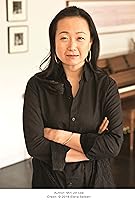
Lee at the 2017 Texas Book Festival.
Min Jin Lee (born 1968) is a Korean American writer whose work frequently deals with Korean American topics.[1] She is the author of the novel Free Food for Millionaires.
Contents [hide]
1Background
2Fiction
2.1Short Fiction
2.2Free Food for Millionaires
2.3Pachinko
3Non-Fiction
3.1Reviews
3.2Essays
4Bibliography
4.1Short stories
4.2Novels
5Accolades
6References
7External links
Background[edit]
Lee was born in Seoul, South Korea. Lee's family came to the United States in 1976, when she was seven years old. She grew up in Elmhurst, Queens, New York.[1] Her parents owned a wholesale jewelry store there. She studied history at Yale Collegeand law at Georgetown University Law Center. She also worked as a corporate lawyerin New York for several years before becoming a writer. She lived in Japan for four years from 2007 to 2011. Lee lives in New York with her son, Sam, and her husband, Christopher Duffy, who is half-Japanese.
Lee also served three consecutive seasons as a "Morning Forum" English-language columnist of South Korea's newspaper Chosun Ilbo.[2]
She has also lectured about writing, literature, and politics at Columbia, Tufts, Loyola Marymount University, Stanford, Johns Hopkins (SAIS), University of Connecticut, Boston College, Hamilton College, Harvard Law School, Yale University, Ewha University, Waseda University, the American School in Japan, World Women’s Forum, the Tokyo American Center of the U.S. Embassy and the Asia Society in New York, San Francisco and Hong Kong.[3]
Fiction[edit]
Short Fiction[edit]
Lee's short story Axis of Happiness won the 2004 Narrative Prize from Narrative Magazine.
Another short story by Lee, Motherland, about a family of Koreans in Japan was published in The Missouri Review and won The Peden Prize for Best Short Story. A slightly modified version of the story appears in her 2017 novel Pachinko.
Lee's short stories have also been featured on NPR's Selected Shorts.[4]
Free Food for Millionaires[edit]
Her debut novel Free Food for Millionaires was published in 2007. It was named one of the Top 10 Novels of the Year by The Times,[5] The Times of London, NPR's Fresh Air, USA Today, a notable novel by the San Francisco Chronicle,[6] a New York TimesEditor's Choice,[7] was a selection for the Wall Street Journal Juggler Book Club,[8] and a No. 1 Book Sense pick. The novel was also published in the U.K. by Random Housein 2007, Italy by Einaudi and in South Korea by Image Box Publishing. The book has also been featured on online periodicals such as The Page 99 Test,[9] and Largehearted Boy.[10]
In 2017, a 10th Anniversary edition of the novel was released by Apollo.[11][12]
Pachinko[edit]
In 2017 Lee released a novel entitled Pachinko, which is an epic historical novel following characters from Korea who eventually migrate to Japan. The book received strong reviews including those from The Guardian,[13] NPR,[14] The New York Times,[15] The Sydney Morning Herald,[16] The Irish Times,[17] and Kirkus Reviews[18]and is on the "Best Fiction of 2017" lists from Esquire,[19] Chicago Review of Books,[20] Amazon.com,[21] Entertainment Weekly,[citation needed] the BBC,[22] The Guardian,[23] and Book Riot.[24] In a Washington Post interview, writer Roxane Gaycalled Pachinko her favorite book of 2017.[25]
Pachinko is a 2017 finalist for the National Book Award for fiction.[26]
Non-Fiction[edit]
Lee has also published non-fiction in periodicals such as the Times of London, the New York Times Magazine, Condé Nast Traveler, Vogue, Travel + Leisure, the Wall Street Journal and Food & Wine.
Reviews[edit]
Lee has written a number of reviews. She most recently wrote a review of Toni Morrison's Home in the Times of London,[27] and also a review in the Times of Londonof March Was Made of Yarn, edited by David Karashima and Elmer Luke, a collection of essays, stories, poems and manga made by Japanese artists and citizens in the wake of the 2011 Tōhoku earthquake and tsunami.[28] She also wrote Times of Londonreviews of Cynthia Ozick's Foreign Bodies[29] and Jodi Picoult's Wonder Woman: Love and Murder.[30]
Essays[edit]
Her essays include Will, anthologized in Breeder – Real Life Stories from the New Generation of Mothers (Seal Press Books, 2001) and Pushing Away the Plate, in To Be Real (edited by Rebecca Walker) (Doubleday, 1995). Lee also published a piece in the New York Times Magazine entitled Low Tide, about her observations of the survivors of the 2011 Tōhoku earthquake and tsunami.[31] She wrote another essay entitled Up Front: After the Earthquake in Vogue, reflecting upon her experiences living in Japan with her family after the 2011 Tohoku earthquake.[32] Lee has also written two other essays in Vogue, including Weighing In (2008) and Crowning Glory (2007).
An essay entitled "Reading the World" that Lee wrote appears in the March 26, 2010 issue of Travel + Leisure.[33] She also wrote an article profiling the cuisine and work of Tokyo chef Seiji Yamamoto in Food & Wine.[34] She has also written a piece for the Barnes & Noble review entitled, Sex, Debt, and Revenge: Balzac’s Cousin Bette,[35]
Her interviews and essays have also been profiled in online periodicals such as Chekhov's Mistress (My Other Village: Middlemarch by George Eliot),[36] Moleskinerie(Pay Yourself First),[37] and ABC News (Biblical Illiteracy or Reading the Bestseller).[38]
Her other essays have been anthologized in The Mark Twain Anthology: Great Writers on His Life and Works, Why I’m A Democrat (Ed. Susan Mulcahy), One Big Happy Family, Sugar in my Bowl and Global and the Intimate: Feminism in Our Time.
Bibliography[edit]
Short stories[edit]
Axis of Happiness (2004) – 2004 Narrative Prize from Narrative Magazine
Motherland (2004) – Peden Prize for Best Short Story, The Missouri Review
Novels[edit]
Pachinko (2017), Grand Central Publishing, ISBN 978-1-455-56393-7
Free Food for Millionaires (2007), ISBN 978-0-446-58108-0.
Accolades[edit]
She received the NYFA (New York Foundation for the Arts) Fellowship for Fiction, the Peden Prize from The Missouri Review for Best Story, and The Narrative Prize for New and Emerging Writer.[39]
While at Yale, she was awarded both the Henry Wright Prize for Nonfiction and the James Ashmun Veech Prize for Fiction.[40]
In 2017, Lee is a finalist for the National Book Award for fiction for her novel Pachinko.[26]
References[edit]
^ Jump up to:a b "Min Jin Lee", KQED Arts, retrieved 2011-09-29
Jump up^ MinJinLee.com, Being A Columnist, http://minjinlee.com/media/being_a_columnistchosun_ilbo
Jump up^ MinJinLee.com, About, http://minjinlee.com/about/
Jump up^ Ginny Too, Interview: Min Jin Lee, Asian American Writer's Workshop, http://www.aaww.org/events_interviews_lee.html
Jump up^ Saunders, Kate (2007-11-30), The Times Christmas choice: fiction, London: The Times, retrieved 2009-01-03
Jump up^ Villalon, Oscar (2007-12-23), Bay Area authors' books among best of '07, San Francisco Chronicle, retrieved 2009-01-03, http://www.sfgate.com/books/article/Bay-Area-authors-books-among-best-of-07-3299646.php
Jump up^ Politkovskaya, Anna (2007-07-08), Editor's Choice, New York Times, retrieved 2009-01-03, https://www.nytimes.com/2007/07/08/books/review/0708bb-hardcover.html?ref=review
Jump up^ Schaefer Munoz, Sara (2008-01-22), Free Food for Millionaires: When Everyone Else is a Big Spender, Wall Street Journal, retrieved 2009-01-03, https://blogs.wsj.com/juggle/2008/01/22/free-food-for-millionaires-when-everyone-else-is-a-big-spender/
Jump up^ http://page99test.blogspot.com/2007/07/min-jin-lees-free-food-for-millionaires.html
Jump up^ Largeheartedboy.com, Min Jin Lee – Free Food for Millionaires, http://www.largeheartedboy.com/blog/archive/2007/06/book_notes_min.html
Jump up^ Stephanie Cross, Daily Mail, http://www.dailymail.co.uk/home/books/article-4819830/LITERARY-FICTION.html
Jump up^ James Kidd, Book review: Min Jin Lee’s Free Food for Millionaires, a modern-day Middlemarch but more fun, gets deserved re-release, South China Morning Post, http://www.scmp.com/culture/books/article/2107596/book-review-free-food-millionaires-decade-re-release-offers-reveal
Jump up^ Aw, Tash (15 March 2017). "Pachinko by Min Jin Lee review – rich story of the immigrant experience". The Guardian. Archived from the original on 2 June 2017.
Jump up^ Zimmerman, Jean (7 February 2017). "Culture Clash, Survival And Hope In 'Pachinko'". National Public Radio (NPR). Archived from the original on 5 October 2017.
Jump up^ Lee, Krys (2 February 2017). "Home but Not Home: Four Generations of an Ethnic Korean Family in Japan". The New York Times. Archived from the original on 4 October 2017.
Jump up^ Craven, Peter (4 August 2017). "Pachinko review: Min Jin Lee's saga of Koreans in Japan is hard to put down". The Sydney Morning Herald. Archived from the original on 5 October 2017.
Jump up^ Boyne, John (5 August 2017). "Pachinko review: a masterpiece of empathy, integrity and family loyalty". The Irish Times. Archived from the original on 11 August 2017.
Jump up^ "An absorbing saga of 20th-century Korean experience, seen through the fate of four generations". Kirkus Reviews. Archived from the original on 5 October 2017.
Jump up^ Ledgerwood, Angela (7 September 2017). "The Best Books of 2017 (So Far)". Esquire. Archived from the original on 3 October 2017.
Jump up^ Morgan, Adam (28 June 2017). "The Best Fiction Books of 2017 So Far". Chicago Review of Books. Archived from the original on 7 September 2017.
Jump up^ "Best Books of the Year So Far: Literature & Fiction". Amazon.com. 5 October 2017. Archived from the original on 5 October 2017.
Jump up^ Ciabattari, Jane (16 December 2016). "Ten books to read in 2017". BBC News. Archived from the original on 15 January 2017.
Jump up^ Aw, Tash (9 July 2017). "Best holiday reads 2017, picked by writers – part two". The Guardian. Archived from the original on 14 July 2017.
Jump up^ Nicolas, Sarah. "Best Books of 2017 (So Far)". Book Riot. Archived from the original on 14 July 2017.
Jump up^ Haupt, Angela (31 August 2017). "8 authors coming to the National Book Festival tell us the best thing they read this year". The Washington Post. Archived from the original on 5 October 2017.
^ Jump up to:a b "2017 National Book Award finalists revealed". CBS News. October 4, 2017. Retrieved 2017-10-04.
Jump up^ Min Jin Lee, Home by Toni Morrison, Times of London, http://www.thetimes.co.uk/tto/arts/books/fiction/article3386800.ece
Jump up^ Min Jin Lee, March Was Made of Yarn: edited by David Karashima and Elmer Luke, Times of London, http://www.thetimes.co.uk/tto/arts/books/non-fiction/article3344401.ece
Jump up^ Min Jin Lee, Foreign Bodies by Cynthia Ozick, Times of London, http://www.thetimes.co.uk/tto/arts/books/fiction/article3053266.ece
Jump up^ Min Jin Lee, Wonder Woman: Love and Murder by Jodi Picoult, Times of London, http://entertainment.timesonline.co.uk/tol/arts_and_entertainment/books/fiction/article3210539.ece
Jump up^ Min Jin Lee, Low Tide, https://www.nytimes.com/2012/02/26/magazine/japan-tsunami-survivors.html?_r=0
Jump up^ Min Jin Lee, Up Front: After the Earthquake, Vogue, http://www.vogue.com/culture/article/upfront-japan/#1
Jump up^ Min Jin lee, Reading the World, http://minjinlee.com/images/uploads/Journal.pdf
Jump up^ Min Jin Lee, Why Star Chefs Revere Seiji Yamamoto, http://www.foodandwine.com/articles/why-star-chefs-revere-seiji-yamamoto
Jump up^ Min Jin Lee, Barnes & Noble Review, Sex, Debt, and Revenge: Balzac’s Cousin Bette, http://www.barnesandnoble.com/bn-review/note.asp?note=16288150
Jump up^ Min Jin Lee, My Other Village: Middlemarch by George Eliot (excerpt)http://minjinlee.com/writing/archive/my_other_village_middlemarch_by_george_eliot
Jump up^ Min Jin Lee, Pay Yourself First, Moleskinerie, http://www.moleskinerie.com/2007/06/guest_essay_pay.html
Jump up^ Min Jin Lee, Biblical Illiteracy or Reading the Bestseller, http://abcnews.go.com/International/Story?id=3289585&page=1
Jump up^ Min Jin Lee, About the Author, http://www.minjinlee.com/author/about_min/
Jump up^ Hachette Book Group USA, Author: Min Jin Lee, http://narrativemagazine.com/405/min.htm
External links[edit]
Min Jin Lee: Official homepage
Author Min Jin Lee: 'Free Food For Millionaires' at NPR
On-Point Radio with Tom Ashbrook: Min Jin Lee (Broadcast)
Min Jin Lee's Largehearted Boy Book Notes essay for Free Food for Millionaires
Motherland (full text), from The Missouri Review
Pachinko review: Min Jin Lee's saga of Koreans in Japan is hard to put down
Pachinko review: Min Jin Lee's saga of Koreans in Japan is hard to put down
AUGUST 4 2017
FICTION
Pachinko
Min Jin Lee
Head of Zeus, $22.99
---------------
Pachinko, the epic novel by Korean-American novelist Min Jin Lee, is a family and national saga that presents that fraction of Koreans who found themselves living among the Japanese.
Running from before World War I to 1989, it is an intergenerational narrative with the unputdownable quality of soap plus the satisfactions of prose that can disclose realities and a set of interconnected stories that mirror the movement of history.
Is Pachinko a masterpiece? No. But it is one of those books that takes a mighty bite of big-time subject matter and has its own kind of grandeur.
Min Jin Lee uses the individual life, not the world-historical one, but then shows how the one impacts on the other. Her novel is grandly conceived and bristles with intelligence and ambition. Two quotations brood over it. The first from Dickens: "Home is a name, a word, it is a strong one; stronger than magician ever spoke, or spirit answered to, in strongest conjuration."
The second, from Benedict Anderson about a nation as "an imagined political community … imagined because the members of even the smallest nation will never know most of their fellow members … yet in the minds of each lives the image of their communion."
This is clever stuff and makes for a long haunting novel about Korean exile and Japanese repression.
I read the first half wondering if this was a Tolstoyan recapitulation of how the Koreans become the day labourers and chattels of the Japanese and then the second at speed.
A young girl becomes the lover of an older man — she's 16, he's 35 — falls pregnant to him, certain that he will marry her only to discover he has a wife in Japan and she can only be his Korean substitute.
Instead she marries a Christian pastor, also Korean-born, and they travel together to Japan. He's happy to be father to her child and his own but falls foul of Japanese fascism and Shinto repression. They work at subsistence level for the Japanese.
And in the midst of this — but with a growing powerful susurration – various family members get involved in the pachinko business, pinball parlours, the shady side of gambling, which leads back to the sinister father figure, the spiv in Osaka who is a yakuza.
Min Jin Lee skilfully shows how individual lives may be shrouded or foreshortened by gaps in knowledge, how family history is full of gaps and mysteries. So she presents her characters as in highlighted epiphanies: sudden outpourings of grief, rage, hatred or despair.
The narrative burbles with apparent inconsequence only to have it turn savagely dramatic or have central figures die, as it were, offstage. But the encompassing vision Min Jin Lee impresses with is the sheer range of experience crowded into the family chronicle.
Pachinko is a book that has the amplitude of the technique that is resolutely social realist but encompasses peasant women and bright boys in New York arguing about George Eliot. But Lee's key to the whole sideshow is the Korean/Japanese relation. Pachinkoinsinuates itself as the Homer of this landscape, it arrogates to itself a right to present the life of the Korean who is dirt under Japanese feet, driven to the dark corners of dodginess in a context of ancient virtue and a diagrammatic simplicity of technique.
Pachinko is a massive attempt, full of subtlety and strategy, to universalise the Korean experience by showing it with its nose pressed to the glass of history. The novel it has most affinity with both in terms of deliberate populism and its very intelligent stab at a latter-day Tolstoyanism is Vikram Seth's A Suitable Boy. Both books slum their way towards the highest possible acclaim.
Min Jin Lee is a guest at Melbourne Writers Festival
(mwf.com.au).
Amazon.com: Pachinko (National Book Award Finalist) (9781455563937): Min Jin Lee: Books
Amazon.com: Pachinko (National Book Award Finalist) (9781455563937): Min Jin Lee: Books
Pachinko (National Book Award Finalist) Hardcover – February 7, 2017
by Min Jin Lee (Author)
4.3 out of 5 stars 354 customer reviews
ーーーーーーーーーーーー
Editorial Reviews
Amazon.com Review
An Amazon Best Book of February 2017: Beginning in 1910 during the time of Japanese colonialization and ending many decades later in 1989, Pachinko is the epic saga of a Korean family told over four generations. The family’s story starts with Hoonie, a young Korean man born with physical deformities, but whose destiny comes from his inner strength and kindness. Hoonie’s daughter, rather than bring shame on her family, leaves their homeland for Japan, where her children and grandchildren will be born and raised; yet prejudice against their Korean heritage will prevent them from ever feeling at home. In Pachinko, Min Jin Lee says much about success and suffering, prejudice and tradition, but the novel never bogs down and only becomes richer, like a sauce left simmering hour after hour. Lee’s exceptional story of one family is the story of many of the world’s people. They ask only for the chance to belong somewhere—and to be judged by their hearts and actions rather than by ideas of blood traits and bad seeds. --Seira Wilson, The Amazon Book Review
Review
One of Buzzfeed's "32 Most Exciting Books Coming In 2017"
Included in The Millions' "Most Anticipated: The Great 2017 Book Preview"
One of Elle's "25 Most Anticipated Books by Women for 2017"
BBC: "Ten Books to Read in 2017"
One of BookRiot's "Most Anticipated Books of 2017"
One of Nylon's "50 Books We Can't Wait To Read In 2017"
One of Entertainment Weekly's Best New Books
One of BookBub's 22 Most Anticipated Book Club Reads of 2017
"Stunning... Despite the compelling sweep of time and history, it is the characters and their tumultuous lives that propel the narrative... A compassionate, clear gaze at the chaotic landscape of life itself. In this haunting epic tale, no one story seems too minor to be briefly illuminated. Lee suggests that behind the facades of wildly different people lie countless private desires, hopes and miseries, if we have the patience and compassion to look and listen."―The New York Times Book Review
"In 1930s Korea, an earnest young woman, abandoned by the lover who has gotten her pregnant, enters into a marriage of convenience that will take her to a new life in Japan. Thus begins Lee's luminous new novel PACHINKO--a powerful meditation on what immigrants sacrifice to achieve a home in the world. PACHINKO confirms Lee's place among our finest novelists."―Junot Díaz,Pulitzer Prize-winning author of The Brief Wondrous Life of Oscar Wao and This Is How You Lose Her
"A deep, broad, addictive history of a Korean family in Japan enduring and prospering through the 20th century."―David Mitchell, Guardian, New York Times bestselling author of The Bone Clocks
"Astounding. The sweep of Dickens and Tolstoy applied to a 20th century Korean family in Japan. Min Jin Lee's PACHINKO tackles all the stuff most good novels do-family, love, cabbage-but it also asks questions that have never been more timely. What does it mean to be part of a nation? And what can one do to escape its tight, painful, familiar bonds?"―Gary Shteyngart, New York Times bestselling author of Little Failure and Super Sad True Love Story
"Both for those who love Korea, as well as for those who know no more than Hyundai, Samsung and kimchi, this extraordinary book will prove a revelation of joy and heartbreak. I could not stop turning the pages, and wished this most poignant of sagas would never end. Min Jin Lee displays a tenderness and wisdom ideally matched to an unforgettable tale that she relates just perfectly."―Simon Winchester, New York Times bestselling author of The Professor and the Madman and Korea: A Walk through the Land of Miracles
"PACHINKO is elegant and soulful, both intimate and sweeping. This story of several generations of one Korean family in Japan is the story of every family whose parents sacrificed for their children, every family whose children were unable to recognize the cost, but it's also the story of a specific cultural struggle in a riveting time and place. Min Jin Lee has written a big, beautiful book filled with characters I rooted for and cared about and remembered after I'd read the final page."―Kate Christensen, Pen/Faulkner-winning author of The Great Man and Blue Plate Special
"An exquisite, haunting epic...'moments of shimmering beauty and some glory, too,' illuminate the narrative...Lee's profound novel...is shaped by impeccable research, meticulous plotting, and empathic perception."―Booklist (starred review)
"PACHINKO by Min Jin Lee is a great book, a passionate story, a novel of magisterial sweep. It's also fiendishly readable-the real-deal. An instant classic, a quick page-turner, and probably the best book of the year."
―Darin Strauss, National Book Critics Circle Award-winning author of Half a Life: A Memoir
"The breadth and depth of challenges come through clearly, without sensationalization. The sporadic victories are oases of sweetness, without being saccharine. Lee makes it impossible not to develop tender feelings towards her characters--all of them, even the most morally compromised. Their multifaceted engagements with identity, family, vocation, racism, and class are guaranteed to provide your most affecting sobfest of the year."―BookRiot, "Most Anticipated Books of 2017"
Read lessSee all Editorial Reviews
Product details
Hardcover: 496 pages
Publisher: Grand Central Publishing; 1 edition (February 7, 2017)
Language: English
› Visit Amazon's Min Jin Lee Page
Follow
Biography
Min Jin Lee's debut novel, Free Food for Millionaires, was one of the "Top 10 Novels of the Year" for The Times (London), NPR's Fresh Air, and USA Today. Her short fiction has been featured on NPR's Selected Shorts. Her writings have appeared in Condé Nast Traveler, The Times (London), Vogue, Travel+Leisure, Wall Street Journal, New York Times Magazine, and Food & Wine. Her essays and literary criticism have been anthologized widely. She served as a columnist for the Chosun Ilbo, the leading paper of South Korea. She lives in New York with her family.
Pachinko (National Book Award Finalist) Hardcover – February 7, 2017
by Min Jin Lee (Author)
4.3 out of 5 stars 354 customer reviews
ーーーーーーーーーーーー
Editorial Reviews
Amazon.com Review
An Amazon Best Book of February 2017: Beginning in 1910 during the time of Japanese colonialization and ending many decades later in 1989, Pachinko is the epic saga of a Korean family told over four generations. The family’s story starts with Hoonie, a young Korean man born with physical deformities, but whose destiny comes from his inner strength and kindness. Hoonie’s daughter, rather than bring shame on her family, leaves their homeland for Japan, where her children and grandchildren will be born and raised; yet prejudice against their Korean heritage will prevent them from ever feeling at home. In Pachinko, Min Jin Lee says much about success and suffering, prejudice and tradition, but the novel never bogs down and only becomes richer, like a sauce left simmering hour after hour. Lee’s exceptional story of one family is the story of many of the world’s people. They ask only for the chance to belong somewhere—and to be judged by their hearts and actions rather than by ideas of blood traits and bad seeds. --Seira Wilson, The Amazon Book Review
Review
One of Buzzfeed's "32 Most Exciting Books Coming In 2017"
Included in The Millions' "Most Anticipated: The Great 2017 Book Preview"
One of Elle's "25 Most Anticipated Books by Women for 2017"
BBC: "Ten Books to Read in 2017"
One of BookRiot's "Most Anticipated Books of 2017"
One of Nylon's "50 Books We Can't Wait To Read In 2017"
One of Entertainment Weekly's Best New Books
One of BookBub's 22 Most Anticipated Book Club Reads of 2017
"Stunning... Despite the compelling sweep of time and history, it is the characters and their tumultuous lives that propel the narrative... A compassionate, clear gaze at the chaotic landscape of life itself. In this haunting epic tale, no one story seems too minor to be briefly illuminated. Lee suggests that behind the facades of wildly different people lie countless private desires, hopes and miseries, if we have the patience and compassion to look and listen."―The New York Times Book Review
"In 1930s Korea, an earnest young woman, abandoned by the lover who has gotten her pregnant, enters into a marriage of convenience that will take her to a new life in Japan. Thus begins Lee's luminous new novel PACHINKO--a powerful meditation on what immigrants sacrifice to achieve a home in the world. PACHINKO confirms Lee's place among our finest novelists."―Junot Díaz,Pulitzer Prize-winning author of The Brief Wondrous Life of Oscar Wao and This Is How You Lose Her
"A deep, broad, addictive history of a Korean family in Japan enduring and prospering through the 20th century."―David Mitchell, Guardian, New York Times bestselling author of The Bone Clocks
"Astounding. The sweep of Dickens and Tolstoy applied to a 20th century Korean family in Japan. Min Jin Lee's PACHINKO tackles all the stuff most good novels do-family, love, cabbage-but it also asks questions that have never been more timely. What does it mean to be part of a nation? And what can one do to escape its tight, painful, familiar bonds?"―Gary Shteyngart, New York Times bestselling author of Little Failure and Super Sad True Love Story
"Both for those who love Korea, as well as for those who know no more than Hyundai, Samsung and kimchi, this extraordinary book will prove a revelation of joy and heartbreak. I could not stop turning the pages, and wished this most poignant of sagas would never end. Min Jin Lee displays a tenderness and wisdom ideally matched to an unforgettable tale that she relates just perfectly."―Simon Winchester, New York Times bestselling author of The Professor and the Madman and Korea: A Walk through the Land of Miracles
"PACHINKO is elegant and soulful, both intimate and sweeping. This story of several generations of one Korean family in Japan is the story of every family whose parents sacrificed for their children, every family whose children were unable to recognize the cost, but it's also the story of a specific cultural struggle in a riveting time and place. Min Jin Lee has written a big, beautiful book filled with characters I rooted for and cared about and remembered after I'd read the final page."―Kate Christensen, Pen/Faulkner-winning author of The Great Man and Blue Plate Special
"An exquisite, haunting epic...'moments of shimmering beauty and some glory, too,' illuminate the narrative...Lee's profound novel...is shaped by impeccable research, meticulous plotting, and empathic perception."―Booklist (starred review)
"PACHINKO by Min Jin Lee is a great book, a passionate story, a novel of magisterial sweep. It's also fiendishly readable-the real-deal. An instant classic, a quick page-turner, and probably the best book of the year."
―Darin Strauss, National Book Critics Circle Award-winning author of Half a Life: A Memoir
"The breadth and depth of challenges come through clearly, without sensationalization. The sporadic victories are oases of sweetness, without being saccharine. Lee makes it impossible not to develop tender feelings towards her characters--all of them, even the most morally compromised. Their multifaceted engagements with identity, family, vocation, racism, and class are guaranteed to provide your most affecting sobfest of the year."―BookRiot, "Most Anticipated Books of 2017"
Read lessSee all Editorial Reviews
Product details
Hardcover: 496 pages
Publisher: Grand Central Publishing; 1 edition (February 7, 2017)
Language: English
› Visit Amazon's Min Jin Lee Page
Follow
Biography
Min Jin Lee's debut novel, Free Food for Millionaires, was one of the "Top 10 Novels of the Year" for The Times (London), NPR's Fresh Air, and USA Today. Her short fiction has been featured on NPR's Selected Shorts. Her writings have appeared in Condé Nast Traveler, The Times (London), Vogue, Travel+Leisure, Wall Street Journal, New York Times Magazine, and Food & Wine. Her essays and literary criticism have been anthologized widely. She served as a columnist for the Chosun Ilbo, the leading paper of South Korea. She lives in New York with her family.
----------
Customer reviews
4.3 out of 5 stars
354
4.3 out of 5 stars
5 star 57%
4 star 27%
3 star 9%
2 star 4%
1 star 3%
--------------
Top customer reviews

Laurie A. Brown
VINE VOICE
5.0 out of 5 starsWonderful characters in a family sagaSeptember 18, 2016
Format: Hardcover|Vine Customer Review of Free Product( What's this? )
Pachinko is a great big sprawling family saga set in Korea and Japan and spanning 70 years. Sunja is a teenaged girl living with her mother, who runs a boarding house in a fishing village in Korea. All Sunja knows is work, but she does not dislike this. It’s what her mother does, too. Then she meets a fish broker, a suave older man who seduces her, impregnates her, and then informs her he’s married. He says he’ll support her, but she wants nothing more to do with him. Her face is saved when a missionary staying at the boarding house says he will marry her and raise the child as his own. They move to Japan, where Koreans are looked down on. Thence starts a new round of endless working, something all the characters will know for all their lives, whether it’s physical toil or mental.
The tale follows Sunja and her family for four generations. I found the first half, which dealt mainly with Sunja and her sister-in-law who became her best friend, more engrossing than the latter half that was about her descendants. That section was interesting, but the stark contrast between Sunja, her mother, and sister-in-law and their husbands, and the younger generations was jolting. I just found the women more interesting than the men. They are so strong, mentally and physically. But their lives are very circumscribed compared to the men. The men are city people; the women rural in outlook even when living in the city.
As Koreans in Japan, they are considered visitors even when they were born there. There were jobs they could never have; it was illegal to rent to them. When a boy turns fourteen, he has to register, be fingerprinted and interviewed, and he has to ask for permission to remain in Japan, even though he was born there and has never been to Korea. This process will be repeated every three years. And this was in the 1970s, not the 1870s. Getting Japanese citizenship was extremely difficult. But Sunja’s family does get ahead, attaining a comfortable living.
This novel is both an absorbing tale of family dynamics and a fascinating look at another culture and time. It’s a big book, but I read it quickly, unable to put it down. The characters are so well developed that I really cared about them, especially Sunja and her sister-in-law. Sometimes I wanted to strangle one or another of the characters, because they are just totally realized humans. Excellent book.
Read less
Comment| 86 people found this helpful. Was this review helpful to you?-------------------------

Babbo
4.0 out of 5 starsPachinko Is a Compelling, Good Read!September 27, 2017
Format: Kindle Edition|Verified Purchase
An engaging story of four generations of a Korean family that takes place from 1910 to 1989. Their struggles through Japanese colonization of Korea and life in Japan through WWII and beyond is a revealing tale of poverty and prejudice. Even Koreans born in Japan were treated like foreigners and were not hired for most jobs or allowed to rent homes. They were forced to live in shacks and to find menial ways to earn a living. Sunja, the book's most compelling character, and her sister-in-law scrape by selling candy from a makeshift street cart. Sunja's love and determination builds a different life for her two sons, who both end up building successful lives in the Pachinko business. Pachinko is a popular pinball-like arcade game that is really a gambling device.
Sunja has grown up in a tiny fishing village in South Korea, and after her father's death, she works hard every day with her mother. They run a boarding house and work hard every day to survive. When Sunja is wooed and seduced by a successful fish broker who lives in Japan, her life is forever changed. Her journey takes her to Japan where she must carve out a life for her young family.
Author Min Jin Lee deftly weaves Sunja's story and exposes a part of history that I doubt many people know. I highly recommend it.
Read less
Comment|Was this review helpful to you?YesNoReport abuse
Reader
4.0 out of 5 starsPainless history lesson of Korean and Japanese social relations in last half of the twentieth century.November 9, 2017
Format: Hardcover|Verified Purchase
Multigenerational tale of the extraordinary difficulties of Koreans living, either by choice or circumstances, in Japan from the 1930's thru 1980's. It tells of life under horrible conditions - hunger, deprivation, despair - but always, always, love. Always strength. Always faith.
This is a fast moving book that keeps you interested from the very beginning. I only gave it four stars (would have given it four and a half stars if I knew how to) because I found a number of occurrences to be predictable.
Comment|Was this review helpful to you?YesNoReport abuse
Ronna Niederman
4.0 out of 5 starsFabulous family sagaNovember 8, 2017
Format: Kindle Edition|Verified Purchase
Though a long book, Pachinko reads quickly and engagingly, with vividly drawn characters
across generations of a Korean-Japanese family. This was a book that I simply couldn’t put down. Many of the characters were quite sympathetic, despite some of their personal missteps. I learned a lot, too, about the historical animosity between Koreans and Japanese. My one main criticism is that the novel ended too abruptly.
And
Comment|Was this review helpful to you?YesNoReport abuse
Amazon Customer
4.0 out of 5 starsHard to put down!September 9, 2017
Format: Kindle Edition|Verified Purchase
Great writing and a very interesting story. Loved the perspective it gives of living in Korean during WWI and WWII. This story chronicles a family from 1922 to 1989, the twists and turns of fate, faith and fortune. I docked it one star for a few loose ends left at the ending. A worthwhile and interesting read!
Comment|Was this review helpful to you?YesNoReport abuse
IRENE ZARCO
5.0 out of 5 starsAmazing bookFebruary 23, 2017
Format: Kindle Edition|Verified Purchase
Great narrative. One can perfectly imagine the story, the places, the characters. Made me cried a couple of times, really touching about human nature
Comment| 2 people found this helpful. Was this review helpful to you?YesNoReport abuse
elliwell
5.0 out of 5 starsTerrific!!November 10, 2017
Format: Kindle Edition|Verified Purchase
Gripping multi-generational family saga with vivid characters. Spanning a century of conflict between Korea and Japan, this novel personalizes an insular, narrow Japanese society that makes no room for Korean immigrants. This is a wonderful read!
Comment|Was this review helpful to you?YesNoReport abuse
Nettie
5.0 out of 5 starsA wonderful insight into Korean and Japanese cultureJuly 9, 2017
Format: Kindle Edition|Verified Purchase
The characters in this book are beautifully drawn, both culturally and emotionally. The story line is wonderful. I really enjoyed the historical aspects of the book as well. A fine read.
Comment|Was this review helpful to you?YesNoReport abuse
Customer reviews
4.3 out of 5 stars
354
4.3 out of 5 stars
5 star 57%
4 star 27%
3 star 9%
2 star 4%
1 star 3%
--------------
Top customer reviews
Laurie A. Brown
VINE VOICE
5.0 out of 5 starsWonderful characters in a family sagaSeptember 18, 2016
Format: Hardcover|Vine Customer Review of Free Product( What's this? )
Pachinko is a great big sprawling family saga set in Korea and Japan and spanning 70 years. Sunja is a teenaged girl living with her mother, who runs a boarding house in a fishing village in Korea. All Sunja knows is work, but she does not dislike this. It’s what her mother does, too. Then she meets a fish broker, a suave older man who seduces her, impregnates her, and then informs her he’s married. He says he’ll support her, but she wants nothing more to do with him. Her face is saved when a missionary staying at the boarding house says he will marry her and raise the child as his own. They move to Japan, where Koreans are looked down on. Thence starts a new round of endless working, something all the characters will know for all their lives, whether it’s physical toil or mental.
The tale follows Sunja and her family for four generations. I found the first half, which dealt mainly with Sunja and her sister-in-law who became her best friend, more engrossing than the latter half that was about her descendants. That section was interesting, but the stark contrast between Sunja, her mother, and sister-in-law and their husbands, and the younger generations was jolting. I just found the women more interesting than the men. They are so strong, mentally and physically. But their lives are very circumscribed compared to the men. The men are city people; the women rural in outlook even when living in the city.
As Koreans in Japan, they are considered visitors even when they were born there. There were jobs they could never have; it was illegal to rent to them. When a boy turns fourteen, he has to register, be fingerprinted and interviewed, and he has to ask for permission to remain in Japan, even though he was born there and has never been to Korea. This process will be repeated every three years. And this was in the 1970s, not the 1870s. Getting Japanese citizenship was extremely difficult. But Sunja’s family does get ahead, attaining a comfortable living.
This novel is both an absorbing tale of family dynamics and a fascinating look at another culture and time. It’s a big book, but I read it quickly, unable to put it down. The characters are so well developed that I really cared about them, especially Sunja and her sister-in-law. Sometimes I wanted to strangle one or another of the characters, because they are just totally realized humans. Excellent book.
Read less
Comment| 86 people found this helpful. Was this review helpful to you?-------------------------
Babbo
4.0 out of 5 starsPachinko Is a Compelling, Good Read!September 27, 2017
Format: Kindle Edition|Verified Purchase
An engaging story of four generations of a Korean family that takes place from 1910 to 1989. Their struggles through Japanese colonization of Korea and life in Japan through WWII and beyond is a revealing tale of poverty and prejudice. Even Koreans born in Japan were treated like foreigners and were not hired for most jobs or allowed to rent homes. They were forced to live in shacks and to find menial ways to earn a living. Sunja, the book's most compelling character, and her sister-in-law scrape by selling candy from a makeshift street cart. Sunja's love and determination builds a different life for her two sons, who both end up building successful lives in the Pachinko business. Pachinko is a popular pinball-like arcade game that is really a gambling device.
Sunja has grown up in a tiny fishing village in South Korea, and after her father's death, she works hard every day with her mother. They run a boarding house and work hard every day to survive. When Sunja is wooed and seduced by a successful fish broker who lives in Japan, her life is forever changed. Her journey takes her to Japan where she must carve out a life for her young family.
Author Min Jin Lee deftly weaves Sunja's story and exposes a part of history that I doubt many people know. I highly recommend it.
Read less
Comment|Was this review helpful to you?YesNoReport abuse
Reader
4.0 out of 5 starsPainless history lesson of Korean and Japanese social relations in last half of the twentieth century.November 9, 2017
Format: Hardcover|Verified Purchase
Multigenerational tale of the extraordinary difficulties of Koreans living, either by choice or circumstances, in Japan from the 1930's thru 1980's. It tells of life under horrible conditions - hunger, deprivation, despair - but always, always, love. Always strength. Always faith.
This is a fast moving book that keeps you interested from the very beginning. I only gave it four stars (would have given it four and a half stars if I knew how to) because I found a number of occurrences to be predictable.
Comment|Was this review helpful to you?YesNoReport abuse
Ronna Niederman
4.0 out of 5 starsFabulous family sagaNovember 8, 2017
Format: Kindle Edition|Verified Purchase
Though a long book, Pachinko reads quickly and engagingly, with vividly drawn characters
across generations of a Korean-Japanese family. This was a book that I simply couldn’t put down. Many of the characters were quite sympathetic, despite some of their personal missteps. I learned a lot, too, about the historical animosity between Koreans and Japanese. My one main criticism is that the novel ended too abruptly.
And
Comment|Was this review helpful to you?YesNoReport abuse
Amazon Customer
4.0 out of 5 starsHard to put down!September 9, 2017
Format: Kindle Edition|Verified Purchase
Great writing and a very interesting story. Loved the perspective it gives of living in Korean during WWI and WWII. This story chronicles a family from 1922 to 1989, the twists and turns of fate, faith and fortune. I docked it one star for a few loose ends left at the ending. A worthwhile and interesting read!
Comment|Was this review helpful to you?YesNoReport abuse
IRENE ZARCO
5.0 out of 5 starsAmazing bookFebruary 23, 2017
Format: Kindle Edition|Verified Purchase
Great narrative. One can perfectly imagine the story, the places, the characters. Made me cried a couple of times, really touching about human nature
Comment| 2 people found this helpful. Was this review helpful to you?YesNoReport abuse
elliwell
5.0 out of 5 starsTerrific!!November 10, 2017
Format: Kindle Edition|Verified Purchase
Gripping multi-generational family saga with vivid characters. Spanning a century of conflict between Korea and Japan, this novel personalizes an insular, narrow Japanese society that makes no room for Korean immigrants. This is a wonderful read!
Comment|Was this review helpful to you?YesNoReport abuse
Nettie
5.0 out of 5 starsA wonderful insight into Korean and Japanese cultureJuly 9, 2017
Format: Kindle Edition|Verified Purchase
The characters in this book are beautifully drawn, both culturally and emotionally. The story line is wonderful. I really enjoyed the historical aspects of the book as well. A fine read.
Comment|Was this review helpful to you?YesNoReport abuse
Subscribe to:
Comments (Atom)