2026-01-07

What’s Next in Trump’s War on Venezuela? 260106

What’s Next in Trump’s War on Venezuela?

Democracy Now!
3.13M subscribers


6.6K


Share

Save

296,964 views  Jan 6, 2026  Latest Shows
Support our work: https://democracynow.org/donate/sm-de...

Transcript: https://www.democracynow.org/2026/1/5...

Democracy Now! discusses the attack on Venezuela with two Venezuelan American scholars: Alejandro Velasco, an associate history professor at New York University, and Miguel Tinker Salas, emeritus professor of history at Pomona College. The professors react to President Trump’s comments on the presence of oil in the region and claims that Venezuela had “stolen” oil from U.S. companies. “There was no taking of 'American property or American oil' — it was Venezuelan oil,” says Tinker Salas. “It belonged to Venezuela.”

Velasco also comments on Marco Rubio, a central figure in the U.S. campaign against Venezuela, who may have another country as his ultimate target. “Rubio’s primary interest in the region is not Venezuela, it’s not Colombia, it’s not Mexico — it’s Cuba,” says Velasco.

Democracy Now! is an independent global news hour that airs on over 1,500 TV and radio stations Monday through Friday. Watch our livestream at democracynow.org Mondays to Fridays 8-9 a.m. ET.
===
Transcript


This is democracyow democracynow.org the
Warren Peace Report. I'm Amy Goodman
with Juan Gonzalez. As we talk more
about the US attack on Venezuela and the
abduction of Venezuelan President
Nicolas Maduro and his wife, they are
now, as we broadcast, being brought into
the federal courthouse in New York,
brought by helicopter from Brooklyn
where they have been placed in the
Metropolitan Detention Center. We want
to go back to President Trump speaking
about Venezuela's oil on Saturday, hours
after the US attack.
===
In addition, Venezuela
unilaterally seized and sold American
oil, American assets, and American
platforms costing us billions and
billions of dollars.
They did this a while ago, but we never
had a president that did anything about
it. They took all of our property. was
our property. We built it and uh we
never had a president that decided to do
anything about it. Instead, they fought
wars that were 10,000 miles away. We
built Venezuela oil industry with
American talent, drive, and skill, and
the socialist regime stole it from us
during those previous
administrations. And they stole it
through force. This constituted one of
the largest thefts of American property
in the history of our country.
Considered the largest theft of property
in the history of our country. Massive
oil infrastructure was taken like we
were babies and we didn't do anything
about it. I would have done something
about it.
===
That's President Trump talking about the
theft of Venezuelan oil, talking about
it as our oil. We're joined by two
guests in our New York studio. Alejandro
Velasco, associate professor at New York
University, where he's historian of
modern Latin America, former executive
editor of Naka Report on the Americas,
author of the book Barrio Rising: Urban
Popular Politics and the Making of
Modern Venezuela. He was born and raised
in Venezuela. And Mikuel Tinker Sales is
with us, Emmeritus professor of history
at Pomona College in Claremont,
California, author of The Enduring
Legacy: Oil Culture and Society in
Venezuela and the book Venezuela: What
Everyone Needs to Know.
Welcome back both of you to Democracy
Now. Professor Miguel Tinker Solales,
uh, oil is what you've been covering in
Venezuela for decades. talk about
Trump's comments that it's Venezuela's
oil that will fund the US running
Venezuela.
Well, we heard this with Bush in the
Iraq invasion that the oil from Iraq
would was going to finance the
intervention uh and the long-term
rebuilding. The reality is that that
failed in Iraq and it will fail in
Venezuela. Uh Venezuela's oil industry
uh has taken a hit in the last 15 years.
Uh it is a semblance of what it used to
be. Uh, and the reality is I cannot
imagine any American oil company going
into Venezuela uh, spending billions of
dollars to build up an infrastructure
um, without American boots on the ground
or without very clear guarantees. And
even if they did, the process would take
close to a decade. Uh, so Trump is
talking the same way he always does. U,
it is an exaggeration. U, it is an
outright lie. Um, and I I believe it to
be simply another pretext, another
excuse to try to convince the American
public that what he did uh had any
value.
And Miguel Tigeras, I wanted to ask you
again something that we discussed on
Saturday in our special uh report on the
Venezuela invasion. this whole notion of
Trump uh the the lie that he keeps uh uh
foisting on the American public that it
was the socialist government of
Venezuela that took this oil when in
reality the nationalization
of uh Venezuela's oil industry occurred
long before anyone had heard of Ugo
Chavez and and the Bolivarian
revolution. Could you talk about that
history as well?
Sure. Venezuela was Venezuelans were
always keen on gaining control over its
own oil industry. Without a doubt,
American and Europeans were present at
the beginning of the oil industry, but
the actual work was done by Venezuelans.
The actual establishment of the industry
was done by Venezuelans. Um, and there
was always an aspiration that that oil
industry would belong to the country and
the country could benefit from that more
than simply providing concessions to
foreign oil companies. Uh so the
nationalization was happened in 1975.
It was a fully compensated
nationalization taking effect on January
1st 1976 and it was done under the
government of Carlos Andres Perez a
social democratic government not Ugo
Chaveis. Chavez did do uh close the door
uh to openings that were there for
American foreign companies uh in article
five of the of the reform. Uh, and in
2007 there was a clash with Exxon Mobile
and Kico Phillips over oil deposits in
the Ordinoco basin. Um, and Chevron, I'm
sorry, Exxon demanded 606 billion. A
court decided that they only owed $1.6
billion. So you can see from the very
beginning that the process of
nationalization had been compensated uh
and negotiated. So there was no taking
of quote unquote American property or
American oil. It was Venezuelan oil. It
belonged to Venezuela and it was the
purview of the Venezuelan government to
decide who or what uh operated those oil
fields.
And Miguel, I also wanted to ask you
about other resources that have not been
mentioned, but that clearly American
capitalists are salivating over the
prospects of of getting access to. Uh,
one is Colan, a a uh a rare metal that
is in most uh uh laptop computers and
phones and is has uses for the military
as well as diamonds and gold. You talk
about the the immense resources that
Venezuela has in uh in these other
areas. Oil is only on the surface. The
reality is, as you point out, Venezuela
is rich in gold. It's rich in rare
earths, rare minerals. It is rich in
gas. one of the high largest deposits of
gas in the world. Uh it is rich in
lithium. Uh it has potential for
tremendous lithium. It has coal. It has
other minerals as well. So that the the
the position the positioning of the US
as a as a uh investor in Venezuela or as
a corporate interest in Venezuela is
massive. is it involves not only the
country's strategic position and is the
interface between the Caribbean and
South America, but it involves the
possession of tremendous mineral
deposits uh and oil deposits. It reminds
me of of what the American general in
charge of the Caribbean during World War
II said, uh, "If of all the countries of
Latin America, I only want one ally,
that is Venezuela, because they're
beautifully rich in oil and minerals."
That has been the position of the US
government since 1940 until the present.
I'd also like to bring in a professor uh
NYU professor Alejandro Velasco into the
conversation. Uh professor Velasco
on Saturday evening you posted on social
media that it seemed as if quote Maduro
was given up by the remaining government
apparatus in a back channel deal. Uh do
you still think that and what would that
mean? And is it your is do you believe
that Deli Rodriguez who is now the in
the will be now sworn in as interim
president was herself complicit in this
operation?
Obviously it's somewhat speculative but
but clues point in some kind of
direction that suggests that that might
be the case. We we one of the things
that we do know is that months leading
up to of course the um the uh the
abduction of of Nicolas Maduro Maduro
and people like Desi Rodriguez, Jorge
Rodriguez um and others.
Explain Jorge Rodriguez, her brother.
Yeah, Jorge Rodriguez is Deli's brother.
Um you both of them have
He's head of the National Assembly.
He is head of the National Assembly, but
has held many posts under Chavez's
government and then under Maduro's
government for for years. Um you both of
them have a long story tradition of
leftist politics in Latin America in
Venezuela in particular. Their father
was a Marxist gerilla um who was
assassinated under the government um in
in the 1970s in were closely allied with
the United States. Um and they've really
cemented a position um in government as
being right-hand people to Maludo uh for
sure Chavez before him. But what we had
seen in the months leading up to the
abduction was that Maludo and and and
these uh inner circle uh members had
been negotiating with the Trump
administration things like oil deals,
things like um you know other kinds of
investment from the United States, but
the missing piece there seemed to be
whether Maluda would remain in power. Um
and you given how quickly the operation
unfolded on Saturday and how quickly it
seems that um Deli Rodriguez has been
able to you know um consolidate power
over the um the intervening 48 hours,
you have to assume that there was some
kind of collusion or at least some kind
of conversation happening between the
parties beforehand. Maduro in exchange
for um for remaining in power. Maduro in
exchange for stability. Maludo in
exchange for you know some kind of you
know open dealing with the United
States. Now of course the challenge for
Dia and others is can they straddle this
line between you know doing in some ways
Trump's bidding and then at the same
time maintaining as Andrea Chavez was
saying earlier a position of sovereignty
and mutual respect of rel bilateral
relations between Venezuela and the
United States. I don't know if they'll
be able to do it.
And where
and Alejandra,
go ahead.
Alejandra, I wanted I wanted to ask you
also in uh in in terms of the ability of
Venezuela to maneuver through this
situation right now. You have also
raised the issue that that that Cuba is
also in the uh uh in the focus of the
United States in terms of what it's
doing in Venezuela. Could you talk about
that as well?
I have long maintained and and and this
isn't secret to anyone that Marco
Rubio's primary interest in the region
is not Venezuela, it's not Colombia,
it's not Mexico, it's Cuba. As a
CubanAmerican and you know long
strididently, you know, an opponent of
the Castro government and of course now
the current government in in in Cuba,
he's made no secret of his desire to
oust the government in Cuba. The problem
of course for him is that Cuba has no
resources that Trump would be interested
in. And so he would have to sell Trump
only on the basis of ideology. We have
to, you know, kill a leftist government.
And he now sees an opening with
Venezuela. He's now able to say, "Look,
if we can deliver resources from
Venezuela through a low-level, deadly of
course, but low-level engagement, we can
do something similar in Cuba and at the
same time deliver not just Cuba and
Venezuela, but the rest of the
hemisphere to a Trumpist vision of the
world." You that is my sense of what is
um you know, largely at stake here. So
you have Marco Rubio hours after the
bombing of Venezuela and the abduction
of President Maduro and his wife
speaking in the news conference with
Trump uh saying basically Cuba better
watch out. And then on Sunday you have
President Trump speaking on Air Force
One.
Cuba is ready to fall. You know
Cuba looks like it's ready to fall. I
don't know how they if they're going to
hold out,
but Cuba now has no income. They got all
of their income from Venezuela, from the
Venezuelan oil. They're not getting any
of it.
And Cuba literally is ready to fall. And
you have a lot of great Cubanameans that
are going to be very happy about this.
And then you have President Trump also
threatening the Colombian president,
Gustavo Petro.
Colombia is very sick, too. run by a
sick man who likes making cocaine and
selling it to the United States. And
he's not going to be doing it very long,
let me tell you.
What does that mean? He's not going to
be doing it very long.
He's not doing it very long. He has a
cocaine mills and cocaine factories.
He's not going to be doing it very long.
So, there will be an operation by the US
and
it sounds good to me. So, in a lengthy
series of lengthy posts on uh X, I think
it was like 700 words, Colombian
President Pro blasted Trump, saying,
quote, "Stop slandering me, Mr. Trump."
Pro called on Latin America to unite
against the US, saying the region risk
being quote treated as a servant and
slave. So, go from Cuba to Colombia and
what this means. Well, certainly in the
case of Cuba, what um President Trump
said is is accurate in so far as most of
the revenue that Cuba had been getting
over the past 5, 10, 15 years was coming
through thevention of Venezuelan oil.
And of course, if they closed that small
spigot that had been a lifeline of Cuba,
then Cuba's position is incrementally
worse um and you might end up seeing
protests that we've seen um you know,
prior years and as a result then, you
know, a kind of pretext for
intervention. But then if you link that
in what Cuba represents to Latin
America, which is a kind of paragon of a
different alternative for Latin America
as a region, a leftist alternative with
all of its faults that we can of course
talk about at length. um losing that for
the region would then open up the door
for other countries and other right-wing
countries in Latin America or right-wing
movements in Latin America to say now we
have a white house in power and no Cuba
in present in in in in the region or
leftist government in re in in the
region to be able to do what we want and
so to me this is far far larger an
ideological project and battle um that's
being waged with uh Venezuela as a kind
of instrumental piece
Yeah, I'd like to bring uh Miguel Tinker
Salados back into the conversation and
this whole issue of uh Trump uh focusing
not just on Venezuela but also on Cuba,
Colombia and how Latin America uh you
expect will respond because clearly this
is not the same Latin America as I said
repeatedly uh that that existed 50 years
ago or 60 years ago. there's many more
popular movements uh stronger
progressive leaders in several
countries. What's your sense of how the
region is going to respond in the coming
weeks and months?
Well, I think there's a difference
between how political leaders may
respond because obviously someone like
Malay or Naboa or Boule will respond in
support of Trump. Uh it's another thing
how the population of Latin America will
respond and I think that's the big
difference here because as you point out
uh there has been a tremendous level of
mobilization of social consciousness uh
that has occurred but there's also been
the weight of the crisis um that has
affected many countries in Latin America
and left mistakes that have been made in
many cases in many countries uh in their
inability to deliver. But I think we're
also overestimating US empire because
what we saw in Venezuela uh on on
Saturday thei was the spectacle of
empire. Um it was the the the the
promotion of empire um while not
actually landing troops on the ground.
Um they were unable to do that because
they know that they that would bog them
down in a long-term war um and taking on
Cuba at the same time and taking on Iran
at the same time and taking on bombings
Nigeria at the same time. uh and
potentially conflicts in in Ukraine, in
in Asia, in Taiwan, etc. I think we
should not overestimate the role of US
empire. I think the military in the US
would push back to any kind of operation
in other countries u because that would
be a long-term commitment because taking
Cuba means implying the same old uh
Colin Powell doctrine, the pottery bond
doctrine that was if you break it, you
own it. So, if the US expects to have
run Venezuela, they're also going to
have to run Cuba and they're also going
to have to run Colombia and they're also
going to expect I doubt that the US
military is prepared for that kind of
long-term engagement. That doesn't mean
that I don't believe that the US wants
to remake Latin America the same way
that the neocons wanted to remake the
Middle East. Um, the current
administration under Marco Rubio uh
really wants to remake Latin America.
They wanted to be the American pond.
They wanted to be the Caribbean that
they control. They wanted to go back to
Teddy Roosevelt and guns diplomacy and
big stick diplomacy uh and control the
region. But again, we shouldn't
overestimate the role of US empire. I
think we saw on Saturday was the
spectacle of empire.
I mean, completely agree with me and and
that last point that he made is is so
central. I think what we're seeing here
is is a return to this gunboat diplomacy
that um had been the hallmark of the
Teddy Roosevelt period in the early 19th
20th century. I want to ask you
Alejandro very quickly about
President Trump responding to a reporter
about the Venezuelan opposition leader
Nobel Prize laurate Maria Karina
Machado.
Oh, I think it would be very tough for
her to be the leader. She doesn't have
the support within or the respect within
the country. She's a very nice woman,
but she doesn't have the respect. I
think many people were shocked that
President Trump threw Maria Karina
Machado under the bus. The woman who
basically dedicated her peace prize and
said that Trump should have gotten that
peace prize. Where does this leave her?
And also talk about the wife of um uh
exactly who um President Maduro's wife
Selia Flores is. She is a key political
figure herself
for sure. I mean, let's start with
Morina Machalo and we have 30 seconds.
No one could have been more surprised as
she was sidelined not just at the press
conference but then doubled down
yesterday. Marco Rubio also saying that
she's not ready, you know, to to stand
in. Um, I think what they what Machalo
overestimated was the degree to which um
Trump wanted democracy. He doesn't want
democracy. He just wants oil, right? And
so in that sense, you know, they it was
unsurprising that she would be sidelined
to anyone but her. Celia Flores 10
seconds.
Ciao Flores um you know long story
career under Chavez um was the head of
the National Assembly significant degree
of political power. We'll see what
emerges from this trial
and we're going to talk more about this
in these coming days. And also remember
that President Trump just uh pardoned uh
the convicted narot trafficker Honduran
President Juan Orlando Hernandez. I'm
Amy Goodman with Juan Gonzalez. Thanks
for joining us.
Thanks for watching Democracy Now on
YouTube. Subscribe to the channel and
turn on notifications to make sure you
never miss a video. And for more of our
audienceup supported journalism, go to
democracynow.org or where you can
download our news app, sign up for our
newsletter, subscribe to the daily
podcast, and so much

2026-01-06

Barrio Rising: Urban Popular Politics and the Making of Modern Venezuela 2015

Barrio Rising: Urban Popular Politics and the Making of Modern Venezuela : Velasco, Alejandro: Amazon.com.au: Books


Kindle
$46.98
Available instantly


Paperback
$49.95


Read sample


Barrio Rising: Urban Popular Politics and the Making of Modern Venezuela Paperback – Illustrated, 24 July 2015
by Alejandro Velasco (Author)
4.6 4.6 out of 5 stars (18)


Beginning in the late 1950s political leaders in Venezuela built what they celebrated as Latin America's most stable democracy. But outside the staid halls of power, in the gritty barrios of a rapidly urbanizing country, another politics was rising-unruly, contentious, and clamoring for inclusion.

Based on years of archival and ethnographic research in Venezuela's largest public housing community, Barrio Rising delivers the first in-depth history of urban popular politics before the Bolivarian Revolution, providing crucial context for understanding the democracy that emerged during the presidency of Hugo Chávez.

In the mid-1950s, a military government bent on modernizing Venezuela razed dozens of slums in the heart of the capital Caracas, replacing them with massive buildings to house the city's working poor. The project remained unfinished when the dictatorship fell on January 23, 1958, and in a matter of days city residents illegally occupied thousands of apartments, squatted on green spaces, and renamed the neighborhood to honor the emerging democracy: the 23 de Enero (January 23).

During the next thirty years, through eviction efforts, guerrilla conflict, state violence, internal strife, and official neglect, inhabitants of el veintitrés learned to use their strategic location and symbolic tie to the promise of democracy in order to demand a better life. Granting legitimacy to the state through the vote but protesting its failings with violent street actions when necessary, they laid the foundation for an expansive understanding of democracy-both radical and electoral-whose features still resonate today.

Blending rich narrative accounts with incisive analyses of urban space, politics, and everyday life, Barrio Rising offers a sweeping reinterpretation of modern Venezuelan history as seen not by its leaders but by residents of one of the country's most distinctive popular neighborhoods.
=====


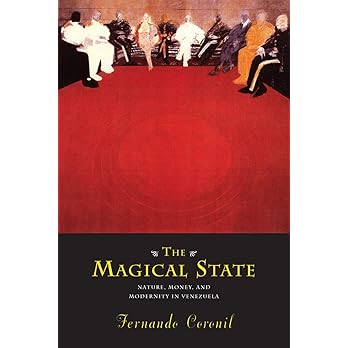
The Magical State: Nature, Money, and Modernity in Venezuela
$78.36
Total Price: $128.31


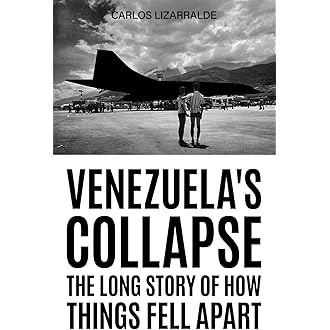
Venezuela's Collapse: The Long Story of How Things Fell Apart

Carlos Lizarralde
4.4 out of 5 stars 66
Paperback
$21.77

FREE Delivery Friday, January 9


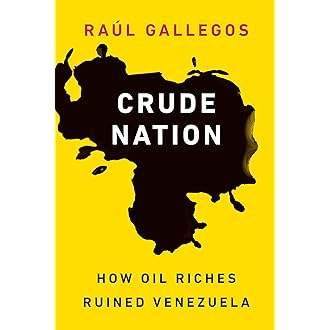
Crude Nation: How Oil Riches Ruined Venezuela

Raul Gallegos
4.3 out of 5 stars 173
Hardcover
$78.43

Get it 10 - 13 MarFREE Shipping

Usually dispatched within 12 to 13 days


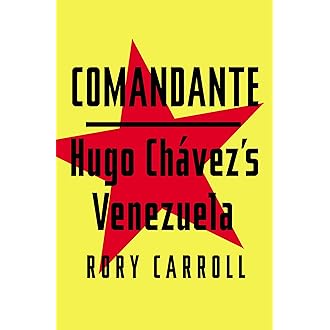
Comandante: Hugo Chavez's Venezuela

Rory Carroll
4.4 out of 5 stars 121
Hardcover
$38.25

FREE Delivery Friday, January 23
Next set of slides


Top
About this itemSimilarQuestionsReviews

Barrio Rising: Urban Popular Politics and the Making of Modern Venezuela


Table of Contents
List of Illustrations
Preface
Acknowledgments

Introduction: A History of Place and Nation

PART ONE. Landscapes of Opportunity
1. Dictatorship’s Blocks: The Battle for the New Urban Venezuela
2. Democracy’s Projects: Occupying the Spaces of Revolution

PART TWO. Paths to Democracy
3. From Ballots to Bullets: The Rise of Urban Insurgency, 1958–1963
4. “The Fight Was Fierce”: Uncertain Victories in the Streets and the Polls, 1963–1969

PART THREE. Streets of Protest
5. Water, Women, and Protest: The Return of Local Activism, 1969–1977
6. “A Weapon as Powerful as the Vote”: Seizing the Promise of Participation, 1979–1988
7. Killing Democracy’s Promise: A Massacre of People and Expectations
Conclusion: Revolutionary Projects

Appendix
Notes
Bibliography
Index


Product description

Review
"An effective account of urban popular politics in modern Venezuela. It is very well researched and reads well. It is a must read for anyone interested in contemporary Venezuela and for students of urban politics in general."-- "American Historical Review"

"No study has explored the pre-1989 relationship between the democratic state and the urban poor in such a finely-grained and insightful manner as Velasco's study. This is a landmark book in Venezuelan social and political history and in Latin American urban history."-- "Journal of Social History"

"This is an exemplary effort of combining archival and ethnographic research to demystify one of Venezuela's most politically charged neighborhoods, and in doing so, provides crucial insights into the country's often volatile and complex political history. Barrio Rising should appeal to both specialists and the general public, possessing the rare quality of being highly accessible and scholarly in equal measure."-- "Latin Americanist"

"Velasco's complex engagement with the everyday practice of politics is a model of good urban history . . . [providing] great comparative potential well beyond its contribution to defining urban popular politics in Latin America. . . . Barrio Rising makes the important point that incomplete promises create lasting legacies in the built environment and in politics."-- "Planning Perspectives"

"While Velasco sticks closely to the Venezuelan context throughout his book, he nonetheless tells a story that resonates broadly with processes of urbanization throughout the global south, especially in Latin America. The book analyzes complex dynamics in engaging, compelling prose through a fascinating case study that is suitable for advanced undergraduates. The book also offers fresh and instructive insights on politics, in/formality, poverty and mass urbanization that should be of broad interest to scholars not only in Latin American history, but also in anthropology, sociology, and urban studies. It will be a crucial reference point for urban popular politics in Venezuela and beyond."-- "City & Society"

"With this study of urban life in the four decades between the fall of Marco Pérez Jiménez's authoritarian regime and the Caracazo, Velasco presents an innovative historical survey of lived experience at the literal and metaphoric heart of Caracas politics. Working from public records and extensive interviews, Velasco narrates the vicissitudes of political mobilization and governmental strategies intended to foster popular support. Through transitions to democratic elections, post-Cuban revolution activity, popular action, and looming neoliberal policies, the focus remains on the residents of these buildings. The book prompts reflection on Chavismo and the imprint of architectural modernity beyond the famous profiles of Brasilia and writes the people of Caracas into the story of Latin America's 20th century. Highly recommended." -- "CHOICE"
From the Inside Flap
"This is a landmark book in Venezuelan social and political history and in Latin American urban history."--Journal of Social History
"Alejandro Velasco's compelling history of one of Venezuela's most symbolically charged urban neighborhoods illuminates the possibilities and contradictions of Venezuela's postwar politics. No other English-language study has so effectively analyzed the complexity of popular engagement with Venezuelan democracy in the decades preceding Chavismo."--Brodwyn Fischer, author of A Poverty of Rights: Citizenship and Inequality in Twentieth-Century Rio de Janeiro
"This book just might 'crack the code' on Venezuela, an enigmatic country that resists easy understanding. It will surely become a reference point for understanding Latin American politics and social movements."--David Smilde, author of Reason to Believe: Cultural Agency in Latin American Evangelicalism

"With this study of urban life in the four decades between the fall of Marco Pérez Jiménez's authoritarian regime and the Caracazo, Velasco presents an innovative historical survey of lived experience at the literal and metaphoric heart of Caracas politics. Working from public records and extensive interviews, Velasco narrates the vicissitudes of political mobilization and governmental strategies intended to foster popular support. Through transitions to democratic elections, post-Cuban revolution activity, popular action, and looming neoliberal policies, the focus remains on the residents of these buildings. The book prompts reflection on Chavismo and the imprint of architectural modernity beyond the famous profiles of Brasilia and writes the people of Caracas into the story of Latin America's 20th century."--CHOICE

Read more

Product details
ASIN ‏ : ‎ 0520283325
Publisher ‏ : ‎ University of California Press
Publication date ‏ : ‎ 24 July 2015
Edition ‏ : ‎ 1st
Language ‏ : ‎ English
Print length ‏ : ‎ 344 pages
ISBN-10 ‏ : ‎ 9780520283329
ISBN-13 ‏ : ‎ 978-0520283329
Item weight ‏ : ‎ 454 g
Dimensions ‏ : ‎ 15.24 x 2.18 x 22.86 cm
Best Sellers Rank: 1,056,410 in Books (See Top 100 in Books)41 in History of Venezuela
587 in Sociology of Urban Areas (Books)
Customer Reviews:
4.6 4.6 out of 5 stars (18)


Juan Andres Misle

5.0 out of 5 stars Came in very good conditions and earlier than expectedReviewed in the United States on 29 January 2016
Format: PaperbackVerified Purchase

Came in very good conditions and earlier than expected. Great read for anyone interested in social dynamics and relations among the iconic slums in Caracas, particularly the 23 de Enero neighborhood. Thanks mandycoot

"A historian says hysteria is like a platform where everything that happens to us bounces back, preventing what we live through from becoming experience. This means we are constantly on the surface, never reaching deeper, never gazing inward, unable to link our past to the history of man on earth. Unmoored from any sense of history that might offer us lessons or comfort in moments of crisis, anxieties are met not with nuance but with hyperbole: at hand is always either utopia or apocalypse, nothing in between."

Report


Austrian police raid house of man who leaked Israeli ambassador video ma...


'제국의 위안부' 박유하 "과거사 문제, 학문이 운동에 종속… 日국민 사죄의식이 중요"

'제국의 위안부' 박유하 "과거사 문제, 학문이 운동에 종속… 日국민 사죄의식이 중요"

'제국의 위안부' 박유하 "과거사 문제, 학문이 운동에 종속… 日국민 사죄의식이 중요"
박유하 세종대 교수가 2022년 8월 31일 서울 중구 프레스센터에서 ‘제국의 위안부’ 소송 관련 현황과 한·일 현안 긴급제언 기자회견을 하고 있다. photo 뉴스1
박유하 세종대 교수가 2022년 8월 31일 서울 중구 프레스센터에서 ‘제국의 위안부’ 소송 관련 현황과 한·일 현안 긴급제언 기자회견을 하고 있다. photo 뉴스1


"이 여자… 아직도 교수직 유지하고 있는가요? 어쩌다 이런 사람과 하나의 하늘 아래서 숨 쉬게 되었을까…ㅠ 청산해야 할 친일의 잔재들…."

2015년 2월 17일은 박유하 당시 세종대 일어일문학 전공 교수(현재 명예교수)의 '제국의 위안부'(이하 '제국')에 대한 출판금지 가처분이 일부 인용된 날이었다. 출간 10개월 만인 2014년 6월 위안부 피해자 9명이 자신들을 '매춘부' 등으로 매도했다며 박 교수를 고발한 뒤 첫 번째로 나온 결과였다. 성남시장이던 이재명 대통령은 이날 관련 기사를 자신의 페이스북에 공유하며 이처럼 언급했다. 소셜미디어(SNS)에 능했던 이 대통령의 일상다반사 촌평이겠지만, 10년 넘게 이어진 '제국' 논란의 핵심적 단면을 압축해 보여준다.

'친일'. 정의기억연대의 나눔의집에서 생활하던 위안부 할머니들이 박 교수를 명예훼손으로 고발하면서 출판금지를 신청한 뒤 따라붙은 멍에다. 박 교수는 출간 당시나 지금이나 해당 책은 위안부 문제의 복잡한 구조를 분석하고 피해자들의 고통을 이해하려는 목적으로 서술한 것이라고 항변하고 있다. '교수직 유지'. 학문과 표현의 자유 문제도 큰 쟁점이었다. 박 교수가 불편한 서술을 했다 하더라도, 해당 책이 금서가 되거나 저자가 교수직을 박탈당해야 하는지는 다른 문제다.

'이 여자'. 이 대통령은 박 교수를 비난하려 성별을 구분하는 표현을 쓴 것으로 보인다. '제국'에는 조선인뿐 아니라 일본인, 대만인 등 여성을 착취하는 식민지 구조를 지적하는 페미니즘적 시각이 담겼다는 점에서 상징적이다. 이후 이 대통령은 '이 교수라는 사람'으로 해당 표현을 수정했다. 무엇보다 책을 둘러싼 논란이 충분한 '독해' 다음 이뤄졌는가도 생각해 볼 여지가 있다. 당시 페이스북에 따르면 이 대통령은 박 교수의 책을 읽어본 적이 없었던 것 같다. 그는 댓글로 누군가 '책을 읽어봤냐'고 묻자 "똥은 안 먹고 냄새만으로 안다"고 응수했었다.

박 교수는 10년이 넘는 송사 끝에 2024년 4월 민사, 2025년 2월 형사재판에서 무죄가 확정됐다. 그러나 책에 대한 논란이 완전히 끝난 것은 아니다. 2025년 7월 대한출판문화협회가 해당 출판사와 박 교수에게 특별공로상을 수여하려던 것이 반발 끝에 무위로 돌아가기도 했다. 한국 사회가 윤미향 사태 등으로 위안부 문제에 대한 시선을 조금은 달리 볼 가능성이 열린 지금, 그의 문제의식을 재확인하고 논란이 된 책의 내용도 묻고자 했다. 미국 시카고에 체류하는 박 교수는 최근 그간의 송사와 논쟁과정을 정리한 '11년:꽃다발과 화살'을 출간했다. 그를 지난 12월 23일(한국시각) 오전 화상으로 만났다.
====
- 금서를 쓴 저자로 사는 기분은 어땠나. "위안부 할머니들을 위한 책, 나아가 한국을 좋아하던 일본인들이 혐한으로 돌아서는 걸 보며 쓰기 시작한 책이다. 출간 이후 열 달간은 제대로 읽혔다. 처음엔 경향신문이 한 면을 전부 써서 긍정적으로 보도하기도 했다. 하지만 고발을 당하면서 짜여진 프레임으로 10년을 산 셈이다. '그런 책이 아니다'라고 외쳤지만 시정되지 않아 괴로웠다."

- 연구 결과물로 도덕적 비난을 받는다는 느낌을 가늠하기 어려운데. "단순히 비난을 받은 게 아니라 엄청난 오해가 있었고, 그 오해를 10년간 풀지 못했다. 서서히 조금씩 이해를 하는 사람들이 생기다 재판부가 마지막에 그 대열로 합류한 것이다. 너무 시간이 많이 걸렸다."

- 일본에서 일문학을 전공했다. 일본 사회를 직접 경험한 입장에서 위안부 문제를 쓰게 된 동기가 있나. "2001년 역사교과서 문제가 있을 때, 이 문제와 관련해 활동하던 일본의 진보적 학자를 초청해 강연을 듣다가 꼬인 상황에 대한 문제의식을 갖게 되었다. 전후 일본 사회는 사실 반성적이었다. 그런데 한국에서는 '일본이 하나도 안 변했다'고 주장하는 이들이 있었고 국민들도 그렇게만 생각하게 되었다. 여기에 대한 문제의식으로 2005년 '화해를 위해서'에서 전후 일본에 대해 설명했고 한 챕터에 위안부 문제를 할애했다. '제국'에서 썼던 여러 핵심은 거기에 이미 다 있으니, 문제 제기는 20년 전에 이미 한 것이다."

"비판도 뭘 알아야 할 거 아닌가?"

박 교수는 2012년 초 이런 기사를 접했다. '일본 관료가 청와대에 와서 보상안을 논의했지만, '정대협(한국정신대문제대책협의회·현 정의기억연대)이 받지 않을 것'이라는 이유로 정부 관계자가 난색을 표했다'. 이것이 그가 일본어로 집필하다 한국 사회에 먼저 이야기를 해야겠다고 생각한 계기였다. 청와대가 할머니들이 아닌 지원단체의 눈치를 보느라 일본의 제안을 거른다는 게 이상하다는 것이다. 박 교수에 따르면 앞서 말했듯 전후 일본의 아카데미즘은 진보좌파가 이끌어왔고, 당연히 식민지 지배에 반성적이었다. 이런 것을 알아야 비판도 제대로 할 수 있다는 것이 그의 생각이었다.

박 교수는 2013년 7월 책을 낸 뒤 2014년 6월 고발당했다. 최초 소장의 요지는 "책에서 위안부를 자발적 매춘부라 했는데, 심포지엄 등 활동을 지속 중이니 이대로 놔두면 위안부 문제 해결에 방해가 된다"는 것이었다. 사실 박 교수는 위안부 피해자 할머니들의 집회를 동시통역한 1991년 이래 지속적으로 관심을 가져 왔고, 출간 이후에는 할머니들을 인터뷰해 직접 보상금을 받고 싶다거나 일본을 용서하고 싶다는 등의 목소리를 소개하기도 했다. 그동안 위안부 문제를 둘러싼 인식과는 다른 내용이었다.

박 교수의 책에서 문제가 된 부분은 대개 1993년부터 2001년까지 정대협에서 출간한 '증언집: 강제로 끌려간 조선인 군위안부들'을 인용한 내용과 정대협에 대한 비판이었다. 여기서 나오는 할머니들의 증언을 토대로 박 교수가 내놓은 해석이 삭제 요청의 대상, 명예훼손 주장의 근거가 됐다.

- '위안부는 홀로코스트와 다르다'는 주장도 했다. "지원단체들이 홀로코스트와 비견하면서 운동을 했고 이에 대해 비판했던 거다. 홀로코스트는 민족 절멸인데, 조선인은 일본 식민지배 치하에 있었기 때문에 절멸시킬 대상이 아니었다. 물론 민족에 대한 차별과 억압도 있었다. 하지만 식민지배란 민족 절멸이 아니라 포섭해 '사용'하는 구조를 갖는다."

- 소녀상에 대해 "협력의 기억을 거세하고 하나의 이미지, 저항하고 투쟁하는 이미지만을 표현"했다고 했다. 강제동원과 할머니들의 투쟁을 표상한 것으로 평가할 수 있는 것 아닌가. "투쟁을 폄훼하는 건 아니다. 소녀상은 수요집회 1000회 기념인데, 과거의 위안부를 기린다기보단 현재의 운동 기념이었다. 저항하는 독립군과 같은 이미지를 담았지만 그건 역사적 사실과는 다르다. 이상적 모습으로 표상하는 것은 과거에 국가에 이용당한 이들을 다시 한번 이용하는 것이라 생각했다."

- 일본군과 위안부 여성이 연애했던 사례를 인용해 '동지적 관계'란 표현도 썼다. 식민사회의 구조적 문제를 가리는 서술 아니냐는 비판이 있다. 
"'동지적 관계'란 전쟁관계에서의 적과 아군이 아니라 식민지배 치하 관계였다는 것을 말하기 위해 쓴 표현이다. 그런 구조 속에서 연애도 있었다는 정도의 이야기다. 식민지배 구조를 직시하는 것은 사실과 부합할 뿐 아니라 오히려 '제국'으로서 일본의 책임을 강조할 수 있다. 그게 내가 시도한 것이고 많은 일본인들이 그런 문제제기를 받아들였다."

- 일본의 책임을 묻는 논리가 약화되는 것 아니냐는 거다. "일본 책임을 희석시킨다는 논리 끝에는 실은 '불법이 되지 않는다'가 있다. 불법이 되지 않는다, 불법이 되지 않으면 배상이 되지 않는다, 배상이 되지 않으면 나중에 북한이 북·일 수교를 할 때 배상금을 받아낼 수가 없다(는 것이다). 1965년 한국이 어정쩡하게 독립 축하금을 받아 식민지배 문제를 대충 때웠다는 인식을 가진 사람들이 있다. 그 중 일부가 북·일 수교 때 한국이 못 받은 법적 배상을 받아야 한다고 생각하게 되면서 위안부 문제를 이용한 측면이 있다. 물론 그 생각을 처음 한 건 북한이다."

- 일본 다수 대중의 설득도 고려했나. "처음부터 그 목적이었다. 한국어판을 낸 후에 바로 일본어판을 준비한 이유다. 당시는 일본이 1990년대 시작했던 보상도 끝나 2010년 한·일 병합 100주년이 되는 해에조차 위안부 문제에 대한 관심이 한·일 양국에 거의 없었다. 남은 일이 있다는 얘기를 하고 싶었는데 그러려면 당신들이 잘못한 게 있다고 써야 하지 않나.

하지만 '(일본군과 위안부 사이) 좋은 관계가 있었다'는 게 무슨 설득을 위해서는 아니다. 예를 들면 여러 증언이나 다큐에서도 볼 수 있는데 '일본이 이겼으면 좋겠다'고 생각을 했던 게 할머니들이다. 우리가 알고 있던 현실만이 아닌 여러 가지 상황이 있었다는 걸 말하려고 쓴 것이다. 지원단체는 오랫동안 '전쟁범죄'라고 했다. 일본과 전쟁을 해서 적군 여자를 강간했다는 식의 인식을 기반으로 위안부 문제를 풀려 했다."

- 그게 아니라면. 
"일종의, 하나의 '국민'으로서 동원된 것이라는 거다. 그렇다고 해서 비참하지 않다라는 게 아니잖나. 일본 정부 상대로 한국에서 한 재판에서 승소했는데 '한·일 병합은 불법이고, 불법 치하에서 동원되었으니 불법이다'라는 논리를 사용했다. 지금은 표면적으로 식민지 지배하에서 일어난 일임을 강조하지만 실제로는 전쟁범죄 논리를 사용해 승소한 셈인데, 실은 논의가 그렇게 간단하지 않다는 거다."

12월 23일(한국시각) 기자와 화상 인터뷰 중인 박유하 교수.


"법적 사죄만이 최고의 사죄인가?"

박 교수는 위안부는 물론 과거사 문제에 대해 "법적 사죄만이 최고의 사죄냐는 질문을 지금까지 해온 것"이라며 "더 중요한 것은 한·일 간 역사적 이해의 접점을 찾는 것"이라고 말했다. 실제 일본에서 '사죄 의식'을 더욱 가졌던 것은 1990년대였다고도 덧붙였다. '사실과 다른 비난'으로만은 일본 사회가 '사죄하는 마음'을 가지게 할 수 없다는 것이다.

- 말씀대로라면 과거사에 대한 한국 사회의 인식을 상당부분 뒤집어야 하는데. "우리가 사실 일제시대에 대해 제대로 논의하기 시작한 건 최근 30년밖에 안 된다. 그리고 그 시기 담론을 이끈 것은 진보좌파다. 그 이전엔 목소리를 못 내던 사람들이니 당연하다. 그 자체야 시대적 필연이지만 그 과정에서 역사 인식조차 좌파 중심이 되었다는 게 문제다.

지난 여름 탁현민씨가 만든 광복절 포스터 시안을 보니 해방이 독립전쟁을 해서 된 것처럼 그렸더라. 사실 여부를 떠나 그건 북한의 인식이고 결과적으로 반쪽 역사일 수밖에 없다. 나머지 부분은 부정하고 깊이 보려 하지 않았던 것이 최근 30년이다. 양쪽을 온전히 보는 게 불편하더라도 그걸 넘어서야만 제대로 우리 역사를 이해할 수가 있다는 게 내 생각이다. 그렇다고 '물에 흘려보내자'는 건 절대 아니다. 과거에 대한 깊은 이해가 있어야 함께 미래를 구상할 수 있다는 것이다."


- 한·일 과거사 문제는 '사과'와 '배상'으로 쳇바퀴를 돌고는 한다. 강제동원 관련 문제도 진상규명이 어려워지는 배경이기도 한데. "십수 년 전에는 유골 봉환 사업 같은 것에도 일본 정부가 적극 참여했다. 그런데 2010년 이후 한·일 관계가 어그러지며 그것도 중단됐다. 중요한 게 무엇인지 머리를 맞대고 얘기해야 하는데, 우선 당사자들은 다 생각이 다를 수가 있다는 걸 염두에 두어야 한다. 당사자들끼리 합의가 안 되는 상황에서 목소리 큰 사람들이 목소리를 내는 상황으로 보인다. 하지만 국가의 틀에서 보상이든 사죄든 해야 한다고 생각해 나도 여러 저술을 한 것이다. 일단 사태 자체를 정확히 이해해야 한다. 그리고 '매개자'들의 역할을 고민할 필요가 있다. 당사자의 대변인들은 당사자의 목소리를 전달하는 것도 중요하지만 (가해자 측과의) 매개 역할을 하는 것도 필요하다."

- '뉴라이트' 사관이란 비난은 어떤가. "나는 정의기억연대 중심 학자들과 이영훈 교수 등 뉴라이트라 불리는 이들의 주장을 양쪽 다 일정 부분 평가한다. 다만 양쪽 모두 현재의 정치를 위해 역사를 이용하는 측면이 있다고 본다. 학문이 운동에 종속된 측면이 있다. 진보 쪽 어떤 학자는 '연구가 안 된 상태에서 문제가 일어나니 운동을 따라간 측면이 있었다'고도 했다."

- 지난 10년간 본인의 책이 한국 사회가 위안부 할머니들의 아픔을 이해하는 데 도움이 됐다고 평가하나. "그토록 문제시되면서도 많이 팔리지 않았으니 잘 모르겠지만 읽은 사람들은 그렇게 말해줬다. 2015년에 한·일 합의가 있었는데, 고발자 주변인들은 한·일 합의가 내 책 때문인 것처럼 비난했다. 나는 나대로 한·일 합의가 양국 국민적 합의나 이해 없이 갑자기 나왔다고 생각했지만, 아무튼 상당수 할머니들은 합의를 기반으로 보상금을 받았다. 1995년 아시아여성기금을 통해 받은 할머니들도 많으니 두 번 받은 분들도 있다. '제국'이 위안부 문제 해결에 도움이 되었는가 묻는다면, 비판자들이 '한·일 합의에 영향을 끼쳤다고 주장하니 그런 측면도 있을지 모르겠다'고 하겠다. 최소한 일본인들이 위안부를 식민지 지배 문제로 이해하고 사죄 의식을 갖게 했다고는 생각한다."

- 10년 넘게 이어진 논쟁과 재판으로 잃은 것과 얻은 것은. "잃은 건 너무나 많다. 경제·시간적 손해뿐 아니라 아직까지도 내 명예는 완전히 회복되지 않았으니까. 무죄 판결이 났을 때도 진보 언론은 단 한 곳도 긍정적으로 보도하지 않았고, 그저 '학문의 자유로 유죄를 피했다'는 식의 보도만 나왔다. 하지만 판결 요지는 '원고 측이 주장하는 그런 책이 아니다'였다.20년 전만 해도 한겨레에서 대담도 했었고, 지금도 여전히 내가 진보 쪽에 있다고 생각하는데도 그렇다. 만약 패소했으면 나는 파면당하고 (교수) 연금도 못 받았을 터인데도 고발자들과 주변인들은 원고 측을 지지했다. 그래도 얻은 게 있다면 새롭게 다가오는 사람들도 적지는 않았다는 것. 그리고 그 덕에 한국 사회에 대한 희망을 잃지 않을 수 있었다는 것이다."

- 윤미향 사태는 어떻게 봤나. "윤 전 의원은 지금 사면돼서 활동을 하고 있고, 나를 고발했던 나눔의집 소장도 횡령죄로 2년 반 징역형을 받았다가 2년만 살고 나온 걸로 알고 있다. 그러니 별로 변한 건 없을지도 모르겠다."

- 새해부턴 어떤 활동을 하나. "한국으로 들어갈 생각이었는데, 여러 상황을 보면서 조금 더 밖에 있다가 들어가는 것으로 계획을 바꾸었다. 새해에는 도쿄대학에 1년 가 있게 됐다. 2016년에 일제시대 때 조선 반도에 살았던 일본인들의 귀환 관련 연구로 책을 냈는데 이 연구를 마무리하면서 일본에 대한 공부도 더 할 것이다."

韓여성 최초 美수석랍비 ‘북달’ “한국사회 경직된 하이라키 문화, 우수인재 창의력 저해” | 서울신문

韓여성 최초 美수석랍비 ‘북달’ “한국사회 경직된 하이라키 문화, 우수인재 창의력 저해” | 서울신문

韓여성 최초 美수석랍비 ‘북달’ “한국사회 경직된 하이라키 문화, 우수인재 창의력 저해”

최영권 기자
입력 2024-06-18
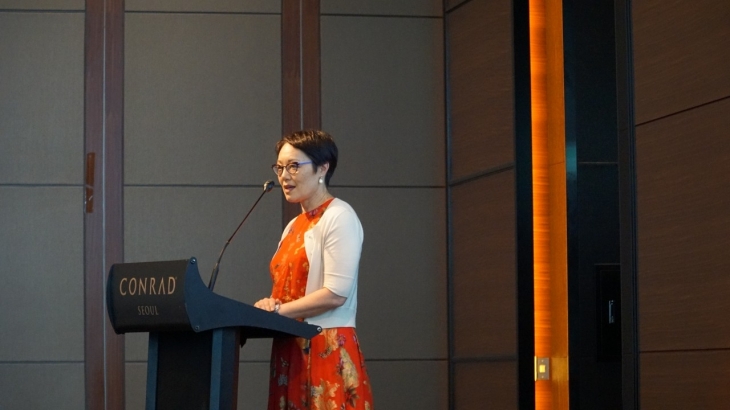
안젤라 워닉 북달(52) 뉴욕 센트럴 시나고그 수석 랍비가 18일 서울 영등포구 여의도동 콘래드 서울 호텔에서 열린 서울대 이스라엘교육연구센터 개소식에 참석해 이스라엘 문화와 다른 차이점을 통해 ‘한국사회가 당면한 문제에 관한 해결책’을 말하고 있다. 그는 이날 이영훈 여의도순복음교회 목사와 만나 대담했다.
주한이스라엘대사관 제공“한국의 아이들은 어린 시절 부모님께 전래동화 ‘청개구리’에서 어른 말에 순종해야 한다는 교훈을 먼저 배우지만, 유대 가정의 아이들은 조상 아브라함은 자신의 아버지가 가게에서 팔던 이교도 동상을 전부 때려 부숴 파괴했다는 일화를 먼저 배웁니다.”

미국에서 가장 영향력 있는 랍비이자 아시아계 최초 여성 수석랍비에 지명된 안젤라 워닉 북달(52) 뉴욕 센트럴 시나고그 수석랍비는 18일 10년만에 처음 방한해 가진 공개 강연에서 ‘한국의 경직된 위계서열 문화가 공교육 뿐만 아니라 전분야에서 창조적 아이디어로 무장한 스타트업이 화수분처럼 등장하는 생태계 조성을 가로막는 걸림돌’이라고 지적했다. 한국의 우수 인재는 ‘선생님 말을 잘 듣고 시험을 잘 보는 학생’이지만, 이스라엘은 권위있는 학자가 세운 정상과학과 정설, 어른들이 말한 통념과 진리에 정면 도전하고 계속 반기를 드는 사람을 국가 핵심 인재로 기른다는 것이다.

그는 아시아의 동쪽 끝과 서쪽 끝자락에 있는 한국과 이스라엘은 외세 침략과 문화소멸의 고통을 받았고, 전쟁 중인 적대국가와 접경하고 있는 점, 병역 의무제를 실시하고 있는 점에서 공통된다고 지적했다. 하지만 한국이 이스라엘과 달리 저출산과 혁신 성장이 더딘 이유에 대해 한국과 이스라엘 간 문화의 차이점을 지적하며 자신의 생각을 말했다.


한국 전래동화 청개구리는 다음과 같다. 홀로 아들을 키우는 어머니 청개구리가 살아 있을 때 어머니 말을 항상 거꾸로 행했던 아들 청개구리가 처음으로 그대로 행한 어머니의 말은, 죽어서 산비탈에 묻히고 싶었던 어머니 청개구리가 자신의 아들이 반대로 행할 줄 알고 거꾸로 말했던 ‘강가에 묻어달라’는 유언이었다. 어머니 시신을 강가에 묻은 이튿날 폭풍우가 몰아져 강가에 묻힌 어머니의 시신은 떠내려갔고, 어머니를 여읜 아들 청개구리는 피눈물을 힐리며 참회했다. 북달 랍비는 “한국의 ‘효’ 사상, 가족중심주의, 조상숭배 등 여러 교훈이 내포된 이 전래동화”라면서 “부모의 가치관을 거부하거나 말 안듣는 아이 칭찬하는 한국 가정 들어본 적 없다”고 말했다.

반면 그는 유대인 가정의 아이들이 어린시절 처음 듣는 조상 탄생 설화는 ‘집안에서 최고 권위를 가지는 아버지에 반격하는 아들의 이야기’라고 지적했다. 북달 랍비는 “어린 아들이 최고 권위인 아버지가 가장 아끼는 물건을 파괴하는 일화 가르친다”고 말했다. 유대인, 무슬림, 기독교의 공통 조상인 아브라함의 고향 갈대아 우르는 이교도 문화가 우세한 지역이었으며, 그의 아버지는 이교도 우상의 동상을 만들어 파는 사람이었다. 어느날 아버지의 가게를 맡은 그는 가게 안의 모든 이교도 우상을 파괴해버렸다. 그리고 그는 옛 가나안 땅으로 떠나 유대 국가를 번성시켰다.

북달 랍비는 “한국 사람들의 대화를 조금만 들으면 누가 선배고 후배고 연장자이고 아닌지 알 수 있게 된다”면서 “윗사람의 권위에 아랫사람이 도전하는 건 무례하고, 절대로 있을 수 없는 모욕적 언행으로 받아들이는 것이 한국 문화다. 물론 이스라엘 군대에도 불가피한 위계도 존재하지만, 아주 작은 부대 안에서도 위계질서와, 권위에 도전하는 아랫사람을 포용하는 문화가 형성돼 있다”고 말했다.


중동에서 지정학적으로 고립되어 있고, 인구 900만에 미국보다 543배 좁은 땅덩이(약 2만㎢)를 가진 소규모 국가 이스라엘에서는 매해 창조적 혁신 기술로 무장한 유니콘 기업이 화수분처럼 등장한다. 이스라엘의 스타트업 생태계 규모는 세계에서 7번째로 크고, 인구당 스타트업 창업 비율은 세계에서 가장 높다. 기업 가치가 1조원이 넘는 유니콘 기업을 131개 보유하고 있고, 이스라엘 텔아비브에 본사를 둔 유니콘 기업은 2024년 기준 26개다. 이는 전세계 전체 유니콘 기업의 10%에 달하는 수치다 세계 인공지능(AI) 스타트업 중 이스라엘의 점유율은 10.5%가 넘는다.

북달 랍비는 ‘하브루타’ 교육이 이스라엘의 창조 경제를 이끄는 인재를 양성했다고 지적했다. 하브루타는 두 사람이 토론하고 대화를 통해 진리를 탐구하는 공부 방식이다. 한 주제에 관해 두사람이 공부를 해온 뒤 한 사람이 논리적 허점을 찾아 질문을 던지면 다른 사람이 이 질문에 다시 논리적으로 구성된 답변을 내놓는 방식으로 진행되는 토론식 교육이다. 공인되고 권위있는 사람의 거스를 수 없는 말이 아닌 ‘진리’와 ‘논리’가 해법을 찾는 상위 기준이 된다. 그는 “대화와 토론, 질문이 수없이 오가는 유대인 하브루타 교육은 기본적으로 상호간에 고성이 오가며 시끄럽기 때문에 유대인들은 한국 사람들이 과거 절이나 도서관에 가서 조용한 환경에서 고시 공부를 한다는 사실을 받아들이기 어렵다”고 말했다.

다섯살에 미국인과 결혼한 어머니와 함께 한국을 떠나 미국 땅을 밟은 그는 예일대 종교학과를 졸업한 뒤 2014년 유대교 3대 회당인 뉴욕 센트럴 시나고그의 수석 랍비로 임명되었다. 여성이 유대교 고위직에 임명되는 일도 드문데, 한국인 여성이 선임된 건 아시아를 통틀어 처음이 있는 일이었다.

그는 “한국에선 사람들이 저를 보고 혼혈이라며 반만 한국인이라고 했죠. 미국에 가니 ‘한국 사람이 왔네’라고 했습니다. 유대인 단체에선 정체성은 어머니로부터 오는 것이기 때문에 ‘너는 반만 유대인’이란 이야길 들었죠. 완전한 한국인도 아니고 유대인도 아닌 이방인이 저의 정체성이 아닐까 생각합니다. 이방인은 외부인의 눈을 가늠할 수 있기 때문에 창의성과 공감능력을 가질 수 있습니다”라고 말했다.
최영권 기자