[세상읽기] 대학을 떠나며 / 조형근 : 칼럼 : 사설.칼럼 : 뉴스 : 한겨레모바일: 조형근 ㅣ 사회학자 11월부터 무직자가 됐다. 1년 남짓 한 정규직 교수 노릇을 그만두었다. 대입 때부터 따지면 만 30년 훌...
독서와 사색이 대학교수에게 사치라니 어쩌다 이렇게 됐을까?
한국 사회 자체의 모
순들을 논외로 한다면 지식생산체제로서 대학의 의미와 기능이 근본적으로 변했기
때문이다. 근대 19세기의 대학은 구체제의 권위주의에 맞서던 유럽 부르주아의 거
점이었다. 대학은 제 머리로 사유하는 비판적 교양인의 양성을 목표로 삼았으니 진
리탐구의 상아탑이었다. 실용적이지 않되 자유로운 엘리트 지식인을 길렀다. 사회학
자 만하임이 ‘자유롭게 떠도는 지식인’에 주목하고, 마르크스주의 사상가 그람시가
‘유기적 지식인’을 요청한 배경이다. 우리가 저 옛날 대학에서 목도하던 지사형 지식
인이 출현한 토양이기도 하다. 이제 이런 유형의 지식인은 대학에서 경멸받는다.
2차대전기 미국에서 성장하고 세계로 확산된 연구중심대학-산학협력모델에서 대학
은 실용지식의 생산공장이다. 대학의 존재의미는 고도 자본주의에 필요한 유용한
지식의 생산과 기업의 직무훈련비용 절감에 있다. 20세기 말 한국에서 시작된 대학
개혁의 목표이기도 하다. 자유롭고 비판적인 사유가 아니라 ‘국민의 삶’(사실은 자
본)에 직접 기여하는 지식의 생산이 중요해졌다. 모든 것이 엄정화되었다. 연구재단
의 기준에 맞는 논문과 학술지만 업적으로 인정받게 됐고, 정부와 대기업 프로젝트
의 수주로 연구자의 능력이 판가름나게 되었다. 정부와 언론은 평가를 통해 대학을
줄 세웠다.
자유로운 비판적 연구모임들은 제도권 학회로 변신했고, 대중을 향해 말
을 걸던 독립 학술지들은 필자와 심사자만 보는 연구재단 등재지로 변신했다. 혹은
동의해서, 혹은 살아남으려고 상당수 ‘교수지식인’이 이 체제에 순응했다.
한때 한국에서 대학은 고고한 희망의 사다리였다. 거기 가서 엘리트가 되었다.
지금
대학은 누구나 가는 곳이 된 대신 공고한 서열과 세계 최고 수준의 등록금으로 민중
에게 고통을 안기고 있다. 엘리트주의적 상아탑 모델이 답은 아니다. 나는 떠나는 쪽
을 선택했다. 어떻게든 해볼 요량이다. 남아서 치열하게 고민하는 분들도 어떻게든
해보셨으면 한다. ‘교수지식인’은 이미 민중에게 외면받고 있다. 어떻게든 하지 않는
다면, 감히 말하건대 우리는 퇴출될 것이다.
관련기사
“서로 밥값 하라는 명령 속 ‘대학은 더 촘촘한 신분사회’로
2019-11-30

1911 「主戦場」と研究倫理 「保守派は脇が甘い」のか?

Nobukatsu Fujioka
2 hrs ·
「主戦場」と研究倫理
「保守派は脇が甘い」のか?
千田まさひろさんのFBへの投稿に「脇が甘い」という批判がありました。これについてコメントを書きましたら、長さ制限に引っかかりましたので、自分のタイムラインに投稿します。(以下、本文)
保守派は脇が甘いという指摘は一般的には成立しますが、「主戦場」にそれを持ち込むのは不適切です。出崎は「上智大学」「学術研究」「卒業制作」のために協力していただきたい、といってアプローチしたのです。そういう学生には、協力するのは国民の義務です。私はその義務を果たしたのです。保守派の他の人たちも同じです。
これがもし、出崎が一ジャーナリストとして依頼して来たのなら、殆どの人は警戒してインタビューを受けなかったでしょう。過去にさんざん苦い経験があるからです。身元を調べたかもしれません。ケントさんが上念さんの番組で「どうして調べなかったのか」と問われていますが、私について言えば、学生の身元を調べるという発想は私には全くありませんでした。ネットに学生の経歴が載っているなどということはありませんよ。まだ世に出ていないのが「学生」ですから。私は十分警戒していましたが、出崎が上智の学生であることを疑う要素は何もありませんでした。私は忙しくて面倒くさくもあったのですが、いやいやながら義務を果たしました。
日系二世で日本語の読み書きが満足に出来ない出崎に、英語でプロパガンダ映画のためのインタビュー詐欺の方法を伝授したのは、上智大学国際教養学部長の中野晃一です。中野晃一は日本共産党の熱烈な支持者であり、安倍政権打倒工作を海外のメディアにたきつけている中心人物です。彼は「強制連行・性奴隷」派が落ち目の慰安婦論争に起死回生の逆転劇を仕掛けるために、出崎というアウトローが現れたのをチャンスとして、上智大学と学術研究を利用したのです。このポイントを外した「主戦場」論議は誤りです。
中野の行為が不問に付されるとすれば、日本の大学の学術研究は滅びます。誰もあぶなくて大学の研究に協力する人がいなくなるからです。ここに中野のやったことの犯罪性があるのです。学術研究は人を生かし人類の文化を向上させるために行われるものです。長年の積み重ねと研究者の努力で国民に「大学の研究なら間違いがないから信用して協力してあげよう」と思ってもらえるようになっているのです。
私は学生時代に、社会学者の農村調査に参加して、北海道のある集落に入り、一軒一軒の農家を回って、一箇所数時間にも及ぶ調査をしたことがあります。農家の皆さまは本当によく協力して下さいました。調査の性質上、その家庭のプライバシーに関わることや、人間関係の機微に触れることも学生の私が知ってしまうことになります。調査の報告や打ち合わせを兼ねて、宿で教授を囲んだ研究会を開きました。その中で、当然そうした話題も出ます。しかし、そういうことは調査の外部の人には絶対に口外しないこと、絶対に住民や地域に迷惑になるようなことを書いたりしてはいけないことを、それはそれは厳しくしつけられました。それが学術研究に携わる者の絶対的に守らなければならない倫理規範なのです。この規範を破る者は、学術の世界から追放されるのです。このように、学術研究の世界は、人を攻撃し貶めることとは無縁の世界です。その対極にあるものです。
中野は上智大学の信用、学術研究の信用、学生に対する日本社会の寛容な風土、そうしたもの一切を利用しつくしてあの醜悪な映画をつくったのです。だから、中野の行為は日本の学術研究への信頼を完全に破壊しました。彼の行為は上智大学が定めた研究倫理に関する規定に完全に違反します。上智大学は研究協力者の人権を守るために詳細な規則を定めています。10年くらい前から文科省の指導で各私立大学は同様の規則を定めています。協力者を保護する規定を置かないと、国民が研究に協力してくれなくなるからです。だから研究倫理は協力する国民をまもるためだけでなく、大学と学術研究を守るためにこそあるのです。
出崎は契約しているから法的に問題ない、という言い逃れをしています。中野は、「今になって騙された、などと(保守系の論者は)言っているが、全部自分がしゃべったことだ」と公言しています。待ってくれ。最初にREVISIONISTSとデカデカと大書して「コイツらは悪人だ。コイツらの言うことは信用するな」と観客に「紹介」したのは、「大学院生として、私にはインタビューさせて頂く方々を、尊敬と公平さをもって紹介する倫理敵意義務があります」とメールに書いていた出崎本人です。出崎は「研究倫理」の存在をよく知っているのです。知ったうえでやっている確信犯です。中野ももちろん同じです。だから、出崎には修士論文取り消し、修士号剥奪が当然の措置です。中野に対する処分は、もちろん、学術研究の世界から放逐する懲戒解雇です。
出崎は今、映画の宣伝にアメリカ、ヨーロッパを飛び回っています。国際的反日工作員です。中野研究室は、このような国際的反日工作員養成所なのです。中野の影響下にあって、出崎とともに同格の「プロデユーサー」となっている秦桃子は現在、フランス留学中です。中野は弟子を世界中に送り出しています。撮影についてきたオブリー・シリヴィはドイツに留学中です。反日憎悪を注入された弟子たちが世界にちらばっていくという構図です。
どうか、起こっている事態の本質を見てください。これだけ中野を攻撃しても、中野はその後ひと言の反論もして来ません。中野支持者の左翼や共産党もひと言も言いません。少しでも反論して、この事件が社会全体の知るところとなったら、彼らの言い分はひとたまりもなく粉砕されるからです。だから、偏向メディアは一切報じないし、それに守られて、中野・出崎は(今のところ)のうのうとしていられるのです。
千田様のご発言を読んで、決心したことがあります。今後「私は騙された」という言葉を、私は一切使わないことにします。「日本国民として当然の義務を果たしました」と言うことにします。中野らは「騙した」のですが、やられた方を「騙された」ということが不適切なのです。この点は言語的シンメトリーは成立しないケースです。「騙された」というと、次に人は「騙された人が悪い」という言葉を連想します。これをやっていると、中野らは免罪されて意識の外に置かれてしまうというメカニズムがはたらくからです。
「あいつらは自分たちのしくじりを他人のせいにしている愚かなやつらだ」と思っている人もいるでしょう。私たちは「私怨」をはらすために犠牲をはらっているのではありません。それとも、私たち被害者を批判する人たちは、「人を見ればドロボーと思え」「学生を見れば教授の回し者のスパイかもしれないと思え」という思考・行動パタンが当たり前の社会に日本をしたいのですか。それはすでに、「信頼社会」日本の文化破壊、文化侵略にやられることではありませんか。このような問いを提出させていただきます。
#中野晃一 #上智大学 #主戦場
번역 보기
RINRI.PUNISH-SHUSENJO.COM
映画「主戦場」上智大学研究不正事件の全体像 | -中野晃一教授と大学院生出崎幹根による人権侵害と大学当局による隠蔽工作-
【新着情報】 2019.11.05 通告書(8.28)に対する上智大学からの回答書(11.1)2019.11.05 11.4しんゆり映画祭主催団体への面会行動(動画) 2019.11.04 10.31川崎市役所要望書提出後の記者会見(動画) Update…
95Mitsumi Tomita, 竹内幸司 and 93 others
5 comments8 shares
LikeShare
Comments

昌寛千田 藤岡先生 コメントありがとうございます!私の書き方が悪く、大変申し訳ございませんでした。お詫び申し上げます。
Hide or report this
Like
· See translation
· 2h

Keiji Yamamoto 甘くは、無い😲😲
相手がチンピラ仕事したね、、、😱
Hide or report this
Like
· See translation
· 1h

Syou Nobushi 本当に卑劣で許せない連中ですね。
藤岡先生ご心労でしょうが、頑張って下さい。
3
Hide or report this
Like
· See translation
· 1h
· Edited

Maksymilian Hirofumi Nishimoto デザキの申し出は、「修論作成のため」「中立な立場で書きたい」などと言っていました、保守(保守ではない。まともな日本人、まともな人間ならこのように考えるだろうという水準)と言われる先生方は、「学生のためになるなら」と思われたのだと思います。「担当教授が誰なのか?」まで確認されたら、気付かれたはずだったと思いますが、最初から騙すつもりで取り組んでいるので胡麻化されたかもしれませんし、胡麻化したと思います。
1
Hide or report this
Like
· See translation
· 1h

Goino Kazunori シェアさせて頂きます。
Hide or report this
Like
· See translation
· 1h
中曽根元首相が「土人女を集め慰安所開設」! 防衛省に戦時記録が 2014.
LITERA/リテラ 本と雑誌の知を再発見
中曽根元首相が「土人女を集め慰安所開設」! 防衛省に戦時記録が
2014.08.29 08:00

中曽根元首相の“手記”が収録されている『終りなき海軍』(文化放送開発センター)
朝日新聞の慰安婦訂正記事で右派陣営が勢いづいている。「朝日は責任をとれ!」と気勢をあげているのはもちろん、自民党の政務調査会議は河野談話も朝日報道が前提だとして「河野談話を撤回し、新たな官房長官談話を!」とぶちあげた。また、同党の議連では朝日新聞関係者、さらに当時の河野洋平元官房長を国会に招致して聴取すべき、という意見までとび出している。
だが、朝日や河野洋平氏を聴取するなら、もっと先に国会に呼ぶべき人物がいる。それは第71代日本国内閣総理大臣の中曽根康弘だ。
大勲位まで受章した元首相をなぜ従軍慰安婦問題で審訊しなければならないのか。それは先の大戦で海軍主計士官(将校)の地位にあった中曽根元首相が、自ら慰安所の設置に積極的に関わり、慰安婦の調達までしていたからだ。
何かというと左翼のでっちあげとわめきたてて自分たちを正当化しようとする保守派やネトウヨのみなさんには申し訳ないが、これは捏造でも推測でもない。中曽根元首相は自分の“手記”の中で自らこの事実を書いており、しかも、防衛省にそれを裏付ける戦時資料が存在していたのだ。そこには、部隊の隊員によるこんな文言が書かれていた。
「主計長の取計で土人女を集め慰安所を開設」
まず、“手記”の話からいこう。中曽根が慰安所設立の事実を書いたのは『終りなき海軍』(松浦敬紀・編/文化放送開発センター/1978)。同書は戦中海軍に所属し、戦後各界で活躍した成功者たちが思い出話を語った本だが、その中で、海軍主計士官だった中曽根も文章を寄稿していた。
タイトルは「二十三歳で三千人の総指揮官」。当時、インドネシアの設営部隊の主計長だった中曽根が、荒ぶる部下たちを引き連れながら、いかに人心掌握し戦場を乗り切ったかという自慢話だが、その中にこんな一文があったのだ。
「三千人からの大部隊だ。やがて、原住民の女を襲うものやバクチにふけるものも出てきた。そんなかれらのために、私は苦心して、慰安所をつくってやったこともある。かれらは、ちょうど、たらいのなかにひしめくイモであった。卑屈なところもあるし、ずるい面もあった。そして、私自身、そのイモの一つとして、ゴシゴシともまれてきたのである」
おそらく当時、中曽根は後に慰安婦が問題になるなんてまったく想像していなかったのだろう。その重大性に気づかず、自慢話として得々と「原住民の女を襲う」部下のために「苦心して、慰安所をつくってやった」と書いていたのだ。
ところが、それから30年たって、この記述が問題になる。2007年3月23日、中曽根が日本外国特派員協会で会見をした際、アメリカの新聞社の特派員からこの記載を追及されたのだ。
このとき、中曽根元首相は「旧海軍時代に慰安所をつくった記憶はない」「事実と違う。海軍の工員の休憩と娯楽の施設をつくってほしいということだったので作ってやった」「具体的なことは知らない」と完全否定している。
だが、これは明らかに嘘、ごまかしである。そもそもたんなる休憩や娯楽のための施設なら、「苦心」する必要があるとは思えないし、中曽根元首相の弁明通りなら、『終りなき海軍』の“手記”のほうがデタラメということになってしまう。だが、同書の編者である松浦敬紀はその10年ほど前、「フライデー」の取材に「中曽根さん本人が原稿を2本かいてきて、どちらかを採用してくれと送ってきた」「本にする段階で本人もゲラのチェックをしている」と明言しているのだ。
いや、そんなことよりなにより、中曽根元首相の慰安所開設には、冒頭に書いたように、客観的な証拠が存在する。
国家機関である防衛省のシンクタンク・防衛研究所の戦史研究センター。戦史資料の編纂・管理や、調査研究を行っている研究機関だが、そこにその証拠資料があった。
資料名は「海軍航空基地第2設営班資料」(以下、「2設営班資料」)。第2設営班とは、中曽根が当時、主計長を務めていた海軍設営班矢部班のことで、飛行場設営を目的にダバオ(フィリピン)、タラカン(インドネシア)を経てバリクパパン(インドネシア)に転戦した部隊だが、この資料は同部隊の工営長だった宮地米三氏がそれを記録し、寄贈。同センターが歴史的価値のある資料として保存していたものだ。
本サイトは今回、同センターでその「第2設営班資料」を閲覧し、コピーを入手した。
宮地氏の自筆で書かれたと思われるその資料にはまず、「第二設営班 矢部部隊」という表題の後、「一 編制」という項目があり、幹部の名前が列挙されていた。すると、そこには「主計長 海軍主計中尉 中曽根康弘」という記載。そして、資料を読み進めていくと、「5、設営後の状況」という項目にこんな記録が載っていたのだ。
「バリクパパンでは◯(判読不可)場の整備一応完了して、攻撃機による蘭印作戦が始まると工員連中ゆるみが出た風で又日本出港の際約二ヶ月の旨申し渡しありし為皈(ママ)心矢の如く気荒くなり日本人同志けんか等起る様になる
主計長の取計で土人女を集め慰安所を開設気持の緩和に非常に効果ありたり」
さらに「第2設営班資料」のなかには、慰安所設置を指し示す証拠となる、宮地氏の残したものと思われる手書きの地図も存在していた。
それはバリクパパン「上陸時」の様子(昭和17年1月24日)と、設営「完了時」の様子(17年1月24日〜同年3月24日)を表す2点の地図資料だ。バリクパパン市街から約20km地点のこの地図から、中曽根たちが設営したと思われるマンガル飛行場滑走路のそばを流れるマンガル河を中心に民家が点在し、またマンガル河から離れた場所に民家が一軒だけポツリと孤立していることがわかる。
そして2つの地図を見比べてみると、“ある変化”があることに気づく。「上陸時」から「完了時」の地図の変化のひとつとして、その孤立した民家の周辺に、設営班が便所をおいたことが記されている。さらにその場所には「上陸時」にはなかった「設営班慰安所」との記載が書き加えられている。
つまり、上陸時に民家だった場所を日本軍が接収し、「設営班慰安所」に変えてしまったと思われるのだ。
もはや言い逃れのしようはないだろう。「主計長 海軍主計中尉 中曽根康弘」「主計長の取計で土人女を集め慰安所を開設」という記載。それを裏付ける地図。中曽根元首相が自分で手記に書いたこととぴったり符号するではないか。
しかも、「土人女を集め」という表現を読む限り、中曽根主計長が命じて、現地で女性を調達したとしか考えられないのである。
実際、インドネシアでは多くの女性が慰安婦として働かされており、彼女たちは日本軍に命じられた村の役人の方針で、どんなことをさせられるのかもしらないまま日本兵の引率のもと連れ去られたことを証言している。そして、年端も行かない女性達がいきなり慰安所で複数の日本兵に犯されたという悲惨な体験が語られ、その中にはこのパリクパパンの慰安所に連れてこられたという女性もいる。
つまり、中曽根首相がこうした“強制連行”に関与していた可能性も十分あるのだ。
朝日新聞の訂正で勢いづいた保守・右派勢力は銃剣を突きつけて連行したという吉田証言が虚偽だったという一事をもって、強制連行そのものを否定しようとしている。さらには従軍慰安婦への軍の関与そのものを否定するかのような虚偽を平気でふりまいている。
しかし、もし、強制連行はない、軍の関与もないといいはるならここはやはり、「土人女を集め」たという元主計長・中曽根康弘を国会に喚問して、どう「集め」たのか、「苦心」とはなんだったのか証言させるべきではないのか。一メディアの誤報をあげつらうより、そのほうがはるかに「歴史の検証」になると思うのだが、いかがだろう。
(エンジョウトオル)
中曽根元首相が「土人女を集め慰安所開設」! 防衛省に戦時記録が
2014.08.29 08:00
中曽根元首相の“手記”が収録されている『終りなき海軍』(文化放送開発センター)
朝日新聞の慰安婦訂正記事で右派陣営が勢いづいている。「朝日は責任をとれ!」と気勢をあげているのはもちろん、自民党の政務調査会議は河野談話も朝日報道が前提だとして「河野談話を撤回し、新たな官房長官談話を!」とぶちあげた。また、同党の議連では朝日新聞関係者、さらに当時の河野洋平元官房長を国会に招致して聴取すべき、という意見までとび出している。
だが、朝日や河野洋平氏を聴取するなら、もっと先に国会に呼ぶべき人物がいる。それは第71代日本国内閣総理大臣の中曽根康弘だ。
大勲位まで受章した元首相をなぜ従軍慰安婦問題で審訊しなければならないのか。それは先の大戦で海軍主計士官(将校)の地位にあった中曽根元首相が、自ら慰安所の設置に積極的に関わり、慰安婦の調達までしていたからだ。
何かというと左翼のでっちあげとわめきたてて自分たちを正当化しようとする保守派やネトウヨのみなさんには申し訳ないが、これは捏造でも推測でもない。中曽根元首相は自分の“手記”の中で自らこの事実を書いており、しかも、防衛省にそれを裏付ける戦時資料が存在していたのだ。そこには、部隊の隊員によるこんな文言が書かれていた。
「主計長の取計で土人女を集め慰安所を開設」
まず、“手記”の話からいこう。中曽根が慰安所設立の事実を書いたのは『終りなき海軍』(松浦敬紀・編/文化放送開発センター/1978)。同書は戦中海軍に所属し、戦後各界で活躍した成功者たちが思い出話を語った本だが、その中で、海軍主計士官だった中曽根も文章を寄稿していた。
タイトルは「二十三歳で三千人の総指揮官」。当時、インドネシアの設営部隊の主計長だった中曽根が、荒ぶる部下たちを引き連れながら、いかに人心掌握し戦場を乗り切ったかという自慢話だが、その中にこんな一文があったのだ。
「三千人からの大部隊だ。やがて、原住民の女を襲うものやバクチにふけるものも出てきた。そんなかれらのために、私は苦心して、慰安所をつくってやったこともある。かれらは、ちょうど、たらいのなかにひしめくイモであった。卑屈なところもあるし、ずるい面もあった。そして、私自身、そのイモの一つとして、ゴシゴシともまれてきたのである」
おそらく当時、中曽根は後に慰安婦が問題になるなんてまったく想像していなかったのだろう。その重大性に気づかず、自慢話として得々と「原住民の女を襲う」部下のために「苦心して、慰安所をつくってやった」と書いていたのだ。
ところが、それから30年たって、この記述が問題になる。2007年3月23日、中曽根が日本外国特派員協会で会見をした際、アメリカの新聞社の特派員からこの記載を追及されたのだ。
このとき、中曽根元首相は「旧海軍時代に慰安所をつくった記憶はない」「事実と違う。海軍の工員の休憩と娯楽の施設をつくってほしいということだったので作ってやった」「具体的なことは知らない」と完全否定している。
だが、これは明らかに嘘、ごまかしである。そもそもたんなる休憩や娯楽のための施設なら、「苦心」する必要があるとは思えないし、中曽根元首相の弁明通りなら、『終りなき海軍』の“手記”のほうがデタラメということになってしまう。だが、同書の編者である松浦敬紀はその10年ほど前、「フライデー」の取材に「中曽根さん本人が原稿を2本かいてきて、どちらかを採用してくれと送ってきた」「本にする段階で本人もゲラのチェックをしている」と明言しているのだ。
いや、そんなことよりなにより、中曽根元首相の慰安所開設には、冒頭に書いたように、客観的な証拠が存在する。
国家機関である防衛省のシンクタンク・防衛研究所の戦史研究センター。戦史資料の編纂・管理や、調査研究を行っている研究機関だが、そこにその証拠資料があった。
資料名は「海軍航空基地第2設営班資料」(以下、「2設営班資料」)。第2設営班とは、中曽根が当時、主計長を務めていた海軍設営班矢部班のことで、飛行場設営を目的にダバオ(フィリピン)、タラカン(インドネシア)を経てバリクパパン(インドネシア)に転戦した部隊だが、この資料は同部隊の工営長だった宮地米三氏がそれを記録し、寄贈。同センターが歴史的価値のある資料として保存していたものだ。
本サイトは今回、同センターでその「第2設営班資料」を閲覧し、コピーを入手した。
宮地氏の自筆で書かれたと思われるその資料にはまず、「第二設営班 矢部部隊」という表題の後、「一 編制」という項目があり、幹部の名前が列挙されていた。すると、そこには「主計長 海軍主計中尉 中曽根康弘」という記載。そして、資料を読み進めていくと、「5、設営後の状況」という項目にこんな記録が載っていたのだ。
「バリクパパンでは◯(判読不可)場の整備一応完了して、攻撃機による蘭印作戦が始まると工員連中ゆるみが出た風で又日本出港の際約二ヶ月の旨申し渡しありし為皈(ママ)心矢の如く気荒くなり日本人同志けんか等起る様になる
主計長の取計で土人女を集め慰安所を開設気持の緩和に非常に効果ありたり」
さらに「第2設営班資料」のなかには、慰安所設置を指し示す証拠となる、宮地氏の残したものと思われる手書きの地図も存在していた。
それはバリクパパン「上陸時」の様子(昭和17年1月24日)と、設営「完了時」の様子(17年1月24日〜同年3月24日)を表す2点の地図資料だ。バリクパパン市街から約20km地点のこの地図から、中曽根たちが設営したと思われるマンガル飛行場滑走路のそばを流れるマンガル河を中心に民家が点在し、またマンガル河から離れた場所に民家が一軒だけポツリと孤立していることがわかる。
そして2つの地図を見比べてみると、“ある変化”があることに気づく。「上陸時」から「完了時」の地図の変化のひとつとして、その孤立した民家の周辺に、設営班が便所をおいたことが記されている。さらにその場所には「上陸時」にはなかった「設営班慰安所」との記載が書き加えられている。
つまり、上陸時に民家だった場所を日本軍が接収し、「設営班慰安所」に変えてしまったと思われるのだ。
もはや言い逃れのしようはないだろう。「主計長 海軍主計中尉 中曽根康弘」「主計長の取計で土人女を集め慰安所を開設」という記載。それを裏付ける地図。中曽根元首相が自分で手記に書いたこととぴったり符号するではないか。
しかも、「土人女を集め」という表現を読む限り、中曽根主計長が命じて、現地で女性を調達したとしか考えられないのである。
実際、インドネシアでは多くの女性が慰安婦として働かされており、彼女たちは日本軍に命じられた村の役人の方針で、どんなことをさせられるのかもしらないまま日本兵の引率のもと連れ去られたことを証言している。そして、年端も行かない女性達がいきなり慰安所で複数の日本兵に犯されたという悲惨な体験が語られ、その中にはこのパリクパパンの慰安所に連れてこられたという女性もいる。
つまり、中曽根首相がこうした“強制連行”に関与していた可能性も十分あるのだ。
朝日新聞の訂正で勢いづいた保守・右派勢力は銃剣を突きつけて連行したという吉田証言が虚偽だったという一事をもって、強制連行そのものを否定しようとしている。さらには従軍慰安婦への軍の関与そのものを否定するかのような虚偽を平気でふりまいている。
しかし、もし、強制連行はない、軍の関与もないといいはるならここはやはり、「土人女を集め」たという元主計長・中曽根康弘を国会に喚問して、どう「集め」たのか、「苦心」とはなんだったのか証言させるべきではないのか。一メディアの誤報をあげつらうより、そのほうがはるかに「歴史の検証」になると思うのだが、いかがだろう。
(エンジョウトオル)
알라딘: 한국이 싫어서 장강명 2015 요약+평론
알라딘: 한국이 싫어서:
한국이 싫어서 장강명 (지은이)
한국이 싫어서 장강명 (지은이)
민음사2015-05-08
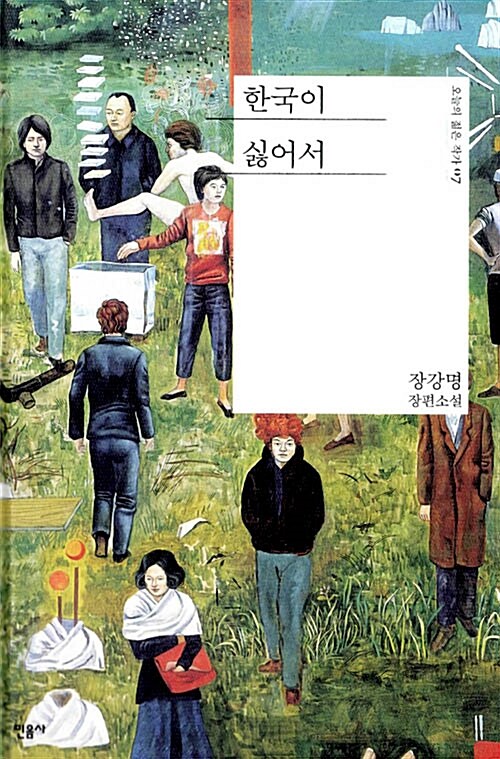
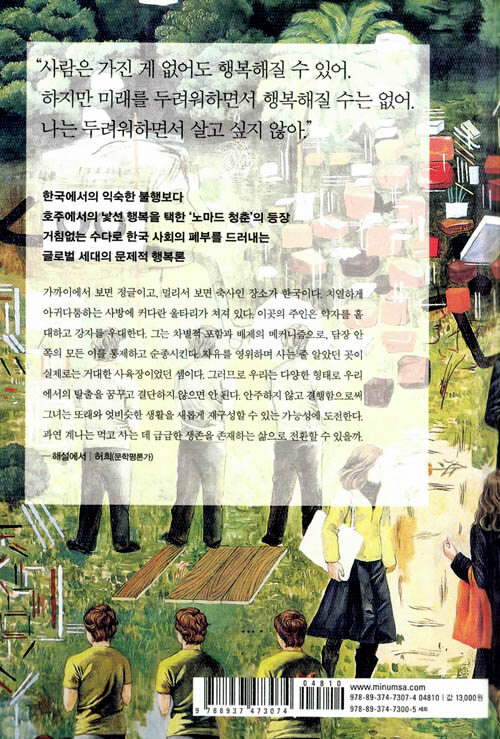

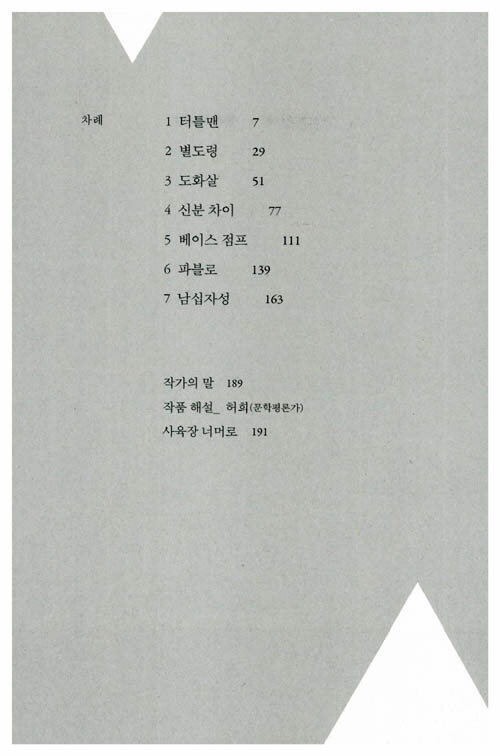






Sales Point : 10,561
 9.1100자평(765)리뷰(189)
주간 편집 회의
"난 정말 한국에선 경쟁력이 없는 인간이야"
3년 좀 넘는 직장생활 후 계나가 깨달은 것은, 스스로가 한국과 맞지 않는다는 것이었다. 추위도 잘 타고, 물려받을 것도 없고, 목표를 위해 목숨을 걸고 치열하게 도전하지도 못하고, 매사 까다로운. 정글 같은 한국사회에서, 같은 '톰슨가젤'들과 연대해 사자와 맞짱을 뜨느니, 그는 유토피아 호주로 떠나기로 결심한다. 남자친구와의 이별, 부모의 반대, 불안정한 미래 모두를 무릅쓰고 피를 흘리며 국경을 넘은 후, 키에나 킴이라는 이름으로 타지에서 살아남기 위해 고군분투한다. 이 책은 그녀의 고생담, 혹은 성장담이다.
<표백>으로 한겨레문학상을 수상하며, '표백세대'의 냉혹한 현실을 날카로운 문체로 그려냈던 장강명이, 한 세대의 이야기를 전혀 다른 방식으로 들려준다. 수다를 떨듯 전개되는 계나의 이야기는 쉴 틈이 없다. 현실적이며 냉소적이며 긍정적인 주인공 계나의 이야기를 듣다보면 서울 소재 중위권 대학을 졸업해 금융권 회사에 3년 근무한 여성 직장인 모 씨가 아닌, '계나'라는 인물의 독보적 개성이 선명하게 다가온다. 말솜씨 좋은 계나의 이야기를 끄덕이며 들으며 그의 행복을 응원하다가도, 한편으론 입이 쓰다. 개념없는 시댁, 지리멸렬한 직장, 부도덕함을 강요하는 조직, 낮은 시급, 불투명한 미래, 거대한 톱니바퀴에 치이지 않고 한국사회에서 행복하게 살아남는 것이 가능할까? 많은 이야기를 유쾌하게 풀어내는 영리한 소설.
- 소설 MD 김효선 (2015.06.02)
--
책소개
오늘의 젊은 작가 시리즈 7권. 사회 비판적 문제에서 SF까지 아우르는 다양한 소재, 흡인력 있는 스토리 전개, 날렵하고 군더더기 없는 문장. 일본 대중 문학의 기수 오쿠다 히데오에 비견되며 한국 문학에 새로운 활기를 불어 넣고 있는 작가 장강명의 장편소설.
20대 후반의 직장 여성이 회사를 그만두고 호주로 이민 간 사정을 대화 형식으로 들려주는 소설이다. 학벌.재력.외모를 비롯해 자아실현에 대한 의지·출세에 대한 욕망에 이르기까지 모든 부분에서 평균 혹은 그 이하의 수준으로 살아가며 미래에 대한 비전을 꿈꾸지 못하는 주인공이 이민이라는 모험을 통해 자신만의 행복을 찾아 가는 과정을 담았다. 특히 1인칭 수다 형식으로 이루어지는 전개 방식은 20대 후반 여성의 말을 그대로 받아 적은 듯 생생하고 경쾌하게 전달해 읽는 재미를 더한다.
등단작 <표백>이 청년 문제를 생산하는 '사회'의 한 단면을 통찰하고 <열광금지, 에바로드>가 사회와 거리를 둔 채 자신만의 세계를 만들어 가는 오타쿠라는 '개인'의 영역을 통찰했다면, <한국이 싫어서>는 개인과 사회의 관계.사회에서 살아가는 개인이 자신의 행복을 위해 취할 수 있는 가능성의 한계를 모색한다. 깊이 있는 주제를 장강명 특유의 비판적이면서도 명쾌한 문장과 독자를 끌어당기는 흥미로운 스토리로 표현했다.
Sales Point : 10,561
9.1100자평(765)리뷰(189)주간 편집 회의
"난 정말 한국에선 경쟁력이 없는 인간이야"
3년 좀 넘는 직장생활 후 계나가 깨달은 것은, 스스로가 한국과 맞지 않는다는 것이었다. 추위도 잘 타고, 물려받을 것도 없고, 목표를 위해 목숨을 걸고 치열하게 도전하지도 못하고, 매사 까다로운. 정글 같은 한국사회에서, 같은 '톰슨가젤'들과 연대해 사자와 맞짱을 뜨느니, 그는 유토피아 호주로 떠나기로 결심한다. 남자친구와의 이별, 부모의 반대, 불안정한 미래 모두를 무릅쓰고 피를 흘리며 국경을 넘은 후, 키에나 킴이라는 이름으로 타지에서 살아남기 위해 고군분투한다. 이 책은 그녀의 고생담, 혹은 성장담이다.
<표백>으로 한겨레문학상을 수상하며, '표백세대'의 냉혹한 현실을 날카로운 문체로 그려냈던 장강명이, 한 세대의 이야기를 전혀 다른 방식으로 들려준다. 수다를 떨듯 전개되는 계나의 이야기는 쉴 틈이 없다. 현실적이며 냉소적이며 긍정적인 주인공 계나의 이야기를 듣다보면 서울 소재 중위권 대학을 졸업해 금융권 회사에 3년 근무한 여성 직장인 모 씨가 아닌, '계나'라는 인물의 독보적 개성이 선명하게 다가온다. 말솜씨 좋은 계나의 이야기를 끄덕이며 들으며 그의 행복을 응원하다가도, 한편으론 입이 쓰다. 개념없는 시댁, 지리멸렬한 직장, 부도덕함을 강요하는 조직, 낮은 시급, 불투명한 미래, 거대한 톱니바퀴에 치이지 않고 한국사회에서 행복하게 살아남는 것이 가능할까? 많은 이야기를 유쾌하게 풀어내는 영리한 소설.
- 소설 MD 김효선 (2015.06.02)
--
책소개
오늘의 젊은 작가 시리즈 7권. 사회 비판적 문제에서 SF까지 아우르는 다양한 소재, 흡인력 있는 스토리 전개, 날렵하고 군더더기 없는 문장. 일본 대중 문학의 기수 오쿠다 히데오에 비견되며 한국 문학에 새로운 활기를 불어 넣고 있는 작가 장강명의 장편소설.
20대 후반의 직장 여성이 회사를 그만두고 호주로 이민 간 사정을 대화 형식으로 들려주는 소설이다. 학벌.재력.외모를 비롯해 자아실현에 대한 의지·출세에 대한 욕망에 이르기까지 모든 부분에서 평균 혹은 그 이하의 수준으로 살아가며 미래에 대한 비전을 꿈꾸지 못하는 주인공이 이민이라는 모험을 통해 자신만의 행복을 찾아 가는 과정을 담았다. 특히 1인칭 수다 형식으로 이루어지는 전개 방식은 20대 후반 여성의 말을 그대로 받아 적은 듯 생생하고 경쾌하게 전달해 읽는 재미를 더한다.
등단작 <표백>이 청년 문제를 생산하는 '사회'의 한 단면을 통찰하고 <열광금지, 에바로드>가 사회와 거리를 둔 채 자신만의 세계를 만들어 가는 오타쿠라는 '개인'의 영역을 통찰했다면, <한국이 싫어서>는 개인과 사회의 관계.사회에서 살아가는 개인이 자신의 행복을 위해 취할 수 있는 가능성의 한계를 모색한다. 깊이 있는 주제를 장강명 특유의 비판적이면서도 명쾌한 문장과 독자를 끌어당기는 흥미로운 스토리로 표현했다.
2019-11-29
Giant construction project takes shape in remote North Korea | The Japan Times
Giant construction project takes shape in remote North Korea | The Japan Times:
 Ski facilities undergo construction in Samjiyon, North Korea, on Sept. 13. | AFP-JIJI
ASIA PACIFIC
Giant construction project takes shape in remote North Korea
AFP-JIJI, REUTERS
SEP 20, 2019
SAMJIYON, NORTH KOREA – Like a scene from an epic film, thousands of workers swarm over the building sites of Samjiyon, a monumental construction project in the far reaches of North Korea ordered by leader Kim Jong Un.
They clamber over wooden scaffolding and dangle from window frames. Whether they are carrying loads, sifting sand or mixing concrete, most of the work is carried out by hand.
The plan involves nothing less than the rebuilding of the entire town of Samjiyon, the seat of a county that includes the supposed birthplace of Kim’s father and predecessor, Kim Jong Il, and Mount Paektu, the spiritual birthplace of the Korean nation.
It encompasses a museum of revolutionary activities, a winter sports training complex, processing plants for blueberries and potatoes — two of the area’s most important crops — a new railway line to Hyesan and 10,000 apartments.
It is the kind of showpiece project that can only be launched by a state as monolithic as North Korea, where authorities can decide to deploy vast amounts of resources and manpower to a single goal and implement it by order.
The results can be striking — thousands of houses were built in just three months after flooding hit North Hamgyong province in 2016.
But doubts have been raised about the sustainability of such projects once the physical infrastructure is established, with questions over issues ranging from utility supplies to durability and economic viability.
Kim has himself addressed such concerns on his several inspection visits to Samjiyon. During one, last year, he was photographed sitting with officials on a mountain of potatoes, whose growth he is encouraging in order to diversify the food sources in the chronically undernourished North.
North Korea’s crop production this year is expected to drop to its lowest level in five years, the United Nations said on Thursday, bringing serious shortages for 40 percent of the population, as a dry spell and poor irrigation hit an economy already reeling from sanctions over its weapons programs.
The U.N. Food and Agriculture Organization said the poor harvest of the main crops, rice and corn, means 10.1 million people are in urgent need of assistance.
South Korea has pledged to provide 50,000 tons of rice aid to its northern neighbor through the U.N. World Food Programme. But its delivery has been delayed by Pyongyang’s lukewarm response amid stalled inter-Korean dialogue and denuclearization talks with the United States, Seoul officials said.
In July, the North’s official Korean Central News Agency said a campaign to mitigate the effects of drought was underway by digging canals and wells, installing pumps, and using people and vehicles to transport water.
But North Korea has told the United Nations to cut the number of its staff it deploys in the country for aid programs, citing the “politicization of U.N. assistance by hostile forces.”
Sporadic famines are common in North Korea, but observers said a severe nationwide famine in the 1990s killed as many as a million people.
When Kim visited Samjiyon last year, he said the builders should prioritize quality over speed. KCNA cited him saying that if construction was “gorgeous in appearance but poor in substance, it will be blamed by the people and future generations.”
He has also stressed the need to ensure sufficient electricity supplies in the drive to turn Samjiyon, the “home of our revolution” into “a highly civilized mountainous city” and “the richest county in the country,” according to KCNA.
It is an ambitious goal in a remote, challenging environment, with long, bitterly cold winters and mountainous terrain, and an area where many roads are still unsealed.
According to local officials, around half of the workforce in Samjiyon County — which has a population of 25,000 — are employed in maintaining its historic sites and related activities, 20 percent in agriculture and the rest in industry, including food processing.
Pyongyang has given no figures for the cost of the redevelopment, which will open in phases with Kim ordering completion by the 75th anniversary of the foundation of the ruling Workers’ Party of Korea in October next year.
Some of the Samjiyon buildings already appear finished, with their exteriors tiled, but others remain just concrete shells.
Many of the builders are soldiers — much of the North’s army is devoted to construction — while others are civilians, and they work even on the harvest holiday of Chusok, one of Korea’s most important traditional festivals.
Students have been sent to work on the plan during university holidays, and some of those on site appear to be teenagers.
But while the North is never short of manpower, observers suggest that sanctions imposed on Pyongyang over its nuclear and ballistic missile programs have affected projects such as Samjiyon and the giant Wonsan-Kalma tourist development — which has repeatedly been delayed — on the west coast.
KCNA quoted Kim in April calling Samjiyon “a fierce class and political struggle against the hostile forces seeking to check the advance of the DPRK.”
The New Humanitarian | The real crisis in North Korea is not the one you’ve been hearing about
The New Humanitarian | The real crisis in North Korea is not the one you’ve been hearing about:
Aid and Policy
Opinion
18 May 2017
The real crisis in North Korea is not the one you’ve been hearing about
Gianluca Spezza
Research fellow at the DPRK Strategic Research Center and assistant professor of international relations at KIMEP University in Almaty, Kazakhstan.

Agriculture in North Korea relies heavily on manual labor with few machines in sight. Food production has been further hampered by poor rains over the past 18 months. (Devrig Velly EU/ECHO)
PhD candidate at the International Institute of Korean Studies, University of Central Lancashire, and founding contributor at NK News
The Democratic People’s Republic of Korea has been in the news a lot lately, with the DPRK testing new missiles and the United States moving a naval strike group off the Korean peninsula. The commentary almost always revolves around strategic issues, especially North Korea’s nuclear programme.
In focusing so narrowly on the country’s military and its leader, Kim Jong-un, however, the debate largely overlooks the North Korean people.
This has two major implications.
First, it perpetuates an image of the country that is not in line with reality. In fact, the younger Kim does not enjoy the kind of monolithic influence held by his grandfather, Kim Il-sung, or his father, Kim Jong-il. Power structures in North Korea began to disintegrate under Kim Jong-il and are now widely ramified. Security apparatuses are no longer under one single point of command; neither are military corps. This is something that the administration of US President Donald Trump seems to be oblivious to, but it should take into account when formulating policy.
Second, and most important, the world’s myopic attention to Kim Jong-un precludes recognition of the nearly 26 million people that live in the country. They represent the true issue at stake, once the current regime – which is living on borrowed time – is gone.
What do we know about DPRK and its people?
Oddly enough, since the early 1990s the international community has accumulated a larger knowledge base on North Korean society than intelligence agencies have ever had on its military. Yet, most media insist on reporting obsessively on the latter. This is shortsighted.
The questions we ought to ask instead, if we are to understand where the country is headed, are: What is the current state of North Korea? What do we know about its society and economy? What kind of country will emerge once the regime is gone?
These questions matter, because with each crisis, the possibility of regime change or collapse becomes more real. With that, the risk of a humanitarian catastrophe increases, and neither South Korea nor China are well prepared to respond.
North Korea represents an anomaly, for both aid organisations and experts of international politics. But things are changing.
For a long time, the country may have deserved its moniker of the hermit kingdom. But today, after 22 years of humanitarian assistance and development, the DPRK is an aid-dependent country, stuck in a paradoxical situation. Its economy crashed in the mid-1990s and never recovered, while its social indicators went from good, to terrible, to decent over the last two decades.
The North Korean development indicators for children’s welfare, as well as immunisation and education, are well above countries with a much higher GDP, but the economy does not reflect this relatively healthy development status. The DPRK produces very little of value, and its people find survival in the black market rather than state-provided jobs.
North Korea, in other words, has the economy of an underdeveloped country, with levels of social development of a middle-to-high income country. It is time to take a look at the country beyond military parades.
How did North Korea get so poor?
Upon the demise of its first leader, Kim Il-sung, in 1994, the DPRK faced a combination of domestic and international factors that negatively affected all sectors of society and state institutions. External circumstances included the loss between 1991 and 1993 of its main allies and economic partners, the Soviet Union and China. In addition, in 1993, China started to demand payments at regular market rates for oil and fuel, which had until then been provided at very low prices and constituted the main source of energy for the DPRK.
In this rapidly changing international scenario, the DPRK, which had become heavily dependent on subsided trade with its former communist partners during the Cold War, found itself with no economic safety net. At the same time, the country was hit by a series of droughts and floods, along with a sudden shortage of energy sources. This devastated an agriculture system almost entirely dependent on chemical fertilisers and mechanised irrigation.
With diminishing amounts of food, the effectiveness of the Public Distribution System that regulated the allocation of basic goods decreased gradually, forcing the population to seek alternative means of subsistence. Housewives, factory workers, doctors, nurses, teachers and students alike had to fend for themselves in order to secure food and heating material during winter.
The crisis caught many North Koreans by surprise, and it was aggravated by economic mismanagement. It should be noted that the Public Distribution System did not collapse altogether, but the degree of functioning of the system varied between different provinces. Between 1994 and 1998, GDP declined by almost half. This, in combination with the progressive dysfunction of the PDS, severely reduced access to food, medications, and primary goods, leading to a famine and to the general deterioration of the population’s ability to withstand further calamities.
The economy: China dominates
Today, it is safe to say that, in effect, China runs North Korea’s economy. Chinese currency is widely used in the unofficial markets that have mushroomed around the country since the crisis of the mid-1990s.
China gets the lion’s share of trade with North Korea and provides the bulk of its food and energy. Luxury items, if and when they manage to come into the DPRK, do so from across the border region of Yanbian or Chinese ports.
To be sure, North Korea does have a few economic niches, but these too are largely influenced by China’s presence. The DPRK’s significant mineral resources are almost exclusively exploited by Chinese companies, and Chinese visitors make for the majority of customers in North Korea's trade fairs and Special Economic Zones.
In other words, simply by looking at the economy of North Korea, one could surmise that as long as China is there to support it, the country could muddle along with no substantial changes for a very long time. A look at North Korean social indicators, however, offers a different perspective.
Demography is destiny
The key indicators of a country’s state of health and future prospects are its social statistics, particularly those on demographics. According to combined data from the Central Bureau of Statistics in Pyongyang, the World Bank Institute, and the UN gathered in 2008, and data by UNICEF gathered in 2014, the DPRK’s average population growth rate for 1990-2004 was 0.9 percent, or equivalent to that of upper middle-income countries. The same data provide trends for 2004-2020 that place growth at 0.4 percent, or equivalent to that of high-income countries.
At the same time, North Korea’s birth rate dropped to 16 per 1,000 people in the late 2000s – the level of middle-income countries – whilst the fertility rate is slowly approaching the levels of most Western countries. It sits between parity – two children, which is the minimum requirement for a population to continue replacing itself over time – and one child or none per couple, which is deemed not enough to avoid extinction in the long run. The latter is where Germany, Italy, and most EU countries are at present.
What does this mean for the future of North Korea?
If we read population increase as an indication of economic and social stability, the DPRK looks further removed from the so-called “failed states” it is often compared to – like Somalia, Yemen, or South Sudan – which are all on the verge of famine (or, in the case of parts of South Sudan, already experiencing it). North Korea is in fact undergoing the same "cradle crisis" that characterises advanced countries, from Japan to Germany.
However, the same statistics, viewed from the standpoint of overall death rates and infant mortality rates suggest the DPRK is right there with low-income countries. Its average death rate is as high as 11 per 1,000 people, and rates of infant mortality that have not yet fully recovered from the 1990s crisis.
This has a number of implications: North Korea doesn’t have the problems that South Korea has at the moment, with an increasingly aging population placing stress on the social welfare system. As a matter of fact, the DPRK welfare system has been simply downsized and slowed to a minimum since the 1990s. Today, North Koreans live on average six to eight years less than South Koreans and about nine years less than the Japanese.
In Malthusian terms, this means that the government has less to worry about in the short-term. Considering the chronic economic stagnation, most North Koreans alive today could well get old before they even have a chance to elevate their economic status.
At the same time, with a slow but steady recovery from the famine and the crisis of the mid-1990s, the DPRK seems to have reached a level of relative social comfort at which most middle-to-high income countries stop having enough children for the maintenance of native population. At this stage, they will slowly begin to fade out unless they adopt open immigration policies – an option that is unpopular in South Korea and Japan, and next to impossible in the DPRK.
If the trend continues – and the figures from 2008 and 2014 suggest it will – North Korea may one day run out of people to maintain its workforce. That would be one more reason for the regime to push towards reunification. While its rival state south of the demilitarised zone is also growing older, it is still twice as populous, and immensely richer by comparison. Still, if nothing changes at the economic level, any effort of reunification will require the equivalent of a mini-Marshall Plan for the entire peninsula.
This is the real North Korean conundrum: The country has faced challenges it is hard to imagine any other regime surviving: famine, floods, droughts, economic collapse, energy shortages, sanctions, and leadership changes. This has left a North Korea that is a mass of contradictions.
Few consider that the country making headlines for its nuclear technology has a basket case economy, but also one of the highest literacy rates in the world. There is no other country with such low economic indicators that can at the same time build and at test nuclear devices and achieve universal literacy, while still being aid-dependent.
Is aid the answer?
To explain the North Korean anomaly, we have to look at the nature of aid itself with three key questions: What is aid? Why is aid provided? Is it accomplishing what it is supposed to?
From an economic perspective, we can think of aid as a measure of socioeconomic welfare, like the one used for families and individuals, but on a much bigger scale. Welfare policies are supposed to work as a safety net in times of emergency – fostering growth and preventing recession when families and individuals go through hardships. At any rate, welfare is conceived to be a temporary measure and aid doesn’t come for free.
Aid represents an extension of foreign policy from donor states to recipient nations. Donors and international organisations expect recipients to correct their course and adopt policies that move them towards a free market economy, and adherence to international treaties on human rights, environmental protection and sustainability.
North Korea has become chronically dependent on aid since the mid 1990s. Yet, it has remained impervious to outside pressure for change. When it shows any degree of compliance with international norms, it does so only in fields where its interests converge with those of international organisations. Education and environmental protection are two examples.
On the other hand, North Korea has no relationship with global economic bodies like the World Trade Organization and the International Monetary Fund. It makes no concessions on the issues of nuclear proliferation and allows no inspections from human rights organisations. But its population does require foreign assistance in order to survive.
The socioeconomic emergency that swept the country between 1995 and 1999 was rooted in a combination of political, climatic, structural, and geopolitical factors. By 2005, the government declared the food emergency to be over and asked a number of NGOs – but not UN agencies – to leave. Nevertheless, the country has continued to rely on foreign assistance, just as the UN agencies at work in the DPRK kept monitoring a situation that requires periodical emergency assistance, year in-year out, in combination with development programmes.
If North Korea were a family, or an individual who has been in need of aid for 22 consecutive years, would this be considered normal? It’s unlikely. Yet, aid needs to reach the people of the DPRK on a yearly basis or a new humanitarian emergency may break out, according to the UN.
There is a consensus among humanitarians that as the North Korean people have no say on their government policies, they should not be the ones suffering the consequences. Therefore, the international community has responded with aid. However, a look at what North Korea has become since 1995 reveals that aid has not made North Korea strong enough to stand on its own.
This is the most pressing problem with North Korea, aside from its periodically aggressive military posture. The country needs aid because what once was a functioning infrastructure for a command economy, in which the state plays the primary role, has ceased to exist. More than this, it needs important economic and political reforms. Currently however, North Korean politics withhold economic restructuring and growth. At the same time, aid agencies and donors tend to look at technical issues and do not tackle the lack of political decisions that could steer the country away from perpetually looming humanitarian disasters.
A new approach?
Aid has been invaluable in pulling the country out of the humanitarian catastrophe of the mid-1990s, and it has helped North Korea maintain decent levels in development indicators such as health and education since then on. But aid cannot help the country provide a decent standard of living on its own for its people. That can only be done through political reform.
The real political story about North Korea today is that the "Stalinist fortress" – the impenetrable polity devoted to hardline communism – is no longer Stalinist, nor a fortress. North Korea scholars and South Korean government experts concur in saying that Kim Jong-un holds a fraction of the power that his father and grandfather wielded.
The elites that have emerged from two decades of black market activity are aware that there are only a few obstacles to a reunification that could see them prosper, while lifting millions of North Koreans out of poverty. These factors are their "political guilt" (for they contributed to keeping the country in a state of repression over decades), and the risk of losing whatever wealth they have accumulated.
If the United States and South Korea could agree to leave some of these families in power, providing them amnesty, they could ask in return for a soft removal of the Kim family, and open the door for a gradual economic rebuilding of the country. Financial incentive, or the lack thereof, in North Korea is the key issue. The average annual income in North Korea is a little below $1,000. In the South, it is over $30,000. No amount of foreign aid can ever bridge this difference.
gs/jf/ag
(TOP PHOTO: Agriculture in North Korea relies heavily on manual labor with few machines in sight. During harvest season, students and pupils are often drafted in from cities to help bring in the crops in time before the autumn rains. CREDIT: Devrig Velly EU/ECHO)
For more on North Korea, see:
Bellicose North Korea gives aid donors the jitters
Sanctions make delivering aid hard in North Korea
Aid and Policy
Opinion
18 May 2017
The real crisis in North Korea is not the one you’ve been hearing about
Gianluca Spezza
Research fellow at the DPRK Strategic Research Center and assistant professor of international relations at KIMEP University in Almaty, Kazakhstan.
Agriculture in North Korea relies heavily on manual labor with few machines in sight. Food production has been further hampered by poor rains over the past 18 months. (Devrig Velly EU/ECHO)
PhD candidate at the International Institute of Korean Studies, University of Central Lancashire, and founding contributor at NK News
The Democratic People’s Republic of Korea has been in the news a lot lately, with the DPRK testing new missiles and the United States moving a naval strike group off the Korean peninsula. The commentary almost always revolves around strategic issues, especially North Korea’s nuclear programme.
In focusing so narrowly on the country’s military and its leader, Kim Jong-un, however, the debate largely overlooks the North Korean people.
This has two major implications.
First, it perpetuates an image of the country that is not in line with reality. In fact, the younger Kim does not enjoy the kind of monolithic influence held by his grandfather, Kim Il-sung, or his father, Kim Jong-il. Power structures in North Korea began to disintegrate under Kim Jong-il and are now widely ramified. Security apparatuses are no longer under one single point of command; neither are military corps. This is something that the administration of US President Donald Trump seems to be oblivious to, but it should take into account when formulating policy.
Second, and most important, the world’s myopic attention to Kim Jong-un precludes recognition of the nearly 26 million people that live in the country. They represent the true issue at stake, once the current regime – which is living on borrowed time – is gone.
What do we know about DPRK and its people?
Oddly enough, since the early 1990s the international community has accumulated a larger knowledge base on North Korean society than intelligence agencies have ever had on its military. Yet, most media insist on reporting obsessively on the latter. This is shortsighted.
The questions we ought to ask instead, if we are to understand where the country is headed, are: What is the current state of North Korea? What do we know about its society and economy? What kind of country will emerge once the regime is gone?
These questions matter, because with each crisis, the possibility of regime change or collapse becomes more real. With that, the risk of a humanitarian catastrophe increases, and neither South Korea nor China are well prepared to respond.
North Korea represents an anomaly, for both aid organisations and experts of international politics. But things are changing.
For a long time, the country may have deserved its moniker of the hermit kingdom. But today, after 22 years of humanitarian assistance and development, the DPRK is an aid-dependent country, stuck in a paradoxical situation. Its economy crashed in the mid-1990s and never recovered, while its social indicators went from good, to terrible, to decent over the last two decades.
The North Korean development indicators for children’s welfare, as well as immunisation and education, are well above countries with a much higher GDP, but the economy does not reflect this relatively healthy development status. The DPRK produces very little of value, and its people find survival in the black market rather than state-provided jobs.
North Korea, in other words, has the economy of an underdeveloped country, with levels of social development of a middle-to-high income country. It is time to take a look at the country beyond military parades.
How did North Korea get so poor?
Upon the demise of its first leader, Kim Il-sung, in 1994, the DPRK faced a combination of domestic and international factors that negatively affected all sectors of society and state institutions. External circumstances included the loss between 1991 and 1993 of its main allies and economic partners, the Soviet Union and China. In addition, in 1993, China started to demand payments at regular market rates for oil and fuel, which had until then been provided at very low prices and constituted the main source of energy for the DPRK.
In this rapidly changing international scenario, the DPRK, which had become heavily dependent on subsided trade with its former communist partners during the Cold War, found itself with no economic safety net. At the same time, the country was hit by a series of droughts and floods, along with a sudden shortage of energy sources. This devastated an agriculture system almost entirely dependent on chemical fertilisers and mechanised irrigation.
With diminishing amounts of food, the effectiveness of the Public Distribution System that regulated the allocation of basic goods decreased gradually, forcing the population to seek alternative means of subsistence. Housewives, factory workers, doctors, nurses, teachers and students alike had to fend for themselves in order to secure food and heating material during winter.
The crisis caught many North Koreans by surprise, and it was aggravated by economic mismanagement. It should be noted that the Public Distribution System did not collapse altogether, but the degree of functioning of the system varied between different provinces. Between 1994 and 1998, GDP declined by almost half. This, in combination with the progressive dysfunction of the PDS, severely reduced access to food, medications, and primary goods, leading to a famine and to the general deterioration of the population’s ability to withstand further calamities.
The economy: China dominates
Today, it is safe to say that, in effect, China runs North Korea’s economy. Chinese currency is widely used in the unofficial markets that have mushroomed around the country since the crisis of the mid-1990s.
China gets the lion’s share of trade with North Korea and provides the bulk of its food and energy. Luxury items, if and when they manage to come into the DPRK, do so from across the border region of Yanbian or Chinese ports.
To be sure, North Korea does have a few economic niches, but these too are largely influenced by China’s presence. The DPRK’s significant mineral resources are almost exclusively exploited by Chinese companies, and Chinese visitors make for the majority of customers in North Korea's trade fairs and Special Economic Zones.
In other words, simply by looking at the economy of North Korea, one could surmise that as long as China is there to support it, the country could muddle along with no substantial changes for a very long time. A look at North Korean social indicators, however, offers a different perspective.
Demography is destiny
The key indicators of a country’s state of health and future prospects are its social statistics, particularly those on demographics. According to combined data from the Central Bureau of Statistics in Pyongyang, the World Bank Institute, and the UN gathered in 2008, and data by UNICEF gathered in 2014, the DPRK’s average population growth rate for 1990-2004 was 0.9 percent, or equivalent to that of upper middle-income countries. The same data provide trends for 2004-2020 that place growth at 0.4 percent, or equivalent to that of high-income countries.
At the same time, North Korea’s birth rate dropped to 16 per 1,000 people in the late 2000s – the level of middle-income countries – whilst the fertility rate is slowly approaching the levels of most Western countries. It sits between parity – two children, which is the minimum requirement for a population to continue replacing itself over time – and one child or none per couple, which is deemed not enough to avoid extinction in the long run. The latter is where Germany, Italy, and most EU countries are at present.
What does this mean for the future of North Korea?
If we read population increase as an indication of economic and social stability, the DPRK looks further removed from the so-called “failed states” it is often compared to – like Somalia, Yemen, or South Sudan – which are all on the verge of famine (or, in the case of parts of South Sudan, already experiencing it). North Korea is in fact undergoing the same "cradle crisis" that characterises advanced countries, from Japan to Germany.
However, the same statistics, viewed from the standpoint of overall death rates and infant mortality rates suggest the DPRK is right there with low-income countries. Its average death rate is as high as 11 per 1,000 people, and rates of infant mortality that have not yet fully recovered from the 1990s crisis.
This has a number of implications: North Korea doesn’t have the problems that South Korea has at the moment, with an increasingly aging population placing stress on the social welfare system. As a matter of fact, the DPRK welfare system has been simply downsized and slowed to a minimum since the 1990s. Today, North Koreans live on average six to eight years less than South Koreans and about nine years less than the Japanese.
In Malthusian terms, this means that the government has less to worry about in the short-term. Considering the chronic economic stagnation, most North Koreans alive today could well get old before they even have a chance to elevate their economic status.
At the same time, with a slow but steady recovery from the famine and the crisis of the mid-1990s, the DPRK seems to have reached a level of relative social comfort at which most middle-to-high income countries stop having enough children for the maintenance of native population. At this stage, they will slowly begin to fade out unless they adopt open immigration policies – an option that is unpopular in South Korea and Japan, and next to impossible in the DPRK.
If the trend continues – and the figures from 2008 and 2014 suggest it will – North Korea may one day run out of people to maintain its workforce. That would be one more reason for the regime to push towards reunification. While its rival state south of the demilitarised zone is also growing older, it is still twice as populous, and immensely richer by comparison. Still, if nothing changes at the economic level, any effort of reunification will require the equivalent of a mini-Marshall Plan for the entire peninsula.
This is the real North Korean conundrum: The country has faced challenges it is hard to imagine any other regime surviving: famine, floods, droughts, economic collapse, energy shortages, sanctions, and leadership changes. This has left a North Korea that is a mass of contradictions.
Few consider that the country making headlines for its nuclear technology has a basket case economy, but also one of the highest literacy rates in the world. There is no other country with such low economic indicators that can at the same time build and at test nuclear devices and achieve universal literacy, while still being aid-dependent.
Is aid the answer?
To explain the North Korean anomaly, we have to look at the nature of aid itself with three key questions: What is aid? Why is aid provided? Is it accomplishing what it is supposed to?
From an economic perspective, we can think of aid as a measure of socioeconomic welfare, like the one used for families and individuals, but on a much bigger scale. Welfare policies are supposed to work as a safety net in times of emergency – fostering growth and preventing recession when families and individuals go through hardships. At any rate, welfare is conceived to be a temporary measure and aid doesn’t come for free.
Aid represents an extension of foreign policy from donor states to recipient nations. Donors and international organisations expect recipients to correct their course and adopt policies that move them towards a free market economy, and adherence to international treaties on human rights, environmental protection and sustainability.
North Korea has become chronically dependent on aid since the mid 1990s. Yet, it has remained impervious to outside pressure for change. When it shows any degree of compliance with international norms, it does so only in fields where its interests converge with those of international organisations. Education and environmental protection are two examples.
On the other hand, North Korea has no relationship with global economic bodies like the World Trade Organization and the International Monetary Fund. It makes no concessions on the issues of nuclear proliferation and allows no inspections from human rights organisations. But its population does require foreign assistance in order to survive.
The socioeconomic emergency that swept the country between 1995 and 1999 was rooted in a combination of political, climatic, structural, and geopolitical factors. By 2005, the government declared the food emergency to be over and asked a number of NGOs – but not UN agencies – to leave. Nevertheless, the country has continued to rely on foreign assistance, just as the UN agencies at work in the DPRK kept monitoring a situation that requires periodical emergency assistance, year in-year out, in combination with development programmes.
If North Korea were a family, or an individual who has been in need of aid for 22 consecutive years, would this be considered normal? It’s unlikely. Yet, aid needs to reach the people of the DPRK on a yearly basis or a new humanitarian emergency may break out, according to the UN.
There is a consensus among humanitarians that as the North Korean people have no say on their government policies, they should not be the ones suffering the consequences. Therefore, the international community has responded with aid. However, a look at what North Korea has become since 1995 reveals that aid has not made North Korea strong enough to stand on its own.
This is the most pressing problem with North Korea, aside from its periodically aggressive military posture. The country needs aid because what once was a functioning infrastructure for a command economy, in which the state plays the primary role, has ceased to exist. More than this, it needs important economic and political reforms. Currently however, North Korean politics withhold economic restructuring and growth. At the same time, aid agencies and donors tend to look at technical issues and do not tackle the lack of political decisions that could steer the country away from perpetually looming humanitarian disasters.
A new approach?
Aid has been invaluable in pulling the country out of the humanitarian catastrophe of the mid-1990s, and it has helped North Korea maintain decent levels in development indicators such as health and education since then on. But aid cannot help the country provide a decent standard of living on its own for its people. That can only be done through political reform.
The real political story about North Korea today is that the "Stalinist fortress" – the impenetrable polity devoted to hardline communism – is no longer Stalinist, nor a fortress. North Korea scholars and South Korean government experts concur in saying that Kim Jong-un holds a fraction of the power that his father and grandfather wielded.
The elites that have emerged from two decades of black market activity are aware that there are only a few obstacles to a reunification that could see them prosper, while lifting millions of North Koreans out of poverty. These factors are their "political guilt" (for they contributed to keeping the country in a state of repression over decades), and the risk of losing whatever wealth they have accumulated.
If the United States and South Korea could agree to leave some of these families in power, providing them amnesty, they could ask in return for a soft removal of the Kim family, and open the door for a gradual economic rebuilding of the country. Financial incentive, or the lack thereof, in North Korea is the key issue. The average annual income in North Korea is a little below $1,000. In the South, it is over $30,000. No amount of foreign aid can ever bridge this difference.
gs/jf/ag
(TOP PHOTO: Agriculture in North Korea relies heavily on manual labor with few machines in sight. During harvest season, students and pupils are often drafted in from cities to help bring in the crops in time before the autumn rains. CREDIT: Devrig Velly EU/ECHO)
For more on North Korea, see:
Bellicose North Korea gives aid donors the jitters
Sanctions make delivering aid hard in North Korea
2019-11-28
Sanctions on North Korea are Counterproductive - Just Security
Sanctions on North Korea are Counterproductive - Just Security:
Sanctions on North Korea are Counterproductive
by Kevin Gray
November 26, 2019
Following the breakdown in US-North Korea talks in early October, there’s a danger that relations between the two countries might return to the state of crisis that had existed prior to 2018. This likely means a continued reliance on unilateral and multilateral sanctions to pressure Pyongyang to take concrete steps towards denuclearisation. However, as a recent report suggests, there is increasing evidence that sanctions are having a negative impact on ordinary North Koreans.
Though unilateral US sanctions have been in place since the time of the Korean War, multilateral UN sanctions were not imposed until North Korea’s first nuclear test in 2006. For the first decade, however, these sanctions were rather limited in scope, and indeed, they coincided with a period of relative economic recovery in North Korea. Much of this was enabled by the lax enforcement of the sanctions by China and, more importantly, by China’s economic boom and demand for North Korean exports of minerals, textiles, seafood, and labour. These growing exports provided North Korea with the foreign currency to import the Chinese goods that were sold in North Korea’s burgeoning marketplaces.
While these trends contributed towards a relative improvement in the livelihoods of ordinary North Koreans, the UN sanctions that were passed since late 2016 under the auspices of Trump’s “maximum pressure” campaign have explicitly targeted the economy upon which ordinary North Korean citizens depend upon for their livelihood. UN Security Council Resolutions 2321, 2371, 2375 and 2397 have collectively banned North Korean exports of anthracite, iron and iron ore, lead ore, seafood and textiles, prohibited new and existing joint ventures with North Korean enterprises, placed quantitative caps on the sales of crude oil, refined petroleum, and natural gas liquids to the country, and have prohibited new permits for overseas North Korean workers. The resolutions have also called for the repatriation of all North Korean nationals earning income abroad by the end of 2019. As a result, UN sanctions had come to target nearly all the sectors that had underpinned North Korea’s tentative economic recovery and, as such, contradict claims that the measures “are not intended to have adverse humanitarian consequences for the civilian population.”
Unsurprisingly, the result is a sizeable decline in North Korea’s external trade. Exports to China, which account for the vast majority of the country’s external trade, fell from $US 1.65 billion in 2017 to just $US 195 million in 2018 — a massive decline of 88.2 per cent. Though a UN Panel of Experts has documented numerous instances of smuggling to evade sanctions, it is highly unlikely that this makes up for the dramatic decline in trade associated with those sectors upon which large numbers of North Koreans depend upon for their livelihood. South Korea’s central bank, the Bank of Korea, has also estimated that North Korea’s GDP fell from a growth rate of +3.9 per cent in 2016 to -4.1 per cent in 2018.
Sanctions have also negatively impacted the country’s already struggling agricultural sector. As a joint report by the Food and Agriculture Organization and World Food Programme highlighted, recent sanctions have restricted the import of items essential for agricultural production, such as fuel, fertilizers, machinery and spare parts for equipment. This has negatively impacted irrigation and yields, reducing storage life and the availability of food during the lean months.
More anecdotal reports suggest that the ban on North Korean mineral exports has had a negative impact not just on miners and managers in the sector but on restaurant managers, transport operators, and sellers of consumer goods in coal-producing regions.
It is also reasonable to assume that the ban on textile exports has likely had an adverse impact on women’s livelihoods in North Korea, as 82 per cent of workers in the textile industry are women, according to the most recent census.
The banning of the dispatch of labor is likely to have increased the hardships faced by North Korean workers because, despite being exposed to conditions that come under international definitions of forced labor, workers pay bribes to gain access to these relatively better-paying jobs abroad.
Some argue that the goal of sanctions is precisely to cause economic stress in order to increase pressure on the regime or even to facilitate a process of regime change from within. However, even extreme levels of public hardship are unlikely to lead to a popular North Korean revolution. At the time of the mass famine of the 1990s, for example, there was little evidence of civil unrest. There is little reason to believe that the regime’s susceptibility to resistance from within has changed.
An arguably more realistic justification of sanctions is that they will cause the country’s leadership to reconsider its pursuit of nuclear weapons because it will be outweighed by the potential benefits of greater integration into the global economy. It seems clear, however, that without a radical shift in the country’s external security environment, the North Korean leadership is unlikely to forgo its nuclear programme for the sake of the short-term benefits that might be gained through the lifting of sanctions.
While some observers interpreted North Korea’s shift to diplomacy from the outset of 2018 and its demands for sanctions relief as evidence that “sanctions are working,” negotiations between Washington and Pyongyang quickly became bogged down in familiar and long-standing issues concerning the sequencing of concessions and measures. It appears that there has been relatively little substantive change in the negotiating positions and red lines of either country.
There similarly appears to be little scope for sanctions to exploit potential cleavages within the North Korean regime. Although analysts have long speculated about the existence of divisions in the regime between moderates and hardliners, actual evidence for such splits is rather limited, particular in relation to nuclear policy. Furthermore, the government of Kim Jong Un appears even more unified than that of his father, Kim Jong Il.
It has also long been recognised that sanctions can in fact strengthen the illiberal characteristics of a targeted regime. For example, they can reinforce the regime’s narrative of a hostile external environment, potentially producing a “rally round the flag” effect whereby foreign powers can credibly be blamed for domestic economic hardship. In this respect, it should be remembered that North Korea is a state that was born through the massive destruction and loss of life of the Korean War, and has since then been situated in a decades-long geopolitical standoff with both its neighbor South Korea and with the world’s preeminent military superpower, the United States. The regime’s longstanding narrative of the role of “hostile forces” ostensibly justifies for its domestic audience the development of nuclear weapons and provides, with some justification, an explanation of continued economic hardships.
As such, the monolithic nature of the North Korean state, the extent of its commitment to nuclear weapons, the weakness of country’s civil society, and the nature of its external geopolitical environment all suggest the unlikelihood of sanctions resolving the nuclear crisis.
Given the bleak prognosis for their success, there is an urgent need for alternative approaches to diplomacy with North Korea. Rather than expecting North Korea to agree to unilaterally dismantle its nuclear programme, diplomacy should be focused on addressing the security concerns of both Washington and Pyongyang as part of a staged process of mutual concessions. This would include addressing the unresolved nature of the Korean War that has underpinned the decades-long security crisis surrounding the peninsula, and by extension, Pyongyang’s pursuit of nuclear weapons. This was a goal that was expressed by both Koreas in the Panmunjom Declaration for Peace, Prosperity and Unification of the Korean peninsula, signed on April 28, 2018.
In the meantime, it should be recognised that sanctions are causing unnecessary suffering on the people of North Korea, and thus are not consistent with the humanitarian principle that a country’s population should not be held responsible for the actions of its government.
In this respect, it is important to keep in mind the case of the comprehensive sanctions regime against Iraq, which reportedly caused the deaths of at least half a million children under the age of five who would not have died under the Iraqi regime prior to sanctions. Not only did that sanctions regime cause widespread human suffering, they also failed to achieve their goals.
There is a real possibility that sanctions against North Korea may now be in danger of repeating this same experience. Sanctions are proving to be not only ineffective in achieving their goals, but having deleterious humanitarian and developmental impacts. They may even perpetuate the conflict they are trying to solve.
----------
IMAGE: In a photo taken on June 12, 2018 a worker sits at a machine at a shoe factory in Pyongyang. Ahead of his second summit with North Korean leader Kim Jong Un, US President Donald Trump has touted the prospect of the impoverished, isolated and nuclear-armed country becoming an “Economic Powerhouse” if it follows a path of peace. (Photo by ED JONES/AFP via Getty Images)
18 巨人の箱庭 平壌ワンダーランド
巨人の箱庭 平壌ワンダーランド
4.6 3個の評価
商品の説明
内容紹介
北朝鮮のロック少女?! など撮り下ろし写真や図版を多数収録!
著者の20年にわたるフィールドワークをもとに「都市論」から北朝鮮を捉える。
独自のルートによるアプローチを経て何度も平壌を訪れ取材。
その過程における考察からベールに包まれた現代文明の秘境・平壌が著者独自の視点により解き明かされていく。知られざる北朝鮮の姿がここにある。
これまで誰も解読に成功することのなかった、北朝鮮という不可解なる暗号を解くカギとなるもの……それが外部の者が入ることが許されなかった秘境の世界、平壌という都市ではないでしょうか。
現代的感覚との、政治的な乖離がある北朝鮮の在り方が国際問題化してから久しく時間が経っていますが、良くわからないという理由などにより、平壌という都市自体が半ば無視されているのが現状です。
しかしパラダイムがシフトし、時代が変われば、平壌という都市文明とその独自文化が世界の社会人類学の興味の対象にもなるでしょう。
本書は、その先鞭をつけ、ひもとくための一助となる一冊となるでしょう。
【目次】
導入:平壌秘境論
序論:巨人の系譜論
本論:箱庭の平壌論
はじめに
Part1.金日成の新古典主義
Part2.金正日の構成主義都市
Part3.金正恩のSFバロック建築都市
おわりに
写真:平壌の芸術
Part1.アート&クラフト
Part2.プロダクトデザイン
人物:平壌の少女
まとめ:ピョンヤン・フィクション論
各メディアでも続々と紹介されています!
「FLASH」2018.9.18号/「朝日新聞」2018.9.22/「月刊WiLL」2018.11月号/「読売新聞」2018.09.30/「信濃毎日新聞」2018.10.14/「沖縄タイムス」2018.10.20
出版社からのコメント
現代感覚との政治的な乖離がある北朝鮮の在り方が国際問題化して久しいものとなっています。そのうえ、平壌という都市自体も無視されているのが現状ではないでしょうか。
そのような北朝鮮・平壌を著者である荒巻正行氏は20年にも及ぶフィールドワークを行ってきました。その成果としてまとめられたのが、本書に掲載している論文であり写真・図版であります。
ページを進めるにつれて、ベールに包まれた平壌が独自の視点により解き明かされていくのは必見・必読の価値あるものとなっています。商品の説明をすべて表示する
登録情報
単行本: 272ページ
出版社: 駒草出版; A5 上製版 (2018/8/31)
言語: 日本語
ISBN-10: 4909646051
ISBN-13: 978-4909646057
発売日: 2018/8/31
商品パッケージの寸法: 21 x 14.8 x 2.5 cm
おすすめ度: 5つ星のうち 4.6 3件のカスタマーレビュー
3件のカスタマーレビュー
トップレビュー

ダダイズム
5つ星のうち4.0なぜ文字の級数がこんなに低い?2019年5月9日
Amazonで購入
大変貴重な資料だと思います。
出版物としての体裁というか,なぜこんなに文字が小さいのか…老眼の私は疲れてしまいました。
あえて狙ってのことなのでしょうか?
役に立ったコメント 違反を報告

sasabon
殿堂入りNO1レビュアーベスト50レビュアーVINEメンバー
5つ星のうち5.0平壌を形作る不思議な建造物群の写真に魅入りました2018年12月5日
「北朝鮮が持つ強烈な重力にとらわれているのかもしれない(191p)」というスタンスで書かれています。平壌の都市構造を明確に示そうという本でした。
豊富な写真と、筆者の平壌の建造物に対しての考え方が詳しく述べられ、参考になりました。平壌の少女たちのポートレイトも豊富で、本論の展開とは別に珍しい切り口の北朝鮮(朝鮮民主主義人民共和国)を見たという思いです。
ただ、文字のポイントが小さく、老眼を抱えている身には少し読みづらいのには閉口しました。
拉致も含めて多くの問題を抱えている北朝鮮は、情報統制のため、ほとんどその実態が分からないため、関心はあっても知らないことが多すぎるわけですが、この「巨人の箱庭 平壌ワンダーランド」は、その情報不足を補うのに有効で貴重な書籍でした。
冒頭で荒巻正行さんは「プロパガンダで紹介される平壌の建築群には、巨大な政治モニュメントのイメージがあるが、それらはソ連時代の社会主義リアリズムの影響を受けた新古典主義(スターリン様式)の建築である。」と明確に位置付けていました。
また、17pでは「新生ソ連で花開いたロシア・アバンギャルドの構成主義による都市計画は、結局実現しないまま終わったのである。」とし、「世界でただ一つの全体主義国家」だ、としています。大きな捉え方で、平壌の建造物群の特徴を説明していました。
「はじめに」の箇所で展開してあり、102pには「金正日による構成主義都市」という論を展開してありました。
「広場正面の丘の上に巨大な民族様式の屋根を備えた人民学習堂が建設された」とあります。シンボリックな建造物です。「金日成広場は前後左右に象徴建築を備えた、閉ざされた空間になった(113p)」わけで、本書のテーマとも関連する記述の箇所でした。
続いて、124pから「金正日の箱庭」論が書かれてあり、特異な都市構造の姿を浮き彫りにしていました。
なお、関連する建造物の写真は実に多く、これだけの平壌の建物の写真が掲載された書籍は珍しいのではと思うほどです。
他のメディアではほとんど紹介されない建物まで掲載してありますので、一つ一つ不思議な気分で読み進めました。よくこれだけの写真撮影が可能だったと感心しました。難しい取材作業ではなかったのでしょうか。
もっとも、絵葉書的な写真は実状の理解にはつながりません。庶民の日常生活は本文に全くと言ってよいほど書かれていません。取材の難しい北朝鮮の特殊性については理解していますが。
日本との国交もなく、拉致も解決せず、核問題についても灰色の決着が見られる同国ですが、本書を読むことで、虚像でもあり実像でもある平壌やそこに生きている人を理解することも我々にとっても必要ではないのかと思いました。
2人のお客様がこれが役に立ったと考えています
役に立ったコメント 違反を報告
Amazon カスタマー
5つ星のうち5.0貴重なデータが満載です2018年9月30日
難しい内容であるが、上手に構成されていて分かり易く読めました。著者は20年間平壌でのフィールドワークを続けて写真等も含めた多くのデータを蓄積し、特に建築様式に目をつけて平壌という人口250万都市の成り立ちを今までにないアートという独自の観点から分析した本である。平壌に関するいろいろな写真等視覚的情報もたくさん掲載されていてまたコラージュアート等ももりこまれていてデザイン的にも洒落ています。雑誌pen(11/15号)書評にて今月の一冊とのことで取り上げられていました。
2人のお客様がこれが役に立ったと考えています
役に立ったコメント 違反を報告
「巨人の箱庭」平壌ワンダーランド
駒草出版
北朝鮮の首都平壌ピョンヤンの街並みを、都市論の観点から豊富な写真・図版を使って紹介した『巨人の箱庭 平壌ワンダーランド』が、駒草出版から刊行された。
著者で東アジア学研究者・記録写真家の荒巻正行さんは長年、北朝鮮で現地調査を続けてきた。閉鎖的な政治体制の下で発展してきた250万都市・平壌を「現代文明の秘境」と呼び、その特徴的な都市計画や建築について金日成キムイルソン、金正日キムジョンイル、金正恩キムジョンウン3代の指導者の街づくりを比較。それぞれを新古典主義都市、構成主義都市、SFバロック都市と定義し、世界から孤立した「ガラパゴス都市」を新たな視点で考察している。
読売新聞 「本よみうり堂」 書評より

著者:荒巻正行(あらまきまさゆき)
東アジア学研究者・記録写真家。1968年生まれ、大阪府出身。
米国・メリーランド大学カレッジパーク校人文学部東アジア研究学科卒。中国・首都経済貿易大学大学院留学。早稲田大学大学院修了、修士(国際関係論)。
北京を拠点に研究活動を行い、1997年より20年にわたり映像記録による北朝鮮での現地調査を続けている。また、チベット・北朝鮮をテーマにした報道ドキュメント作品を多数制作し、日本テレビ、TBS、NHKなどで放映されている。
2007年からは平壌の女子高生によるロック・プロジェクトを主宰している。
【朝日新聞 書評】
北朝鮮は今、私たちの紋切り型の先入見を置き去りにして、さらなる未来へと向けて急激に様変わりしつつあるのかもしれない。本書を手にして、その答えがおぼろげながら見えてきた。
多摩美術大学教授・美術評論家 椹木野衣
【神戸新聞・岩手日報・沖縄タイムズ等 書評】
彗星のように登場したのがこの本だ!!
狭い建築論ではなく、北朝鮮の思想・政治・経済などを説明しながら時代的な特徴を記述する。北朝鮮の初心者にもわかりやすい。
京都大学教授 小倉紀蔵
【雑誌「pen」 書評】
著者は、首尾一貫して日本人の固定化した北朝鮮像を刺激し、覆す。北朝鮮の本音を読み解くカギは、本書の延長線上にある気がしてならない。
写真家・ジャーナリスト 菱田雄介
【評論】
著者は、北朝鮮について、従来の政治学や国際政治学とは異なる観点から、この特異な国が長期に存続する理由を模索する。本書のような発想を念頭に置くことが、日朝交渉の成功にもつながるような気がする。
国際政治学者 舛添要一
現代のインテリゲンチャーの方々に贈る一冊「巨人の箱庭」
商品の説明
内容紹介
北朝鮮のロック少女?! など撮り下ろし写真や図版を多数収録!
著者の20年にわたるフィールドワークをもとに「都市論」から北朝鮮を捉える。
独自のルートによるアプローチを経て何度も平壌を訪れ取材。
その過程における考察からベールに包まれた現代文明の秘境・平壌が著者独自の視点により解き明かされていく。知られざる北朝鮮の姿がここにある。
これまで誰も解読に成功することのなかった、北朝鮮という不可解なる暗号を解くカギとなるもの……それが外部の者が入ることが許されなかった秘境の世界、平壌という都市ではないでしょうか。
現代的感覚との、政治的な乖離がある北朝鮮の在り方が国際問題化してから久しく時間が経っていますが、良くわからないという理由などにより、平壌という都市自体が半ば無視されているのが現状です。
しかしパラダイムがシフトし、時代が変われば、平壌という都市文明とその独自文化が世界の社会人類学の興味の対象にもなるでしょう。
本書は、その先鞭をつけ、ひもとくための一助となる一冊となるでしょう。
【目次】
導入:平壌秘境論
序論:巨人の系譜論
本論:箱庭の平壌論
はじめに
Part1.金日成の新古典主義
Part2.金正日の構成主義都市
Part3.金正恩のSFバロック建築都市
おわりに
写真:平壌の芸術
Part1.アート&クラフト
Part2.プロダクトデザイン
人物:平壌の少女
まとめ:ピョンヤン・フィクション論
各メディアでも続々と紹介されています!
「FLASH」2018.9.18号/「朝日新聞」2018.9.22/「月刊WiLL」2018.11月号/「読売新聞」2018.09.30/「信濃毎日新聞」2018.10.14/「沖縄タイムス」2018.10.20
出版社からのコメント
現代感覚との政治的な乖離がある北朝鮮の在り方が国際問題化して久しいものとなっています。そのうえ、平壌という都市自体も無視されているのが現状ではないでしょうか。
そのような北朝鮮・平壌を著者である荒巻正行氏は20年にも及ぶフィールドワークを行ってきました。その成果としてまとめられたのが、本書に掲載している論文であり写真・図版であります。
ページを進めるにつれて、ベールに包まれた平壌が独自の視点により解き明かされていくのは必見・必読の価値あるものとなっています。商品の説明をすべて表示する
登録情報
単行本: 272ページ
出版社: 駒草出版; A5 上製版 (2018/8/31)
言語: 日本語
ISBN-10: 4909646051
ISBN-13: 978-4909646057
発売日: 2018/8/31
商品パッケージの寸法: 21 x 14.8 x 2.5 cm
おすすめ度: 5つ星のうち 4.6 3件のカスタマーレビュー
3件のカスタマーレビュー
トップレビュー
ダダイズム
5つ星のうち4.0なぜ文字の級数がこんなに低い?2019年5月9日
Amazonで購入
大変貴重な資料だと思います。
出版物としての体裁というか,なぜこんなに文字が小さいのか…老眼の私は疲れてしまいました。
あえて狙ってのことなのでしょうか?
役に立ったコメント 違反を報告
sasabon
殿堂入りNO1レビュアーベスト50レビュアーVINEメンバー
5つ星のうち5.0平壌を形作る不思議な建造物群の写真に魅入りました2018年12月5日
「北朝鮮が持つ強烈な重力にとらわれているのかもしれない(191p)」というスタンスで書かれています。平壌の都市構造を明確に示そうという本でした。
豊富な写真と、筆者の平壌の建造物に対しての考え方が詳しく述べられ、参考になりました。平壌の少女たちのポートレイトも豊富で、本論の展開とは別に珍しい切り口の北朝鮮(朝鮮民主主義人民共和国)を見たという思いです。
ただ、文字のポイントが小さく、老眼を抱えている身には少し読みづらいのには閉口しました。
拉致も含めて多くの問題を抱えている北朝鮮は、情報統制のため、ほとんどその実態が分からないため、関心はあっても知らないことが多すぎるわけですが、この「巨人の箱庭 平壌ワンダーランド」は、その情報不足を補うのに有効で貴重な書籍でした。
冒頭で荒巻正行さんは「プロパガンダで紹介される平壌の建築群には、巨大な政治モニュメントのイメージがあるが、それらはソ連時代の社会主義リアリズムの影響を受けた新古典主義(スターリン様式)の建築である。」と明確に位置付けていました。
また、17pでは「新生ソ連で花開いたロシア・アバンギャルドの構成主義による都市計画は、結局実現しないまま終わったのである。」とし、「世界でただ一つの全体主義国家」だ、としています。大きな捉え方で、平壌の建造物群の特徴を説明していました。
「はじめに」の箇所で展開してあり、102pには「金正日による構成主義都市」という論を展開してありました。
「広場正面の丘の上に巨大な民族様式の屋根を備えた人民学習堂が建設された」とあります。シンボリックな建造物です。「金日成広場は前後左右に象徴建築を備えた、閉ざされた空間になった(113p)」わけで、本書のテーマとも関連する記述の箇所でした。
続いて、124pから「金正日の箱庭」論が書かれてあり、特異な都市構造の姿を浮き彫りにしていました。
なお、関連する建造物の写真は実に多く、これだけの平壌の建物の写真が掲載された書籍は珍しいのではと思うほどです。
他のメディアではほとんど紹介されない建物まで掲載してありますので、一つ一つ不思議な気分で読み進めました。よくこれだけの写真撮影が可能だったと感心しました。難しい取材作業ではなかったのでしょうか。
もっとも、絵葉書的な写真は実状の理解にはつながりません。庶民の日常生活は本文に全くと言ってよいほど書かれていません。取材の難しい北朝鮮の特殊性については理解していますが。
日本との国交もなく、拉致も解決せず、核問題についても灰色の決着が見られる同国ですが、本書を読むことで、虚像でもあり実像でもある平壌やそこに生きている人を理解することも我々にとっても必要ではないのかと思いました。
2人のお客様がこれが役に立ったと考えています
役に立ったコメント 違反を報告
Amazon カスタマー
5つ星のうち5.0貴重なデータが満載です2018年9月30日
難しい内容であるが、上手に構成されていて分かり易く読めました。著者は20年間平壌でのフィールドワークを続けて写真等も含めた多くのデータを蓄積し、特に建築様式に目をつけて平壌という人口250万都市の成り立ちを今までにないアートという独自の観点から分析した本である。平壌に関するいろいろな写真等視覚的情報もたくさん掲載されていてまたコラージュアート等ももりこまれていてデザイン的にも洒落ています。雑誌pen(11/15号)書評にて今月の一冊とのことで取り上げられていました。
2人のお客様がこれが役に立ったと考えています
役に立ったコメント 違反を報告
「巨人の箱庭」平壌ワンダーランド
駒草出版
北朝鮮の首都平壌ピョンヤンの街並みを、都市論の観点から豊富な写真・図版を使って紹介した『巨人の箱庭 平壌ワンダーランド』が、駒草出版から刊行された。
著者で東アジア学研究者・記録写真家の荒巻正行さんは長年、北朝鮮で現地調査を続けてきた。閉鎖的な政治体制の下で発展してきた250万都市・平壌を「現代文明の秘境」と呼び、その特徴的な都市計画や建築について金日成キムイルソン、金正日キムジョンイル、金正恩キムジョンウン3代の指導者の街づくりを比較。それぞれを新古典主義都市、構成主義都市、SFバロック都市と定義し、世界から孤立した「ガラパゴス都市」を新たな視点で考察している。
読売新聞 「本よみうり堂」 書評より
著者:荒巻正行(あらまきまさゆき)
東アジア学研究者・記録写真家。1968年生まれ、大阪府出身。
米国・メリーランド大学カレッジパーク校人文学部東アジア研究学科卒。中国・首都経済貿易大学大学院留学。早稲田大学大学院修了、修士(国際関係論)。
北京を拠点に研究活動を行い、1997年より20年にわたり映像記録による北朝鮮での現地調査を続けている。また、チベット・北朝鮮をテーマにした報道ドキュメント作品を多数制作し、日本テレビ、TBS、NHKなどで放映されている。
2007年からは平壌の女子高生によるロック・プロジェクトを主宰している。
【朝日新聞 書評】
北朝鮮は今、私たちの紋切り型の先入見を置き去りにして、さらなる未来へと向けて急激に様変わりしつつあるのかもしれない。本書を手にして、その答えがおぼろげながら見えてきた。
多摩美術大学教授・美術評論家 椹木野衣
【神戸新聞・岩手日報・沖縄タイムズ等 書評】
彗星のように登場したのがこの本だ!!
狭い建築論ではなく、北朝鮮の思想・政治・経済などを説明しながら時代的な特徴を記述する。北朝鮮の初心者にもわかりやすい。
京都大学教授 小倉紀蔵
【雑誌「pen」 書評】
著者は、首尾一貫して日本人の固定化した北朝鮮像を刺激し、覆す。北朝鮮の本音を読み解くカギは、本書の延長線上にある気がしてならない。
写真家・ジャーナリスト 菱田雄介
【評論】
著者は、北朝鮮について、従来の政治学や国際政治学とは異なる観点から、この特異な国が長期に存続する理由を模索する。本書のような発想を念頭に置くことが、日朝交渉の成功にもつながるような気がする。
国際政治学者 舛添要一
現代のインテリゲンチャーの方々に贈る一冊「巨人の箱庭」
1911 한 외국인 여성의 ‘북한’ 체험기 나가사와 유코
한 외국인 여성의 ‘북한’ 체험기
[신학과 성찰 - 나가사와 유코]
북한과 하나원, 그리고 청진회와 만남
나가사와 유코 ( editor@catholicnews.co.kr )
승인 2019.11.26
이 글은 <가톨릭평론> 2019년 11-12월호에 실린 글입니다.
-----------
한일관계가 양국 정부의 대립으로 악화하는 가운데, 2019년 10월 5일 스톡홀름 북미 실무회담이 결렬되고 말았다. 한반도를 둘러싼 국제관계는 불안정한 길로 치닫고 있다. 통일부가 발표하듯 북미 실무회담의 결과에 일희일비할 필요는 없다. 그러나 동북아 국제질서가 미국에게 좌지우지되는 가운데, 필자는 한반도의 평화문제를 남북한의 번영뿐만 아니라 일본을 포함한 주변국 간의 공통된 미래를 위한 과제로 생각하면서 새로운 방도를 추진할 때가 왔다고 생각한다.
필자가 남북한의 평화를 일본뿐만 아니라 나 자신의 문제로 실감하게 된 데는 북한 방문과 하나원(북한이탈주민 정착지원사무소) 및 한겨레 중고등학교 방문이 큰 영향을 주었다. 2019년 5월, 필자는 처음으로 북한을 방문해 평양과 개성에 1주일 동안 체류했다. 7월에는 통일부의 외국인 신진지도자 연수로 새터민(북한이탈주민, 탈북자, 탈북민)과 관련 담당자를 면담했다. 8월에는 시즈오카현(静岡県) 쇼인지(松蔭寺)에서 개최된 ‘청진회'(淸津會) 총회와 전몰자위령제(戰沒者慰靈祭)에 참석했다. 청진회는 일제 강점기 때 북한 청진에 거주하다가 해방 후 일본으로 돌아간 일본 민간인 인양자(引揚者, 귀환자)와 유가족들의 모임으로, 북한에서 사망한 일본인 유골을 수습하는 일을 추진하는 민간단체다. 쇼인지 주지 스님은 세계문화유산으로 등록된 금각사(金閣寺) 주지 스님과 함께 방북해 북한 령통사(靈通寺)와 교류하면서 북한 잔류 일본인의 유골 조사와 위령제를 개최하여, 귀국한 일본인 인양자와 유가족의 교류를 지원 중이다.
현재 한국인이면 쉽게 접할 수 없는 ‘북한’을 여러 측면에서 경험하고 당국자와 만나 조일국교정상화를 위해 논의할 수 있었던 것은 필자가 외국인 여성 전문가이기 때문이라고 생각한다. 이러한 소중한 기회를 한반도의 평화를 열린 마음과 새로운 눈으로 생각하는 독자들과 함께 나눌 수 있어 감사하다.
---
약탈 문화재 반환 문제 논의로 북한에 가다
2019년 4월 말부터 5월 초, 조일국교정상화를 준비하는 일본인 전문가(배상문제, 고고학, 정치학 등) 대표단의 한 사람으로 북한 외교 당국자들과 사회과학원의 각 연구소 소장들과 만났다. 그들과 논의한 주제는 일본 소유 약탈 문화재와 잔류 일본인 유골의 반환 문제였으며, 현장을 함께 견학하고 의견도 교환했다. 일본 소재 약탈 문화재는 현재 북한과 일본정부 간에 326점의 관련 목록이 작성된 상황이다. 일본정부는 국내관련 기관에 통보했고, 도쿄대학교도 소유 문화재에 대한 조사보고서를 제출했다고 한다. 일본인 유골 약 3만 5000주(柱)는 소련이 진주하며 귀국하지 못한 일본인의 유골이다. 반환 문제는 일본의 식민지배 청산과 관련된 문제이며, 일본인의 납치 문제 해결과 함께 2014년 스톡홀름선언에 들어간 주요 조항이다. 특히 문화재 반환은 2000년 제9회 조일국교정상화 교섭에서 과거 식민지배에 대한 배상으로 북한 측에서 거론한 주된 이슈다. 더구나 2002년 고이즈미 준이치로(小泉純一郞) 일본 총리가 방북하여 김정일 북한 국방위원장을 만나 발표한 평양선언에도 국교정상화 교섭에서 문화재 반환 문제를 성실히 논의할 것을 합의한 바 있다.
조일국교정상화 교섭은 2004년 조일국교정상화 회담 및 실무자 회담 후, 북한의 미사일 발사 문제로 중단되었다. 그런 가운데 2016년 일본 국회에서 전몰자의 유골 수집에 대한 국가의 책임과 추진을 약속한 ‘전몰자의 유골 수집에 관한 법률’이 시행되어 관련 법인도 설립되면서, 일본 언론에서 일본인들의 문제로 관심이 높은 편이다. 북한 측의 우선도가 높고 조일국교정상화의 과정에서 결렬된 회담을 재개할 수 있게 물꼬를 튼 것은 늘 문화재 반환이었다. 남북한 학자 간에 문화재 반환 문제를 함께 논의하여 협력하자는 이야기도 개인적 수준에서 논의되었고, 개성 만월대에 대한 한국 문화재청의 공동 발굴 사업도 추진되었다. 이러한 상황에서 일본에서 북한 측과 문화재 반환 문제와 관련해 전문가가 방북하고, 이를 유골 문제와 함께 협의한 것은 이번이 처음이라고 한다.

송악산과 개성 만월대(유네스코 세계유산). 제재 중에도 남북공동발굴조사가 이뤄지는 문화 교류의 모범 사례다. ⓒ나가사와 유코
경제제재의 영향은 북한만 피해자가 아니다
처음 방문한 북한은 여러 측면에서 경제제재의 영향을 느끼지 않을 수 없었다. 평양공항에서 평양 시내로 가는 길, 안내원은 창가에서 보이는 경치는 시내 중심지로 갈 때까지 촬영하지 말라고 했다. 평양에서 개성으로 가는 고속도로, 개성 시내, 관광지나 유적지도 사람을 찍을 수 없었다. 기도하는 마음으로 눈으로만 보고 느끼고 기억했다. 5월 초, 봄을 맞이한 개성의 농촌은 자연의 생명력과 농사꾼들의 활기가 넘치는 시기여야 했음에도 그러지는 않았다. 5월 1일 노동절에 안내받은 평양 만경대와 주체사상탑의 인파와 너무나 대조적이었다. 너무 많은 문제를 한꺼번에 접한 것 같아, 귀국길 평양공항에서 북경으로 가는 기내에서 무력감에 하염없이 눈물을 흘렸다.
경제제재는 주로 김정은 체제와 북한 사회에 대한 경제적 압력 측면에서 북한에 대한 영향만을 논의한다. 그러나 경제제재는 제재를 가하는 측의 경제적 및 문화적 영향력과 위상을 북한 내에서 약화하는 결과도 초래했다. 평양에서 묵은 호텔은 외국인이 많이 이용하는 대동강 강가에 있는 보통강호텔이었는데, 이제는 NHK 방송도 볼 수 없었다. 우리 대표단과 늘 함께 움직인 북한 당국자들은 일본 전문가였는데, 한 달 전부터 널리 알려진 일본의 일반적인 시사정보(예를 들어 새로운 천황의 원호)를 아직도 접하지 못했다고 나에게 물어봐 놀랐다.

개성 남대문의 연복사 종. ⓒ나가사와 유코
제재로 인해 일본 제품뿐만 아니라 일본의 학술정보와 교육적 자료도 들어오지 않아 일본을 접할 기회가 없다고 했다. 개성 남대문(유네스코 세계유산, 북한 국보유적 제124호)에는 조선 5대 명종(名鐘)인 연복사(演福寺)의 종이 있으나, 개성의 안내 담당자는 비문의 내용을 최근에 밝힌 일본의 최신 연구를 접하지 못해 알아볼 수 없다고 했다. 게다가 제재 자체가 일본의 식민지배에 대한 인식 부족으로 거론되었기 때문에 반일감정이 재생산되고 악화되어, 일본 교육자뿐만 아니라 일본 전공자도 많이 없어졌다고 한다. 경제제재가 오히려 북한의 이데올로기를 재생산하여 강화하는 사례로 생각할 수 있다. 그런 와중에도 북한 외무성 당국자, 학자, 관광지 안내원들이 모두 한국이나 일본과의 학술 교류, 특히 자료 교환에는 적극적이었던 것이 인상적이었다. 하나의 실마리를 찾듯이 작은 희망을 품었다.

개성 남대문의 연복사 종. 최근 일본 규슈대학교 하마다 코사쿠(濱田耕策) 명예교수가 그 내용을 밝혔다. ⓒ나가사와 유코
한편 북한 체류 중 민간인 전문가로서 당국자들과의 정치적 논의와 활동이 매우 제한되었던 것도 사실이다. 평양공항에서는 입국 직전에 신체검사 대신에 받게 된 소지품 검사가 대단했다. 모든 인쇄물을 가방에서 꺼내 확인하고, 언어를 이해할 수 없는 외국인에게는 통역자까지 붙어 인쇄물의 내용을 본인이 모두 밝히게 했다. 검사의 목적은 북한 체제를 비방하거나 민주주의 국가의 문화와 정치를 선전하는 인쇄물의 반입을 막는 것이다. 일본을 비판하는 한국 물건도 정치 활동을 유발할 것으로 여겨져, 가지고 입국할 수 없었다. 예를 들어, 우리 대표단의 일원이 한국 대법원의 ‘징용공’ 판결과 관련된 한국 사람의 서명이 들어간 독도 영유권 주장 수건을 가져갔는데, 공항에서 몰수당했다가 출국할 때 겨우 돌려받아 북한 당국자에게는 전달하지도 못했다.

조선 후기의 대표 화가 겸재 정선이 그린 '연광정도'. 겸재의 '연광정도'가 들어간 화첩은 일제강점기 때 독일 선교사가 구입해 성 베네딕도회 상트 오틸리엔(St,Ottilien) 수도원에서 소장하다가 2006년 왜관수도원에 영구대여 형식으로 돌아왔다. (이미지 제공 = 성 베네딕도회 왜관수도원)
내가 간절히 바랐던 성 베네딕도 수도원 부지와 건물인 현 원산 농업대학교와 평양 장충 성당의 방문도 허락되지 않아 실망이 매우 컸다. 그러나 호텔 객실에 배치된 호텔 주변 지도를 유심히 찾아보니, 지도 끝자락에 ‘장충성’이라는 글자가 간신히 들어가 있는 것이 보였다. 호텔 직원들에게 지도에서 잘린 듯해 보이는 ‘장충성’의 글자를 보여 주고 물어보니, 그들은 곧바로 장충 성당이라고 답했다! 평양 시민에게 성당으로 인식되는 걸 보면, 실제 성당으로 기능하고 있음을 알 수 있어 감격했다. 아울러 같은 호텔에서 아는 외국인 사제를 우연히 만난 것도 매우 기쁜 일이었다. 서로가 평양을 떠나기 전날이라 짧은 만남이었으나 얼마나 큰 위안이 되고 축복의 시간으로 느껴졌는지 모른다. 아울러 내가 한국 문화재 반환의 이상적 사례라고 생각하는 겸재(謙齋) 정선(鄭敾)의 '연광정도'(練光亭圖) 속 연광정(북한 국보유적 제16호)을 직접 방문해 대동강을 바라본 것도 잊을 수 없는 경험이었다.

연광정에서 바라본 대동강 풍경. ⓒ나가사와 유코

연광정이 북한 국보유적이라는 안내 표지석. ⓒ나가사와 유코
한국에서 만난 북한이탈 주민들, 감추어야 할 정체성
7월에는 한국 정부의 외국인 전문가에 대한 연수프로그램의 일환으로 하나원과 한겨레학교, 통일부와 통일교육원 등을 방문해 새터민과 한국의 남북관계 관련자들을 만났다. 우리를 맞이한 새터민들은 준비된 우수한 교육생과 학생들이었을 것이다. 그들의 한국 사회에 대한 평가는 하나같이 자신의 꿈을 이룰 수 있는 곳이라는 긍정적 내용으로, 마치 선전 영화를 보는 것 같고 마치 방문자가 심문을 하는 것 같아 마음이 아팠다. 이러한 나의 방문 감상을 들은 한국 친구들의 답은 하나같이 냉철했다.
내 친구들만 그런 게 아니라, 실제로도 한국 사회에서 새터민들의 코리안드림 현실 가능성에 대한 시각은 매우 부정적인 것 같다. 한국의 학술논문 데이터를 봐도 분단된 지 71년이 지난 현재, 한국 사회에서 통일에 따른 경제적 부담을 감당할 만큼 새터민에 대한 애정이나 민족감정은 높지 않다. 실제로 새터민의 주민등록번호는 주거지를 나타내는 뒷자리를 연수원 주소와 무관한 지방의 번호로 임의 배정하여 발급한다. 주민등록번호로는 그들의 주거지와 일치하지 않아, 하나원에서 연수를 받은 새터민임을 알 수 없게 한 것이다. 새터민이 한국 사회에 적용하기 위해 거쳐 가는 연수기관은 그들의 인생에서 가장 큰 밑거름이 되어 새로운 생활을 일구어 갈 터전일 것이다. 그런데 한국 사회에서 자신을 증명하는 데 흔히 사용되는 주민등록번호에서 그들의 배경을 감추고 있다. 유학시절 초기, 나도 시내에 나갈 때 일본인으로서 받게 될 불이익이 무서워 한국 사람인 척했던 적이 있다. 외국인 유학생이 경험한 작은 좌절감쯤이야 어느 나라에서도 있을 법한 일이다. 그런데 한국 사람과 새터민의 만남은 서로에게 매우 특별하고 더 어려운 경험일 것이다.
한국 정부와 지방자치 단체들은 최근 많은 다문화 교육 프로그램을 실시한다. 내 주변 일본인과 교포 가족들도 한국 사회와 문화를 익히는 다문화 가정 지원을 받는다. 그런데 한국 사회뿐만 아니라 일본 사회도 새터민뿐만 아니라 소수민족과 소수파를 끌어안는 데 매우 소극적이다.
최근 새터민이 한 달에 100여 명씩 하나원에 입소한다고 한다. 1년에 천 명이 넘으면 결코 작은 숫자는 아니다. 하나원에서는 어린이 돌봄시설과 유아 입소자들을 위한 기저귀나 분유가 들어간 짐 꾸러미들도 보게 되었다. 그러한 장면을 보면서 일본 대학생들과 수업에서 읽은 새터민에 대한 논문 데이터 이상으로 여성 새터민과 유아를 둘러싼 과제가 심각하고 문제 해결이 절박하다는 사실이 실감났다. 한국 사회에 새로 들어오는 이웃이 적지 않고, 무엇보다도 자기 인생의 대부분을 한국 사회에서 지낼 어린이와 청소년 새터민의 인구가 점점 많아질 것이다. 그렇다면 그들에 대한 한국 사회 적응 교육은 이제 일반 의무 교육기관이 맡게 될 것이며, 그들과 같은 연령층의 한국의 일반 교육기관에서 소수자 포용정책과 교육을 적극적으로 전개할 필요가 생길 것이다.
고향인 ‘북’과 일본 사회에서 소외된 평범한 사람들
8월 15일, 북한지역 전몰자를 위한 위령제에서 만난 청진회 일본인 인양자는 이제 10명도 안 된다. 모두 고령이며 1945년 패전 당시 어린이나 청소년이었다. 유가족들도 나이가 많다. 그들이 하나같이 나에게 말하기를 자신들은 ‘소수자’로 일본 사회에서 정체성을 찾지 못했다고 했다. 어린 시절에 소련이 점령한 북한 지역에서 구속되면서 일본인의 시체 매장터에서 처리를 담당하게 된 사람의 경험담도 개인 수기로 남겼을 뿐이다. 그들은 가족이 사망하는 가운데 간신히 귀국했지만, 패전터에서 겪었던 말할 수 없는 체험은 귀국 직후는커녕 현재까지 가까운 가족도, 일본 사회도, 정부도 귀담아 듣지 않아, 마치 없는 존재로 간주되었다고 한다.
5월 평양에서 일본인 유골의 매장터를 견학했을 때도 그들에 대한 일본 사회의 무관심을 알 수 있었다. 북한의 지역 주민들이 지킨 유골 매장터는 묘 비석도 없고 공동묘지 기념비도 없었다. 유골 조사와 일본 정부와의 협의를 담당하는 북한 당국자의 표현대로 개와 짐승 이하의 매장터였다. 식민지배 측에 있던 많은 일본인은 조선에서 부유층에 속했지만, 패전 후 평범한 민간인이었던 그들은 본국에 돌아오는 과정에서 일본 정부의 보호를 제대로 받지 못했고, 귀환 후에는 같은 일본인에게 차별과 냉대를 받았다. 현재 북한에 남겨진 유골은 군인과 민간인이 합쳐 3만 5000여 주라고 한다.

평양의 일본인 유골 룡산 매장터. ⓒ나가사와 유코
북한과 하나원 그리고 청진회와의 만남은 나에게 다양한 각도에서 북한을 경험할 계기가 되었다. 내가 만난 일본 담당 북한 고위 당국자 중에는 일본정부가 추진한 북송사업(1959년 12월-1984년 7월, 총 9만 3000여 명 귀환)으로 북한에 이주한 재일 조선인이 몇 명 있었다. 젊은 실무자들은 북한의 외국어대학교에서 일본을 전공한 젊은이들이었다. 새터민도 인양자도 모두 그들의 인생을 다른 나라에서 시작한 이들이었다. 그런데 북송귀환자, 새터민, 인양자 모두 국가 간의 전쟁이나 정책에 희생되어 그들의 인생이 완전히 다른 정치적 체제로 이송되었다. 자발적 의지로 이주한 것처럼 보이는 각자는 모두 그 시대환경 속에서 전쟁이나 빈곤, 부자유 속에서 제한된 선택을 강요당했다고 생각한다. 눈에 보이는 상태는 각자 대조적이지만, 근본적인 사회적 기저(基底)는 유사하다고 생각한다. 그 시대에 따라 사회가 늘 약자를 소외하는 방향으로 일체화하면서 다수와 강자를 우선시한 것 같다. 필자가 본 ‘북한’은 결코 남이 아니었으며, 오히려 자기만족으로 독주하는 각 나라와 내 안에도 존재하는 이기심과 나약함, 빈곤을 본 듯했다. 제재가 남에 대한 압박뿐만 아니라 자신의 입지를 오히려 좁게 만들어 자신에 대한 상대방의 악감정을 강화할 계기가 된다는 것도 이번 방북을 통해 새롭게 깨달았다.
나가사와 유코(長澤裕子)
일본 도쿄대학교 한국학연구센터 간사.
고려대학교 정치학 박사(국제정치(한미일 외교사) 전공).
주요 저서와 논문으로
<가톨릭뉴스 지금여기 http://www.catholicnews.co.kr>
나가사와 유코 ( editor@catholicnews.co.kr )
승인 2019.11.26
이 글은 <가톨릭평론> 2019년 11-12월호에 실린 글입니다.
-----------
한일관계가 양국 정부의 대립으로 악화하는 가운데, 2019년 10월 5일 스톡홀름 북미 실무회담이 결렬되고 말았다. 한반도를 둘러싼 국제관계는 불안정한 길로 치닫고 있다. 통일부가 발표하듯 북미 실무회담의 결과에 일희일비할 필요는 없다. 그러나 동북아 국제질서가 미국에게 좌지우지되는 가운데, 필자는 한반도의 평화문제를 남북한의 번영뿐만 아니라 일본을 포함한 주변국 간의 공통된 미래를 위한 과제로 생각하면서 새로운 방도를 추진할 때가 왔다고 생각한다.
필자가 남북한의 평화를 일본뿐만 아니라 나 자신의 문제로 실감하게 된 데는 북한 방문과 하나원(북한이탈주민 정착지원사무소) 및 한겨레 중고등학교 방문이 큰 영향을 주었다. 2019년 5월, 필자는 처음으로 북한을 방문해 평양과 개성에 1주일 동안 체류했다. 7월에는 통일부의 외국인 신진지도자 연수로 새터민(북한이탈주민, 탈북자, 탈북민)과 관련 담당자를 면담했다. 8월에는 시즈오카현(静岡県) 쇼인지(松蔭寺)에서 개최된 ‘청진회'(淸津會) 총회와 전몰자위령제(戰沒者慰靈祭)에 참석했다. 청진회는 일제 강점기 때 북한 청진에 거주하다가 해방 후 일본으로 돌아간 일본 민간인 인양자(引揚者, 귀환자)와 유가족들의 모임으로, 북한에서 사망한 일본인 유골을 수습하는 일을 추진하는 민간단체다. 쇼인지 주지 스님은 세계문화유산으로 등록된 금각사(金閣寺) 주지 스님과 함께 방북해 북한 령통사(靈通寺)와 교류하면서 북한 잔류 일본인의 유골 조사와 위령제를 개최하여, 귀국한 일본인 인양자와 유가족의 교류를 지원 중이다.
현재 한국인이면 쉽게 접할 수 없는 ‘북한’을 여러 측면에서 경험하고 당국자와 만나 조일국교정상화를 위해 논의할 수 있었던 것은 필자가 외국인 여성 전문가이기 때문이라고 생각한다. 이러한 소중한 기회를 한반도의 평화를 열린 마음과 새로운 눈으로 생각하는 독자들과 함께 나눌 수 있어 감사하다.
---
약탈 문화재 반환 문제 논의로 북한에 가다
2019년 4월 말부터 5월 초, 조일국교정상화를 준비하는 일본인 전문가(배상문제, 고고학, 정치학 등) 대표단의 한 사람으로 북한 외교 당국자들과 사회과학원의 각 연구소 소장들과 만났다. 그들과 논의한 주제는 일본 소유 약탈 문화재와 잔류 일본인 유골의 반환 문제였으며, 현장을 함께 견학하고 의견도 교환했다. 일본 소재 약탈 문화재는 현재 북한과 일본정부 간에 326점의 관련 목록이 작성된 상황이다. 일본정부는 국내관련 기관에 통보했고, 도쿄대학교도 소유 문화재에 대한 조사보고서를 제출했다고 한다. 일본인 유골 약 3만 5000주(柱)는 소련이 진주하며 귀국하지 못한 일본인의 유골이다. 반환 문제는 일본의 식민지배 청산과 관련된 문제이며, 일본인의 납치 문제 해결과 함께 2014년 스톡홀름선언에 들어간 주요 조항이다. 특히 문화재 반환은 2000년 제9회 조일국교정상화 교섭에서 과거 식민지배에 대한 배상으로 북한 측에서 거론한 주된 이슈다. 더구나 2002년 고이즈미 준이치로(小泉純一郞) 일본 총리가 방북하여 김정일 북한 국방위원장을 만나 발표한 평양선언에도 국교정상화 교섭에서 문화재 반환 문제를 성실히 논의할 것을 합의한 바 있다.
조일국교정상화 교섭은 2004년 조일국교정상화 회담 및 실무자 회담 후, 북한의 미사일 발사 문제로 중단되었다. 그런 가운데 2016년 일본 국회에서 전몰자의 유골 수집에 대한 국가의 책임과 추진을 약속한 ‘전몰자의 유골 수집에 관한 법률’이 시행되어 관련 법인도 설립되면서, 일본 언론에서 일본인들의 문제로 관심이 높은 편이다. 북한 측의 우선도가 높고 조일국교정상화의 과정에서 결렬된 회담을 재개할 수 있게 물꼬를 튼 것은 늘 문화재 반환이었다. 남북한 학자 간에 문화재 반환 문제를 함께 논의하여 협력하자는 이야기도 개인적 수준에서 논의되었고, 개성 만월대에 대한 한국 문화재청의 공동 발굴 사업도 추진되었다. 이러한 상황에서 일본에서 북한 측과 문화재 반환 문제와 관련해 전문가가 방북하고, 이를 유골 문제와 함께 협의한 것은 이번이 처음이라고 한다.
송악산과 개성 만월대(유네스코 세계유산). 제재 중에도 남북공동발굴조사가 이뤄지는 문화 교류의 모범 사례다. ⓒ나가사와 유코
경제제재의 영향은 북한만 피해자가 아니다
처음 방문한 북한은 여러 측면에서 경제제재의 영향을 느끼지 않을 수 없었다. 평양공항에서 평양 시내로 가는 길, 안내원은 창가에서 보이는 경치는 시내 중심지로 갈 때까지 촬영하지 말라고 했다. 평양에서 개성으로 가는 고속도로, 개성 시내, 관광지나 유적지도 사람을 찍을 수 없었다. 기도하는 마음으로 눈으로만 보고 느끼고 기억했다. 5월 초, 봄을 맞이한 개성의 농촌은 자연의 생명력과 농사꾼들의 활기가 넘치는 시기여야 했음에도 그러지는 않았다. 5월 1일 노동절에 안내받은 평양 만경대와 주체사상탑의 인파와 너무나 대조적이었다. 너무 많은 문제를 한꺼번에 접한 것 같아, 귀국길 평양공항에서 북경으로 가는 기내에서 무력감에 하염없이 눈물을 흘렸다.
경제제재는 주로 김정은 체제와 북한 사회에 대한 경제적 압력 측면에서 북한에 대한 영향만을 논의한다. 그러나 경제제재는 제재를 가하는 측의 경제적 및 문화적 영향력과 위상을 북한 내에서 약화하는 결과도 초래했다. 평양에서 묵은 호텔은 외국인이 많이 이용하는 대동강 강가에 있는 보통강호텔이었는데, 이제는 NHK 방송도 볼 수 없었다. 우리 대표단과 늘 함께 움직인 북한 당국자들은 일본 전문가였는데, 한 달 전부터 널리 알려진 일본의 일반적인 시사정보(예를 들어 새로운 천황의 원호)를 아직도 접하지 못했다고 나에게 물어봐 놀랐다.
개성 남대문의 연복사 종. ⓒ나가사와 유코
제재로 인해 일본 제품뿐만 아니라 일본의 학술정보와 교육적 자료도 들어오지 않아 일본을 접할 기회가 없다고 했다. 개성 남대문(유네스코 세계유산, 북한 국보유적 제124호)에는 조선 5대 명종(名鐘)인 연복사(演福寺)의 종이 있으나, 개성의 안내 담당자는 비문의 내용을 최근에 밝힌 일본의 최신 연구를 접하지 못해 알아볼 수 없다고 했다. 게다가 제재 자체가 일본의 식민지배에 대한 인식 부족으로 거론되었기 때문에 반일감정이 재생산되고 악화되어, 일본 교육자뿐만 아니라 일본 전공자도 많이 없어졌다고 한다. 경제제재가 오히려 북한의 이데올로기를 재생산하여 강화하는 사례로 생각할 수 있다. 그런 와중에도 북한 외무성 당국자, 학자, 관광지 안내원들이 모두 한국이나 일본과의 학술 교류, 특히 자료 교환에는 적극적이었던 것이 인상적이었다. 하나의 실마리를 찾듯이 작은 희망을 품었다.
개성 남대문의 연복사 종. 최근 일본 규슈대학교 하마다 코사쿠(濱田耕策) 명예교수가 그 내용을 밝혔다. ⓒ나가사와 유코
한편 북한 체류 중 민간인 전문가로서 당국자들과의 정치적 논의와 활동이 매우 제한되었던 것도 사실이다. 평양공항에서는 입국 직전에 신체검사 대신에 받게 된 소지품 검사가 대단했다. 모든 인쇄물을 가방에서 꺼내 확인하고, 언어를 이해할 수 없는 외국인에게는 통역자까지 붙어 인쇄물의 내용을 본인이 모두 밝히게 했다. 검사의 목적은 북한 체제를 비방하거나 민주주의 국가의 문화와 정치를 선전하는 인쇄물의 반입을 막는 것이다. 일본을 비판하는 한국 물건도 정치 활동을 유발할 것으로 여겨져, 가지고 입국할 수 없었다. 예를 들어, 우리 대표단의 일원이 한국 대법원의 ‘징용공’ 판결과 관련된 한국 사람의 서명이 들어간 독도 영유권 주장 수건을 가져갔는데, 공항에서 몰수당했다가 출국할 때 겨우 돌려받아 북한 당국자에게는 전달하지도 못했다.
조선 후기의 대표 화가 겸재 정선이 그린 '연광정도'. 겸재의 '연광정도'가 들어간 화첩은 일제강점기 때 독일 선교사가 구입해 성 베네딕도회 상트 오틸리엔(St,Ottilien) 수도원에서 소장하다가 2006년 왜관수도원에 영구대여 형식으로 돌아왔다. (이미지 제공 = 성 베네딕도회 왜관수도원)
내가 간절히 바랐던 성 베네딕도 수도원 부지와 건물인 현 원산 농업대학교와 평양 장충 성당의 방문도 허락되지 않아 실망이 매우 컸다. 그러나 호텔 객실에 배치된 호텔 주변 지도를 유심히 찾아보니, 지도 끝자락에 ‘장충성’이라는 글자가 간신히 들어가 있는 것이 보였다. 호텔 직원들에게 지도에서 잘린 듯해 보이는 ‘장충성’의 글자를 보여 주고 물어보니, 그들은 곧바로 장충 성당이라고 답했다! 평양 시민에게 성당으로 인식되는 걸 보면, 실제 성당으로 기능하고 있음을 알 수 있어 감격했다. 아울러 같은 호텔에서 아는 외국인 사제를 우연히 만난 것도 매우 기쁜 일이었다. 서로가 평양을 떠나기 전날이라 짧은 만남이었으나 얼마나 큰 위안이 되고 축복의 시간으로 느껴졌는지 모른다. 아울러 내가 한국 문화재 반환의 이상적 사례라고 생각하는 겸재(謙齋) 정선(鄭敾)의 '연광정도'(練光亭圖) 속 연광정(북한 국보유적 제16호)을 직접 방문해 대동강을 바라본 것도 잊을 수 없는 경험이었다.
연광정에서 바라본 대동강 풍경. ⓒ나가사와 유코
연광정이 북한 국보유적이라는 안내 표지석. ⓒ나가사와 유코
한국에서 만난 북한이탈 주민들, 감추어야 할 정체성
7월에는 한국 정부의 외국인 전문가에 대한 연수프로그램의 일환으로 하나원과 한겨레학교, 통일부와 통일교육원 등을 방문해 새터민과 한국의 남북관계 관련자들을 만났다. 우리를 맞이한 새터민들은 준비된 우수한 교육생과 학생들이었을 것이다. 그들의 한국 사회에 대한 평가는 하나같이 자신의 꿈을 이룰 수 있는 곳이라는 긍정적 내용으로, 마치 선전 영화를 보는 것 같고 마치 방문자가 심문을 하는 것 같아 마음이 아팠다. 이러한 나의 방문 감상을 들은 한국 친구들의 답은 하나같이 냉철했다.
내 친구들만 그런 게 아니라, 실제로도 한국 사회에서 새터민들의 코리안드림 현실 가능성에 대한 시각은 매우 부정적인 것 같다. 한국의 학술논문 데이터를 봐도 분단된 지 71년이 지난 현재, 한국 사회에서 통일에 따른 경제적 부담을 감당할 만큼 새터민에 대한 애정이나 민족감정은 높지 않다. 실제로 새터민의 주민등록번호는 주거지를 나타내는 뒷자리를 연수원 주소와 무관한 지방의 번호로 임의 배정하여 발급한다. 주민등록번호로는 그들의 주거지와 일치하지 않아, 하나원에서 연수를 받은 새터민임을 알 수 없게 한 것이다. 새터민이 한국 사회에 적용하기 위해 거쳐 가는 연수기관은 그들의 인생에서 가장 큰 밑거름이 되어 새로운 생활을 일구어 갈 터전일 것이다. 그런데 한국 사회에서 자신을 증명하는 데 흔히 사용되는 주민등록번호에서 그들의 배경을 감추고 있다. 유학시절 초기, 나도 시내에 나갈 때 일본인으로서 받게 될 불이익이 무서워 한국 사람인 척했던 적이 있다. 외국인 유학생이 경험한 작은 좌절감쯤이야 어느 나라에서도 있을 법한 일이다. 그런데 한국 사람과 새터민의 만남은 서로에게 매우 특별하고 더 어려운 경험일 것이다.
한국 정부와 지방자치 단체들은 최근 많은 다문화 교육 프로그램을 실시한다. 내 주변 일본인과 교포 가족들도 한국 사회와 문화를 익히는 다문화 가정 지원을 받는다. 그런데 한국 사회뿐만 아니라 일본 사회도 새터민뿐만 아니라 소수민족과 소수파를 끌어안는 데 매우 소극적이다.
최근 새터민이 한 달에 100여 명씩 하나원에 입소한다고 한다. 1년에 천 명이 넘으면 결코 작은 숫자는 아니다. 하나원에서는 어린이 돌봄시설과 유아 입소자들을 위한 기저귀나 분유가 들어간 짐 꾸러미들도 보게 되었다. 그러한 장면을 보면서 일본 대학생들과 수업에서 읽은 새터민에 대한 논문 데이터 이상으로 여성 새터민과 유아를 둘러싼 과제가 심각하고 문제 해결이 절박하다는 사실이 실감났다. 한국 사회에 새로 들어오는 이웃이 적지 않고, 무엇보다도 자기 인생의 대부분을 한국 사회에서 지낼 어린이와 청소년 새터민의 인구가 점점 많아질 것이다. 그렇다면 그들에 대한 한국 사회 적응 교육은 이제 일반 의무 교육기관이 맡게 될 것이며, 그들과 같은 연령층의 한국의 일반 교육기관에서 소수자 포용정책과 교육을 적극적으로 전개할 필요가 생길 것이다.
고향인 ‘북’과 일본 사회에서 소외된 평범한 사람들
8월 15일, 북한지역 전몰자를 위한 위령제에서 만난 청진회 일본인 인양자는 이제 10명도 안 된다. 모두 고령이며 1945년 패전 당시 어린이나 청소년이었다. 유가족들도 나이가 많다. 그들이 하나같이 나에게 말하기를 자신들은 ‘소수자’로 일본 사회에서 정체성을 찾지 못했다고 했다. 어린 시절에 소련이 점령한 북한 지역에서 구속되면서 일본인의 시체 매장터에서 처리를 담당하게 된 사람의 경험담도 개인 수기로 남겼을 뿐이다. 그들은 가족이 사망하는 가운데 간신히 귀국했지만, 패전터에서 겪었던 말할 수 없는 체험은 귀국 직후는커녕 현재까지 가까운 가족도, 일본 사회도, 정부도 귀담아 듣지 않아, 마치 없는 존재로 간주되었다고 한다.
5월 평양에서 일본인 유골의 매장터를 견학했을 때도 그들에 대한 일본 사회의 무관심을 알 수 있었다. 북한의 지역 주민들이 지킨 유골 매장터는 묘 비석도 없고 공동묘지 기념비도 없었다. 유골 조사와 일본 정부와의 협의를 담당하는 북한 당국자의 표현대로 개와 짐승 이하의 매장터였다. 식민지배 측에 있던 많은 일본인은 조선에서 부유층에 속했지만, 패전 후 평범한 민간인이었던 그들은 본국에 돌아오는 과정에서 일본 정부의 보호를 제대로 받지 못했고, 귀환 후에는 같은 일본인에게 차별과 냉대를 받았다. 현재 북한에 남겨진 유골은 군인과 민간인이 합쳐 3만 5000여 주라고 한다.
평양의 일본인 유골 룡산 매장터. ⓒ나가사와 유코
북한과 하나원 그리고 청진회와의 만남은 나에게 다양한 각도에서 북한을 경험할 계기가 되었다. 내가 만난 일본 담당 북한 고위 당국자 중에는 일본정부가 추진한 북송사업(1959년 12월-1984년 7월, 총 9만 3000여 명 귀환)으로 북한에 이주한 재일 조선인이 몇 명 있었다. 젊은 실무자들은 북한의 외국어대학교에서 일본을 전공한 젊은이들이었다. 새터민도 인양자도 모두 그들의 인생을 다른 나라에서 시작한 이들이었다. 그런데 북송귀환자, 새터민, 인양자 모두 국가 간의 전쟁이나 정책에 희생되어 그들의 인생이 완전히 다른 정치적 체제로 이송되었다. 자발적 의지로 이주한 것처럼 보이는 각자는 모두 그 시대환경 속에서 전쟁이나 빈곤, 부자유 속에서 제한된 선택을 강요당했다고 생각한다. 눈에 보이는 상태는 각자 대조적이지만, 근본적인 사회적 기저(基底)는 유사하다고 생각한다. 그 시대에 따라 사회가 늘 약자를 소외하는 방향으로 일체화하면서 다수와 강자를 우선시한 것 같다. 필자가 본 ‘북한’은 결코 남이 아니었으며, 오히려 자기만족으로 독주하는 각 나라와 내 안에도 존재하는 이기심과 나약함, 빈곤을 본 듯했다. 제재가 남에 대한 압박뿐만 아니라 자신의 입지를 오히려 좁게 만들어 자신에 대한 상대방의 악감정을 강화할 계기가 된다는 것도 이번 방북을 통해 새롭게 깨달았다.
나가사와 유코(長澤裕子)
일본 도쿄대학교 한국학연구센터 간사.
고려대학교 정치학 박사(국제정치(한미일 외교사) 전공).
주요 저서와 논문으로
- "한반도 분단과 일본-미국의 대한정책에 대한 일본의 영향 1941-1952"(고려대학교출판문화원, 2020 출간 예정. 하버드옌칭연구소 출판 조성),
- "‘해결 완료’ 후의 외교교섭: ‘가라후토 잔류 한국인·조선대학교 인가문제·대일여론’(1965-1970년)"(도쿄: 사회평론사, 2019; 한국어판은 동북아역사재단 후원으로 곧 출간 예정)이 있다.
<가톨릭뉴스 지금여기 http://www.catholicnews.co.kr>
Subscribe to:
Posts (Atom)