Close the US Military Bases in Asia
Basic reciprocity among the major powers would push the Doomsday Clock back from 89 seconds to nuclear Armageddon.
April 27, 2025
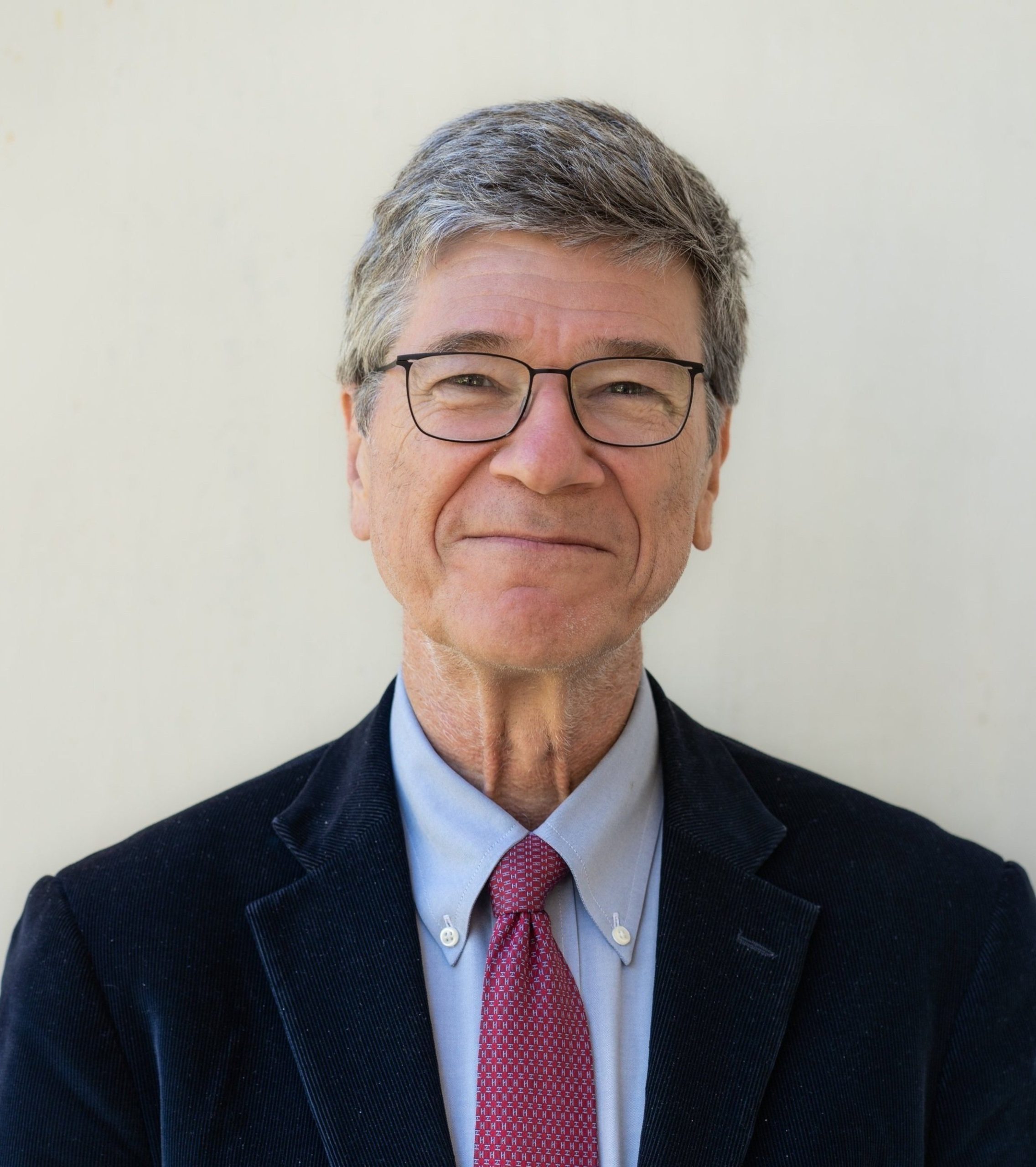
Jeffrey D. Sachs
Economics professor, bestselling author, innovative educator, and global leader in sustainable development.
President Donald Trump is again loudly complaining that the US military bases in Asia are too costly for the US to bear. As part of the new round of tariff negotiations with Japan and Korea, Trump is calling on Japan and Korea to pay for stationing the US troops. Here’s a much better idea: close the bases and return the US servicemen to the US.
Trump implies that the US is providing a great service to Japan and Korea by stationing 50,000 troops in Japan and nearly 30,000 in Korea. Yet these countries do not need the US to defend themselves. They are wealthy and can certainly provide their own defense. Far more importantly, diplomacy can ensure the peace in northeast Asia far more effectively and far less expensively than US troops.
The US acts as if Japan needs to be defended against China. Let’s have a look. During the past 1,000 years, during which time China was the region’s dominant power for all but the last 150 years, how many times did China attempt to invade Japan? If you answered zero, you are correct. China did not attempt to invade Japan on a single occasion.
You might quibble. What about the two attempts in 1274 and 1281, roughly 750 years ago? It’s true that when the Mongols temporarily ruled China between 1271 and 1368, the Mongols twice sent expeditionary fleets to invade Japan, and both times were defeated by a combination of typhoons (known in Japanese lore as the Kamikaze winds) and by Japanese coastal defenses.
Japan, on the other hand, made several attempts to attack or conquer China. In 1592, the arrogant and erratic Japanese military leader Toyotomi Hideyoshi launched an invasion of Korea with the goal of conquering Ming China. He did not get far, dying in 1598 without even having subdued Korea. In 1894-5, Japan invaded and defeated China in the Sino-Japanese war, taking Taiwan as a Japanese colony. In 1931, Japan invaded northeast China (Manchuria) and created the Japanese colony of Manchukuo. In 1937, Japan invaded China, starting World War II in the Pacific region.
Nobody thinks that Japan is going to invade China today, and there is no rhyme, reason, or historical precedent to believe that China is going to invade Japan. Japan has no need for the US military bases to protect itself from China.
The same is true of China and Korea. During the past 1,000 years, China never invaded Korea, except on one occasion: when the US threatened China. China entered the war in late 1950 on the side of North Korea to fight the US troops advancing northward towards the Chinese border. At the time, US General Douglas MacArthur recklessly recommended attacking China with atomic bombs. MacArthur also proposed to support Chinese nationalist forces, then based in Taiwan, to invade the Chinese mainland. President Harry Truman, thank God, rejected MacArthur’s recommendations.
South Korea needs deterrence against North Korea, to be sure, but that would be achieved far more effectively and credibly through a regional security system including China, Japan, Russia, North Korea, South Korea, than through the presence of the US, which has repeatedly stoked North Korea’s nuclear arsenal and military build-up, not diminished it.
In fact, the US military bases in East Asia are really for the US projection of power, not for the defense of Japan or Korea. This is even more reason why they should be removed. Though the US claims that its bases in East Asia are defensive, they are understandably viewed by China and North Korea as a direct threat – for example, by creating the possibility of a decapitation strike, and by dangerously lowering the response times for China and North Korea to a US provocation or some kind of misunderstanding. Russia vociferously opposed NATO in Ukraine for the same justifiable reasons. NATO has frequently intervened in US-backed regime-change operations and has placed missile systems dangerously close to Russia. Indeed, just as Russia feared, NATO has actively participated in the Ukraine War, providing armaments, strategy, intelligence, and even programming and tracking for missile strikes deep inside of Russia.
Note that Trump is currently obsessed with two small port facilities in Panama owned by a Hong Kong company, claiming that China is threatening US security (!), and wants the facilities sold to an American buyer. The US on the other hand surrounds China not with two tiny port facilities but with major US military bases in Japan, South Korea, Guam, the Philippines, and the Indian Ocean near to China’s international sea lanes.
The best strategy for the superpowers is to stay out of each other’s lanes. China and Russia should not open military bases in the Western Hemisphere, to put it mildly. The last time that was tried, when the Soviet Union placed nuclear weapons in Cuba in 1962, the world nearly ended in nuclear annihilation. (See Martin Sherwin’s remarkable book, Gambling with Armageddon for the shocking details on how close the world came to nuclear Armageddon). Neither China nor Russia shows the slightest inclination to do so today, despite all of the provocations of facing US bases in their own neighborhoods.
Trump is looking for ways to save money – an excellent idea given that the US federal budget is hemorrhaging $2 trillion dollars a year, more than 6% of US GDP. Closing the US overseas military bases would be an excellent place to start.
Trump even seemed to point that way at the start of his second term, but the Congressional Republicans have called for increases, not decreases, in military spending. Yet with America’s 750 or so overseas military bases in around 80 countries, it’s high time to close these bases, pocket the saving, and return to diplomacy. Getting the host countries to pay for something that doesn’t help them or the US is a huge drain of time, diplomacy, and resources, both for the US and the host countries.
The US should make a basic deal with China, Russia, and other powers. “You keep your military bases out of our neighborhood, and we’ll keep our military bases out of yours.” Basic reciprocity among the major powers would save trillions of dollars of military outlays over the coming decade and, more importantly, would push the Doomsday Clock back from 89 seconds to nuclear Armageddon.
Editor: Leo Cai
References
https://www.other-news.info/close-the-us-military-bases-in-asia/
요약: 아시아 미군 기지 폐쇄와 상호주의 외교로의 전환
도널드 트럼프 대통령은 한국과 일본의 미군 기지 유지 비용이 과다하다며 방위비 분담금을 요구하고 있다. 그러나 제프리 삭스는 분담금 협상 대신 기지 자체를 폐쇄하고 병력을 철수하는 것이 더 나은 대안이라고 주장한다. 한일 양국은 스스로를 방어할 충분한 경제적 능력이 있으며, 역사적으로도 중국이 일본을 침략한 사례는 몽골 치하를 제외하면 전무하기 때문이다.
현재의 미군 기지는 동북아 방어 목적이 아니라 미국의 영향력 투사를 위한 수단이며, 오히려 북한과 중국에는 선제 공격의 위협으로 간주되어 군사적 긴장만 고조시킨다. 삭스는 미국이 타국의 근해에서 물러나고, 서로의 영역에 군사 기지를 두지 않는 '상호주의(Reciprocity)' 원칙을 확립해야 한다고 강조한다. 이를 통해 막대한 군사비를 절감하고, '운명의 날 시계(Doomsday Clock)'를 핵멸망의 위협으로부터 뒤로 늦춰야 한다고 역설한다.
평론: 패권주의의 청산과 지속 가능한 평화를 위한 제언
이 칼럼은 미국의 전통적인 아시아 안보 전략을 정면으로 부정하며, 비용 절감과 외교적 상호주의라는 지극히 실용적이면서도 파격적인 해법을 제시한다.
역사적 사실을 통한 통념의 전도:
지역 안보 체제의 대안적 모델:
지정학적 공정성과 상호주의:
+1
결론적으로 이 글은 트럼프의 '비용 중심적 사고'를 이용해 미국의 '패권적 군사 주둔' 자체를 끝내려는 영리한 전략적 제언이다. 삭스는 전쟁의 공포로 유지되는 평화가 아닌, 군사적 거리를 둠으로써 얻어지는 '외교적 평화'가 핵 시대의 유일한 생존책임을 다시 한번 천명하고 있다.
+4
세진님, 삭스의 2013년 글이 미국의 '나쁜 습관(정권 교체)'을 지적했다면, 이 2025년 글은 그 습관의 물리적 기반인 '해외 기지'를 정리하라는 구체적인 해결책을 담고 있네요. 세진님께서는 이 글에서 주장하는 '다자간 지역 안보 시스템'이 현재 동북아 상황에서 실현 가능하다고 보시는지 궁금합니다.
+1
혹시 이 내용과 관련하여 한국이나 일본 내의 반론, 혹은 삭스가 언급한 러시아-우크라이나 전쟁 관련 관점에 대해 더 알아보고 싶으신가요?
==
<삭스(2025) “아시아 미군기지 폐쇄” 글 코멘트>
이 글(2025.4.27)은 <트럼프의 “주둔비 더 내라”> 발언을 계기로, 아예 <미군기지를 닫고 병력을 본국으로 돌려야 한다>는 삭스의 일관된 주장(미국의 전진배치가 오히려 전쟁위험을 키운다)을 펼칩니다.
Jeffrey Sachs_ Close the US Mil…
1) 글의 강점: “전진배치=안보”라는 상식을 뒤집는 문제제기
삭스는 미군기지를 <일본·한국 방어>라기보다 <미국의 힘 투사(projection)> 장치로 규정합니다.
중국·북한이 이를 <참수(decapitation) 가능성, 경보·대응시간 단축>으로 느껴 위기관리(오판·오인) 위험이 커진다는 지적은 논리적으로 성립합니다.
“상호주의(너희는 우리 동네에 기지 두지 말고, 우리도 너희 동네에 두지 않겠다)”는 구호는 직관적으로 강력합니다.
즉, 삭스의 글은 ‘군사력 그 자체’보다 <위기관리 구조>를 핵심으로 봅니다. 이 관점 자체는 가치가 큽니다.
2) 핵심 논점별 비판/검토
(1) “일본·한국은 스스로 방어 가능” — 능력과 ‘의지/정치’가 다릅니다
일본·한국이 부유하고 군사기술이 있어 “방어 능력”은 상당하지만,
동맹은 능력만이 아니라 <국내정치(전쟁 회피), 핵우산, 확장억제 신뢰>를 포함합니다.
예컨대 <한국이 독자 핵무장>으로 가면 자력방위는 강화되지만, 역으로 동북아 핵경쟁을 촉발할 수도 있습니다.
일본도 헌법·여론·정치구조가 “완전 자력 방위”를 즉시 허용하는지 별개의 문제입니다.
삭스는 “능력 있음 → 미군 불필요”로 너무 곧장 넘어갑니다.
(2) 역사 논증(“중국은 1000년간 일본을 침략 안 했다”) — 미래 위험을 과소평가할 수 있습니다
그의 역사 비교는 도발적이지만, “과거에 없었으니 앞으로도 없다”는 결론은 약합니다.
현대의 충돌은 <침공>보다 <해양·영공에서의 우발충돌, 회색지대 압박, 경제·기술 제재, 동맹 억지 신뢰 붕괴> 같은 형태로 나타납니다.
일본 주변의 분쟁은 ‘본토 침공’보다 <센카쿠/댜오위다오, 대만 유사시> 같은 연쇄위기로 현실화될 가능성이 더 큽니다.
즉, 침공 여부만으로 안보 필요성을 판단하는 틀 자체가 좁습니다.
(3) “주한미군은 북한 억지보다 지역 다자안보가 더 효과적” — 방향은 맞지만 ‘이행 경로’가 비어 있습니다
삭스가 제시하는 “중·일·러·북·남 지역안보체제”는 이상적으로는 타당합니다.
하지만 <북한 핵보유 상태>에서 어떤 단계로 그 체제를 만들지, 전환기 공백을 어떻게 메울지(억지 실패 위험)를 거의 다루지 않습니다.
미군을 빼기 전에: 군비통제/핵동결/검증/핫라인/우발충돌 방지/훈련 투명화 같은 구체적 장치가 필요합니다.
이런 장치 없이 “기지부터 닫자”는 주장은, 실제 정책으로는 설득력이 떨어집니다.
(4) “미군기지는 중국·북한이 위협으로 인식한다” — 맞지만, 그 인식만으로 정책을 결정하긴 어렵습니다
상대가 위협으로 느낀다는 사실은 중요합니다.
하지만 국제정치에서 “상대의 인식”은 때로 <전략적 과장>일 수도 있습니다.
중국·북한이 위협을 ‘느낀다’는 것과
그 위협이 실제로 ‘공격 의도’라는 것,
그리고 그 인식이 ‘정책결정의 기준’이 되어야 하는 것은
서로 다른 층위입니다.
삭스는 이 구분을 충분히 강조하지 않습니다.
3) 삭스 글의 “숨은 전제” 3가지
<대국은 서로의 세력권을 존중하면 안정된다> (세력권 안정론)
<미국 전진배치는 비용 대비 위험이 크다> (재정+위기관리 강조)
<외교가 군사보다 효과적이다> (외교 우선)
이 전제들은 ‘틀’로는 설득력이 있지만,
현실 적용엔 “상대도 같은 규칙을 지킬 것”이라는 가정이 들어갑니다.
바로 그 지점에서 반론이 강해집니다.
4) 세진님 관점에서의 읽기 포인트 (동아시아 평화·화해 프로젝트 맥락)
이 글은 세진님이 자주 다루신 <영세중립화/안보구조 재설계> 문제와 맞닿아 있습니다.
다만 실제 설계로 가려면, 삭스의 주장에 다음을 보완해야 합니다.
<단계론>: “기지 폐쇄”가 아니라 “위기관리·군비통제·핵동결/감축”과 연동된 단계별 로드맵
<동맹의 정치>: 한국·일본 내부 여론/정치가 받아들일 수 있는 ‘안심장치’
<대만 변수>: 동북아 ‘일본 방어’ 논리의 핵심은 사실상 대만 연쇄위기와 연결됨
<북한 변수>: 북핵을 “미군 때문에 커졌다”로만 설명하면 설득력이 떨어짐(내부 통치논리 포함)
결론
삭스의 글은 <미군기지=안전>이라는 자동사고를 흔드는 데는 성공합니다.
하지만 “닫자”는 결론이 정책으로 설득되려면,
<전환기의 억지 공백을 어떻게 막을지>가 반드시 들어가야 합니다.
원하시면 제가 이 글을 바탕으로
<1) “삭스식 상호주의 안보체제”의 단계별 로드맵(현실적 버전)>
<2) 반대편(동맹 유지·확장억제 중시) 논리와 1:1 비교표>
이 두 가지 중 하나로 더 정리해드릴게요.

No comments:
Post a Comment