
Myth of Lazy Native
A Study of the Image of the Malays, Filipinos and Javanese from the 16th to the 20th Century and Its Function in the Ideology of Colonial Capitalism
'The Myth of the Lazy Native' is Syed Hussein Alatas’ widely acknowledged critique of the colonial construction of Malay, Filipino and Javanese natives from the 16th to the 20th century. Drawing on the work of Karl Mannheim and the sociology of knowledge, Alatas analyses the origins and functions of such myths in the creation and reinforcement of colonial ideology and capitalism.
The book constitutes in his own words: ‘an effort to correct a one-sided colonial view of the Asian native and his society’ and will be of interest to students and scholars of colonialism, post-colonialism, sociology and South East Asian Studies.
Syed Hussein Alatas' last position was Professor and Principal Research Fellow at the Institute of the Malay World and Civilization, National University of Malaysia. He obtained his doctorate in the political and social sciences from the University of Amsterdam.
He had served as Professor and Head of the Department of Malay Studies, National University of Singapore from 1967 before taking up the position of Vice-Chancellor of the University of Malaya from 1988 to 1991.
He is the author of several books, including 'Intellectuals in Developing Societies' (London: Frank Cass, 1977), 'Corruption: Its Nature, Causes and Functions' (Aldershot: Gower, 1990) and 'Corruption and the Destiny of Asia' (Petaling Jaya: Prentice Hall, 1999), and many articles in scientific journals. He was awarded the Woodrow Wilson International Center fellowship in Washington D.C. in 1982-1983. Prof. Alatas passed away on January 23rd 2007 at his home in Kuala Lumpur, Malaysia.
---
Publisher: Gerakbudaya (1977)
Pages: 266
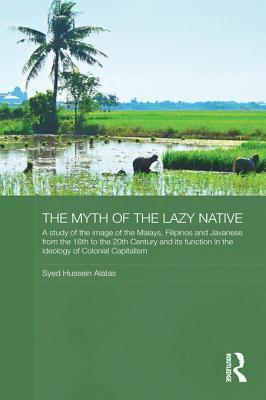
The Myth of the Lazy Native:
A Study of the Image of the Malays, Filipinos and Javanese from the 16th to the 20th Century and Its Function in the Ideology of Colonial Capitalism
Syed Hussein Alatas
4.34
402 ratings53 reviews
The Myth of the Lazy Native is Syed Hussein Alatas widely acknowledged critique of the colonial construction of Malay, Filipino and Javanese natives from the 16th to the 20th century. Drawing on the work of Karl Mannheim and the sociology of knowledge, Alatas analyses the origins and functions of such myths in the creation and reinforcement of colonial ideology and capitalism.The book constitutes in his own words: an effort to correct a one-sided colonial view of the Asian native and his society and will be of interest to students and scholars of colonialism, post-colonialism, sociology and South East Asian Studies.
GenresNonfictionHistoryPoliticsSociologyAnthropologyAsiaRace
...more
277 pages, ebook
First published January 21, 1977
Book details & editions

Syed Hussein Alatas28 books159 followers
Follow
Syed Hussein Alatas (September 17, 1928 – January 23, 2007) was a Malaysian academician, sociologist, founder of social science organizations, and former politician. He was once Vice-Chancellor of the University of Malaya in the 1980s, and formed the Parti Gerakan Rakyat Malaysia (Gerakan). Syed Hussein wrote several books on corruption, multi-racialism, imperialism, and intellectual captivity as part of the colonial, and post colonial, project, the most famous being The Myth of the Lazy Native.
Filters
Displaying 1 - 10 of 53 reviews

Ridzwan
117 reviews17 followers
Follow
August 20, 2011
I spent close six years in primary school growing up under a Malay teacher who kept emphasising to us how Malays are inherently born with the tendency to be indolent, lazy and generally unproductive. Along the way, she introduced us to texts such as “The Malay Dilemma” by the former Prime Minister of Malaysia, detailing how inbreeding amongst the Malay community have given birth to a civilisation that is genetically inferior, inherently stupid and should not be expected to be on par with their peers that descended from East Asia. This is the justification, according to her, why Malays must make the effort to work even harder than other races to avoid this genetic anomaly that we have been cursed with. It suffices to say that “The Myth of the Lazy Native” is a book that I should have picked up much earlier on in life.
The construct of Malays as being a lazy community has sadly saddled itself deep into the crevices of our subconscious. Even amongst Malays, there is ample evidence in popular literature to show that we have largely taken on the belief that we are an inherently backward community.
But Syed Hussein Alatas shows us in this critique that here was upon of time in history where the Malays were admired for our economic finesse. Malays built the largest ships, were excellent merchants and spread our influence, culture and literature far and wide beyond this region. In 1518, Duarte Barbossa described the city of Malacca as “the richest sea port with the greatest number of wholesale merchants and abundance of shipping and trade in the whole word”. In a report dated 1637 to Holland on the situation in Makassar, Dutch merchant Hendrik Kerckringh described the Malays as people held in high-esteem and of great means who developed properties in the area.
But progressive colonial invasions by the Portuguese, Dutch and British marked the start of the decline in Malay economic activity. Crippled by forced monopolies and relocations, the Malay merchant class receded away from town centres into the rural areas taking on subsistence agriculture as a primary form of sustenance. In preferring rural agriculture over colonial industries and the colonial brand of capitalism Malays are branded as lazy, indolent and unproductive – especially when compared with indentured labourers from China and India. These constructs endured and evolved over the centuries to the form it comes in today – a general acceptance that Malays are lazy in comparison to other races.
This book constitutes in the author’s own words, “an effort to correct a one-sided colonial view of the Asian native and his society”. Scholars of colonialism, post-colonialism and sociology will find this book to be of immense interest.
61 likes
Like
Comment

'Izzat Radzi
149 reviews65 followers
Follow
March 25, 2022
"He works so hard, so steadily and so long, that when he does stop, his one desire is to rest, and he asked no more than to be allowed to do nothing. It is this complete relaxation of his that leads European visitors so ludicrously astray in their superficial judgement of the lazy native."
-Page 121, The study of national character.
Hasty generalisation yang dibuat oleh sejarawan yang membentuk bukan sahaja imej peribumi, malah kaum buruh yang lain.
Barangkali, mudah untuk dituduh kaum peribumi sahaja pemalas, melihatkan keterlibatan mereka yang jauh dari 'colonial capitalism'.
Perhatikan di bawah,
"Amongst the Chinese, there is proportionately greater number of indolent members amongst the upper class. Sons of millionaires, gamblers, playboys, mistresses: many of them are indolent. There are many indolent Chinese landlords who just wait at the end of the month to collect their rent. There are many indolent property owners, who buy plots of land and keep them, without doing anything to them, merely waiting for the prices to go up".
-Page 168, The distortion of Malay Character
Malah, sebenarnya, kaum penjajah kolonial dan pemerintah tempatan yang pemalas!
"The very Europeans who accuse the peoples of the colonies of indolence .. Surrounded by many servants, never walking but riding, needing servants not only to remove their shoes but even to fan them! And nevertheless they live and eat better, work for themselves and to enrich themselves, with the hope of a future, free, respected, while the poor colonial, the indolent colonial, is poorly nourished and lives without hope, toils for others, and is forced and compelled to work!"
-Page 99, The Indolence of the Philippinos
Tulisan Hussein al attas ini sangat kritis atas tulisan sejarah;
sama ada 'ilmuan' berasal dari penjajah kolonial atau dari 'ilmuan' selepas penjajahan kolonial sendiri,
tentang kaum peribumi.
Dalam satu bab, beliau walaupun menghargai sumbangan Abdullah Munshi dalam pemerhatiannya terhadap kaum peribumi, dalam masa yang sama mengkritik Abdullah yang tidak sama memerhatikan bagaimana kaum penjajah memonopoli perdagangan & memusnahkan aspek sosial & ekonomi peribumi di Melaka.
Benda paling awal disentuh, malah paling utama adalah ideologi mendasar di bawah cara faham mitos ini, iaitu cara faham kapitalis kolonial (the colonial capitalist ideology & mode of thought).
Ini boleh dilihat dalam kritik beliau terhadap Revolusi Mental (Umno) & The Malay Dilemma (Mahathir). Mereka tidak lebih hanya membuktikan ideologi penjajah kolonial telah tertanam dengan mendalam (deeply embedded) dalam diri mereka.
Bacaan lanjutan dari nota kaki :
- Ideology and Utopia (Karl Mannheim)
- The Indolence of the Filipino (José Rizal)
- Muqadimah (Ibn Khaldun)
- Hikayat Abdullah & Kesah Pelayaran Abdullah (Abdullah Munshi)
- The Failure of a Liberal Colonial Policy : Netherlands East Indies, 1816 1830 (D W Welderen Rengers)
- On Colonialism (Karl Marx, Friedrich Engels)
Bacaan lanjutan luar dari buku ini :
- Malay Ideas on Development : From Feudal Lord to Capitalist (Shaharuddin Maaruf)
- Contesting Malayness : Malay Identity Across Boundaries (Timothy Barnard)
- The Discursive Construction of Southeast Asia in 19th-Century Colonial-Capitalist Discourse (Farish Noor)
anthropology colonialism-imperialism critique-of-capitalism
...more
25 likes
5 comments
Like
Comment

Andrew
2,272 reviews952 followers
Follow
ReadSeptember 3, 2012
If you live in Thailand, one thing you'll hear from both white people and locals is that Thai people are "lazy." If you ask for a clarification, they'll provide some anecdote about some guy they saw once. You will leave the conversation with a dimmer view of other people's perceptions.
Turns out a Malaysian scholar named Syed Alatas (who I found out about because he got name-checked by Edward Said) got these same bad vibes decades ago, and then wrote a remarkably well-written, thought-provoking book about it.
Furthermore, Alatas is interesting not only in the way he traces the origins of the myth of the lazy native, but also in the way he analyzes the self-colonizing mindset of native leaders. He's especially unforgiving with Mahathir bin Mohamed and his "cultural" explanations of underdevelopment.
policy-and-social-commentary postcolonial-theory southeast-asian-studies
12 likes
Like
Comment

Zayn Gregory
Author 1 book57 followers
Follow
February 6, 2015
An anti-colonial short-course for Malaysians in one volume. The Myth of the Lazy Native was an influential book in post-colonial studies, published a year before Edward Said's Orientalism [1] . Syed Hussein Alatas trawls through centuries of original sources to find the sources of the persistent idea that Malays, and other native peoples, are lazy. Some of the key points that struck me were:
1. At the time of first contact with Europeans, the peoples of the Nusantara were active economically and were engaged in long-distance trade far beyond the archipelago on their own boats with their own capital and with the ability to defend their own interests. Ocean-going vessels, arms and munitions were manufactured locally.
2. European monopoly shut down thriving multi-national trade zones, impoverishing and over centuries eliminating the indigineous trading class, eventually reducing native society to peasants and rulers. Alatas finds clear and detailed discourse from Ibn Khaldun 700 years ago describing the ill effects of mercantile colonialism (specifically the ruler engaging directly in trade) and promoting a role for the ruler that corresponds closely to the way the trade ports of the archipelago were in fact run. Which isn't to say the sultans of the region had read Ibn Khaldun, but it does make it hard to believe the colonial regimes didn't know exactly what their policies would do to the locals.
3. Only after the region was thoroughly dominated by European powers do observations about the laziness of the locals begin to emerge.
4. The heart of the matter. Laziness as used by European observers meant, and could only mean: non-cooperation with colonial exploitation. The Malays would rather live on their own terms in their village than work under near-slavery conditions in the plantations and mines. If the labor arrangement wasn't to their satisfaction, they would simply walk off [2] . This was not an option for the hundreds of thousands of Chinese and Indians who were brought in as indentured laborers, often from even more dire situations back home, and worked to death under appalling conditions until their debt was repaid. For this, they were labelled as "industrious".
5. By the 19th century, European observers were also recording instances of decadent, corrupt, and oppressive behavior from the hereditary Malay rulers, the sultans and rajas. Alatas makes an interesting point: under the terms of colonial domination, the local rulers were unable to conduct diplomatic relations, unable to regulate the economy, unable to wage war, unable to perform any of the functions by which their social class had distinguished itself in the past. Hollowed out and on a short leash, stagnation and slide into decadence seems more understandable.
6. Alatas expresses a view I have encountered more than once, that Malaysia is at a disadvantage somehow because it did not fight a war to gain independence. Personally, I think Malaysia came out ahead from having a peaceful transfer of power, and the diplomatic skills that made that happen deserve to be honored in the national historiography. But he does make a compelling argument that there was no real ideological break between the old colonial masters and the local elite that took their place. This brings us to the last point.
7. The image of Malays as lazy has persisted to the present day because it fits the political needs of the current power structure. It works like this:
Malays are lazy.
Because they are lazy, they are bound to lose in unrestricted competition with Chinese Malaysians.
Therefore, the Malays must elect a government that will protect them.
One could argue Malaysia's reliance on imported labor for all the most wretched jobs in the country is a hold-over from the colonial system too. The Myth of the Lazy Native came out after Tun Dr Mahathir's "The Malay Dilemma", which he scathingly critiques, but before Mahathir's rise to ultimate power. 40 years later, the myth of the lazy native is just as entrenched as ever, to the extent that it rarely needs to mentioned explicitly.
_____________________________
1. See Farish Noor's obituary for Syed Hussein Alatas.
2. In, I believe, Tarling's Cambridge History of Southeast Asia, it is mentioned that a key check to the power of the Sultan was that his people could simply sail away down the river or off to a different island if they were unhappy with his rule.
history nusantara
11 likes
1 comment
Like
Comment

Ahmad Abdul Rahim
117 reviews42 followers
Follow
October 29, 2014
6 likes
2 comments
Like
Comment

Azimah Othman
75 reviews12 followers
Follow
December 15, 2010
In between another read I picked up this book. While it it is not the easiest of read, I found it very compelling. There were many pauses to reflect and at times to reread a rendering . A lengthy introduction and an even more lengthy conclusion epitomise the care taken by the author in getting across his much scholastic approach to an important phenomenon arising from an epoch in the history of the Malay Archipelago. In retrospect, I thought I should have started this note from the start of the reading and build on it as I progressed.........
While there were some differences in the history of the people of the Archipelago, there are also many similarities especially during the days of colonialism. While the foreigners came and observed and formulated their opinion about the natives, the natives too had their opinion about themselves except that they were not directly expressed. Hence, ideas about the natives much of which survive till today were greatly based or influenced by what the foreigners said.
The book describes the various effects of conquest by the Portuguese, Dutch, English as well as the Spaniards in the case of the Phillippines with a little more elaboration on the Malays....after all studies on the Filipinos have already been made by Rizal way back. While the the colonials were successful in making slaves of the Filipinos and Javanese in their own countries, the Malays had succeeded in providing a wall of silent protest. Hence, indentured labours or slaves if you will, were brought in from China and India to work in the plantations and mines.
The issue of national character and concept of industry and indolence are extensively researched and carefully espoused. In comparison with earlier publications that touched on similar issues viz. Revolusi Mental (Mental Revolution 1968) and The Malay Dilemma (1970), they were both motivated by politics. The former is a product of 14 authors and the title was taken from a bock and term coined by the late Sukarno of Indonesia. The author opined that the latter is a little more intellectual it it's analysis though both are devoid of proper research. The former has many inaccuracies and devoid of intellectual depth which results in ridiculous conclusions, to say the least. In effect they were congruous with the impressions and opinions of the west and embraced western economic ideas en bloc.
I was much astonished by the discourse on the disappearance of the indigenous trading class 200 years after the coming of the Portuguese and Dutch. By the time the British came, none was around. What can you say about a people who for say, five or six generations have not seen open trade? During pre-colonial days, many of the rulers were tyrannical but they did not monopolize trade in the way the colonials did.......
6 likes
Like
Comment

Faiz • فائز
369 reviews3 followers
Follow
September 11, 2025
Like
Syed Hussein Alatas
4.34
402 ratings53 reviews
The Myth of the Lazy Native is Syed Hussein Alatas widely acknowledged critique of the colonial construction of Malay, Filipino and Javanese natives from the 16th to the 20th century. Drawing on the work of Karl Mannheim and the sociology of knowledge, Alatas analyses the origins and functions of such myths in the creation and reinforcement of colonial ideology and capitalism.The book constitutes in his own words: an effort to correct a one-sided colonial view of the Asian native and his society and will be of interest to students and scholars of colonialism, post-colonialism, sociology and South East Asian Studies.
GenresNonfictionHistoryPoliticsSociologyAnthropologyAsiaRace
...more
277 pages, ebook
First published January 21, 1977
Book details & editions
Syed Hussein Alatas28 books159 followers
Follow
Syed Hussein Alatas (September 17, 1928 – January 23, 2007) was a Malaysian academician, sociologist, founder of social science organizations, and former politician. He was once Vice-Chancellor of the University of Malaya in the 1980s, and formed the Parti Gerakan Rakyat Malaysia (Gerakan). Syed Hussein wrote several books on corruption, multi-racialism, imperialism, and intellectual captivity as part of the colonial, and post colonial, project, the most famous being The Myth of the Lazy Native.
Filters
Displaying 1 - 10 of 53 reviews
Ridzwan
117 reviews17 followers
Follow
August 20, 2011
I spent close six years in primary school growing up under a Malay teacher who kept emphasising to us how Malays are inherently born with the tendency to be indolent, lazy and generally unproductive. Along the way, she introduced us to texts such as “The Malay Dilemma” by the former Prime Minister of Malaysia, detailing how inbreeding amongst the Malay community have given birth to a civilisation that is genetically inferior, inherently stupid and should not be expected to be on par with their peers that descended from East Asia. This is the justification, according to her, why Malays must make the effort to work even harder than other races to avoid this genetic anomaly that we have been cursed with. It suffices to say that “The Myth of the Lazy Native” is a book that I should have picked up much earlier on in life.
The construct of Malays as being a lazy community has sadly saddled itself deep into the crevices of our subconscious. Even amongst Malays, there is ample evidence in popular literature to show that we have largely taken on the belief that we are an inherently backward community.
But Syed Hussein Alatas shows us in this critique that here was upon of time in history where the Malays were admired for our economic finesse. Malays built the largest ships, were excellent merchants and spread our influence, culture and literature far and wide beyond this region. In 1518, Duarte Barbossa described the city of Malacca as “the richest sea port with the greatest number of wholesale merchants and abundance of shipping and trade in the whole word”. In a report dated 1637 to Holland on the situation in Makassar, Dutch merchant Hendrik Kerckringh described the Malays as people held in high-esteem and of great means who developed properties in the area.
But progressive colonial invasions by the Portuguese, Dutch and British marked the start of the decline in Malay economic activity. Crippled by forced monopolies and relocations, the Malay merchant class receded away from town centres into the rural areas taking on subsistence agriculture as a primary form of sustenance. In preferring rural agriculture over colonial industries and the colonial brand of capitalism Malays are branded as lazy, indolent and unproductive – especially when compared with indentured labourers from China and India. These constructs endured and evolved over the centuries to the form it comes in today – a general acceptance that Malays are lazy in comparison to other races.
This book constitutes in the author’s own words, “an effort to correct a one-sided colonial view of the Asian native and his society”. Scholars of colonialism, post-colonialism and sociology will find this book to be of immense interest.
61 likes
Like
Comment
'Izzat Radzi
149 reviews65 followers
Follow
March 25, 2022
"He works so hard, so steadily and so long, that when he does stop, his one desire is to rest, and he asked no more than to be allowed to do nothing. It is this complete relaxation of his that leads European visitors so ludicrously astray in their superficial judgement of the lazy native."
-Page 121, The study of national character.
Hasty generalisation yang dibuat oleh sejarawan yang membentuk bukan sahaja imej peribumi, malah kaum buruh yang lain.
Barangkali, mudah untuk dituduh kaum peribumi sahaja pemalas, melihatkan keterlibatan mereka yang jauh dari 'colonial capitalism'.
Perhatikan di bawah,
"Amongst the Chinese, there is proportionately greater number of indolent members amongst the upper class. Sons of millionaires, gamblers, playboys, mistresses: many of them are indolent. There are many indolent Chinese landlords who just wait at the end of the month to collect their rent. There are many indolent property owners, who buy plots of land and keep them, without doing anything to them, merely waiting for the prices to go up".
-Page 168, The distortion of Malay Character
Malah, sebenarnya, kaum penjajah kolonial dan pemerintah tempatan yang pemalas!
"The very Europeans who accuse the peoples of the colonies of indolence .. Surrounded by many servants, never walking but riding, needing servants not only to remove their shoes but even to fan them! And nevertheless they live and eat better, work for themselves and to enrich themselves, with the hope of a future, free, respected, while the poor colonial, the indolent colonial, is poorly nourished and lives without hope, toils for others, and is forced and compelled to work!"
-Page 99, The Indolence of the Philippinos
Tulisan Hussein al attas ini sangat kritis atas tulisan sejarah;
sama ada 'ilmuan' berasal dari penjajah kolonial atau dari 'ilmuan' selepas penjajahan kolonial sendiri,
tentang kaum peribumi.
Dalam satu bab, beliau walaupun menghargai sumbangan Abdullah Munshi dalam pemerhatiannya terhadap kaum peribumi, dalam masa yang sama mengkritik Abdullah yang tidak sama memerhatikan bagaimana kaum penjajah memonopoli perdagangan & memusnahkan aspek sosial & ekonomi peribumi di Melaka.
Benda paling awal disentuh, malah paling utama adalah ideologi mendasar di bawah cara faham mitos ini, iaitu cara faham kapitalis kolonial (the colonial capitalist ideology & mode of thought).
Ini boleh dilihat dalam kritik beliau terhadap Revolusi Mental (Umno) & The Malay Dilemma (Mahathir). Mereka tidak lebih hanya membuktikan ideologi penjajah kolonial telah tertanam dengan mendalam (deeply embedded) dalam diri mereka.
Bacaan lanjutan dari nota kaki :
- Ideology and Utopia (Karl Mannheim)
- The Indolence of the Filipino (José Rizal)
- Muqadimah (Ibn Khaldun)
- Hikayat Abdullah & Kesah Pelayaran Abdullah (Abdullah Munshi)
- The Failure of a Liberal Colonial Policy : Netherlands East Indies, 1816 1830 (D W Welderen Rengers)
- On Colonialism (Karl Marx, Friedrich Engels)
Bacaan lanjutan luar dari buku ini :
- Malay Ideas on Development : From Feudal Lord to Capitalist (Shaharuddin Maaruf)
- Contesting Malayness : Malay Identity Across Boundaries (Timothy Barnard)
- The Discursive Construction of Southeast Asia in 19th-Century Colonial-Capitalist Discourse (Farish Noor)
anthropology colonialism-imperialism critique-of-capitalism
...more
25 likes
5 comments
Like
Comment
Andrew
2,272 reviews952 followers
Follow
ReadSeptember 3, 2012
If you live in Thailand, one thing you'll hear from both white people and locals is that Thai people are "lazy." If you ask for a clarification, they'll provide some anecdote about some guy they saw once. You will leave the conversation with a dimmer view of other people's perceptions.
Turns out a Malaysian scholar named Syed Alatas (who I found out about because he got name-checked by Edward Said) got these same bad vibes decades ago, and then wrote a remarkably well-written, thought-provoking book about it.
Furthermore, Alatas is interesting not only in the way he traces the origins of the myth of the lazy native, but also in the way he analyzes the self-colonizing mindset of native leaders. He's especially unforgiving with Mahathir bin Mohamed and his "cultural" explanations of underdevelopment.
policy-and-social-commentary postcolonial-theory southeast-asian-studies
12 likes
Like
Comment
Zayn Gregory
Author 1 book57 followers
Follow
February 6, 2015
An anti-colonial short-course for Malaysians in one volume. The Myth of the Lazy Native was an influential book in post-colonial studies, published a year before Edward Said's Orientalism [1] . Syed Hussein Alatas trawls through centuries of original sources to find the sources of the persistent idea that Malays, and other native peoples, are lazy. Some of the key points that struck me were:
1. At the time of first contact with Europeans, the peoples of the Nusantara were active economically and were engaged in long-distance trade far beyond the archipelago on their own boats with their own capital and with the ability to defend their own interests. Ocean-going vessels, arms and munitions were manufactured locally.
2. European monopoly shut down thriving multi-national trade zones, impoverishing and over centuries eliminating the indigineous trading class, eventually reducing native society to peasants and rulers. Alatas finds clear and detailed discourse from Ibn Khaldun 700 years ago describing the ill effects of mercantile colonialism (specifically the ruler engaging directly in trade) and promoting a role for the ruler that corresponds closely to the way the trade ports of the archipelago were in fact run. Which isn't to say the sultans of the region had read Ibn Khaldun, but it does make it hard to believe the colonial regimes didn't know exactly what their policies would do to the locals.
3. Only after the region was thoroughly dominated by European powers do observations about the laziness of the locals begin to emerge.
4. The heart of the matter. Laziness as used by European observers meant, and could only mean: non-cooperation with colonial exploitation. The Malays would rather live on their own terms in their village than work under near-slavery conditions in the plantations and mines. If the labor arrangement wasn't to their satisfaction, they would simply walk off [2] . This was not an option for the hundreds of thousands of Chinese and Indians who were brought in as indentured laborers, often from even more dire situations back home, and worked to death under appalling conditions until their debt was repaid. For this, they were labelled as "industrious".
5. By the 19th century, European observers were also recording instances of decadent, corrupt, and oppressive behavior from the hereditary Malay rulers, the sultans and rajas. Alatas makes an interesting point: under the terms of colonial domination, the local rulers were unable to conduct diplomatic relations, unable to regulate the economy, unable to wage war, unable to perform any of the functions by which their social class had distinguished itself in the past. Hollowed out and on a short leash, stagnation and slide into decadence seems more understandable.
6. Alatas expresses a view I have encountered more than once, that Malaysia is at a disadvantage somehow because it did not fight a war to gain independence. Personally, I think Malaysia came out ahead from having a peaceful transfer of power, and the diplomatic skills that made that happen deserve to be honored in the national historiography. But he does make a compelling argument that there was no real ideological break between the old colonial masters and the local elite that took their place. This brings us to the last point.
7. The image of Malays as lazy has persisted to the present day because it fits the political needs of the current power structure. It works like this:
Malays are lazy.
Because they are lazy, they are bound to lose in unrestricted competition with Chinese Malaysians.
Therefore, the Malays must elect a government that will protect them.
One could argue Malaysia's reliance on imported labor for all the most wretched jobs in the country is a hold-over from the colonial system too. The Myth of the Lazy Native came out after Tun Dr Mahathir's "The Malay Dilemma", which he scathingly critiques, but before Mahathir's rise to ultimate power. 40 years later, the myth of the lazy native is just as entrenched as ever, to the extent that it rarely needs to mentioned explicitly.
_____________________________
1. See Farish Noor's obituary for Syed Hussein Alatas.
2. In, I believe, Tarling's Cambridge History of Southeast Asia, it is mentioned that a key check to the power of the Sultan was that his people could simply sail away down the river or off to a different island if they were unhappy with his rule.
history nusantara
11 likes
1 comment
Like
Comment
Book Reviews
217
The Myth of the Lazy Native: A Study of the Image of the Malays, Filipinos and Javanese from the 16th to the 20th Century and Its Function in the Ideology of Colonial Capitalism. By SYED HUSSEIN ALATAS. Frank Cass & Co. London, 1977. Pp. 267, Bibliography, Abbreviations, Index. Hardcover £ 9.50.
The purpose of The Myth of the Lazy Native is to refute a contention made by the leaders of the United Malays' National Organization (UMNO), Malaysia's ruling party, that much of Malaysia's underdevelopment can be attributed to the indolent habits of its Malay citizens, particularly their aversion to physical labour (pp. 44, 142, 221). Syed H. Alatas, Professor of Malay Studies at the University of Singapore, accuses the politicians who authorized this generalization in Revolusi Mental (Mental Revolution) of succumbing to colonial capitalist ideology (pp. 147, 152) and thereby becoming cultural traitors (p. 181). Alatas blames Malaysia's economic backwardness on the policies pursued by British colonial administrators and investors (pp. 9, 70, 213) and, although he attempts to universalize the blame for underdevelopment by examining the Philippine and Javanese colonial experiences, the bulk of the book concerns the peninsular Malays under British rule.
Alatas claims that the colonial governments prevented the indigenous Malays from acquiring the full technological benefits of Western civilization because they destroyed the indigenous international merchant class when they extended their political domination over the region (chapter 12). Had there been no co-lonialism, indigenous international merchants would have brought these benefits to Malaysia and implemented them at a much earlier date than during the late colonial period (pp. 20-21, 216). Alatas highly discounts the political fragmen-tation, instability, and mutual hostilities of the Southeast Asian principalities that allowed the European colonial powers to establish political control (pp. 130-31). Nor does he use neutral terms like "commercialization", "industrialization", or "modernization" to describe economic development. In the Introduction he goes to great lengths to define the process under the headings of two terms which have strong pejorative overtones: "colonial capitalism" and its rationale, 'colonial capitalist ideology" (pp. 1-7).
Alatas makes a curious distinction. The only time he uses "peasant" is to describe Indian cultivators (p. 232); Malay cultivators are called farmers (pp. 78, 172, 179-80). This is a distortion. Farmers make continuous capital investments in agricultural production, like fences, fertilizers, hybrid seeds, and mechanization; but above all they seek to increase the size of the lands they themselves cultivate to take advantage of the new technologies of scale. Peasants equally divide and fragment their land among their children. This is the practice of Malay rice cultivators.
Farmers gain their security by maximizing labour inputs to maximize agricultural production in order to maximize their money incomes by market sale. This is not the practice of Malay peasants. Malaysian peasants gain their security by culti-vating enough land to produce sufficient food to feed their families. Their sub-sistence standard of welfare requires only a small area of arable land per household and the production of a small per capita food surplus. Malay peasants have pursued this pattern of food production even when abundant land was available for cultivation.
Ahmad Abdul Rahim
117 reviews42 followers
Follow
October 29, 2014
시드 후세인 알 아타스가 쓴 사회학 연구서 『게으른 토착민의 신화』(Mitos Peribumi Malas)는 1977년에 출판되었습니다.
이 책은 사회학, 역사, 학문적 측면 등 여러 관점에서 설명할 수 있는데, (이는 임의적인 분류입니다.) 각 측면에서 이 책은 탁월한 성과를 보여줍니다.
사회학적 관점에서 이 책은 식민 자본주의 현상을 탁월하게 분석합니다. 식민 자본주의는 서구의 자본주의와는 다릅니다. 식민 자본주의는 현지 주민들을 억압하고, 독점을 조장하며, 식민지 국가에서 농업 중심의 경제 구조를 유지하려 함으로써 경제 발전을 저해합니다. 서구와는 상황이 다릅니다. 서구의 산업 혁명 역시 삶의 질 저하를 초래했지만, 과학 기술의 활용과 발전을 통해 진보를 이룰 수 있었습니다. 그러나 식민지 국가들은 그렇지 못했습니다. 산업 및 제조업으로 발전하지 못하고 농업 국가에 머물러야 했으며, 수출품 또한 원자재에 국한되었습니다. 이 모든 것은 근대적인 생산 방식의 도입을 저해했습니다.
식민 자본주의는 또한 기업가 계층, 즉 무역 계층을 파괴했습니다. 말레이인, 자바인, 필리핀인은 한때 무역 민족으로 알려져 있었고, 이는 15세기에 절정에 달했습니다. 그러나 식민주의자들, 특히 네덜란드인들이 도래하면서 이러한 기업가 계층은 억압당했고, 자취를 감췄습니다. 네덜란드는 무역을 독점하고, 수많은 계약을 통해 식민지 국가의 왕과 유력 인사들을 자신들의 운영 구조에 편입시켰습니다. 그 결과 자유 무역은 사라지고 경제는 침체되었습니다. 기업가 계층이 사라지면서 사회 발전의 중요한 전제 조건인 중산층의 탄생을 이끌어갈 선구자가 없어졌습니다. 따라서 사회의 목표는 어부, 농부, 장인 등 하위 계층의 목표로 굳어졌습니다. 요컨대 사회 구조 자체가 변한 것입니다.
이러한 식민주의적 환경은 지역 주민들의 주도성과 의욕을 꺾어버렸습니다. 식민지 국가의 사람들은 침묵의 저항을 했습니다. 그들은 자신들을 노예처럼 취급하는 식민지 기업에서 일하기를 거부했습니다. 지배자, 즉 식민주의자들의 목표에 휘말릴까 두려워 부를 축적하려 하지 않았습니다. 따라서 겉으로는 현지인들이 게으른 것처럼 보였습니다. 식민주의자들은 이러한 현상을 구실로 이들 국가를 식민지화했습니다. 저자는 이를 '책임 전가의 원칙'이라고 부릅니다. 책임을 잘못 전가하는 원칙인 것입니다. 책임과 죄책감은 식민지 주민들이 아닌 식민 지배자들에게 있어야 한다는 것입니다.
이것이 바로 '게으른 시민의 신화'입니다.
역사적으로 이 책은 16세기부터 19세기까지 사회 구조의 변화를 탁월하게 보여줍니다. 말레이, 자바, 필리핀의 오래된 역사를 발굴하여 인위적인 변화가 일어났음을 보여줍니다. 이는 자연스러운 현상이 아니었습니다. 이들 식민지 국가들은 스스로 발전할 잠재력을 가지고 있었습니다. 일본은 메이지 유신을 통해 이를 증명했습니다. 서구 열강의 식민지배를 받지 않고도 발전해 왔습니다.
학문적으로 이 책은 연구자의 객관성과 주관성이라는 주제를 열정적으로 다룹니다. 저자에 따르면 절대적인 객관성은 불가능하지만, 그렇다고 정확한 결론에 도달할 수 없다는 의미는 아닙니다. 인간은 자신의 생각에 있어 완전히 객관적일 수는 없지만, 그렇다고 해서 그 생각이 순전히 주관적이라는 뜻도 아닙니다.
이러한 점을 이해하는 것은 식민 자본주의라는 현상이 결코 일어나서는 안 되는 것이며, '필요악'이라는 이유만으로 합리화될 수 없다는 것을 보여주는 데 중요합니다.
아, 이 책 정말 최고로 재밌네요!
또 하나 마음에 드는 부분은 식민지배자들이 독점적으로 운영했던 아편 판매에 대한 내용입니다. 이는 식민지 주민들을 식민지배자들에게 의존하게 만들기 위한 수단이었습니다. 또한 식민지 국가들에서 자유주의적 이상과 인권 운동이 고조되면서 식민 행위에 대한 도덕적 반대 여론이 형성되기 시작했습니다. 그래서 자유주의적 목표에 대한 논쟁을 무력화시키기 위해 (식민 지배자들이 통제하는) 정부는 사람들이 자발적으로 자신들에게 복종하도록 아편을 판매합니다.
탈식민화 세계화 고전
...더 보기
좋아요 7개
댓글 1개
좋아요
댓글
샤히란 람리
리뷰 221개 팔로워 14명
팔로우
2020년 12월 17일
말레이인이 게으르다, 약속을 잘 지키지 않는다(말레이인의 약속), 약하다 등 여러 가지 부정적인 특성에 대한 고정관념은 새로운 것이 아닙니다. 서구(영국)의 부정적인 식민주의적 시각은 말레이 공동체에 대해 마치 그러한 특성이 다른 인종이 아닌 말레이 공동체에만 존재하는 것처럼 지금까지 영향을 미치고 있습니다.
더욱 슬픈 것은 지적인 사람들, 과학자들이 이러한 고정관념을 깨고 있다는 것입니다.
Show moresociology6 likes
2 comments
Like
Comment
Azimah Othman
75 reviews12 followers
Follow
December 15, 2010
In between another read I picked up this book. While it it is not the easiest of read, I found it very compelling. There were many pauses to reflect and at times to reread a rendering . A lengthy introduction and an even more lengthy conclusion epitomise the care taken by the author in getting across his much scholastic approach to an important phenomenon arising from an epoch in the history of the Malay Archipelago. In retrospect, I thought I should have started this note from the start of the reading and build on it as I progressed.........
While there were some differences in the history of the people of the Archipelago, there are also many similarities especially during the days of colonialism. While the foreigners came and observed and formulated their opinion about the natives, the natives too had their opinion about themselves except that they were not directly expressed. Hence, ideas about the natives much of which survive till today were greatly based or influenced by what the foreigners said.
The book describes the various effects of conquest by the Portuguese, Dutch, English as well as the Spaniards in the case of the Phillippines with a little more elaboration on the Malays....after all studies on the Filipinos have already been made by Rizal way back. While the the colonials were successful in making slaves of the Filipinos and Javanese in their own countries, the Malays had succeeded in providing a wall of silent protest. Hence, indentured labours or slaves if you will, were brought in from China and India to work in the plantations and mines.
The issue of national character and concept of industry and indolence are extensively researched and carefully espoused. In comparison with earlier publications that touched on similar issues viz. Revolusi Mental (Mental Revolution 1968) and The Malay Dilemma (1970), they were both motivated by politics. The former is a product of 14 authors and the title was taken from a bock and term coined by the late Sukarno of Indonesia. The author opined that the latter is a little more intellectual it it's analysis though both are devoid of proper research. The former has many inaccuracies and devoid of intellectual depth which results in ridiculous conclusions, to say the least. In effect they were congruous with the impressions and opinions of the west and embraced western economic ideas en bloc.
I was much astonished by the discourse on the disappearance of the indigenous trading class 200 years after the coming of the Portuguese and Dutch. By the time the British came, none was around. What can you say about a people who for say, five or six generations have not seen open trade? During pre-colonial days, many of the rulers were tyrannical but they did not monopolize trade in the way the colonials did.......
6 likes
Like
Comment
Faiz • فائز
369 reviews3 followers
Follow
September 11, 2025
이 책을 읽기 시작한 지 꽤 오래되었지만 아직 다 읽지 못했습니다. 아마도 무킷 교수님과의 토론 외에도 다른 자료들을 읽으면서 책의 핵심 내용을 파악하느라 시간이 더 걸렸기 때문일 것입니다. 하지만 용기를 내어 끝까지 읽었고, 다행히 새로운 사실들을 많이 발견했습니다.
저자에 대해서는 더 이상 소개할 필요가 없을 것입니다. 아시아뿐 아니라 세계적으로도 뛰어난 사회학자이자 사상가, 지식인, 그리고 과학자입니다. 에드워드 사이드가 서양 학자들이 동양인(그리고 오리엔탈리즘)에 대해 가지고 있던 편견과 선입견을 폭로한 걸작 『오리엔탈리즘』으로 "탈식민주의의 아버지"이자 이 학문 분야(탈식민주의 연구)의 창시자로 불리는 것처럼, 사이드 후세인 알라타스 역시 같은 길을 걸었습니다. 그는 서구 식민주의(더 넓은 의미에서는 제국주의)가 아시아 지역, 특히 말레이인, 필리핀인, 자바인에게 미친 영향을 드러냈습니다.
사이드 후세인은 그의 대표작 『게으른 원주민의 신화』에서 상당히 간결한 논제를 제시합니다. 즉, 게으른 원주민이라는 이미지는 식민 자본주의 체제에 순응하기를 거부한 원주민들의 태도를 깎아내리기 위해 식민주의자들이 만들어낸 선전이라는 것입니다.
역사적으로 원주민들(이 책에서는 말레이인, 자바인, 필리핀인을 지칭)은 무역 민족이었습니다. 그러나 식민주의자들의 도래는 이러한 무역 활동을 소외시키고 배척했습니다. 식민주의자들은 원주민들이 허가 없이는 무역 활동을 할 수 없도록 막았습니다.
그렇다면 그들은 어떻게 했을까요? 원주민들의 노동력을 착취하여 자신들의 이윤을 극대화했습니다. 예를 들어, 산업혁명의 발발과 고무 수요 증가에 발맞춰 영국은 말라야에서 플랜테이션 농장과 주석 광산을 적극적으로 개발했습니다. 따라서 많은 노동력이 필요하게 되었습니다.
당시 말레이인들은 어떻게 반응했을까요? 그들은 영국의 노예나 도구가 되기를 거부했고, 식민 자본주의 플랜테이션에서 일하는 것을 거부했습니다. 말레이인들이 게으르다는 사회적, 이데올로기적 기원은 바로 여기에 있습니다!
식민주의자들은 자본주의적 착취를 자행했고, 이 체제에 맞지 않는 모든 노동은 일탈로 간주되었습니다. 그 결과, 말레이인들은 게으르다는 낙인이 찍혔습니다! 이는 말레이인들이 스스로를 노예로 만들기를 거부한 것에 대한 식민주의자들의 증오에서 비롯된 주장입니다!
더욱이, 이러한 말레이인에 대한 숨겨진 증오는 수많은 서적과 끊임없는 구전(특히 휴 클리퍼드와 프랭크 스웨트넘의 저술)을 통해 확산되었고, 원주민, 또는 이 특정 맥락에서는 말레이인에 대한 절대적인 진실로 받아들여지게 되었습니다.
그러나 말레이인들은 대부분 농부와 어부이며, 농사, 목수, 어업, 가축 사육, 벌목 등에서 부지런히 일하는 것으로 알려져 있습니다. 그들은 매일같이 일합니다! 이른 아침부터 뜨거운 태양 아래서 일하는 사람들을 게으르다고 하는 것은 도저히 받아들일 수 없는 사실입니다.
하지만 현실은 이렇습니다... 우리는 식민주의적 선전을 너무 쉽게 받아들입니다. 보세요, 말레이시아인(엘리트이자 교육받았다고 자처하는 사람들)이 쓴 『정신 혁명』과 『말레이인의 딜레마』 같은 책들조차 식민주의적 선전을 그대로 답습하고 있습니다. 시디크 파질 교수의 말처럼, 우리나라의 교육받은 계층은 지금도 여전히 식민주의적 지식에 사로잡혀 있습니다! 그들은 여전히 엘리트주의에 빠져 외국의 지식을 제대로 걸러내지 못하고 있습니다.
이러한 상황에 대해, 사이드 후세인 알라타스는 말레이시아인들이 게으르다는 이미지가 단순히 식민주의 때문만은 아니며, 이러한 잘못된 통념을 반박할 지식인 집단이 부재하기 때문이기도 하다고 지적합니다. 그의 저서 『발전하는 사회의 지식인들』에서 더 자세한 논의를 찾아볼 수 있습니다. 그의 책은 모든 사람이 반드시 읽어야 할 필독서입니다.
말레이어 학습
5개의 좋아요
좋아요
댓글
책 읽기
7개의 리뷰 4명의 팔로워
팔로우
2015년 4월 4일
시드 후세인 알라타스의 이 기념비적인 작품 제목을 보고 흥분한 나머지, 거의 300페이지에 달하는 이 책을 분석해 보자는 친구들의 도전을 받아들였습니다. 이 책을 읽기 전, 제 마음속에는 인종적 정신이 끊임없이 꽃피는 역사적인 땅에서 말레이인으로서 느끼는 무력감이 자리 잡고 있었습니다.
하지만 사이드 후세인 알라타스와 같은 저명한 학자들의 걸작들을 읽고 연구하고 그에 대한 반응을 살펴보면서 저는 마치 설득당한 듯한 느낌을 받았고, 이 책을 읽으면서는 사이드 후세인께서 8년 전 78세의 나이로 천국으로 돌아가셨음에도 불구하고 마치 저자와 대화를 나누는 듯한 느낌을 받았습니다.
솔직히 말하면, 이 책을 읽고 나서 그분을 직접 만나 의도하신 바에 대해 더 자세히 여쭤볼 기회가 생길 때까지 읽기를 미뤄두었던 것이 조금 아쉽습니다. 이 서평은 사실 사이드 후세인 알라타스의 대작을 읽은 보잘것없는 독자인 제가 어떻게 이해했는지에 대한 이야기입니다.
4 likesLike
===
==
==
세진님, 요청하신 사이드 후세인 알라타스의 저작 <게으른 원주민의 신화>에 대한 요약과 평론입니다. 말씀하신 대로 <해라> 체를 사용하여 정리해 드립니다.
=====\
<게으른 원주민의 신화> 요약 및 평론
1. 요약: 식민지 자본주의가 발명한 허구의 서사
사이드 후세인 알라타스(Syed Hussein Alatas)의 <게으른 원주민의 신화>는 16세기부터 20세기까지 동남아시아(말레이, 필리핀, 자바) 원주민을 바라본 서구 식민주의자들의 시각을 사회과학적으로 해체한 기념비적 저작이다. 알라타스는 카를 만하임의 지식사회학을 이론적 토대로 삼아, '원주민은 본래 게으르다'는 고정관념이 어떻게 식민지 자본주의의 필요에 의해 조작되고 강화되었는지를 추적한다.
식민지 이데올로기의 형성
식민 지배 세력은 자신들의 경제적 수탈을 정당화하기 위해 피지배층의 성격을 규정할 필요가 있었다. 서구 관찰자들은 원주민들이 식민 정부가 강요하는 플랜테이션 노동이나 광산 작업에 자발적으로 참여하지 않는 것을 보고 이들을 <게으르다>고 낙인찍었다. 그러나 알라타스는 이것이 생물학적 특성이 아닌, 외래 자본의 착취 체제에 대한 원주민들의 <소리 없는 저항>이자 합리적인 거부였다고 분석한다.
식민지 자본주의와 노동의 가치
식민주의자들에게 <근면함>이란 오직 유럽 자본의 이익을 위해 헌신하는 것만을 의미했다. 자급자족 경제 속에서 평화롭게 살아가던 원주민들은 화폐 경제와 가혹한 노동 환경에 편입될 이유가 없었다. 이에 식민 정부는 원주민을 <게으른 존재>로 타자화함으로써, 부족한 노동력을 보충하기 위해 중국이나 인도에서 이주 노동자를 들여오는 정책을 정당화했고, 원주민들을 경제적 주도권에서 소외시켰다.
지식사회학적 비판
알라타스는 식민지 행정가, 학자, 여행가들이 남긴 기록을 전방위적으로 검토하며, 그들의 기록이 객관적 관찰이 아닌 편견과 이데올로기의 산물임을 증명한다. 이러한 <게으른 원주민>이라는 이미지는 식민 지배가 끝난 이후에도 원주민 엘리트 계층의 내면화된 열등감으로 남아, 독립 이후의 국가 발전과 정체성 형성에도 부정적인 영향을 미쳤다.
2. 평론: 타자화의 거울을 깨는 지적 투쟁
<게으른 원주민의 신화>는 단순히 과거의 기록을 바로잡는 역사서를 넘어, 권력이 지식을 어떻게 생산하고 유포하는지를 보여주는 날카로운 고발장이다. 에드워드 사이드의 <오리엔탈리즘>보다 앞서 출간되었음에도 불구하고, 비서구인의 시각에서 제국주의적 담론을 이토록 정교하게 비판했다는 점에서 그 가치는 독보적이다.
구조적 모순의 통찰
알라타스의 탁월함은 <게으름>이라는 도덕적 낙인을 <자본주의적 필요>라는 경제적 맥락으로 치환해 낸 데 있다. 그는 원주민의 불응을 <나태>가 아닌 <독립적 생존 방식의 유지>로 재해석했다. 이는 오늘날 현대 사회에서 주류 경제 시스템에 편입되지 못한 소수자나 빈곤층을 바라보는 시선에도 유효한 질문을 던진다. "누가 누구를 게으르다고 정의할 권리를 갖는가?"라는 질문은 이 책을 관통하는 핵심 논리다.
내면화된 식민주의에 대한 경고
이 책의 가장 뼈아픈 지점은 식민 지배가 끝난 뒤에도 원주민 스스로가 그 신화를 믿게 되었다는 분석이다. 피지배 계급이 지배자의 논리를 수용하여 자신의 민족적 가능성을 거세하는 과정은 식민주의의 가장 파괴적인 유산이다. 알라타스는 지식인이 자신의 사회를 바라볼 때 서구적 프레임을 거부하고 <정신적 해방>을 이루어야 함을 역설한다.
한계와 현대적 의의
비록 20세기 중반의 사회과학적 방법론에 기반하고 있어 일부 서술이 도식적으로 느껴질 수 있으나, 그가 제기한 담론의 본질은 여전히 강력하다. 글로벌 자본주의 체제 아래서 여전히 특정 국가나 인종에 대해 <부지런함> 혹은 <낙후됨>이라는 낙인을 찍는 현대판 식민주의적 시각이 존재하기 때문이다.
결론적으로 이 책은 동남아시아 학술 연구의 고전을 넘어, 지식의 중립성을 맹신하는 현대인들에게 경종을 울리는 필독서다. 알라타스는 역사를 기록하는 펜이 누구의 손에 들려있는지에 따라 한 민족의 성격 자체가 <발명>될 수 있음을 보여줌으로써, 독자들에게 비판적 사고의 중요성을 다시금 일깨워 준다.
===
세진님, 이 요약과 평론이 원하시는 수준에 부합했기를 바랍니다. 혹시 이 책의 내용 중 특정 국가(말레이, 필리핀 등)의 사례를 더 자세히 분석하거나, 현대 사회의 노동 윤리와 연결하여 확장된 논의를 보고 싶으시면 말씀해 주세요. 도와드릴 수 있습니다.
==
==

No comments:
Post a Comment