2026-09-07

Amazon.co.jp:Customer Reviews: 死者の書 (中公文庫 A 28)

Amazon.co.jp:Customer Reviews: 死者の書 (中公文庫 A 28)


Customer reviews
3.9 out of 5 stars
3.9 out of 5
262 global ratings


死者の書 (中公文庫 A 28)
by折口 信夫
Format: Paperback Bunko
Change
Write a review
How are ratings calculated?
See All Buying Options


Search

Sort by
Sort by reviews typeTop reviews

Filter by
Filter by reviewer typeAll reviewers
Filter by star countAll stars
Filter by variant typeAll variants
Filter by media typeText, image, video
26 customer reviews
Translate all reviews to English

From JapanYou have to buy it. I promise it will change your view of the world and improve your life. You have to pick it up today!
I must say, it was the title that caught my interest (and maybe later on the blurb), but goodness, I was captured after the second paragraph on the very first page of the story.
I could not put it down because I had to find out how the story ended. It was a glorious book, I'm happy that I read it!


yrmlh


3.0 out of 5 stars 死について考えさせる本Reviewed in Japan on April 17, 2021
Verified Purchase
正直、良い作品なのか否かは、判断できないが


One person found this helpful


HelpfulReport
Translate review to English


はやママ


4.0 out of 5 stars 難解だがおもしろかった!Reviewed in Japan on January 20, 2019
Verified Purchase
古文調なので慣れるまでは読みづらいですが、20%を超えたあたりから物語に入っていけて、次第におもしろくなってきます。
映画「かぞくわり」のベースになった作品と聞いて読みたくなったのですが、いい作品に出会えたと思います。


17 people found this helpful


HelpfulReport
Translate review to English


じゅうべえ


5.0 out of 5 stars Wow! IncredibleReviewed in Japan on June 8, 2019
Verified Purchase
This is a book I can easily see myself going back and reading again.
A great book, a must read and very difficult to put down when you start reading it.
This book is so good! I have a hard time finding books that hook me and/or keep me interested, but I couldn't put this one down.


36 people found this helpful


HelpfulReport

Kindleユーザー

5.0 out of 5 stars 面白かったです。Reviewed in Japan on September 26, 2021
Verified Purchase
日本の古代史を幻想的に書いて、実は計算した緻密な筆使い。場面が飛びますが、歴史年表を頭に入れておけば、あああの人かと登場人物が分かり、より楽しめます。ちょうど秋分の日が出てくるので、秋に読むのおすすめ。


HelpfulReport
Translate review to English


てらちゃん


3.0 out of 5 stars 死について考えさせる本Reviewed in Japan on January 25, 2020
Verified Purchase
死について考えさせられる本です。死者とは。


One person found this helpful


HelpfulReport
Translate review to English


R


2.0 out of 5 stars タイトルに惹かれたが....Reviewed in Japan on January 27, 2021
Verified Purchase
古文まではいかない古語混じりの叙情的な文章と、説明の少なさからうっかりすると筋がわからなくなって困った。
私にはちょっとハードルが高かったかも。


One person found this helpful


HelpfulReport
Translate review to English


くーにゃん


4.0 out of 5 stars 難しいけど・・・Reviewed in Japan on December 9, 2012
Verified Purchase
1回読んだだけではわかりにくいですね。でも、なんとなくですが文章の格調とか素敵だと思います。死者の魂と彼に触れる生者の姫を描いているというのはなんとなくわかりますが、今2回目に挑戦中です。


8 people found this helpful


HelpfulReport
Translate review to English

mikoto

3.0 out of 5 stars 初見で理解するのは難しい。Reviewed in Japan on July 15, 2014
Verified Purchase
作品自体は知っていたものの、特に読む気がなかった。
買う気もなければ借りる気もない、そんな感じ。

Kindle購入時に、0円書籍探してて、たまたま見つけたので、とりあえず購入。

この作者の作品は、いずれも難解なものばかり。
同作品も、その例にもれず、所見では理解するのはなかなか難しい。
部分的に読み返したり、二回目、三回目と読み込んでいくと、
徐々に見えてくるものがある。

正直、良い作品なのか否かは、判断できないが(世間的には良い作品となるが)、
それなりに(というか独特な)面白味は感じた。
あらゆる作品について言えるが、どう感じるかは読み手しだい。

無料で読めるなら、普段読まない本こそ、試してみるのがいいのではないかと。


3 people found this helpful


HelpfulReport
Translate review to English


カスタマー


1.0 out of 5 stars あんまり覚えてないReviewed in Japan on October 30, 2020
Verified Purchase
途中まで聴いて飽きてやめた


HelpfulReport
Translate review to English
Translate all reviews to English

田中清照


3.0 out of 5 stars 古代の感覚Reviewed in Japan on July 10, 2013
Verified Purchase
不思議な感覚である。古代に生きる人たちの感じることをえがき迫るものがある。


2 people found this helpful


HelpfulReport
Translate review to English


大場弘巳


4.0 out of 5 stars 権力闘争とは悲しいものReviewed in Japan on May 2, 2011
Verified Purchase
七世紀に大津の皇子が謀反の罪で処刑された、地下に葬られた魂に成り代わって、その無念さをほとばしる様な表現で書き下ろしてあって
大津の皇子の無念さが乗りうつってくるような感動を受けました。もう一度じっくり読み返してさらなる感動を受けたいと思いました。


9 people found this helpful


HelpfulReport
Translate review to English


大曽根 佐


2.0 out of 5 stars 死者の書を読んでReviewed in Japan on September 25, 2013
Verified Purchase
空き時間に片手間に読もうとしたら,はなしが頭に入りませんでした。
腰を落ち着けて,再読します。


3 people found this helpful


HelpfulReport
Translate review to English


たかあき


2.0 out of 5 stars 現代人に読み辛いReviewed in Japan on March 11, 2014
Verified Purchase
大変に評価が高かったので、3回挫折後、2回読みましたが正直読み辛い。読みながらわけが分からなくなるときがあります。頭の中にス~と入ってきません。リーディング中にトランスレーションが発生します。本来の良さが伝わりにくいと思います。もし、現代語訳が出れば読者が増えるのではないかと思います。


3 people found this helpful


HelpfulReport
Translate review to English


梁川梨里


5.0 out of 5 stars 漫画から原作へReviewed in Japan on May 14, 2016
Verified Purchase
漫画の作者が原作の世界を損なっていなかったか不安だと書いてあったため、購入しました。まったく忠実に描かれていたことが分かりました。
やや難解な部分もありつつ、物凄いものだという鳥肌の立つ感覚は圧巻でした。(無料って素晴らしい)


16 people found this helpful


HelpfulReport
Translate review to English


頑固一徹


5.0 out of 5 stars 死者と共に居ることReviewed in Japan on August 18, 2013
Verified Purchase
東日本大震災後を生きるとは死者と交歓することである。その意味で優れて今日的な本。
折口にとっては最愛の弟子藤井のことだったろうが・・


9 people found this helpful


HelpfulReport
Translate review to English


飛鳥川の飛び石


5.0 out of 5 stars 卑弥呼と麻と死者の書Reviewed in Japan on March 20, 2021

折口信夫研究の不思議な精神世界を学んでいる古老です 最近感じたこと 北陸にあるお墓に参拝したことがあります 墓石は近くの神社の歴代神主に囲まれようにして祀られていました 談山神社にも石碑があるように神道に近い方のようです
 折口先生の根源的精神世界はわかりませんが、卑弥呼の鬼道の解明では麻が欠かせないようです 最近卑弥呼の屋敷らしい大きな遺跡が発見されましたが 床下部分から大量の桃の種の他に麻もあります この麻は持論ですが布忍でなく大麻のような品種もあったのではないかと推測 魏志倭人伝で卑弥呼が鬼道を操るとはこれらの麻が関わっていたかもしれません 折口信夫は卑弥呼の同じような精神世界を探索するにそのようなものを服用していた
かもしれません 著書死者の書でも何となく覚えます


HelpfulReport
Translate review to English

Amazon カスタマー

5.0 out of 5 stars 衝撃的、みんな読んでね!Reviewed in Japan on August 19, 2020
Verified Purchase
日本文学にこのような魂の深淵を詩的に表現されている所があることを知らないことは人生の負となるでしょう。。。と感じるほどに、素晴らしいのです。


HelpfulReport
Translate review to English


ゆうじゅん


5.0 out of 5 stars Just...wow. The whole book is wowReviewed in Japan on March 21, 2019
Verified Purchase
Other reviewers give enough information about this book for you to decide whether or not to read it.
This was an excellent read I was just going through books on my Kindle app and tried a sample of this book thought it sounded interesting and bought it


40 people found this helpful


HelpfulReport


ひょうどう


5.0 out of 5 stars I can’t recommend this book enough!Reviewed in Japan on June 14, 2019
Verified Purchase
A story filled with so many emotions. It makes you feel good and bad. Just like true love can make you feel
I wondered at the start of this book if it was going to be too frivelous for me to read. How wrong I was.
Another great book. I always enjoy her characters. They are so much fun , feisty and even shocking!
I believe anyone can find something that they can relate to in this book. If someone comes to me about weight loss, dreams, goals, or even just every day issues then I tell them they need to read this book because they will come out with exactly what they need & then some. This book is a tool that will help you change your life for the better.


35 people found this helpful


HelpfulReport
Translate all reviews to English

のぶたろう


5.0 out of 5 stars Read this book. Then reread it.Reviewed in Japan on April 10, 2019
Verified Purchase
I feel that it is the writer's duty to grab a reader's attention and never let it go.
Kindle was offering me an opportunity to read the book free and I decided to chance it.
Though I am an avid reader, I have difficulties lately in falling into a book. Within a couple of pages or a chapter, I lose focus or interest and put down whatever I’m reading.


35 people found this helpful


HelpfulReport


りゅうきち


5.0 out of 5 stars Lots of page turning action. Well Done!Reviewed in Japan on June 19, 2019
Verified Purchase
As always my emotions were everywhere when I read this book. Laughing, anger and crying. I'm so happy they could work out their demons inside themselves. That something that's hard to do. Can't wait for your next book.
I think lots of people romanticize operating a bed and breakfast and this book lets the reader feel like you are right there. The storyline might br a bit predictable but sometimes that is okay too.


40 people found this helpful


HelpfulReport


よつやなぎ


5.0 out of 5 stars UNUSUALLY good bookReviewed in Japan on July 17, 2019
Verified Purchase
So much emotion, and written so beautifully that you could truly feel it all. It was a wonderful story, very difficult to put down, I really enjoyed this.
There isn't a single page that I wouldn't re-read. Will now be a future gift to those that I love.
Can you tell, I absolutely loved it! Can't wait to see what the author comes up with next!


56 people found this helpful


HelpfulReport


名古 凜子


5.0 out of 5 stars Beautifully written, reading like prose poetry.Reviewed in Japan on May 16, 2019
Verified Purchase
This is a book I can easily see myself going back and reading again.
A great book, a must read and very difficult to put down when you start reading it.
I enjoyed this book from the first page until the last


14 people found this helpful


HelpfulReport


ゆい。


2.0 out of 5 stars ンンンンんReviewed in Japan on November 4, 2020
Verified Purchase
死者は尊敬するもの、死者の書はいい感じに尊敬しています。


HelpfulReport
Translate review to English


たいちろう


5.0 out of 5 stars Excellent read. Loved everything about it. Highly recommend.Reviewed in Japan on July 24, 2019
Verified Purchase
This is a book I can easily see myself going back and reading again.
Enjoyed this book so much. Most important was no heavy sex just sweet love and great characters with personality.
Gripping, unpredictable- exactly the way a suspenseful novel should be.
Every once in a while a book comes along with a story that is really ... I struggle with a word to describe it ...wonderful, special!


38 people found this helpful


HelpfulReport
To see more, search or fil
===


From Japan

Potstill


5.0 out of 5 stars potさんReviewed in Japan on August 26, 2018
Format: Paperback BunkoVerified Purchase
なかなか興味深いのでじっくり読んでます。読み返すとなお面白さが増すようです。


3 people found this helpful


HelpfulReport
Translate review to English

JOHN JOHN BY THE RUINS

4.0 out of 5 stars これは魅力というよりも魔力!を持った作品だReviewed in Japan on September 20, 2019
Format: Paperback BunkoVerified Purchase
文庫で買うならば角川、中公と他にもあるようだが、解説が安藤礼二ということで岩波をチョイス。いきなり読み始めたが何のことやらさっぱりわからなかったので、まず草壁皇子と大津皇子のエピソードをさらい、次いで奈良当麻寺の中将姫伝説、さらに安藤礼二著『霊獣「死者の書」完結編』を手元におき万全を期して再度ページを繰り始めた。冒頭、洞窟の暗闇の中から大津皇子と思われる人物が蘇る場面は背筋が凍りつくような怖さ(ここはホントに凄い)。転じて話題は中将姫伝説に移る。さていったいどんな結末が待っているのだろうかとますます期待は高まるのだったが・・・。ところが肝心のラストは、はっ?これで終わり?冒頭の場面があまりにも強烈な印象として残っていたために拍子抜けした感じであった。時間と空間を超越したような独特の文体から放たれる雰囲気は良かったのだが、物語としては、う~ん、ちょっと・・。折口信夫ファンやマニア向けといった印象か。また古代史などにある程度通じていないと読み通すのは難しいと思った。ただ、もう一度と言わず、二度、三度と読み返したくなる(読み返さずにはいられなくなる)のもまた事実で、そういう魅力というか魔力?を持った作品であることは間違いない。


17 people found this helpful


HelpfulReport
Translate review to English


Robert Thouless


5.0 out of 5 stars 格調高い本! 「初稿 死者の書」も読んでみたいReviewed in Japan on December 17, 2019
Format: Paperback BunkoVerified Purchase
 本書には「死者の書(1943 増補訂正版)」「死者の書 続編(草稿)」「口ぶえ」を収めてます。
 カルチャセンタの「日本書紀」の応神紀で講師が脱線し折口信夫の話になり「死者の書」は「背筋が寒くなる本」と云ってみえたので本書を購入。格調高い本です。日本書紀は既に読んでおり滋賀津彦=大津皇子(663-686)、耳面刀自(藤原鎌足の娘、大友皇子の妃)、南家郎女=中将姫(747-775)という事が分りましたので左程怖くはなかった。萬葉集の歌が素晴らしい。ただ「髪を振り乱して裸足で走り、殉死した。それを見た者は皆嘆き悲しんだ」山辺皇女の事に一言も触れてないのは気の毒な気がします。本書の最後は少しあっけない感じですが、解説を読むと「初稿 死者の書(1939)」の方が首尾一貫してるとの事ですので機会があれば読んでみたい。(2004国書刊行会にて再販)
 「死者の書 続編(草稿)」は保元の乱の藤原頼長の話です。苛烈で妥協を知らない性格により悪左府と呼ばれた頼長が男色を好んだ事に驚愕。「日本書紀」の講師が脱線したのは、ジャニー喜多川(男色家)→折口信夫(男色家)だったかもしれません。
 「口ぶえ」は読んでません。


3 people found this helpful


HelpfulReport
Translate review to English


nemoっ


4.0 out of 5 stars 近代日本文学の到達点Reviewed in Japan on April 4, 2025
Format: Paperback Bunko
「死者の書」を文庫で入手するなら、選択肢は岩波、角川、中公となります。

岩波は、カバー気に入ってます。解説が充実。抱き合わせ収録の「口ぶえ」が、意味不明。なぜこれを選んだのか?それは自伝的短編であり、「死者の書」とカップリングする意図が不明。

角川は、解説が充実、続編の草稿あり、とことん「死者の書」を味わう内容。

中公は、「死者の書」の著者自解である「山越の阿弥陀像の画因」が収録されているのは、特筆される。さらに「身毒丸」も収録され、折口ワールドを堪能。残念なのは、注釈なし、解説も一番貧相。初めての読者が中公版のみ読むと、苦労するでしよう。

折口信夫好きな人は、3冊買うしかないかな
。゚(゚'Д`゚)゚。


6 people found this helpful


HelpfulReport
Translate review to English


ghosts


5.0 out of 5 stars 解説が丁寧Reviewed in Japan on February 11, 2017
Format: Paperback BunkoVerified Purchase
内容もさることながら、注釈がとにかく丁寧。
作品の背景・元ネタ・歴史的な解説など、とても細かく書かれていてありがたい。
人物相関図や舞台の地図も最後に添えられています。
ここまで細かい解説をしてくれる本はなかなかないと思います。


13 people found this helpful


HelpfulReport
Translate review to English


pippopan


5.0 out of 5 stars 引き込まれましたReviewed in Japan on May 30, 2015
Format: Paperback BunkoVerified Purchase
なんでしょう・・・本当に心の奥に迫ってくるものがあります。
事象や感情をこのように表現できる才能を感じました。
もっと多くの小説を書いていたらとの残念な気持ちも含めて、すこしマニアックではありますが、お勧めです。


9 people found this helpful


HelpfulReport
Translate review to English


米山 伸子


5.0 out of 5 stars 折口信夫Reviewed in Japan on July 22, 2016
Format: Paperback BunkoVerified Purchase
ファジカルでリアルな世界観、古風言葉使いなのに独特の言い回しが新鮮な作品ですね。


3 people found this helpful


HelpfulReport
Translate review to English


Amazonのカスタマー


2.0 out of 5 stars 期待しすぎていたかもReviewed in Japan on January 7, 2018
Format: Paperback BunkoVerified Purchase
期待しすぎていたせいか、そこまで感動しなかった…

古代研究者が知識を駆使して書いた小説だけど、話としてはそんなに面白くない、くらいな印象…

生の古典文学とか、古代の研究本の面白さには到達していない感じ。

好みの問題かもしれませんが。


3 people found this helpful


HelpfulReport
Translate review to English


らら


5.0 out of 5 stars 死者の書は2冊もっていてもいいReviewed in Japan on February 16, 2014
Format: Paperback BunkoVerified Purchase
まずは身毒丸が入った死者の書を買いました。それから口ぶえを読みたくてこっちも買いました。
2冊買って正解でした。
身毒丸と一緒の死者の書は古文調、響きで読む。
こちらの死者の書は、同じ古文調でも解りやすい。だから「ああ、同じ折口信夫の死者の書でもこんな解釈も出来る。」と、(うまくいえませんが)2つの解釈をしました。
口ぶえは傑作です。身毒丸も傑作です。そして何より死者の書も。


35 people found this helpful


HelpfulReport
Translate review to English


白骨街道魔伝


4.0 out of 5 stars 釈超空にあそぶ。Reviewed in Japan on January 3, 2018
Format: Paperback Bunko
いずれの作品も折口氏が完結を帰せず、書きついでは手をいれ、最終的に未完に終わったものもあるとのことだが、各々の作品は独自の「傾(かぶ)いた詩情性」に満ち、決定版を要する必要のない読後感を維持している。但し、解説者の言うごとく、半自伝小説「口ぶえ」を含む該作品の歴史的背景や典拠を、先に巻末の「注解」で当るか、或いは巻を留めて併読するほうが、より深く「折口ワールド」に浸ることができるとお薦めしておこう。

< 死者の書 >

壬申の乱を経て、皇位継承の諍いから、叔母である持統朝への謀反を企てたとして殺害され、三上山の古塚に祀られた大津皇子の荒魂の慟哭は、生々しく二上山に木霊する。遥か奈良の地より二上山麓の当麻寺を訪れた女がある。「藤原四家の系統で一番、神さびた たち を持ち、やがては枚岡の斎き姫にあがる」郎女である。しかし、当麻寺万法蔵院は「落慶のあったばかりの浄域」その境内深く立ち入った南家の郎女は、寺の僧に問われて「山をおがみに・・・」とだけ言った。高貴な子女とは言え、「寺社の女人結界を犯した」からには、「長期の物忌みを寺近くに住まい果たさなければ」奈良東城へは戻れない。奈良東城の人々は郎女が神隠しあったと噂した。
郎女の父横佩家の豊成は、その頃朝鮮半島新羅の暴状不穏につき、情勢把握のため朝廷より太宰府に遣わされていて都を留守にすることが多く、後日所在の知れた郎女の当麻寺隠棲の事実に気を揉むばかりであった。政界では豊成の従兄弟、藤原恵美中卿が権勢を持ち始めていた。庵堂の郎女はある夜、神々しい阿弥陀仏の常世を逍遥する夢を見る。「頂板にさし入った月」の光明に「山の端に立つ俤びと」を見たような気がした。
彼岸中日にいたり、大山颪が吹いた。惹かれるように郎女は庵堂を出て寺の門に立った。万法蔵院の香殿・講堂・塔婆・楼閣・山門・僧房・庫裡は金や朱、青に自ら光を発し神々しい。郎女はそこに尊者の半身を見る。「あなとうと 阿弥陀ほとけ。」郎女は発心し機を織りはじめる。「この機を織り上げて、はようあの素肌のお身を掩うてあげたい。」日を継いで織り上げた「五十条の大衣、藕糸の上帠」に大唐の彩色を施し、その絵様に曼荼羅を添え、郎女自身はその中に「唯一人の色身の幻を描いた」つもりだが、傍らにいる刀自・若人の目には、「見る見る、数千地涌の菩薩の姿が浮き出てきた」ように映ったという。称賛浄土経を千部手写し、曾祖母にあたる橘夫人の法華経を拝受した。南家郎女の霊験灼たかである。

< 死者の書 続編 >

「大塔中堂の造立供養」の日、藤原頼長は高野山を訪れた。応接する丰恵律師に、宿曜経と、開祖空海が本邦にもたらしたという「易の八卦」について問いかけた。高野山の「房主」どもは、「面従」の「京の実務官」に似て、「気の許せぬ」人種である。丰恵律師は負けじとばかり、もっと西域より大唐長安に伝えられた「日京卜」という卜術を紹介した。「外には一切しない方法で、開山大師の御廟に限って卜をする時」があると仄めかす。そして、空海の入滅「入定留身」という「目を閉じ言葉を発しない状態のまま、滅びることなく生き続ける」・・・廟に坐して二百年の月日、二十年に一度「京の禁中より髪剃りの勅使が立ち、大師の髪を整える。律師はそれに立ち会い、袈裟替えを介添えたとき、大師の髪は二寸ほど伸びていたと自慢した。
頼長は「西観唐記」なる書の逸文を諳んじていた。そこでは、波斯国よりさらに西方に、神変不可思議の術を用い訝しまれ、疑われ磔に処せられた夷人があった。その夷人の教えが長安の都にも伝わり、「招魂の法」をもって夷人の姿を招きよせて礼拝する。君子士人のあいだにも広がって、流弊はかり難いものがある」、空海和上の入唐と夷人の教え(景教)との接触を想定し、「招魂法」を「卜象」と考えたのだと評した。
頼長は三日山に逗留し、山の幻影と怪異に興味を覚えたが、開山堂で二十年に一度開く勅封の扉を開けさせたとき、開山の死臘に吐き気を催し、自分の信仰とは無縁の寂寥感を覚えた。「この国の第一人者といわれた人は、「不可思議のない空虚な大地に一人生きている」。
頼長は自ら、山から貰いうけてきた楞善院の喝食に男色の嗜好を癒すだけの現実を知る。丰恵阿闍梨は山の僧の志を代表して、「麓の学文路村まで頼長の乗り物を見送ろうと山を降った。」「山の末寺である当麻寺。南北三町、東西五町にある境内、七堂伽藍の立つ平地、門を圧するように立っているのが二上山」である。

< 口ぶえ >

少年漆間安良の祖父は、日本書紀にも記された「飛鳥坐神社」に養子に入り、そこから婿養子で漆間家に入った人だというが、亡くなって後、祖父方とは縁が切れてしまった。その縁を取り戻そうと、安良は祖母や叔母のいる当麻・吉野・飛鳥方面へ訪れ、大和廻りの一泊旅行によって飛鳥坐神社に詣でた。安良は日頃から歌人や俳人たちの芸術至上主義の孤高たる「世捨人」への憧れと、思春期の真っ中に埋もれた、不純物のない鉱物のような感受性への逃避、これら相矛盾する日々に費やされていた。思春期個有の自殺願望の感傷を並列に準えると、決まってどこからともなく「淡紅色の蛇」が這い出してきて、行く手を遮る。それは、安良によせる級友岡沢の後ろめたい恋情の「痼」にあったのかも知れない。ある日のこと、安良のもとに手紙と絵葉書が届いた。葉書の主は岡沢で、富士山の松並木に添えた一文があったが、「倍旧のご愛顧を」などど、唾棄したいような気にさせられた。一方封書の方は渥美という少年からであった。安良はかねてより「清らかな人」と親しみを覚えていた。渥美の叔父が住職をする西山の寺に遊びに来ている、一つ年長の友人である。好意そのものは、岡沢に対する「心地」とさほどちがったものではない、と頭をよぎるけれど、そんな自分が「不愉快」になった。安良は家を出て京街道を北へ、渥美のいる西山の寺を目指した。「万事解決がつく」、安良はなぜかこう確信する。
「大人の人が死なれん死なれんいいますけれど、わては死ぬくらいなことはなんでもないこっちゃ思います」渥美は夜、相並んだ床のなかで、安良の応えを待つように言う。翌日、渥美は叔父のすすめで、安良に峪を案内する。川で泳いだあとは、西山から丹波の穴太寺へ通う山径へ出た。杉林や熊笹をかき分け、二人は息も絶え絶え山を登って行く。「鉞の刃をわたるような」「急勾配」の道が続いて、動悸はいや増した。安良は心臓を押さえながら、「青い顔をした父の死に顔」を思い出していた。その心臓を傍らの渥美が撫でた。
「家人の放つ冷ややかな眼の光」がふと頭をよぎる。谷風の吹き上げる」断崖に立った。「二人の掌は、ふり放すことの出来ぬ力が加わったように、きびしく結びあわされている」。


4 people found this helpful


HelpfulReport
Translate review to English
Translate all reviews to English

紫陽花


5.0 out of 5 stars 謎だらけの作品ではあるが、折口信夫執筆という希少価値に加え、錯綜感・眩惑感に満ちた不思議な魅力を湛えた幻想小説の傑作Reviewed in Japan on February 3, 2021
Format: Paperback Bunko
民族学者として著名な折口信夫が「幻想小説」を執筆していたという驚きの作品。中編の「死者の書」(草稿の続編付き)と短編の「口ぶえ」を収録しているが、以下では「死者の書」に絞って述べる(「口ぶえ」は自伝風小説)。

「死者の書」は「能」の形式を踏襲している。殆どの「能」の主役は「『死者』の霊」なので自然な流れと言える。本編の「能」は河内と大和の境にそそり立つ二上山の伝承及びその麓の当麻寺に伝わる当麻曼陀羅縁起に源泉を持つ。そして、本編のシテは藤原鎌足の娘で伊勢の尊い巫女を姉に持つ耳面刀自、ワキは(藤原不比等の長男の)藤原武智麻呂の孫の美貌の姫君、ツレは藤原四家の中で一番美しい郎女と言う少女(即ち、藤原一族の世となった飛鳥~奈良時代に焦点を当てている)。この設定だけでも"それらしい"雰囲気を醸し出しているが、作者の卓抜さは基本設定だけではない。まず、この「能」は二十部構成なのだが、本来なら先頭に来る筈のパートをワザと六部へと配置するという映画的手法に依る"時間のズレ"を利用して、読者の錯綜感・眩惑感を高めている(正直、六部から読まないと概略さえ理解し難い)。また、山々を縁としている上に筆致が嫋々としているので泉鏡花「高野聖」を想起させる。そして、何と言っても郎女の役割である。前提として、未婚の郎女は今となって、耳面刀自と某冥界の眼に映る様になったと言う。即ち、郎女が(何らかの理由で)耳面刀自を「能」の舞台用に覚醒させてしまったという事由がある。

郎女の行動だけ述べると以下の様。郎女は「当麻寺のありし姿」を模した「曼陀羅」を織り上げて描き切る事で、自身が覚醒させてしまった、この世に「執心」を残して死んだ耳面刀自の想いを昇華させる。ここだけ見ると綺麗に完結している様で、耳面刀自の「執心」の原因、郎女がその耳面刀自を覚醒させてしまった理由、「曼陀羅」の織り上げが耳面刀自の「執心」の昇華に繋がると郎女が確信した事情が不明な上に、作品の寓意も良く分からないという謎だらけの作品である(幻想小説らしいとも言えるが)。しかし、謎だらけの作品ではあるが、折口信夫執筆という希少価値に加え、錯綜感・眩惑感に満ちた不思議な魅力を湛えた幻想小説の傑作だと思った。


2 people found this helpful


HelpfulReport
Translate review to English


Amazon Customer


5.0 out of 5 stars 日本近代文学の傑作が最新の研究成果と共に再文庫化!Reviewed in Japan on August 11, 2013
Format: Paperback Bunko
読者を捉える印象的な書き出しに反して、その後の分かり難さ・読み難さ・・・。

その原因は、冒頭の滋賀津彦(大津皇子)や耳面刀自が話の筋には関係無いことと、その点にも関係して
最初の執筆時点(昭和14年)と単行本化(昭和18年)時点で話の構成順序を大きく変えてしまっていること
が主な理由です。
そのことを2004年刊行の『初稿・死者の書』で読めるようにしてくれたのが、本文庫で注解・解説を執筆
されている安藤礼二氏です。(この雑誌初出形は、今では無料の電子書籍版で読むことができます!)

話の主人公はあくまで藤原南家郎女(中将姫)で、耳面刀自などは姫より前の血縁者として出しただけと
思われます(似た者として)。私の場合、このように考えられてくることで、連想ゲームのように他の話も
つながってきて、やっと読了できました。

本書は他に中公文庫版がありますが、それぞれに特徴があります。
・中公文庫・・・「山越しの阿弥陀像の画因」,「身毒丸」を収録。川村二郎氏解説。
・本書・・・「死者の書 続篇(第一稿)・(第二稿)」,「口ぶえ」を収録。
中公版は、戦後(昭和22年)に出版された形に近く、図版も5枚収録されています。
本書は、「死者の書」の戦中・戦後バージョンを収録し、なにより安藤氏の詳細な注解が読者の助けになる
でしょう(一方、図版はなぜか省かれています・・・)。


36 people found this helpful


HelpfulReport
Translate review to English


福代


4.0 out of 5 stars 「した した した。」 記憶に残る水の音Reviewed in Japan on July 7, 2010
Format: Paperback Bunko
折口信夫(おりくち・しのぶ)の代表作『死者の書』(と『口ぶえ』)が現代仮名遣いで読みやすくなって再登場。

『死者の書』は、持統女帝に処刑されて二上山に葬られた滋賀津彦(大津皇子)の霊魂が目覚める話と、二上山の峰の間に現れた阿弥陀仏に導かれ、当麻寺に身を寄せた藤原南家郎女(中将姫)が蓮糸で曼荼羅を作成する話とが重なり合った複雑な内容の小説である。

小説の内容もさりながら、折口信夫のオノマトペ(擬態語・擬声語)の感覚の凄さには驚かされる。「した した した。」という墓の中で水が滴る音、「ほほき ほほきい ほほほきい―。」という鶯の鳴き声、「つた つた つた。」という闇の中の足音。いずれも強烈に記憶に刻まれる。

本書巻末には『死者の書』登場人物(皇族・藤原氏・大伴氏)の系図や『死者の書』・『口ぶえ』に関連する地図がついており、これまでの文庫本に比べると、作品中の人間関係、山川・寺社の位置関係、土地柄をより明確にイメージしやすくなっている。


62 people found this helpful


HelpfulReport
Translate review to English
To see more, search or


===
죽은 자의 책 (중공 문고 A 28)
by오리구치 노부오

3.9 out of 5 stars
3.9 out of 5
262 글로벌 ratings
 
From Japan

아와하라
5.0 out of 5 stars More than completely fine
Reviewed in Japan on March 22, 2019
Verified Purchase
You have to buy it. I promise it will change your view of the world and improve your life. You have to pick it up today!
I must say, it was the title that caught my interest (and maybe later on the blurb), but goodness, first page of the story.
I could not put it down because I had to find out how the story ended. It was a glorious book, I'm happy that I read it!
44 people found this helpful
Helpful
보고서

yrmlh
3.0 out of 5 stars 죽음을 생각하게 하는 책
Reviewed in Japan on April 17, 2021
Verified Purchase
솔직히 좋은 작품인지 아닌지는 판단할 수 없지만
One person found this helpful
Helpful
보고서
Translate review to English

하야 엄마
4.0 out of 5 stars 난해하지만 재미있었습니다!
Reviewed in Japan on January 20, 2019
Verified Purchase
고문조이므로 익숙해질 때까지는 읽기 어렵습니다만, 20%를 넘은 근처에서 이야기에 들어갈 수 있어, 점차 재미있게 되어 옵니다.
영화 「카조쿠와리」의 베이스가 된 작품이라고 듣고 읽고 싶어졌습니다만, 좋은 작품을 만날 수 있었다고 생각합니다.
17 people found this helpful
Helpful
보고서
Translate review to English

쥬베
5.0 out of 5 stars Wow! Incredible
Reviewed in Japan on June 8, 2019
Verified Purchase
This is a book I can easily see myself going back and reading again.
A great book, a must read and very difficult to put down when you start reading it.
This book is so good! I have a hard time finding books that' put this one down.
36 people found this helpful
Helpful
보고서

Kindle 사용자
5.0 out of 5 stars 재미있었습니다.
Reviewed in Japan on September 26, 2021
Verified Purchase
일본의 고대사를 환상적으로 쓰고, 실은 계산한 치밀한 필사. 장면이 날아갑니다만, 역사 연표를 머리에 넣어 두면, 아아 사람인가 등장 인물을 알고, 보다 즐길 수 있습니다. 그냥 가을 분의 날이 나오므로 가을에 읽는 것이 좋습니다.
Helpful
보고서
Translate review to English

테라짱
3.0 out of 5 stars 죽음을 생각하게 하는 책
Reviewed in Japan on January 25, 2020
Verified Purchase
죽음에 대해 생각하게 되는 책입니다. 죽은 자란.
One person found this helpful
Helpful
보고서
Translate review to English

R
2.0 out of 5 stars 제목에 매료되었지만 ....
Reviewed in Japan on January 27, 2021
Verified Purchase
고문까지는 가지 않는 고어 혼잡의 서정적인 문장과 설명이 적기 때문에 실수를 모르게 되어 곤란했다.
나에게는 조금 장애물이 높았을지도.
One person found this helpful
Helpful
보고서
Translate review to English

쿠냥
4.0 out of 5 stars 어렵지만...
Reviewed in Japan on December 9, 2012
Verified Purchase
한 번 읽은 것만으로는 이해하기 어렵습니다. 그렇지만, 어쩐지 입니다만 문장의 격조라든지 멋지다고 생각합니다. 죽은 자의 영혼과 그를 만지는 생자의 공주를 그린다는 것은 어쩐지 알 수 있습니다만, 지금 2회째에 도전중입니다.
8 people found this helpful
Helpful
보고서
Translate review to English

미코토
3.0 out of 5 stars 초보로 이해하기는 어렵다.
Reviewed in Japan on July 15, 2014
Verified Purchase
작품 자체는 알고 있었지만, 특히 읽을 생각이 없었다.
사기도 없으면 빌릴 생각도 없는 그런 느낌.

Kindle 구입시에, 0엔 서적 찾고, 우연히 발견했으므로, 우선 구입.

이 작자의 작품은 모두 난해한 것뿐.
이 작품도 그 예에 빠지지 않고 소견으로는 이해하기가 꽤 어렵다.
부분적으로 다시 읽거나 2번째, 3번째로 읽어 가면
점차 보이는 것이 있다.

솔직히, 좋은 작품인지 아닌지는 판단할 수 없지만(세간적으로는 좋은 작품이 되지만),
나름대로(또는 독특한) 재미는 느꼈다.
모든 작품에 대해 말할 수 있지만, 어떻게 느끼는지는 읽는 사람이다.

무료로 읽을 수 있다면 평소 읽지 않는 책이야말로 시험해 보는 것이 좋지 않을까.
3 people found this helpful
Helpful
보고서
Translate review to English

고객
1.0 out of 5 stars 너무 기억나지 않아
Reviewed in Japan on October 30, 2020
Verified Purchase
도중까지 듣고 지루하고 그만
Helpful
보고서
Translate review to English
Translate all reviews to English

다나카 키요테루
3.0 out of 5 stars 고대의 감각
Reviewed in Japan on July 10, 2013
Verified Purchase
이상한 감각이다. 고대에 사는 사람들이 느끼는 것을 힘들게 하는 것이 있다.
2 people found this helpful
Helpful
보고서
Translate review to English

오바 히로미
4.0 out of 5 stars 권력투쟁이란 슬픈 것
Reviewed in Japan on May 2, 2011
Verified Purchase
7세기에 오쓰의 황자가 모반의 죄로 처형된 지하에 장례식된 영혼을 대신하여 그 무념함을 버리게 하는 표현으로 새롭게 쓰여져
오츠의 황자의 무념이 타고 오는 감동을 받았습니다. 다시 한번 차례로 읽어 들여 더욱 감동을 받고 싶었습니다.
9 people found this helpful
Helpful
보고서
Translate review to English

오소네 사
2.0 out of 5 stars 죽은 자의 책을 읽고
Reviewed in Japan on September 25, 2013
Verified Purchase
여가 시간에 한 번에 읽으려고 했을 때, 이야기는 머리에 들어 가지 않았습니다.
허리를 진정시키고 다시 읽습니다.
3 people found this helpful
Helpful
보고서
Translate review to English

타카아키
2.0 out of 5 stars 현대인에게 읽고 힘들다
Reviewed in Japan on March 11, 2014
Verified Purchase
몹시 평가가 높았기 때문에, 3회 좌절 후, 2회 읽었습니다만 솔직히 읽고 괴롭다. 읽으면서 이유를 모르는 경우가 있습니다. 머리 속에 스~와 들어오지 않습니다. 독서 중에 번역이 발생합니다. 본래의 장점이 전해지기 어렵다고 생각합니다. 만약 현대 어역이 나오면 독자가 늘어나지 않을까 생각합니다.
3 people found this helpful
Helpful
보고서
Translate review to English

양천리리
5.0 out of 5 stars 만화에서 원작으로
Reviewed in Japan on May 14, 2016
Verified Purchase
만화의 작가가 원작의 세계를 해치지 않았거나 불안하다고 써 있었기 때문에, 구입했습니다. 전혀 충실하게 그려진 것을 알았습니다.
약간 난해한 부분도 있지만, 굉장한 것이라고 하는 촉촉한 느낌은 압권이었습니다. (무료라고 훌륭합니다)
16 people found this helpful
Helpful
보고서
Translate review to English

완고 일철
5.0 out of 5 stars 죽은 자와 함께 있는 것
Reviewed in Japan on August 18, 2013
Verified Purchase
동일본 대지진 후를 사는 것은 죽은 자와 교환하는 것이다. 그런 의미에서 뛰어난 오늘의 책.
오리구치에게는 사랑하는 제자 후지이의 일이었지만 ··
9 people found this helpful
Helpful
보고서
Translate review to English

아스카강의 돌
5.0 out of 5 stars 비야호와 대마와 죽은 자의 책
Reviewed in Japan on March 20, 2021
오리구치 노부오 연구의 신기한 정신 세계를 배우고 있는 고로입니다 요즘 느낀 것 호쿠리쿠에 있는 무덤에 참배한 적이 있습니다. 담산 신사에도 비석이 있는 것처럼 신도에 가까운 분인 것 같습니다
 오리구치 선생님의 근원적 정신 세계는 모릅니다만, 비야호의 귀도의 해명에서는 대마가 빠뜨릴 수 없는 것 같습니다 최근 비야호의 저택 같은 큰 유적이 발견되었습니다만 바닥 아래 부분에서 대량의 복숭아 이 대마는 지론이지만 천진이 아니고 대마와 같은 품종도 있었던 것이 아닐까 추측
. 저서 사망자의 책에서도 왠지 기억
Helpful
보고서
Translate review to English

Amazon 고객
5.0 out of 5 stars 충격적, 모두 읽어라!
Reviewed in Japan on August 19, 2020
Verified Purchase
일본문학에 이런 영혼의 심연을 시적으로 표현하고 있는 곳이 있다는 것을 모르는 것은 인생의 부가 될 것입니다. . . 느낄 정도로 훌륭합니다.
Helpful
보고서
Translate review to English

유준
5.0 out of 5 stars Just...wow. The whole book is wow
Reviewed in Japan on March 21, 2019
Verified Purchase
Other reviewers give enough information about this book for you to decide whether or not to read it.
This was an excellent read I was just going through books on my Kindle app and tried a sample of this book thought it sounded interesting
40 people found this helpful
Helpful
보고서

효도
5.0 out of 5 stars I can't recommend this book enough!
Reviewed in Japan on June 14, 2019
Verified Purchase
A story filled with so many emotions. It makes you feel good and bad. Just like true love can make you feel
I wondered at the start of this book if it was going to be too frivelous for me to read. How wrong I was
. characters. They are so much fun , feisty and even shocking!
I believe anyone can find something that they can relate to in this book. If someone comes to me about weight loss, dreams, goals, or even just every day this book because they will come out with exactly what they need & then some. This book is a tool that will help you change your life for the better.
35 people found this helpful
Helpful
보고서
Translate all reviews to English

노부타로
5.0 out of 5 stars Read this book. Then reread it.
Reviewed in Japan on April 10, 2019
Verified Purchase
I feel that it is the writer's duty to grab a reader's attention and never let it go.
Kindle was offering me an opportunity to read the book free and I decided to chance it.
Though I am an avid reader, I have difficulties la pages or a chapter, I lose focus or interest and put down whatever I'm reading.
35 people found this helpful
Helpful
보고서

류키치
5.0 out of 5 stars Lots of page turning action. Well Done!
Reviewed in Japan on June 19, 2019
Verified Purchase
As always my emotions were everywhere when I read this book. Laughing, anger and crying. I'm so happy they could work out their demons inside themselves. That something that's hard to do. Can't wait for your
nex operating a bed and breakfast and this book lets the reader feel like you are right there. The storyline might br a bit predictable but sometimes that is okay too.
40 people found this helpful
Helpful
보고서

요츠야 나기
5.0 out of 5 stars UNUSUALLY good book
Reviewed in Japan on July 17, 2019
Verified Purchase
So much emotion, and written so beautifully that you could truly feel it all. It was a wonderful story, very difficult to put down, I really enjoyed this.
There isn't a single page that I wouldn't re-read that I love.
Can you tell, I absolutely loved it! Can't wait to see what the author comes up with next!
56 people found this helpful
Helpful
보고서

나고 린코
5.0 out of 5 stars Beautifully written, reading like prose poetry.
Reviewed in Japan on May 16, 2019
Verified Purchase
This is a book I can easily see myself going back and reading again.
A great book, a must read and very difficult to put down when you start reading it.
I enjoyed this book from the first page until the last
14 people found this helpful
Helpful
보고서

유이.
2.0 out of 5 stars 흠흠
Reviewed in Japan on November 4, 2020
Verified Purchase
죽은 자는 존경하는 것, 죽은 자의 책은 좋은 느낌에 존경합니다.
Helpful
보고서
Translate review to English

타치로
5.0 out of 5 stars Excellent read. Loved everything about it. Highly recommend.
Reviewed in Japan on July 24, 2019
Verified Purchase
This is a book I can easily see myself going back and reading again.
Enjoyed this book so much. Most important was no heavy sex just sweet love and great characters with personality. Gripping, unpredictable-
exactly the way a suspenseful novel should
a story that is really ... I struggle with a word to describe it ...wonderful, special!
38 people found this helpful
Helpful
보고서
To see more,  search or filter all reviews.
===

===


Potstill
5.0 out of 5 stars pot씨
Reviewed in Japan on August 26, 2018
Format: Paperback BunkoVerified Purchase
꽤 흥미있기 때문에 차분히 읽고 있습니다. 다시 읽으면 다시 재미가 늘어나는 것 같습니다.
3 people found this helpful
Helpful
보고서
Translate review to English

JOHN JOHN BY THE RUINS
4.0 out of 5 stars 이것은 매력보다는 마력! 가지고있는 작품입니다.
Reviewed in Japan on September 20, 2019
Format: Paperback BunkoVerified Purchase
문고에서 사면 카도카와, 중공과 그 밖에도 있는 것 같지만, 해설이 안도 레지라는 것으로 이와나미를 선택. 갑자기 읽기 시작했지만 무슨 일이라도 확실히 몰랐기 때문에, 우선 쿠사카베 황자와 오쓰 황자의 에피소드를 휩쓸고, 이어 나라 당마사의 중장 공주 전설, 한층 더 안도 레이지 저 「영수 「죽은 자의 책」완결편」을 수중에 두고 만전을 기해 다시 페이지를 시작하기 시작했다. 서두 동굴의 어둠 속에서 오쓰 황자라고 생각되는 인물이 되살아나는 장면은 등근이 얼어붙는 무서움(여기는 정말로 굉장하다). 돌아서 화제는 나카쇼히메 전설로 옮긴다. 그런데 도대체 어떤 결말이 기다리고 있는 것일까라고 점점 기대는 높아지는 것이었지만···. 그런데 중요한 마지막은, 응? 이것으로 끝? 서두의 장면이 너무 강렬한 인상으로 남아 있었기 때문에 박자 빠진 느낌이었다. 시간과 공간을 초월한 듯한 독특한 문체에서 쏟아지는 분위기는 좋았지만, 이야기로서는, 음~응, 조금··. 오리구치 노부오 팬이나 매니아용이라고 하는 인상인가. 또 고대사 등에 어느 정도 통하지 않았다고 읽는 것은 어렵다고 생각했다. 다만, 다시 한 번 말하지 않고, 두 번, 세 번 다시 읽고 싶어지는 (읽지 않고는 있을 수 없게 된다) 것도 사실로, 그러한 매력이라고 할까 마력? 를 가진 작품인 것은 틀림없다.
17 people found this helpful
Helpful
보고서
Translate review to English

Robert Thouless
5.0 out of 5 stars 격조 높은 책! 「초고 죽은 자의 책」도 읽고 싶다
Reviewed in Japan on December 17, 2019
Format: Paperback BunkoVerified Purchase
 본서에는 「죽은 자의 서(1943 증보정정판)」「죽은 자의 서속편(초고)」「입안」을 담고 있습니다.
 카르치안타의 「일본서기」의 응신기에서 강사가 탈선해 오리구치 노부오의 이야기가 되어 「죽은 자의 서」는 「등근이 추워지는 책」이라고 말해 보였으므로 본서를 구입. 격조 높은 책입니다. 일본서기는 이미 읽고 있어 시가 츠히코=오츠 황자(663-686), 이면도자(후지와라 가마다시의 딸, 오토모 황자의 망치), 미나미가로녀=나카쇼 히메(747-775)라는 것을 알았으므로 좌정 무서워하지 않았다. 만엽집의 노래가 훌륭하다. 다만 「머리를 흔들어 맨발로 달려 순사했다. 그것을 본 사람은 모두 슬퍼했다」 본서의 마지막은 조금 있을 수 없는 느낌입니다만, 해설을 읽으면 「첫고사자의 서(1939)」가 성공적으로 일관하고 있다는 것이므로 기회가 있으면 읽어보고 싶다. (2004 국서 간행회에서 재판매)
 「죽은 자의 서속편(초고)」은 보원의 난의 후지와라 요시나가의 이야기입니다. 가혹하고 타협을 모르는 성격에 의해 악좌부라고 불려진 부탁장이 남색을 좋아한 것에 경악. 「일본 서기」의 강사가 탈선한 것은, 쟈니키타가와(남색가)→오리구치 노부오(남색가)였을지도 모릅니다.
 "입술"은 읽지 않습니다.
3 people found this helpful
Helpful
보고서
Translate review to English

nemo
4.0 out of 5 stars 근대 일본 문학의 도달점
Reviewed in Japan on April 4, 2025
Format: Paperback Bunko
「죽은 자의 책」을 문고에서 입수한다면, 선택사항은 이와나미, 카도카와, 중공이 됩니다.

이와나미는 커버 좋아합니다. 해설이 충실. 안아 수록의 「입안부」가, 의미 불명. 왜 이것을 선택했는가? 그것은 자전적 단편이며, 「죽은 자의 서」와 커플링할 의도가 불명.

카도카와는, 해설이 충실, 속편의 초고 있어, 철저히 「죽은 자의 서」를 맛보는 내용.

중공은 '죽은 자의 책'의 저자 자해인 '야마고시의 아미타상의 화인'이 수록되어 있는 것은 특필된다. 게다가 「신독환」도 수록되어 절구 월드를 만끽. 유감스러운 것은, 주석 없음, 해설도 제일 빈상. 첫 독자가 중공판만 읽으면 고생하자.

오리구치 노부오를 좋아하는 사람은 3 권 사야 할 수 있을까
.
6 people found this helpful
Helpful
보고서
Translate review to English

고스트
5.0 out of 5 stars 해설이 정중
Reviewed in Japan on February 11, 2017
Format: Paperback BunkoVerified Purchase
내용도 물론 주석이 어쨌든 정중.
작품의 배경·전 재료·역사적인 해설 등, 매우 세세하게 쓰여져 있어 고맙다.
인물 상관도나 무대의 지도도 마지막에 더해져 있습니다.
여기까지 세세한 해설을 해주는 책은 좀처럼 없다고 생각합니다.
13 people found this helpful
Helpful
보고서
Translate review to English

pippopan
5.0 out of 5 stars 철수
Reviewed in Japan on May 30, 2015
Format: Paperback BunkoVerified Purchase
뭐죠...정말 마음속에 다가오는 것이 있습니다.
사건이나 감정을 이렇게 표현할 수 있는 재능을 느꼈습니다.
더 많은 소설을 쓰고 있으면 유감스러운 느낌도 포함해 조금 매니악이지만, 추천입니다.
9 people found this helpful
Helpful
보고서
Translate review to English

요네야마 노부코
5.0 out of 5 stars 오리구치 노부오
Reviewed in Japan on July 22, 2016
Format: Paperback BunkoVerified Purchase
퍼지컬하고 리얼한 세계관, 고풍 말 사용인데 독특한 말투가 신선한 작품이군요.
3 people found this helpful
Helpful
보고서
Translate review to English

아마존 고객
2.0 out of 5 stars 너무 기대했을지도
Reviewed in Japan on January 7, 2018
Format: Paperback BunkoVerified Purchase
너무 기대했던 탓인지, 거기까지 감동하지 않았다…

고대 연구자가 지식을 구사해 쓴 소설이지만, 이야기로서는 그렇게 재미없다, 정도의 인상…

생의 고전 문학이라든지, 고대의 연구책의 재미에는 도달하지 않은 느낌.

취향의 문제일지도 모르지만.
3 people found this helpful
Helpful
보고서
Translate review to English

라라
5.0 out of 5 stars 죽은 자의 책은 두 권을 가질 수 있습니다.
Reviewed in Japan on February 16, 2014
Format: Paperback BunkoVerified Purchase
우선은 신독환이 들어간 죽은 자의 책을 샀습니다. 그럼 입안을 읽고 싶어서 이쪽도 샀습니다.
2권 사서 정답이었습니다.
신독환과 함께 죽은 자의 책은 고문조, 울림으로 읽는다.
이쪽의 죽은 자의 책은, 같은 고문조에서도 알기 쉽다. 그러니까 「아아, 같은 오리구치 노부오의 죽은 자의 책에서도 이런 해석도 할 수 있다.」라고, (잘 할 수 없습니다만) 2개의 해석을 했습니다.
입안은 걸작입니다. 신독환도 걸작입니다. 그리고 무엇보다 죽은 자의 책도.
35 people found this helpful
Helpful
보고서
Translate review to English

백골 가도 마전
4.0 out of 5 stars 석초공에 놀이.
Reviewed in Japan on January 3, 2018
Format: Paperback Bunko
어느 작품도 오리구치 씨가 완결을 돌리지 않고, 글쓰기로는 손을 넣어, 최종적으로 미완에 끝난 것도 있다고 하는 것이지만, 각각의 작품은 독자적인 「기울어진 시정성」으로 가득, 결정판을 요할 필요가 없는 독후감을 유지하고 있다. 다만, 해설자가 말하는 바와 같이, 반자전 소설 '입술'을 포함한 그 작품의 역사적 배경이나 전거를, 먼저 권말의 '주해'로 맞추거나 혹은 권을 두고 병독하는 편이, 보다 깊게 '절구 월드'에 잠길 수 있다고 추천해 두자.

<죽은 자의 책>

임신의 난을 거쳐 황위 계승의 혐의로 이모인 지통조에 대한 모반을 기획했다고 해서 살해되어 미카미야마의 후루츠카에 모셔진 오쓰 황자의 황혼의 慟哭은 생생하게 니카미야마에 목령한다. 하루카 나라의 땅보다 후카야마 산기슭의 당마사를 방문한 여자가 있다. 「후지와라 4가의 계통에서 제일, 신 녹을 들고, 결국 매오카의 사이키 공주에 오른다」 로녀이다. 그러나, 당마사 만법장원은 「낙경이 얼마 안된 정역」 그 경내 깊게 들어간 남가의 로녀는, 절의 승려에게 묻고 「산을 오가미에・・・」라고만 말했다. 고귀한 자녀라고는 해도, 「데라사의 여인 결계를 저질렀다」로부터는, 「장기의 헛소리를 절 근처에 거주하지 않으면」나라 동성에는 돌아갈 수 없다. 나라 토죠의 사람들은 로녀가 은폐했다고 소문했다.
로녀의 아버지 요코유키가의 풍성은, 그 무렵 한반도 신라의 폭상 불온에 대해, 정세 파악을 위해 조정보다 다자이후에 보내지고 있어 도시를 유수로 하는 것이 많아, 추후 소재의 알려진 로녀의 당마사 은거의 사실에 신경을 쏟았다. 정치계에서는 풍성의 종형제, 후지와라 에미 나카경이 권세를 가지기 시작했다. 안도의 로녀는 어느 날 밤, 신성한 아미타불의 상세를 체험하는 꿈을 꾼다. '정판에 담은 달'의 광명에 '산 끝에 서는 자비'를 본 것 같았다.
그 해안중일에 있거나, 오야마 배가 불었다. 끌리는 것처럼 로녀는 안당을 나와 절의 문에 서 있었다. 만법장원의 향전·강당·탑파·누각·산문·승방·고등은 금이나 주, 파랑에 스스로 빛을 발하며 신들다. 로녀는 거기에 존자의 반신을 본다. 「아나토우와 아미타 호토케.」 로녀는 발심해기를 짜기 시작한다. "이 기계를 짠, 하요 그 맨살의 몸을 긁어 주고 싶다."날을 이어 짜 "50 조의 다이, 藕糸의 上帠"에 대당의 채색을 베풀고, 그 그림에 만다라를 더해, 로녀 자신은 그 안에 「유일인의 색신의 환상을 그렸다」의 생각이지만, 옆에 있는 칼자・젊은의 눈에는, 「보는 보는, 수천지경의 보살의 모습이 떠올랐다」 처럼 비친다고 한다. 칭찬 정토경을 천부 수사해, 증조모에 해당하는 타치바나 부인의 법화경을 배수했다. 남가랑녀의 영험작 타카이다.

<죽은 자의 서속편>

「대탑 중당의 조립 공양」의 날, 후지와라 요시나가는 고야산을 방문했다. 응접하는 丰恵律師에게 숙요경과 개조 공해가 본방에 가져왔다는 '이기의 팔경'에 대해 물었다. 고야산의 '방주'는 '면종'의 '교의 실무관'과 닮아 '기분할 수 없는' 인종이다.丰恵律師는 패배와 좀 더 서역보다 대당장안에 전해진 ‘닛쿄 추’라는 승술을 소개했다. 「밖에는 일절 하지 않는 방법으로, 개산대사의 묘묘에 한하여 추종할 때」가 있다고 말한다. 그리고, 공해의 입멸 「입정 유신」이라고 하는 「눈을 감고 말을 발하지 않는 상태인 채, 멸망하지 않고 계속 살아간다」・・・묘에 앉고 2백년의 월일, 20년에 한번 「교의 금중보다 머리 면도의 칙사가 서서 대사의 머리카락을 정돈했다
. 거기서는, 파재국보다 더 서방에, 신변 불가사의의 수술을 이용해 조롱해, 의심되어 磔에 처해진 이사가 있었다. 그 애인의 가르침이 장안의 수도에도 전해져 '초혼의 법'을 갖고 이인의 모습을 불러일으켜 예배한다. 군자사인의 사이에도 퍼져 유폐는 어려운 것이 있다”, 공해 와카미의 입당과 이인의 가르침(경교)과의 접촉을 상정해, “초혼법”을 “추상”이라고 생각했다고 평가했다.
부탁장은 미카야마에 체류해, 산의 환영과 괴이에 흥미를 기억했지만, 개산당에서 20년에 한 번 열리는 봉봉의 문을 열게 했을 때, 개산의 사당에 메스꺼움을 개최해, 자신의 신앙과는 무연한 외로움을 기억했다. “이 나라의 제일인자라고 불린 사람은 “불가사의 없는 공허한 대지에 혼자 살고 있다”.
부탁장은 스스로, 산으로부터 받고 온 양선원의 갈식에 남색의 기호를 치유할 뿐의 현실을 알고 있다.丰恵阿闍梨는 산의 승려의 뜻을 대표하고, 「기슭의 학문로촌까지 부탁장의 탈것을 보러보려고 산을 내렸다.」 「산의 말사인 도마사.

<구부에>

소년 칠간 안라의 할아버지는 일본 서기에도 기록된 「아스카 좌 신사」에 입양에 들어가, 거기서 사위 입양으로 칠간가에 들어간 사람이라고 하지만, 죽어 후, 할아버지와는 인연이 끊어져 버렸다. 그 인연을 되찾으려고, 안라는 할머니나 이모가 있는 당마·요시노·아스카 방면에 방문해, 야마토 복도의 일박 여행에 의해 아스카 좌 신사에 참배했다. 안라는 평소부터 가인과 배우들의 예술 지상주의의 고고한 '세부인'에 ​​대한 동경과 사춘기의 한가운데에 묻힌 불순물이 없는 광물과 같은 감수성에 대한 도피, 이들 상충되는 날들에 소비되고 있었다. 사춘기 개유의 자살 욕망의 감상을 병렬로 준다면, 정해져 어디서나 '담홍색의 뱀'이 기어오고, 가는 손을 차단한다. 그것은, 안료에 좋게 하는 급 토모오카자와의 뒷받침하고 싶은 연정의 「痼」에 있었을지도 모른다. 어느 날, 안라하에 편지와 그림엽서가 도착했다. 엽서의 주인은 오카자와에서, 후지산의 소나무 가로수에 곁들인 한 문장이 있었지만, 「배구의 애고를」 등, 침을 하고 싶은 것 같은 신경이 쓰였다. 한편 봉서 쪽은 아츠미라는 소년으로부터였다. 안라는 과연 보다 「깨끗한 사람」이라고 친숙함을 기억하고 있었다. 아부미의 삼촌이 주직을 하는 니시야마의 절에 놀러 오는 한 노인 친구이다. 호의 그 자체는 오카자와에 대한 '기분'과 별로 틀린 것이 아니라고 머리를 부르지만 그런 자신이 '불쾌'가 되었다. 안라는 집을 나와 교카이도를 북쪽으로, 아줌마가 있는 니시야마의 절을 목표로 했다. "만사 해결이 붙는다", 안라는 왜 이렇게 확신한다.
「어른의 사람이 죽을 수 없어 죽을 수는 없습니다만, 와서는 죽을 정도의 일은 아무것도 없는 것 같아요」 다음날 아줌마는 삼촌의 권유로, 안라에게 비둘기를 안내한다. 강에서 수영한 뒤는 니시야마에서 단바의 겐타지에 다니는 산지름으로 나왔다. 스기린이나 구마사사를 구분하고, 두 사람은 숨도 끊임없이 산을 올라간다. '그릇의 칼날을 낳는 듯한' '급경사'의 길이 이어져 동계는 아니 늘었다. 안라는 심장을 누르면서 '푸른 얼굴을 한 아버지의 죽음에 얼굴'을 떠올렸다. 그 심장을 옆의 아줌마가 쓰다듬었다.
'집인이 쏘는 서리가 내린 눈빛'이 문득 머리를 뒤흔든다. 계곡풍의 날려버린다” 절벽에 서 있었다. “두 명의 손바닥은 풀어놓을 수 없는 힘이 더해진 것처럼 힘들게 묶여 있다”.
4 people found this helpful
Helpful
보고서
Translate review to English
Translate all reviews to English

수국
5.0 out of 5 stars 수수께끼 투성이의 작품이지만, 오리구치 노부오 집필이라는 희소 가치에 더해, 착유감·현혹감으로 가득한 이상한 매력을 빚어낸 환상 소설의 걸작
Reviewed in Japan on February 3, 2021
Format: Paperback Bunko
민족학자로서 저명한 오리구치 노부오가 '환상소설'을 집필하고 있었다는 놀라움의 작품. 중편의 「죽은 자의 책」(초고의 속편 첨부)과 단편의 「입술」을 수록하고 있지만, 이하에서는 「죽은 사람의 책」에 짜서 말한다(「입술」은 자전풍 소설).

「죽은 자의 서」는 「노」의 형식을 답습하고 있다. 대부분의 「노」의 주역은 「『죽은 자』의 영」이므로 자연스러운 흐름이라고 할 수 있다. 본편의 「노」는 가와치와 야마토의 경계에 돋보이는 니카미야마의 전승 및 그 기슭의 당마사에 전해지는 당마 만다라연기에 원천을 가진다. 그리고, 본편의 시테는 후지와라 낫다리의 딸로 이세의 소중한 무녀를 누나에게 가지는 이면도자, 와키는 모모의 히메군, 츠레는 후지와라 요시야 중에서 가장 아름다운 로녀라고 하는 소녀(즉, 후지와라 일족의 세상이 된 아스카~나라 시대에 초점을 맞추고 있다). 이 설정만으로도 "그렇다" 분위기를 자아내고 있지만, 작자의 탁발함은 기본 설정만이 아니다. 우선, 이 「노」는 20부 구성이지만, 본래라면 선두에 오는 것의 파트를 와자와 육부로 배치한다고 하는 영화적 수법에 의하는 「시간의 어긋남」을 이용해, 독자의 착종감·현혹감을 높여 있다(솔직히, 육부로부터 읽지 않으면 개략마저 이해하기 어렵다). 또, 산들을 인연으로 하고 있는데에 필치가 질투로 하고 있기 때문에 이즈미 가미카 「타카노 세이」를 상기시킨다. 그리고 뭐니 뭐니해도 남녀의 역할이다. 전제로서 미혼의 로녀는 지금이 되어 이면도자와 모 명계의 눈에 비치게 되었다고 한다. 즉, 로녀가 (어떤 이유로) 귀면도 자신을 「노」의 무대용으로 각성시켜 버렸다는 사유가 있다.

로녀의 행동만 말하면 다음과 같다. 로녀는 '도마사 절의 모습'을 본뜬 '만다라'를 짜서 그려내는 것으로, 자신이 각성시켜 버린, 이 세상에 '집심'을 남기고 죽은 이면도자의 마음을 승화시킨다. 여기만 보면 깨끗하게 완결되고 있는 것 같고, 이면도자의 「집심」의 원인, 로녀가 그 이면도자를 각성시켜 버린 이유, 「만다라」의 직조가 이면도자의 「집심」의 승화로 이어지면 로녀가 확신한 사정이 불명한 데다, 작품의 우의도 잘 모른다는 수수께끼 투성이의 작품이다(환상 소설인 것 같다고도 말할 수 있지만). 그러나, 수수께끼 투성이의 작품이지만, 오리구치 노부오 집필이라는 희소 가치에 더해, 착선감·현혹감으로 가득한 이상한 매력을 빚은 환상 소설의 걸작이라고 생각했다.
2 people found this helpful
Helpful
보고서
Translate review to English

Amazon Customer
5.0 out of 5 stars 일본 근대 문학의 걸작이 최신 연구 성과와 함께 재문고화!
Reviewed in Japan on August 11, 2013
Format: Paperback Bunko
독자를 포착하는 인상적인 내보내기에 반해, 그 후의 알기 어려움·읽기 어려움···.

그 원인은, 서두의 시가 츠히코(오쓰 황자)나 이면도가 이야기의 근육에는 관계없는 것과, 그 점에도 관계해
최초의 집필 시점(쇼와 14년)과 단행 본화(쇼와 18년) 시점에서 이야기의 구성 순서를 크게 바꾸어 버리는 것이
주된 이유입니다.
이것을 2004년 간행의 『초고・죽은 자의 서』에서 읽을 수 있도록 해준 것이, 본문고에서 주해・해설을 집필되고
있는 안도 레지씨입니다. (이 잡지 첫 출형은, 지금은 무료의 전자 서적판으로 읽을 수 있습니다!)

이야기의 주인공은 어디까지나 후지와라 미나미 가로녀(나카쇼 히메)로, 이면도자 등은 공주보다 전의 혈연자로서 내놓았을 뿐이라고
생각됩니다(닮은 사람으로서). 제 경우에는 이렇게 생각되어 오면 연상 게임처럼 다른 이야기도
연결되어 드디어 읽을 수 있었습니다.

본서는 그 밖에 중공문고판이 있습니다만, 각각에 특징이 있습니다.
・중공문고・・・「야마고시의 아미타상의 화인」, 「신독환」을 수록. 카와무라 지로씨 해설.
・본서・・・「죽은 자의 서속편(제1고)・・(제2고)」, 「입안부」를 수록.
중공판은, 전후(쇼와 22년)에 출판된 형태에 가까워, 도판도 5장 수록되고 있습니다.
본서는, 「죽은 자의 서」의 전중·전후 버전을 수록해, 무엇보다 안도씨의 상세한 주해가 독자의 도움이 될 것
입니다(한편, 도판은 왠지 생략되어 있습니다・・・).
36 people found this helpful
Helpful
보고서
Translate review to English

후쿠시로
4.0 out of 5 stars "했어." 기억에 남는 물 소리
Reviewed in Japan on July 7, 2010
Format: Paperback Bunko
오리구치 노부오(오리쿠치·시노부)의 대표작 『죽은 자의 서』(와 『구치부에』)가 현대 가명으로 읽기 쉬워지고 재등장.

『죽은 자의 책』은 지통 여제에 처형되어 니카미야마에 묻힌 시가 츠히코(오쓰 황자)의 영혼이 깨어나는 이야기와 니카미야마의 미네 사이에 나타난 아미 다불에 이끌려 당마사에 몸을 담은 후지와라 미나미가로녀(나카쇼히메)가 연사로 만다라를 작성하는 이야기와 겹친 복잡한 내용의 소설이다.

소설의 내용도 물론, 오리구치 노부오의 오노마토페(의태어·의성어)의 감각의 굉장함에는 놀라게 된다. 「한 했다.」라고 하는 무덤 속에서 물이 떨어지는 소리, 「호호키 호호키이 호호호키이. 모두 강렬하게 기억에 새겨진다.

본서 권말에는 「죽은 자의 서」등장 인물(황족・후지와라씨・대반씨)의 계도나 「죽은 자의 서」・「입술」에 관련하는 지도가 붙어 있어, 지금까지의 문고본에 비하면, 작품중의 인간 관계, 야마가와・데라사의 위치 관계, 토지 무늬를 보다 명확하게 이미지하기 쉬워지고 있다.
62 people found this helpful
Helpful
보고서
Translate review to English
To see more,  search or filter all reviews.
==

'The Book of the Dead': The first complete translation of Shinobu Orikuchi's classic - The Japan Times

'The Book of the Dead': The first complete translation of Shinobu Orikuchi's classic - The Japan Times

‘The Book of the Dead’: The first complete translation of Shinobu Orikuchi’s classic
By Damian Flanagan
Special To The Japan Times
SHARE/SAVE
Apr 15, 2017

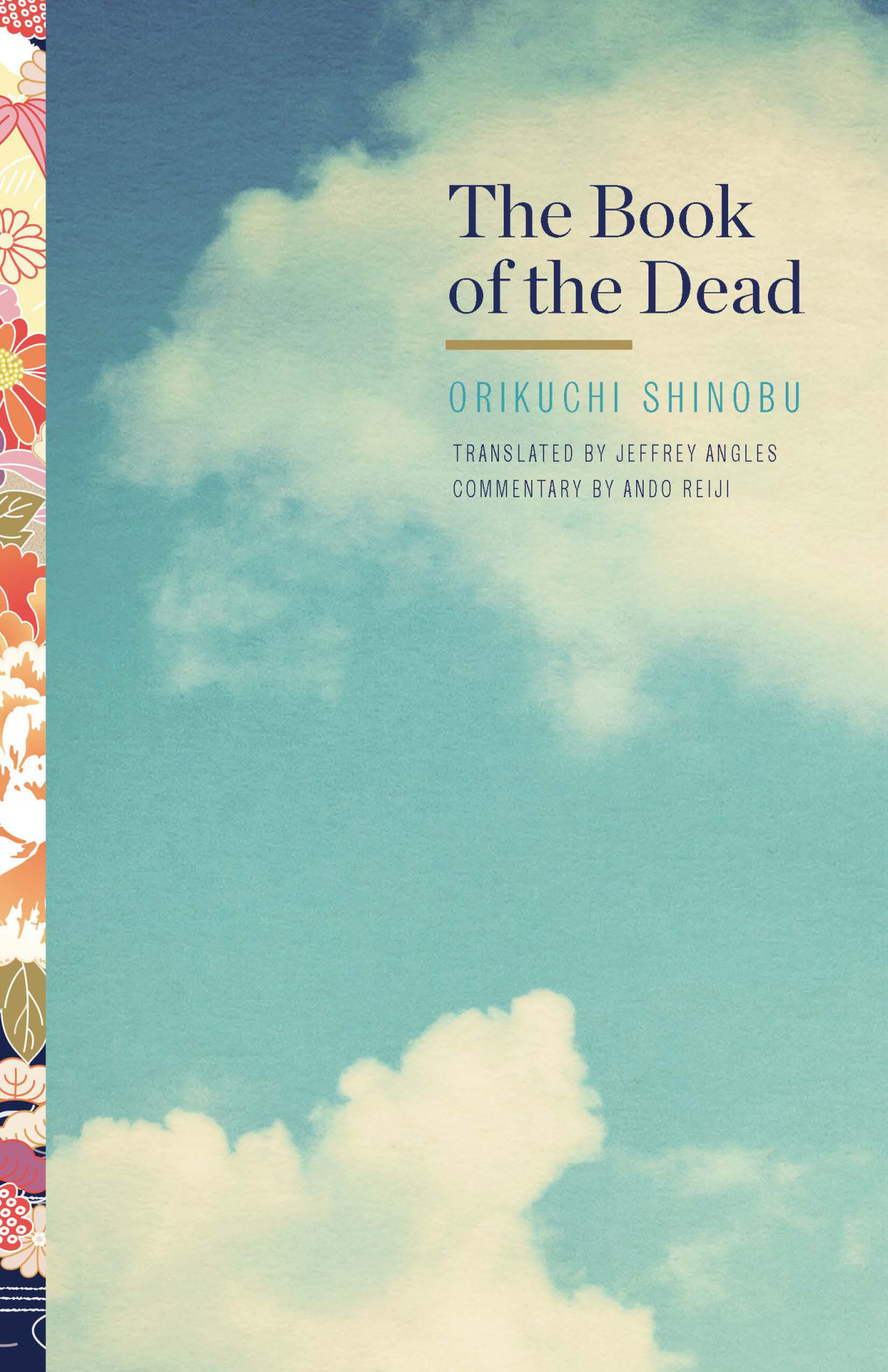
Both influential and deeply mysterious, “The Book of the Dead” (“Shisha no Sho,” 1943) is the most famous work of fiction by Shinobu Orikuchi (1887-1953), a pioneer of folklore studies in Japan and renowned poet. Orikuchi was fascinated with the origins of Japanese religion and the connections between spirit possession and the role of an emperor as a mediator between the gods and the Japanese people.

The Book of the Dead, by Shinobu Orikuchi, Translated by Jeffrey Angles.
352 pages
UNIVERSITY OF MINNESOTA PRESS, Fiction.

Inspired by the Egyptian myths of Osiris and Isis, “The Book of the Dead” is a short but complex web of interconnected narratives set in eighth-century Japan. The literary equivalent of a shining mandala, it transcends modern concepts of the novel and attempts to capture the mood and religious mindsets of the early Japanese nation.

The dense literary work is here accompanied by an erudite introduction by the translator, Jeffrey Angles, and some lengthy essays by Reiji Ando — Japan’s leading Orikuchi expert — which discuss a wide variety of influences on Orikuchi, from lingering affection for deceased male loves to a fascination with Nestorian Christianity, and Orikuchi’s involvement with the dizzyingly pluralistic New Buddhist movement of the early 20th century.

This is a difficult text to translate with artistic flare: Angles has produced a scrupulously researched book of academic rigor that is challenging for the general reader but stimulating for those who give it dedicated contemplation.

KEYWORDSTranslation, The Book of the Dead, Shinobu Orikuchi


In a time of both misinformation and too much information,
quality journalism is more crucial than ever.
By subscribing, you can help us get the story right.SUBSCRIBE NOW

MORE FROM CULTURE


===


The Book of the Dead
by Orikuchi Shinobu (Author), & 2 more Format: Paperback
4.8 4.8 out of 5 stars (7)

ISBN-13: 978-0816688104 ISBN-10: 0816688109 Edition: 1st

See all formats and editions

First published in 1939 and extensively revised in 1943, The Book of the Dead, loosely inspired by the tale of Isis and Osiris from ancient Egypt, is a sweeping historical romance that tells a gothic tale of love between a noblewoman and a ghost in eighth-century Japan. Its author, Orikuchi Shinobu, was a well-received novelist, distinguished poet, and an esteemed scholar. He is often considered one of the fathers of Japanese folklore studies, and The Book of the Dead is without a doubt the most important novel of Orikuchi s career and it is a book like no other.

Here, for the first time, is the complete English translation of Orikuchi s masterwork, whose vast influence is evidenced by multiple critical studies dedicated to it and by its many adaptations, which include an animated film and a popular manga. This translation features an introduction by award-winning translator Jeffrey Angles discussing the historical background of the work as well as its major themes: the ancient origins of the Japanese nation, the development of religion in a modernizing society, and the devotion necessary to create a masterpiece.
Read less
===
Review
"At once a work of innovative fiction, written in an evocative and poetic style, as well as a remarkably astute recreation of the natural, mental and spiritual world of Japan's ancient civilization, The Book of the Dead, long recognized as a modern classic in that country, is now widely accessible for the first time to readers everywhere, thanks to this eloquent translation by Jeffrey Angles. Orikuchi's work will prove fascinating to any reader with an attraction to literature, anthropology, psychology, or history. There is no other work quite like it in the whole modern Japanese canon."--J. Thomas Rimer, University of Pittsburgh

"Orikuchi has fairly haunted modern Japanese literature, and now Jeffrey Angles, in making his The Book of the Dead available in English, helps us understand why. Set eighth-century Japan, Orikuchi's 1943 historical novel illuminated and challenged Japan's twentieth century with this tale of a past emperor who discarded human lives, a story whose publication amidst a world war makes Orikuchi one of the bravest of all modern Japanese writers. Angles' erudite Introduction and Andō Reiji's critical essays alone make this translation worth its price."--John Whittier Treat, Yale University

"Jeffrey Angles has given us a smooth, supple translation of this remarkable book, and thanks to him, Orikuchi's glorious evocation of the distant past will live on in our contemporary world. The sounds of the ancient Japanese language may have disappeared, but in this translation, the text has been reborn with all the strength and grandeur of ancient societies everywhere."--Hiromi Ito, author of Killing Kanoko and Wild Grass on the Riverbank

"What this fascinating and insightful collection illustrates is the thin line between reality and fiction, history and myth--and the creative ways in which they can be interwoven to produce new ideas and new styles both of scholarship as well as literary production."--PopMatters

"It is a superb novel, a classic of Japanese literature, which deserves to be far better known in the English-speaking world."--The Modern Novel

"A landmark translation that proves to be both an enigmatic and revelatory read, tectonic in its implications."--Lines from the Horizon

"A scrupulously researched book of academic rigor that is challenging for the general reader but stimulating for those who give it dedicated contemplation."--Japan Times

"This book is enlightening with regard to modern Japanese literature and aspects of Japanese history."--CHOICE

"Angles has provides us with such a rich and compelling volume. The Book of the Dead is an important contribution to scholarship on Japanese literature, religion, and cultural history, but the quality of the original novel and the effort that Angles has devoted to making it approachable to non-specialists means that this volume suits a wider audience."--Japanese Language and Literature

About the Author
Orikuchi Shinobu (1887-1953) was a Japanese ethnologist, linguist, folklorist, novelist, and poet. As one of the foremost early twentieth-century experts of Japanese folklore and Shinto, he has exerted vast influence over modern intellectual discourse. Many of his novels and collections of poetry are classics of Japanese literature.

Jeffrey Angles is a professor of Japanese and translation at Western Michigan University. He is the author of Writing the Love of Boys (Minnesota, 2011) and is an award-winning translator of dozens of Japan's most important writers.

And Reiji is an associate professor in the Faculty of Art, Tama Art University in Tokyo. As the author of two award-winning studies of Orikuchi Shinobu, he is the foremost authority on Orikuchi in Japan.


Top
About this item
Similar
From the Author
Questions
Reviews
The Book of the Dead
Product details
Publisher ‏ : ‎ University of Minnesota Press
Publication date ‏ : ‎ 1 April 2017
===

Top reviews from other countries

Books on Asia
4 out of 5 starsMost of this book is dedicated to literary criticism about Orikuchi's story
Reviewed in Japan on 13 May 2021
Format: Paperback
Verified Purchase
The Book of the Dead is great, but the reader should be aware that most of this book is dedicated to literary criticism about Orikuchi's story. The actual story by Shinobu Orikuchi covers only pp 61-158 of the 338-page book. In addition, there is so much repetition it becomes annoying. The 58-page Translator's Introduction is fascinating, until you realize that much of it is a reiteration of the footnotes throughout the book. By the end of the volume, I had read some information four different times at various points in the book. It seems to me that a lot of this could have been edited out. Japanese language allows for much more repetition than English does, and it would have been nice it the translator had accounted for that.
===
Displaying 1 - 10 of 19 reviews
Profile Image for Books on Asia.
Books on Asia
228 reviews
83 followers

Follow
May 14, 2021
The Book of the Dead is great, but the reader should be aware that most of this book is dedicated to literary criticism about Orikuchi's story. The actual story by Shinobu Orikuchi covers only pp 61-158 of the 338-page book. In addition, there is so much repetition it becomes annoying. The 58-page Translator's Introduction is fascinating, until you realize that much of it is a reiteration of the footnotes throughout the book. By the end of the volume, I had read some information four different times at various points in the book. It seems to me that a lot of this could have been edited out. Japanese language allows for much more repetition than English does, and it would have been nice if the translator had accounted for that.
japan

5 likes

Like

Comment


Profile Image for Serdar.
Serdar
Author 
13 books
41 followers

Follow
December 10, 2018
(More detailed review here: https://www.ganriki.org/article/the-b... )

Deduct one star if you're not a fan of deep-cut Japanese literature in translation. The first 60 or so pages are a detailed introduction to the historical context of this work -- both the period it was written in and the period it's depicting -- and the entire second half of the volume consists of essays by a Japanese critic about the work. If you're not a fan of this kind of scholarly detail, you won't enjoy this the way you'd enjoy something like a novel by Murakami (either one). Of course I dug it.

5 likes

Like

Comment

Profile Image for E. G..
E. G.
1,184 reviews
800 followers

Follow
July 4, 2025
Note on Japanese Names
Bringing the Dead to Life: Translator's Introduction, by Jeffrey Angles

--The Book of the Dead

Glossary of Nouns, Place Names, and People

Essays from 'The Mandala of Light', by Andō Reiji:
Unraveling the Mysteries of 'Shisha no sho'
The Mandala of Light: On the First Version of 'Shisha no sho'
The Revolution of Religion in the Meiji Period: The Origins of Fuji Musen

Translator's Acknowledgments
Translator's Notes
Bibliography
4-star
 
essays
 
fiction
 
...more

5 likes

Like

Comment

Profile Image for GONZA.
GONZA
7,712 reviews
132 followers

Follow
August 30, 2024
Probabilmente il grado di complessità di questo libro era tale che la difficile lettura me lo ha reso inviso. Il numero esagerato di note a pié di pagina lunghe quasi quanto i paragrafi, non hanno certo aiutato poi un libro costruito con delle linee cronologiche completamente sfasate.
Insomma non lo rileggerei né lo consiglierei.
cartaceo

3 likes

1 comment

Like

Comment

Profile Image for Katy.
Katy
455 reviews
7 followers

Follow
August 4, 2018
I think the amount of commentary is overkill, but the actual book was interesting.

2 likes

Like

Comment


Profile Image for Andrés R. G. .
Andrés R. G.
66 reviews
4 followers

Follow
June 29, 2025
Me pareció muy interesante el manejo del tiempo narrativo, un poco caótico, a veces y con una conclusión, para mí, enorme. Sin duda, se necesita leerlo en una edición crítica como esta para poder extraerle mucho jugo no solamente a las referencias concretas, sino a mucho de lo que subyace en la elección de personajes, acciones o diálogos. Lo disfruté, es en realidad, una novela corta (no sé bien si podríamos llamarle novela, igual) que, aunque a ratos parece un poco desigual, los pasajes poéticos —que no los poemas— destacan y con una trama simple, pero contexto complejo. En fin, habrá que guiñarle un ojo al traductor académico por fijar esta edición e incluir tantos paratextos que faciliten la interpretación-comprensión del texto.

1 like

Like

Comment

Profile Image for Edwin Pietersma.
Edwin Pietersma
224 reviews
12 followers

Follow
March 23, 2021
Fascinating work, but properly the most cultural dense work I have ever read, especially in Japanese (it requires an expert in Japanese and Japanese folklore in order to grasp most of the references, and perhaps they would not grasp them all). Extremely hard to finish, but very rewarding. Reading the added context of Shinobu will help you to better understand and appreciate the work even more (The Egyptian book of death in a Japanese mind/adapted to 8th century Japan, his immediate reason for writing the book, namely the suicide at the temple, his own struggles of latent homosexuality, context of wars and Romantic period surrounding his life, etc.)

5 likes

Like

Comment

Profile Image for Francesco.
Francesco
2 reviews

Follow
December 3, 2025
Mi ha colpito soprattutto il modo in cui l’autore gioca con il tempo narrativo, un andamento volutamente irregolare, a tratti caotico, che però sfocia in un finale, a mio avviso, straordinario. È un testo che richiede una buona edizione critica, come questa, per poter assaporare non solo le allusioni più evidenti, ma anche tutto ciò che si muove sotto la superficie (scelte di personaggi, gesti, dialoghi che rivelano molto più di quanto sembrino)... L’ho letto con piacere, è un romanzo breve, ammesso che si possa davvero definirlo tale, che, pur mostrando qualche sbalzo, trova nei passaggi più poetici (non nei versi, ma nella prosa stessa) i suoi momenti più luminosi. La trama è essenziale, quasi minimale, ma si innesta in un contesto ricco e stratificato, che le dà profondità. Bisogna riconoscere al traduttore il lavoro mastodontico che ha fatto. Questa edizione, con l’abbondanza dei suoi paratesti, rende molto più accessibile l’interpretazione e la comprensione di un’opera tanto particolare. E, a completare il tutto, c’è la splendida copertina di Yamamoto Takato, un’immagine ipnotica, barocca e sensuale che cattura in un solo sguardo l’essenza del libro, quella sospensione tra bellezza e inquietudine, tra sogno e perturbazione. Un vero gioiello che da solo varrebbe già l’acquisto

Like

Comment

Profile Image for Carola.
Carola
535 reviews
41 followers

Follow
September 26, 2024
I think I found the idea of The Book of the Dead - a "sweeping historical gothic romance between a noblewoman and a ghost in eight-century Japan" - more interesting than the actual execution.

I enjoyed reading the introduction. Jeffrey Angles gives a good overview of the author's life, his research that inspired the novel, and the context in which the novel was written. The introduction was so complete, that the end notes to the actual novel (which only takes up around 100 pages of this book) felt superfluous (and I also wish they'd been footnotes instead for easier reading). I ended up skipping the three essays.
2024
 
3-stars
 
bc-japanese-lit
 
...more

Like

Comment


Profile Image for Amy.
Amy
991 reviews
3 followers

Follow
June 14, 2017
Glad to have this done! When I heard Japanese Gothic story I was excited because I enjoyed Dracula and have enjoyed Japanese thriller novels. This felt more like a heavy handed academic description of specific people in specific places all of which I didn't know. The story is more a grasp attempt to hold academic research about Japanese history together. Ah well, to continue the pursuit of what I am really looking for: something akin to Another with an older setting.

===

Shinobu Orikuchi - Wikipedia 折口 信夫

Shinobu Orikuchi - Wikipedia

Shinobu Orikuchi

From Wikipedia, the free encyclopedia
Shinobu Orikuchi
BornFebruary 11, 1887
DiedSeptember 3, 1953 (aged 66)
Other name折口 信夫 (a pen name:釋 迢空)
EducationKokugakuin University (Bachelor of Letters, Doctor of Letters)
Occupationsethnologist, linguist, folklorist, novelist, and poet
PartnerHarumi Orikuchi
Japanese name
Kanji折口 信夫
Hiraganaおりくち しのぶ
Transcriptions

Shinobu Orikuchi (折口 信夫, Orikuchi Shinobu; 11 February 1887–3 September 1953), also known as Chōkū Shaku (釋 迢空, Shaku Chōkū), was a Japanese ethnologist, linguist, folklorist, novelist, and poet. As a disciple of Kunio Yanagita, he established an original academic field named "Orikuchiism" (折口学, Orikuchigaku), which is a mixture of Japanese folklore, Japanese classics, and Shintō. He produced many works in a diversity of fields covering the history of literature, folkloric performing arts, folklore itself, Japanese language, the classics study, Shintōology, ancient study, and so on. Yukio Mishima once called him the "Japanese Walter Pater".

Biography

Orikuchi was born in the former Nishinari, Ōsaka (now part of Naniwa-ku, Osaka). After graduating with a degree in Japanese literature from Kokugakuin University in 1910, he started to teach Japanese and Chinese classics at junior high schools. In 1919, he was employed as a part-time instructor in Kokugakuin University. In 1922, he was promoted to professor. In 1924, he was hired as a professor at Keio University as well; afterward, he taught at two different universities until he died. As a poet, he and Kitahara Hakushu established a tanka magazine called Nikkō ("Sunshine") in 1924. In 1925, he published Between the Sea and the Mountains (海山の間, Umi Yama no Aida), his first tanka book, which is highly esteemed.

In 1934, he received a doctorate for his study on the Man'yōshū. He also established the Japan Folklorists Society (日本民俗協会). As a folklorist, Yanagita was known for rejecting every sexual subject; Orikuchi, in contrast, was very open-minded to these matters. He became a model for the protagonist in Mishima's short story Mikumano Mōde (三熊野詣), while his novel Shisha no Sho was the basis for a film by Kihachiro Kawamoto.

Personal life

Orikuchi was a homosexual (nanshokuka). Harumi Orikuchi (折口春洋), scholar of Japanese literature and poet, was his de facto partner. Harumi died in the Battle of Iwo Jima.

Major works

  • Umi Yama no Aida (海やまのあひだ, "Between The Sea And The Mountains") – Tanka book
  • Haru no Kotobure (春のことぶれ, "The Spring Forerunner") – Tanka book
  • Shisha no Sho (死者の書, "The Book of the Dead") – Novel, translated into English in 2016 by Jeffrey Angles (ISBN 978-0816688104)[1]
  • Kodai Kenkyū (古代研究, "The Ancient Study") – Treatise on folklore and literature in ancient Japan
  • Kabuki San (かぶき讃, "Viva Kabuki")Kabuki review

See also

Sources

  • 加藤守雄『わが師折口信夫』朝日新聞社(1967)
  • 諏訪春雄『折口信夫を読み直す』講談社現代新書(1994)
  • 山折哲雄、穂積生萩『執深くあれ 折口信夫のエロス』小学館(1997)
  • 富岡多恵子『釈迢空ノート』岩波書店(2000)
  • 安藤礼二『神々の闘争 折口信夫論』講談社(2004)

References

  1.  Flanagan, Damian (15 April 2017). "'The Book of the Dead': The first complete translation of Shinobu Orikuchi's classic". The Japan Times. Retrieved 23 February 2022.
===

折口信夫

出典: フリー百科事典『ウィキペディア(Wikipedia)』
折口 信夫おりくち しのぶ
生誕1887年2月11日
大阪府西成郡木津村
死没1953年9月3日(66歳没)
東京都新宿区信濃町
墓地石川県羽咋市
職業民俗学者国語学者歌人
言語日本語
国籍日本の旗 日本
最終学歴國學院大學国文科卒業
ジャンル民俗学詩歌
 ウィキポータル 文学
テンプレートを表示

折口 信夫(おりくち しのぶ〈のぶを〉[注 1]1887年明治20年〉2月11日 - 1953年昭和28年〉9月3日)は、日本民俗学者国文学者国語学者であり、釈迢空(しゃく ちょうくう)と号した詩人歌人でもあった。

折口の成し遂げた研究は、「折口学」と総称されている。柳田國男の高弟として民俗学の基礎を築いた。みずからのの青(あざ)[注 2]をもじって、靄遠渓(あい・えんけい=青インク、「靄煙渓」とも)と名乗ったこともある。

経歴

出生から修学期
「折口信夫生誕の地」の碑と文学碑(大阪市浪速区敷津西1丁目)

1887年2月11日、大阪府西成郡木津村(現:大阪市浪速区敷津西1丁目・鷗町公園)に父秀太郎、母こうの四男として生まれた。信夫の祖父の造酒之介が、飛鳥坐神社社家の出身ということもあり、終生、折口はそれを自慢していた(養子なので直接血縁はないと言われている)。1890年より木津幼稚園に通う。1892年、木津尋常小学校(現在の大阪市立敷津小学校)に入学。1894年、叔母えいから贈られた『東京名所図会』の見開きに初めて自作歌を記した。感謝の念篤く、後年『古代研究』にこの叔母への献詞を載せている。1896年、大阪市南区竹屋町にあった育英高等小学校に入学。

1899年4月、大阪府第五中学校(後の天王寺中学)に入学。この頃には大阪の名所旧跡の地理に詳しくなっており、放課後や日曜日には友人とよく御勝山古墳の辺りを散歩していたとされる[2]。中学の同級生には武田祐吉(国文学者)、岩橋小弥太(国史学者)、西田直二郎などがいた。1900年夏に大和飛鳥坐神社を一人で訪れた。その折に、9歳上の浄土真宗僧侶で仏教改革運動家である藤無染(ふじ・むぜん)と出会って初恋を知ったという説がある。富岡多惠子によると、迢空という号は、このとき無染に付けられた愛称に由来している可能性[3]があるという。

1901年、15歳になったこの年に父親から橘千蔭『万葉集略解』[注 3]を買ってもらった[4]。作歌にも励み、『文庫』『新小説』に投稿した短歌一首ずつが入選。しかし1902年に中学の成績が下がり、暮れに自殺未遂。1903年3月にも自殺未遂したが、「作歌多し」であった。1904年3月、卒業試験にて、英会話作文・幾何・三角・物理の4科目で落第点を取り、原級にとどまる。この時の悲惨さが身に沁みたため、後年、教員になってからも、教え子に落第点は絶対につけなかった。同じく後年、天王寺中学から校歌の作詞を再三頼まれたが、かたくなに拒み続けたと伝えられる。大和に3度旅行した際、室生寺奥の院で自殺を図った若き日の釈契沖に共感、死への誘惑に駆られた。二上山が眼前に三輪山が遠方に、両方見える村の友人の屋敷に複数回滞在している。

1905年3月、天王寺中学校を卒業。医学を学ばせようとする家族の勧めに従って第三高等学校受験に出願する前夜、にわかに進路を変えて上京し、新設の國學院大學予科に入学。藤無染と同居する。この頃に約500首の短歌を詠んだ。1907年、國學院予科を修了し、本科国文科に進んだ。この時期國學院大學において国学者三矢重松に教えを受け、強い影響を受けた。また短歌に興味を持ち、根岸短歌会などに出入りした。1910年7月、國學院大學国文科を卒業。卒業論文は「言語情調論」であった。

今宮中学教員として

卒業後は大阪に戻り、1911年10月に大阪府立今宮中学校の嘱託教員(国漢担当)となった[5]1912年8月に伊勢熊野を巡る旅に出た。1913年12月「三郷巷談」を柳田國男主催の『郷土研究』に発表し、以後、柳田の知遇を得た。

再上京

1914年3月、今宮中学校を退職し、上京。折口を慕って上京した生徒達を抱え、高利貸の金まで借りるどん底の暮らしを経験したという[6]1916年、30歳に時に國學院大學内に郷土研究会を創設。『万葉集』全20巻(4516首)の口語訳上・中・下を刊行。1917年1月、私立郁文館中学校教員となった。同年2月には「アララギ」同人となり、選歌欄を担当することになった。一方で、國學院大學内に郷土研究会を創設するなどして活発に活動した。

1919年1月、國學院大學臨時代理講師に就いた。また、『万葉集辞典』を刊行。1921年7月 - 9月、柳田國男から沖縄の話を聞き、最初の沖縄・壱岐旅行に出た。1922年1月、雑誌『白鳥』を創刊する。同年4月には國學院大學教授となり、穂積忠らを教えた[7]

1923年6月、慶應義塾大学文学部講師となり「三田文学」にも深く関わった。第2回目の沖縄旅行に出た。1924年1月、亡師三矢重松の「源氏物語全講会」を遺族の勧めで再興。後にこの会を慶應義塾大学に移し、没年まで活動を続けた。またこの年には「アララギ」を去って、北原白秋らと共に歌誌『日光』を創刊した。

1925年5月、処女歌集『海やまのあひだ』を刊行。1927年6月、國學院の学生らを伴って能登半島に採訪旅行し、藤井春洋の生家を訪ねた。1928年4月、慶應義塾大学文学部教授に昇格し、芸能史講座を開講した。1929年、川田順斎藤茂吉前田夕暮松村英一北原白秋らが設立した日本歌人協会東京市本郷区駒込[8]に加入。1932年、文学博士号を取得。日本民俗協会の設立に関わり、幹事となった。

1935年11月、大阪木津の折口家から分家。第3回目の沖縄旅行。1940年4月、國學院大學文学部に「民俗学」講座を設けた。愛知県三沢花祭り、長野県新野雪祭りを初めて見た。

1941年8月、中国大陸を旅し、北京にて講演。同年12月8日、太平洋戦争大東亜戦争)に突入し、藤井春洋は応召。1942年、『天地に宣る』を出版。1944年藤井春洋硫黄島に着任。春洋を養嗣子として入籍。1945年3月、第1回大阪大空襲で生家が焼失。大本営が藤井春洋のいる硫黄島の玉砕を発表。同年8月15日の終戦の玉音放送を聴くと、箱根山荘に40日間籠もった。

戦後

1948年4月、『古代感愛集』により日本芸術院賞を受賞[9]。同年12月には第1回日本学術会議会員に選出された。1949年7月、能登一ノ宮に戦死した春洋との父子墓を建立した。1950年と翌51年は宮中御歌会選者を拝命。

1953年7月初め箱根仙石原の別荘[注 4]に行くも健康がすぐれなかった。同年8月31日、衰弱が進んで慶應義塾大学病院に入院。同年9月3日、胃癌により永眠。養子として迎えて戦死した春洋と共に、気多大社がある石川県羽咋市一ノ宮町に建立した墓に眠る[10]。また、折口家の菩提寺願泉寺(大阪市)に分骨が納められている。

受賞・栄典

民俗学研究者として

柳田國男との関係

柳田國男との間には、以下のようなエピソードがあった。

1915年(大正4年)の『郷土研究』誌に載った論文で、互いに似通った折口と柳田の論文が前後して載せられるという事件があった。折口が昨年のうちに送ったものが採用されず、柳田の「柱松考」が3月号、折口の「髯籠の話」が4-5月号に載ったというものだが、それを後に振り返って折口が言った「先生の「柱松考」を先に見ていれば、わたしは「髯籠の話」など書かなかった」という言葉に、潔癖さ、厳しさが表れている。

そして、柳田も「(折口君という人は)真似と受け売りの天性嫌いな、幾分か時流に逆らっていくような、今日の学者としては珍しい資質を具えている」と、その点では認めていた。ただし、「マレビト」を認めない柳田と折口の間に論争があったのも事実である[12]。両者は国学発展の祖に当たる賀茂真淵本居宣長と同じく、教えを受けながらも正当だと思ったところは譲らず、真理の追究を磨く学者の関係を持っていたといえる。なお、『遠野物語』(現行版は角川ソフィア文庫)に折口の跋文(後書き)がある。

柳田は、折口よりも12歳年上で、1945年(昭和20年)夏の第二次世界大戦終結時には、共に60歳を越えていた。戦後にのぞみ、重い口調で柳田は折口へ「折口君、戦争中の日本人花が散るように潔く死ぬことを美しいとし、われわれもそれを若い人に強いたのだが、これほどに潔く死ぬ事を美しいとする民族が他にあるだろうか。もしあったとしてもそういう民族は早く滅びてしまって、に囲まれた日本人だけが辛うじて残ってきたのではないだろうか。折口君、どう思いますか」と問い、しばらく両者は深く思い沈んでいたという。折口には、18年間を共にした養嗣藤井春洋硫黄島玉砕という重い出来事があった。その追悼の念は徹底的であり、終戦の玉音放送を聴くと四十日間のに服し、自分が死ぬまで遺影前の供養を欠かさなかったという。第二次世界大戦太平洋戦争大東亜戦争)で失った戦死者の鎮魂は大きな課題で、戦没者が生前に殉じる価値を見出そうとした皇国国体などといった観念も昭和天皇人間宣言とともに潰え果てていた。日本人のといった問題の意識は柳田も共有していて、折口はその問題を、晩年の論考「民族史観における他界観念」に収斂させていくこととなる[13]

柳田が民俗現象を比較検討することによって合理的説明をつけ、日本文化起源に遡ろうとした帰納的傾向を所持していたのに対し、折口はあらかじめマレビトやヨリシロという独創的概念に日本文化の起源があると想定し、そこから諸現象を説明しようとした演繹的な性格を持っていたとされる。

歌人・国文学者として

歌人としては正岡子規の「根岸短歌会」、後「アララギ」に「釈迢空」の名で参加し、作歌や選歌をしたが、やがて自己の作風と乖離し、アララギを退会する。1924年大正13年)北原白秋と同門の古泉千樫らと共に反アララギ派を結成して『日光』を創刊した。

迢空賞

迢空賞は1967年に折口信夫にちなんで設けられた短歌賞で、短歌界では最も格式ある賞とされている。

  • 中学校時代に出版されて間もない「国歌大観」を一夏掛け精読し、兄の友人であった加藤順三に「和歌の表現の至りつくしたのは、玉葉集風雅集ですよ。」と語った[14]
  • 同性愛者男色家)であり、以下のようなエピソードが伝わる。
    • 折口は高弟の加藤守雄に同衾を強要しようとしたことがあった(未遂)。養子の折口春洋(旧姓藤井)は家計をすべて預かり、事実上の配偶者だった。折口春洋の死後は、1947年から岡野弘彦書生として同居し、死期を看取った。
    • このような折口の性的指向に対して柳田は批判的で、折口の前で加藤に向かって「加藤君、牝鶏(おそらく鶏姦の意)になっちゃいけませんよ」と忠告した[15]こともある。
    • 折口自身は同性愛変態だと世間では言うけれど、そんなことはない。男女の間の愛情よりも純粋だと思う。変態と考えるのは常識論にすぎない」と述べている[16]
    • 『口ぶえ』という、男子中学生同士の恋を叙情的に描いた若い頃の男色小説がある。
  • 折口が主査となり博士号を授与した、西角井正慶高崎正秀藤野岩友今泉忠義大場磐雄の高弟五人を指して折口信夫の五博士という。各博士たちは、折口の学問を継承し、各自の分野において優れた業績を残した。「五博士」という言い方は、折口自身が言い始めた。大場磐雄による西角井正慶の追悼文(「西角井正慶さんのみたまにささげる詞」『芸能』第13巻第2号(通巻144号) 1971年2月)には、「先生(引用者注・折口信夫)によつて学位を頂き、先生から五博士と呼んで下さつた仲間」と書かれている。
  • 1931年(昭和6年)に石川県立大聖寺高等女学校の校歌[17]を手がけたことを皮切りに20数校の校歌および國大音頭の作詞を手がける[18][19]
  • 昭和の初め頃の数年間、コカインを常用していた。そのために嗅覚がほとんど失われていた。「まれびと」や「日本文学の発生」といった初期の代表的論文はコカインを常用していた時期に執筆したものである[20]
  • 小谷野敦は、折口の「まれびと」等を収めた『古代研究』を、何を根拠にしているのか分からない断言が次々と出て来る、しかも文章も奇妙で、文学作品としかいえないものだとしている[21]

家族・親族

系譜

折口家は木津の願泉寺門徒の百姓であったが、曽祖父彦七の時から商家となり、生薬雑貨を商った[22]

  • 祖父:造酒ノ介(みきのすけ)は元、大和の明日香村岡寺前の岡本善右衛門の八男であったが、同地の古社である飛鳥坐神社の累代の神主家飛鳥助信の養子となった上で、折口家に養子として入り、を本業として従来の家業を兼ねた。
  • 父:秀太郎は河内国名主の家の次男で、折口家の養子となり医を継いだ。信夫が生まれて7年のち双生児の弟が誕生するが、実は母こうが生んだのではなくて、同居する叔母ゆうと父の秀太郎との間に生まれたのであった。こうした家庭内の愛情にかかわる葛藤も、信夫の心に深い陰影を刻んだ[22]
  • 長兄:医者の後を継いだ[4]
(先妻)
彦次郎あゐ
彦七
秀太郎
造酒ノ介
こう
とよゆう信夫
えい親夫
つた
和夫

著作

全集・著作集

  1. 『古代研究 国文学篇』
  2. 『古代研究 民俗学篇 1』
  3. 『古代研究 民俗学篇 2』
  4. 『日本文学の発生序説:文学発生論』
  5. 『大和時代の文学・風土記の古代生活:古代文学論』
  6. 『万葉びとの生活』
  7. 『万葉集講義・日本古代抒情詩集』
  8. 『東歌疏・選註万葉集抄』
  9. 『口訳万葉集 上』
  10. 『口訳万葉集 下』
  11. 万葉集辞典』
  12. 『言語情調論・副詞表情の発生(言語論)』
  13. 新古今前後・世々の歌びと』
  14. 『恋の座・近代短歌』
  15. 伊勢物語私記・反省の文学源氏物語:後期王朝文学論』
  16. 国文学短歌論・国語学
  17. 『春来る鬼・仇討ちのふおくろあ』
  18. 『女の香炉・大倭宮廷の剏業期』
  19. 『石に出で入るもの・生活の古典としての民俗』
  20. 『民族史観における他界観念・神道宗教化の意義:神道国学論』
  21. 『日本芸能史六講』
  22. かぶき讃』
  23. 『日本文学啓蒙』
  24. 『海やまのあひだ・春のことぶれ』
  25. 『倭をぐな』
  26. 『古代感愛集・近代悲傷集』
  27. 『死者の書・身毒丸』
  28. 『花山寺縁起・東北車中三吟』
  29. 『歌の円寂するとき』
  30. 『切火評論・雲母集細見』
  31. 『自歌自註・短歌啓蒙』
  32. 『山の音を聴きながら』
  33. 『零時日記・海道の砂』
  34. 『日記・書簡・補遺』
  35. 『万葉集短歌輪講・手帖』
  36. 『年譜・著述総目録・講義目録・全集総目次・短歌索引』
  37. 『総索引』
  38. 『別巻1 折口信夫講義』
  39. 『別巻2 折口信夫輪講』
  40. 『別巻3 折口信夫対談』
  • 旧版『折口信夫全集』(全31巻)中央公論社 1954-1957
    • 新訂版 (全31巻・別巻1) 中央公論社 1965-1968、再訂版 1972-1974/中公文庫 1975-1976、総索引1978
  • 『折口信夫全集 ノート編』(全18巻・別巻1)中央公論社
    • 『折口信夫全集 ノート編 追補編』(全5巻)中央公論社
    1970-1988(折口博士記念古代研究所編、併せて約18年かけ刊行)
  • 『折口信夫芸能史講義 戦後篇』全2巻、慶應義塾大学出版会 2015-2016
    伊藤好英・藤原茂樹・池田光編、池田彌(弥)三郎による没年までの講義ノートを書籍化
  • 『精選折口信夫』全6巻、岡野弘彦編・長谷川政春解題、慶應義塾大学出版会 2018-2019 - ※電子書籍も刊
  1. 『異郷論・祭祀論』
  2. 『文学発生論・物語史論』
  3. 『短歌史論・迢空短歌編』
  4. 『芸能史論』
  5. 『随想ほか・迢空詩編』
  6. 『アルバム』
  • 『日本現代文学全集53 折口信夫集』講談社 1969
  • 『日本近代文学大系46 折口信夫集』角川書店 1972 
  • 近代日本思想大系22 折口信夫集』広末保責任編集、筑摩書房 1975
歌集・歌論 
※は電子書籍版も刊
  • 歌集『海やまのあひだ』改造社 1925
  • 歌集『春のことぶれ』梓書房 1930
  • 歌集『山の端』八雲書店 1946
  • 歌集『遠やまひこ』好学社 1948
  • 歌人論『世々の歌びと』鎌倉文庫 1949
  • 歌集『倭をぐな』中央公論社 1955
  • 『釋迢空詩集』思潮社 現代詩文庫 1975
  • 『万葉集 日本古典文庫』上下 河出書房新社 1976、新版1988
  • 『釋迢空短歌綜集』河出書房新社、1987
  • 『釈迢空全歌集』岡野弘彦編、角川ソフィア文庫 2016※
  • 『口訳万葉集』上中下 岩波現代文庫(持田叙子解説)2017
  • 『歌の話・歌の円寂する時 他一篇』岩波文庫 2009※
    歌論、他は女流短歌史、岡野弘彦解説
  • 『釈迢空歌集』富岡多惠子編、岩波文庫 2010
  • 『折口信夫古典詩歌論集』藤井貞和編、岩波文庫 2012※
創作作品
  • 死者の書
    • 『死者の書・身毒丸』中公文庫 改版1999。川村二郎解説
  • 『死者の書』池田彌三郎注解、持田叙子新版解説、角川ソフィア文庫 2017※
  • 『死者の書・口ぶえ』安藤礼二注・解説、岩波文庫 2010※
国文学・芸能関係論
  1. 『祭りの発生』2002
  2. 『祝詞の発生』2003
  3. 『国文学の発生』2003
  4. 『女房文学から隠者文学へ』2004
対話
  • 『折口信夫対話』角川選書 1975-1978 - 池田彌三郎・加藤守雄ほか編
  1. 日本の詩歌 - 谷崎潤一郎川端康成等との対談・座談など
  2. 古典と現代
  3. 万葉集輪講
  • 新編『折口信夫対話集』安藤礼二編・解説、講談社文芸文庫 2013
天皇・神道論
  • 「御即位式と大嘗祭と」『歴史教育』3-8、歴史教育研究會 1928.12
  • フレイザー穀物の神を殺す行事」折口訳、『土俗と伝説』1巻第1-2号、文武堂 1918.8
  • 「原始信仰」『郷土科学講座』1、郷土科学研究会 1931.9
  • 「剣と玉」(上代文化研究会公開講演会筆記)『上代文化』7、上代文化研究会 1931.12
  • 「皇子誕生の物語」『『東京日日新聞』東京日日新聞社 1933.12
  • 「大倭宮廷の剏業期」『改造』14-1、改造社 1933.1
  • 「道徳の発生」『表現』2-4、表現社 1933.4
  • 「神道の新しい方向」第一放送 1946.6
    • 「神道の新しい方向」『民俗学の話』共同出版社 1949.6
  • 「神道宗教化の意義」(関東地区神職講習会講演筆記) 1946.8
    • 「神道宗教化の意義」神社新報社 1947.10
  • 女帝考」『思索』3 1946
  • 「神道の友人よ」『神社新報』27 神社新報社 1947
  • 「民族教より人類教へ」(神社本庁創立満一周年記念講演会筆記)『神社新報』27 神社新報社 1947
  • 「民族史観における他界観念」『古典の新研究』1 角川書店 1952.10

代表歌

春のことぶれ 卒業する二兎人に
  • 道なかに人かへりみずたちつくす道祖神とわれとさびしと言はむ
  • 櫻の花ちりぢりにしもわかれ行く遠きひとりと君もなりなむ 「今昔秀歌百撰83」選者:山本直人
  • 葛の花踏みしだかれて、色あたらし。この山道を行きし人あり (海やまのあひだ)
  • いきどほる心すべなし。手にすゑて、蟹のはさみをもぎはなちたり (海やまのあひだ)
  • 水底に、うつそみの面わ沈透(シヅ)き見ゆ。來む世も、我の寂しくあらむ (海やまのあひだ)

校歌(作詞)

主な評論・評伝

関連文献は数百冊あり、下記はあくまで一部、品切絶版を多く含む。

門下生の回想・研究
  • 『折口信夫回想』池田彌三郎加藤守雄岡野弘彦編、中央公論社、1968年
  • 岡野弘彦『折口信夫伝 その思想と学問』 中央公論新社、2000年/ちくま学芸文庫、2020年
  • 岡野弘彦解説「粉河寺の朝の少年折口」-『古代研究I 祭りの発生』中公クラシックス、2002年
  • 岡野弘彦『最後の弟子が語る 折口信夫』 平凡社、2019年
  • 西村亨『折口信夫とその古代学』 中央公論新社、1999年
  • 西村亨『折口名彙と折口学』 桜楓社、1985年
  • 塚崎進『釈迢空・折口信夫の人生』 桜楓社、1987年
  • 加藤守雄『折口信夫伝 釈迢空の形成』 角川書店、1979年 - 評伝研究
  • 『迢空・折口信夫研究』 池田彌三郎・加藤守雄、角川書店、1973年 - 弟子2人の対話集
  • 『池田彌三郎著作集 7 折口信夫研究』 角川書店、1979年
  • 池田彌三郎『私説折口信夫』 中公新書、1972年 - 入門書
  • 『折口信夫 まれびと論 日本民俗文化大系 2』池田彌三郎編著、講談社、1978年 - 著作抜粋と解説
  • 池田彌三郎『まれびとの座 折口信夫と私』 中央公論社、1961年。中公文庫、1977年 - 回想記・日記
  • 池田彌三郎『わが幻の歌びとたち 折口信夫とその周辺』 角川選書、1978年 - 日記。オンデマンド版で再刊
  • 池田彌三郎『孤影の人 折口信夫と釈迢空のあいだ』 旺文社文庫、1981年
  • 『柳田国男と折口信夫』 池田彌三郎・谷川健一、思索社、1980年/岩波同時代ライブラリー、1994年 - 対話集
  • 『折口信夫事典』 西村亨編、大修館書店、1988年、増補版1998年
  • 『迢空・折口信夫事典』 有山大五・石内徹・馬渡憲三編、勉誠出版、2000年
  • 『折口信夫・釈迢空 その人と学問』 國學院大學折口博士記念古代研究所・小川直之編
    おうふう、2005年。没後50年記念出版、9名10編の論考
折口に関する論考集
  • 『折口信夫 日本文学研究資料叢書』 同刊行会編・有精堂出版、1972年、新版1989年
  • 現代詩手帖 臨時増刊 特集折口信夫・釋迢空』1973年6月号、思潮社
鷲巣繁男 高橋睦郎 伊藤幹治ほか
  • 『短歌 臨時増刊号 迢空・折口信夫特集』1973年11月号、角川書店
馬場あき子 伊馬春部 宮柊二ほか
  • 『折口信夫 人と思想』 谷川健一編、三一書房、1974年
  • 『折口信夫 文芸読本』河出書房新社、1976年、新版 1984年
室生犀星 山本健吉 前登志夫ほか
川村二郎 佐藤正英ほか
  • 『別冊国文学 折口信夫必携』 岡野弘彦・西村亨編、学燈社、1987年、新版 1993年
  • 『柳田国男と折口信夫 学問と創作の間 日本文学研究資料新集』高橋広満編、有精堂出版、1989年
  • 谷川健一全集 第19巻 人物2 折口信夫 ほか』 冨山房インターナショナル、2008年
  • 『現代思想 総特集 折口信夫』臨時増刊2014年4月号、青土社
安藤礼二 藤井貞和 小松和彦ほか
主に文学者たちの評伝研究
  • 戸板康二『折口信夫坐談』 中央公論社、1972年、のち中公文庫 - 折口の片言隻句を記述
  • 山本健吉『釈迢空』 角川選書、1972年 - 折口門下の一人
  • 穂積生萩『私の折口信夫』 中公文庫、2001年
  • 山折哲雄『物語の始原へ 折口信夫の方法』 小学館、1997年
  • 『執深くあれ 折口信夫のエロス』山折哲雄・穂積生萩 対話、小学館、1997年
  • 藤井貞和『折口信夫の詩の成立 詩形/短歌/学』 中央公論新社、2000年
  • 藤井貞和『釈迢空 詩の発生と<折口学> 私領域からの接近』 講談社学術文庫、1994年
  • 吉増剛造『生涯は夢の中径 折口信夫と歩行』 思潮社、1999年
  • 富岡多恵子『釋迢空ノート』 岩波書店、2000年/岩波現代文庫、2006年
  • 富岡多恵子・安藤礼二 『折口信夫の青春』 ぷねうま舎、2013年
  • 安藤礼二『神々の闘争 折口信夫論』 講談社、2004年/講談社文芸文庫、2024年
  • 安藤礼二『折口信夫』 講談社、2014年
  • 持田叙子『歌の子詩の子、折口信夫』 幻戯書房、2016年
  • 持田叙子『折口信夫 秘恋の道』 慶應義塾大学出版会、2018年
  • 伊藤好英『折口信夫 民俗学の場所』 勉誠出版、2016年
  • 辰巳正明『折口信夫 東アジア文化と日本学の成立』 笠間書院、2007年
  • 奈良橋善司『釈迢空 折口信夫論』 おうふう、2003年
  • 石内徹『折口信夫 日本の作家100人、人と文学』 勉誠出版、2003年
  • 木村純二『折口信夫 いきどほる心 再発見日本の哲学』 講談社、2008年/講談社学術文庫、2016年
  • 上野誠『魂の古代学 問いつづける折口信夫』 新潮選書、2008年
    • 新版『折口信夫 魂の古代学』 角川ソフィア文庫、2014年
  • 上野誠『折口信夫的思考 越境する民俗学者』 青土社、2018年
  • 林浩平『折口信夫 霊性の思索者』 平凡社新書、2009年
  • 植村和秀『折口信夫 日本の保守主義者』 中公新書、2017年
  • 斎藤英喜『折口信夫 神性を拡張する復活の喜び』 ミネルヴァ書房日本評伝選〉、2019年
  • 小川直之『柳田國男と折口信夫』 吉川弘文館〈歴史文化ライブラリー〉、2026年
図版
  • 『折口信夫紀行 武田太郎写真集』風書房、1974年
    • 増訂版『折口信夫の世界 回想と写真紀行』 芸能学会編、岩崎美術社、1992年
  • 『精選折口信夫VI アルバム』 岡野弘彦編、國學院大學折口博士記念古代研究所監修、慶應義塾大学出版会、2019年
  • 『折口信夫と古代を旅ゆく』 芳賀日出男写真・解説、慶應義塾大学出版会、2009年
映像
  • 『ビデオ・学問と情熱17 折口信夫』 岡野弘彦監修、紀伊國屋書店、2000年
    • DVD版『学問と情熱 折口信夫 人間を深く愛する神ありて』 同上、2007年

折口信夫が登場する作品

小説
折口がモデルの作品
漫画
上)ISBN 978-4-04-715161-1[35]
中)ISBN 978-4-04-715196-3[36]
下)ISBN 978-4-04-715227-4[37]

主な引用文献

  • 『新潮日本文学アルバム26 折口信夫』 岡野弘彦解説、新潮社、1985年 - 入門書
  • 加藤守雄『わが師 折口信夫』 文藝春秋、1967年。朝日文庫、1991年12月 - 回想
  • 岡野弘彦『折口信夫の晩年』 中央公論社、1969年。中公文庫、1977年・復刊1991年。慶應義塾大学出版会、2017年
  • 岡野弘彦『折口信夫の記』 中央公論社、1996年

脚注

注釈

  1.  岩橋小弥太によると、本来の読み方は「のぶを」であって、國學院在籍時から「しのぶ」と名乗るようになったという[1]
  2.  この痣から、中学時代は「インキ婆々」というあだ名がついていた[1]
  3.  江戸後期の歌人加藤千蔭の筆名、1800年(寛政12年)『万葉集』二十巻を注釈した著述で、明治以降も度々刊行された。折口が読んだのは明治33年版。
  4.  没後に別荘は、國學院大學の厚生施設「叢隠居」に改修された。

出典

  1.  岩橋小弥太「折口信夫博士の思出」、『國學院雑誌』69巻11号(1968年11月) p.25
  2.  生野区内の史跡・旧跡”. 大阪市. 2025年4月8日閲覧。
  3.  富岡多惠子『釋迢空ノート』
  4.  芳賀日出男『折口信夫と古代を旅ゆく』慶應義塾大学出版会 2009年
  5.  天文学者萩原雄祐は府立今宮中学校時代に折口に師事した。
  6.  加藤守雄『わが師 折口信夫』118頁
  7.  穂積忠』 - コトバンク
  8.  日本歌人協会』《文芸年鑑 昭和5年版》、409頁。
  9.  「朝日新聞」1948年4月29日(東京本社発行)朝刊、2頁。
  10.  折口信夫父子の歌碑”. のと千里浜 観光ガイド. はくい市観光協会. 2023年5月31日時点のオリジナルよりアーカイブ。2024年8月17日閲覧。
  11.  『朝日新聞』1957年2月28日(東京本社発行)朝刊、11頁。
  12.  折口信夫『古代研究I』12–13頁
  13.  折口信夫『古代研究I』14–20頁
  14.  折口信夫『歌の話・歌の円寂する時 他一篇』解説岡野弘彦(岩波文庫、2009年)
  15.  『わが師 折口信夫』 204-205頁には「土間に下りていた折口先生の表情がみるみる蒼白になった。じっとうつむいたまま、立ちすくんでいられる。…“柳田先生はいつもぼくをいじめなさる。ぼくのだいじにしている弟子を、みんなとってしまわれる”ほとんど泣きべそをかくような声であった」という記述がある
  16.  『わが師 折口信夫』 208頁。
  17.  大聖寺高等女学校校歌”. 石川県立大聖寺高等学校. 2024年10月14日閲覧。
  18.  校歌を考える”. 東京東筑53期の会. 2024年10月14日閲覧。
  19.  福岡県立東筑高等学校の作詞については折口によるものではないという異説がある
  20.  岡野弘彦『折口信夫の記』p230、中央公論社, 1996。岡野弘彦『折口信夫の晚年』p76ほか、中公文庫, 1977
  21.  小谷埜敦『日本売春史』新潮社、2007年、32頁。
  22.  『新潮日本文学アルバム 26 折口信夫』より
  23.  「木島日記」 大塚 英志 - KADOKAWA”. KADOKAWA. 2022年1月30日閲覧。
  24.  「木島日記」 大塚 英志 - KADOKAWA”. KADOKAWA. 2022年1月30日閲覧。
  25.  「木島日記」 大塚 英志 - KADOKAWA”. KADOKAWA. 2022年1月30日閲覧。
  26.  「木島日記 乞丐相」 大塚 英志 - KADOKAWA”. KADOKAWA. 2022年1月30日閲覧。
  27.  「木島日記 乞丐相」 大塚 英志 - KADOKAWA”. KADOKAWA. 2022年1月30日閲覧。
  28.  「木島日記 乞丐相」 大塚 英志 - KADOKAWA”. KADOKAWA. 2022年1月30日閲覧。
  29.  「木島日記 もどき開口」 大塚 英志 - KADOKAWA”. KADOKAWA. 2022年1月30日閲覧。
  30.  「木島日記 もどき開口 上巻」 大塚 英志 - 星海社”. 星海社. 2023年4月25日閲覧。
  31.  「木島日記 もどき開口 下巻」 大塚 英志 - 星海社”. 星海社. 2023年4月25日閲覧。
  32.  新編『殉教』解説高橋睦郎新潮文庫、1982年、改版2004年)、初刊(新潮社、1965年)
  33.  佐藤秀明『日本の作家100人 三島由紀夫』(勉誠出版、2006年)
  34.  初刊は全4巻(角川書店、1999-2003年)
  35.  「木島日記 上」 大塚 英志 - KADOKAWA”. KADOKAWA. 2022年1月30日閲覧。
  36.  「木島日記 中」 大塚 英志 - KADOKAWA”. KADOKAWA. 2022年1月30日閲覧。
  37.  「木島日記 下」 大塚 英志 - KADOKAWA”. KADOKAWA. 2022年1月30日閲覧。

関連項目

外部リンク

===

Walter Pater

From Wikipedia, the free encyclopedia
Walter Pater
Pater in the 1890s (photograph by Elliott & Fry)
Born4 August 1839
Stepney, London, Middlesex, England
Died30 July 1894 (aged 54)
Oxford, England
Resting place
Holywell Cemetery
EducationThe Queen's College, Oxford
OccupationsAcademic, essayist, writer
Writing career
LanguageEnglish
GenresArt criticism, literary criticism, literary fiction
Notable worksThe Renaissance (1873), Marius the Epicurean (1885)
Notable awardsHonorary LL.D, University of Glasgow (1894)
Movement
Aestheticism

Walter Horatio Pater (4 August 1839 – 30 July 1894) was an English essayist, art and literary critic, and fiction writer, regarded as one of the great stylists. His first and most often reprinted book, Studies in the History of the Renaissance (1873), revised as The Renaissance: Studies in Art and Poetry (1877), in which he outlined his approach to art and advocated an ideal of the intense inner life, was taken by many as a manifesto (whether stimulating or subversive) of Aestheticism.[1][2]

Early life

Born in Stepney in London's East End, Walter Pater was the second son of Richard Glode Pater, a physician who had moved to London in the early 19th century to practise medicine among the poor. Dr Pater died while Walter was an infant and the family moved to Enfield. Walter attended Enfield Grammar School and was individually tutored by the headmaster.

In 1853 he was sent to The King's School, Canterbury, where the beauty of the cathedral made an impression that would remain with him all his life. He was fourteen when his mother, Maria Pater, died in 1854. As a schoolboy Pater read John Ruskin's Modern Painters, which helped inspire his lifelong attraction to the study of art and gave him a taste for well-crafted prose. He gained a school exhibition, with which he proceeded in 1858 to Queen's College, Oxford.[3]

As an undergraduate, Pater was a "reading man", with literary and philosophical interests beyond the prescribed texts. Flaubert, Gautier, Baudelaire and Swinburne were among his early favourites. Visiting his aunt and sisters in Heidelberg, Germany,[4] during the vacations, he learned German and began to read Hegel and the German philosophers.[5] The scholar Benjamin Jowett was struck by his potential and offered to give him private lessons. In Jowett's classes, however, Pater was a disappointment; he took a Second in Literae Humaniores in 1862. As a boy Pater had cherished the idea of entering the Anglican clergy, but at Oxford his faith in Christianity had been shaken. In spite of his inclination towards the ritual and aesthetic elements of the church, he had little interest in Christian doctrine and did not pursue ordination. After graduating, Pater remained in Oxford and taught Classics and Philosophy to private students. (His sister Clara Pater, a pioneer of women's education, later taught ancient Greek and Latin at Somerville College, of which she was one of the co-founders.[6]) Pater's years of study and reading now paid dividends: he was offered a classical fellowship in 1864 at Brasenose on the strength of his ability to teach modern German philosophy,[7] and he settled down to a university career.

Career and writings

The Renaissance

Pater as a young don at Brasenose

The opportunities for wider study and teaching at Oxford, combined with formative visits to the Continent – in 1865 he visited Florence, Pisa and Ravenna – meant that Pater's preoccupations now multiplied. He became acutely interested in art and literature, and started to write articles and criticism. First to be printed was an essay on the metaphysics of Coleridge, 'Coleridge's Writings', contributed anonymously in 1866 to the Westminster Review. A few months later his essay on Winckelmann (1867), an early expression of his intellectual and artistic idealism, appeared in the same review, followed by 'The Poems of William Morris' (1868), expressing his admiration for romanticism. In the following years the Fortnightly Review printed his essays on Leonardo da Vinci (1869), Sandro Botticelli (1870), and Michelangelo (1871). The last three, with other similar pieces, were collected in his Studies in the History of the Renaissance (1873), renamed in the second and later editions The Renaissance: Studies in Art and Poetry. The Leonardo essay contains Pater's celebrated reverie on the Mona Lisa[8] ("probably still the most famous piece of writing about any picture in the world"[9]); the Botticelli essay was the first in English on this painter, contributing to the revival of interest in him;[10] while the Winckelmann essay explored a temperament with whom Pater felt a strong affinity.[11] An essay on 'The School of Giorgione' (Fortnightly Review, 1877), added to the third edition (1888), contains Pater's much-quoted maxim "All art constantly aspires towards the condition of music" (i.e. the arts seek to unify subject-matter and form, and music is the only art in which subject and form are seemingly one). The final paragraphs of the 1868 William Morris essay were reworked as the book's 'Conclusion'.

This brief 'Conclusion' was to be Pater's most influential – and controversial[12] – publication. It asserts that our physical lives are made up of scientific processes and elemental forces in perpetual motion, "renewed from moment to moment but parting sooner or later on their ways". In the mind "the whirlpool is still more rapid": a drift of perceptions, feelings, thoughts and memories, reduced to impressions "unstable, flickering, inconstant", "ringed round for each one of us by that thick wall of personality"; and "with the passage and dissolution of impressions... [there is a] continual vanishing away, that strange, perpetual weaving and unweaving of ourselves". Because all is in flux, to get the most from life, we must learn to discriminate through "sharp and eager observation": for

every moment some form grows perfect in hand or face; some tone on the hills or the sea is choicer than the rest; some mood of passion or insight or intellectual excitement is irresistibly real and attractive for us, – for that moment only.

Through such discrimination we may "get as many pulsations as possible into the given time": "To burn always with this hard, gem-like flame, to maintain this ecstasy, is success in life." Forming habits means failure on our part, for habit connotes the stereotypical. "While all melts under our feet," Pater wrote, "we may well catch at any exquisite passion, or any contribution to knowledge that seems by a lifted horizon to set the spirit free for a moment, or any stirring of the senses, or work of the artist's hands. Not to discriminate every moment some passionate attitude in those about us in the brilliancy of their gifts is, on this short day of frost and sun, to sleep before evening." The resulting "quickened, multiplied consciousness" counters our insecurity in the face of the flux.[13] Moments of vision may come from simple natural effects, as Pater notes elsewhere in the book: "A sudden light transfigures a trivial thing, a weathervane, a windmill, a winnowing flail, the dust in the barn door; a moment – and the thing has vanished, because it was pure effect; but it leaves a relish behind it, a longing that the accident may happen again."[14] Or they may come from "intellectual excitement", from philosophy, science and the arts. Here we should "be for ever testing new opinions, never acquiescing in a facile orthodoxy"; and of these, a passion for the arts, "a desire of beauty", has (in the summary of one of Pater's editors[15]) "the greatest potential for staving off the sense of transience, because in the arts the perceptions of highly sensitive minds are already ordered; we are confronted with a reality already refined and we are able to reach the personality behind the work".

Reception and aftermath

The Renaissance, which appeared to some to endorse amorality and "hedonism", provoked criticism from conservative quarters, including disapproval from Pater's former tutor at Queen's College, from the chaplain at Brasenose College and from the Bishop of Oxford.[16] Margaret Oliphant, reviewing the book in Blackwood's Magazine, dismissed it as "the very madness of fantastic modernism trying to foist its own refinements into the primitive mind and age" and "rococo from beginning to end,—in its new version of [...] the Epicureans’ gay despair".[17] George Eliot condemned it as "quite poisonous in its false principles of criticism and false conceptions of life".[18]

In 1874 Pater was turned down at the last moment by his erstwhile mentor Benjamin Jowett, Master of Balliol, for a previously-promised proctorship. In the 1980s, letters emerged documenting a "romance"[19] with a nineteen-year-old Balliol undergraduate, William Money Hardinge, who had attracted unfavorable attention as a result of his outspoken homosexuality and blasphemous verse, and who later became a novelist.[19] Many of Pater's works focus on male beauty, friendship and love, either in a Platonic way or, obliquely, in a more physical way.[20] Another undergraduate, W. H. Mallock, had passed the Pater-Hardinge letters to Jowett,[21] who summoned Pater:

"Pater's whole nature changed under the strain" (wrote A. C. Benson in his diary) "after the dreadful interview with Jowett. He became old, crushed, despairing – and this dreadful weight lasted for years; it was years before he realised that Jowett would not use them."[22]

In 1876 Mallock parodied Pater's message in a satirical novel The New Republic, depicting Pater as 'Mr Rose', a typically effete English aesthete.[note 1] The satire appeared during the competition for the Oxford Professorship of Poetry and played a role in convincing Pater to remove himself from consideration. A few months later Pater published what may have been a subtle riposte: 'A Study of Dionysus' the outsider-god, persecuted for his new religion of ecstasy, who vanquishes the forces of reaction (The Fortnightly Review, Dec. 1876).[19]

Marius the Epicurean and Imaginary Portraits

Walter Pater lived at 2 Bradmore Road in North Oxford (the right-hand house with a blue plaque) between 1869 and 1885 with his sisters, including Clara Pater, a pioneer of women's education.[23]
Plaque at 2 Bradmore Road, Oxford

Pater was now at the centre of a small but gifted circle in Oxford – he had tutored Gerard Manley Hopkins in 1866 and the two remained friends till September 1879 when Hopkins left Oxford[24][25] – and he was gaining respect in the London literary world and beyond. Through Swinburne he met figures like Edmund Gosse, William Bell Scott, and Dante Gabriel Rossetti.[26] He was an early friend and supporter of the young pre-Raphaelite painter Simeon Solomon.[27][28] Conscious of his growing influence and aware that the 'Conclusion' to his Renaissance could be misconstrued as amoral, he withdrew the essay from the second edition in 1877 (he was to reinstate it with "slight changes" in the third in 1888[note 2]) and now set about clarifying and exemplifying his ideas through fiction.[29]

To this end he published in 1878 in Macmillan's Magazine an evocative semi-autobiographical sketch titled 'Imaginary Portraits 1. The Child in the House', about some of the formative experiences of his childhood – "a work", as Pater's earliest biographer put it, "which can be recommended to anyone unacquainted with Pater's writings, as exhibiting most fully his characteristic charm."[30] This was to be the first of a dozen or so "Imaginary Portraits", a genre and term Pater could be said to have invented and in which he came to specialise.[31][32] These are not so much stories – plotting is limited and dialogue absent – as psychological studies of fictional characters in historical settings, often personifications of new concepts at turning-points in the history of ideas or emotion. Some look forward, dealing with innovation in the arts and philosophy; others look back, dramatising neo-pagan themes. Many are veiled self-portraits exploring dark personal preoccupations.[33]

Planning a major work, Pater now resigned his teaching duties in 1882, though he retained his Fellowship and the college rooms he had occupied since 1864, and made a research visit to Rome. In his philosophical novel Marius the Epicurean (1885), an extended imaginary portrait set in the Rome of the Antonines, which Pater believed had parallels with his own century,[34] he examines the "sensations and ideas" of a young Roman of integrity, who pursues an ideal of the "aesthetic" life – a life based on αἴσθησις, sensation, perception – tempered by asceticism. Leaving behind the religion of his childhood, sampling one philosophy after another, becoming secretary to the Stoic emperor Marcus Aurelius, Marius tests his author's theory of the stimulating effect of the pursuit of sensation and insight as an ideal in itself. The novel's opening and closing episodes betray Pater's continuing nostalgia for the atmosphere, ritual and community of the religious faith he had lost. Marius was favourably reviewed and sold well; a second edition came out in the same year. For the third edition (1892) Pater made extensive stylistic revisions.[35]

In 1885, on the resignation of John Ruskin, Pater became a candidate for the Slade Professorship of Fine Art at Oxford University, but though in many ways the strongest of the field, he withdrew from the competition, discouraged by continuing hostility in official quarters.[36] In the wake of this disappointment but buoyed by the success of Marius, he moved with his sisters from North Oxford (2 Bradmore Road[23]), their home since 1869, to London (12 Earls Terrace, Kensington), where he was to live (outside term-time) till 1893.

Walter Pater lived with his sisters at 12 Earls Terrace, Kensington (house with blue plaque) between 1885 and 1893.[23]
Blue plaque, 12 Earls Terrace, Kensington
The Bodleian copy of An Imaginary Portrait (1894), re-bound for the Library in 1916 by Katharine Adams (1862–1952) with her cover-design

From 1885 to 1887, Pater published four new imaginary portraits in Macmillan's Magazine, each a study of misfits, men born out of their time, who bring disaster upon themselves – 'A Prince of Court Painters' (1885) (on Watteau and Jean-Baptiste Pater, with Pater's only female narrator), 'Sebastian van Storck' (March 1886) (17th-century Dutch society and painting, and the philosophy of Spinoza), 'Denys L'Auxerrois' (October 1886) (Dionysus and the medieval cathedral- and organ-builders), and 'Duke Carl of Rosenmold' (1887) (the German Enlightenment). These were collected in the volume Imaginary Portraits (1887; second edition, with stylistic revisions, 1890). Here Pater's examination of the tensions between tradition and innovation, intellect and sensation, asceticism and aestheticism, social mores and amorality, becomes increasingly complex. Implied warnings against the pursuit of extremes in matters intellectual, aesthetic or sensual are unmistakable. The second portrait, 'Sebastian van Storck', a powerful critique of philosophical solipsism, has been described as Pater's most subtle psychological study.[37][38]

Appreciations, Plato and Platonism, and An Imaginary Portrait

In 1889 Pater published Appreciations, with an Essay on Style, a collection of previously-printed essays on literature. It was well received. 'Style' (reprinted from the Fortnightly Review, 1888) is a statement of his creed and methodology as a prose-writer, ending with the paradox "If style be the man, it will be in a real sense 'impersonal' ". The volume also includes an appraisal of the poems of Dante Gabriel Rossetti, first printed in 1883, a few months after Rossetti's death; 'Aesthetic Poetry', a revised version of the William Morris essay of 1868 minus its final paragraphs; and an essay on Thomas Browne, whose mystical, Baroque style Pater admired. The essay on Coleridge reprints 'Coleridge's Writings' (1866) but omits its explicitly anti-Christian passages;[39] it adds paragraphs on Coleridge's poetry that Pater had contributed to T.H. Ward's The English Poets (1880). When he reworked his 1876 essay 'Romanticism' as the 'Postscript' to Appreciations, Pater removed its references to Baudelaire (now associated with the Decadent Movement), substituting Hugo's name in their place.[40] In the second edition of Appreciations (1890) he suppressed the essay 'Aesthetic Poetry' – further evidence of his growing cautiousness in response to establishment criticism.[41] All subsequent reprints of Appreciations ("to the dismay of every reader since 1890", as Gerald Monsman put it[42]) have followed the second edition.

In 1893 Pater and his sisters returned to Oxford (64 St Giles, now the site of Blackfriars Hall, a permanent private hall of the University of Oxford). He was now in demand as a lecturer. In this year appeared his book Plato and Platonism. Here and in other essays on ancient Greece Pater relates to Greek culture the romanticism-classicism dialectic which he had first explored in his essay 'Romanticism' (1876). "All through Greek history," he writes, "we may trace, in every sphere of activity of the Greek mind, the action of these two opposing tendencies, the centrifugal and centripetal. The centrifugal – the Ionian, the Asiatic tendency – flying from the centre, throwing itself forth in endless play of imagination, delighting in brightness and colour, in beautiful material, in changeful form everywhere, its restless versatility driving it towards the development of the individual": and "the centripetal tendency", drawing towards the centre, "maintaining the Dorian influence of a severe simplification everywhere, in society, in culture". Harold Bloom noted that "Pater praises Plato for Classic correctness, for a conservative centripetal impulse, against his [Pater's] own Heraclitean Romanticism," but "we do not believe him when he presents himself as a centripetal man".[43] The volume, which also includes a sympathetic study of ancient Sparta ('Lacedaemon', 1892), was praised by Jowett.[44] "The change that occurs between Marius and Plato and Platonism," writes Anthony Ward,[45] "is one from a sense of defeat in scepticism to a sense of triumph in it."

In the early summer of 1894 'The Child in the House' was for the first time issued in book form, in a limited edition of 250 copies, "reprinted with loving care"[46] by the Daniel Press of Oxford, as An Imaginary Portrait, and described by Gosse as "a precious toy for bibliomaniacs".[4] It sold out in under an hour.[47] "I quite love your child," wrote Emily Daniel to Pater, presenting him with a copy. Pater in reply expressed pleasure in seeing his child "so daintily attired".[47]

On 30 July 1894, Pater died suddenly in his Oxford home of heart failure brought on by rheumatic fever, at the age of 54. He was buried at Holywell Cemetery, Oxford.[48][49]

Greek Studies, Miscellaneous Studies, Gaston de Latour and other posthumous volumes

In 1895, a friend and former student of Pater's, Charles Lancelot Shadwell, a Fellow and later Provost of Oriel, collected and published as Greek Studies Pater's essays on Greek mythology, religion, art and literature. This volume contains a reverie on the boyhood of Hippolytus, 'Hippolytus Veiled' (first published in Macmillan's Magazine in 1889), which has been called "the finest prose ever inspired by Euripides".[50] In genre another "imaginary portrait", the sketch illustrates a paradox central to Pater's sensibility and writings: a leaning towards ascetic beauty apprehended sensuously. The volume also reprints Pater's 1876 'Study of Dionysus'.

Copy of Polykleitos' 'Diadumenos', discussed by Pater in 'The Age of Athletic Prizemen' (1894)

In the same year Shadwell assembled other uncollected pieces and published them as Miscellaneous Studies. This volume contains 'The Child in the House' and another two obliquely self-revelatory Imaginary Portraits, 'Emerald Uthwart' (first published in The New Review in 1892) and 'Apollo in Picardy' (from Harper's Magazine, 1893) – the latter, like 'Denys L'Auxerrois', centering on a peculiarly Paterian preoccupation: the survival or reincarnation of pagan deities in the Christian era. Also included were Pater's last (unfinished) essay, on Pascal, and two pieces that point to a revival in Pater's final years of his earlier interest in Gothic cathedrals, sparked by regular visits to northern Europe with his sisters.[51] Charles Shadwell "in his younger days" had been "strikingly handsome, both in figure and feature",[52] "with a face like those to be seen on the finer Attic coins";[53] he had been the unnamed inspiration[54] of an unpublished early paper of Pater's, 'Diaphaneitè' (1864), a tribute to youthful beauty and intellect, the manuscript of which Pater gave to Shadwell. This piece Shadwell also included in Miscellaneous Studies. Shadwell had accompanied Pater on his 1865 visit to Italy, and Pater was to dedicate The Renaissance to him and to write a preface to Shadwell's edition of The Purgatory of Dante Alighieri (1892).

In 1896 Shadwell edited and published seven chapters of Pater's unfinished novel Gaston de Latour, set in turbulent late 16th-century France, the product of the author's interest in French history, philosophy, literature, and art. Pater had conceived Marius as the first novel of "a trilogy of works of similar character dealing with the same problems, under altered historical conditions";[55] Gaston was to have been the second, while the third was to have been set in England in the late 18th century.[56] In 1995 Gerald Monsman published Gaston de Latour: The Revised Text, re-editing the seven chapters and editing the remaining six which Shadwell and Clara Pater had withheld as too unfinished.[57][6] "Through the imaginary portrait of Gaston and Gaston's historical contemporaries – Ronsard, Montaigne, Bruno, Queen Marguerite, King Henry III – Pater's fantasia confronts and admonishes the Yellow Nineties, Oscar Wilde not least."[58] In an 1891 review of The Picture of Dorian Gray in The Bookman, Pater had disapproved of Wilde's distortion of Epicureanism: "A true Epicureanism aims at a complete though harmonious development of man's entire organism. To lose the moral sense therefore, for instance the sense of sin and righteousness, as Mr. Wilde's heroes are bent on doing so speedily, as completely as they can, is ... to become less complex, to pass from a higher to a lower degree of development."[59]

Essays from The Guardian, edited by Gosse, a selection of Pater's anonymous 1886–1890 book-reviews from the journal also known as 'The Church Guardian',[60] and an Uncollected Essays were privately printed in 1896 and 1903 respectively (the latter was republished as Sketches and Reviews in 1919). An Édition de luxe ten-volume Works of Walter Pater, with two volumes for Marius and including all but the pieces in Uncollected Essays, was issued in 1901; it was reissued, in plainer form, as the Library Edition in 1910. Pater's works were frequently reprinted until the late 1920s.[61]

Influence

Toward the end of his life Pater's writings were exercising a considerable influence. The principles of what would be known as the Aesthetic Movement were partly traceable to him, and his effect was particularly felt on one of the movement's leading proponents, Oscar Wilde, who paid tribute to him in The Critic as Artist (1891). Among art critics influenced by Pater were Bernard Berenson, Roger Fry, Kenneth Clark and Richard Wollheim: among early literary Modernists, Marcel Proust, James Joyce, W. B. Yeats, Paul Valéry, Ezra Pound, T. S. Eliot and Wallace Stevens;[43] and Pater's influence can be traced in the subjective, stream-of-consciousness novels of the early 20th century. In literary criticism, Pater's emphasis on subjectivity and on the autonomy of the reader helped prepare the way for the revolutionary approaches to literary studies of the modern era. The Paterian sensibility is also apparent in the political philosophy of Michael Oakeshott. Among ordinary readers, idealists have found inspiration in his desire "to burn always with this hard, gemlike flame", in his pursuit of the "highest quality" in "moments as they pass."

Critical method

Pater's critical method was outlined in the 'Preface' to The Renaissance (1873) and refined in his later writings. In the 'Preface', he argues initially for a subjective, relativist response to life, ideas, art, as opposed to the drier, more objective, somewhat moralistic criticism practised by Matthew Arnold and others. "The first step towards seeing one's object as it really is," Pater wrote, "is to know one's own impression, to discriminate it, to realise it distinctly. What is this song or picture, this engaging personality in life or in a book, to me?" When we have formed our impressions we proceed to find "the power or forces" which produced them, the work's "virtue". "Pater moves, in other words, from effects to causes, which are his real interest," noted Richard Wollheim.[62] Among these causes are, pre-eminently, original temperaments and types of mind; but Pater "did not confine himself to pairing off a work of art with a particular temperament. Having a particular temperament under review, he would ask what was the range of forms in which it might find expression. Some of the forms will be metaphysical doctrines, ethical systems, literary theories, religions, myths. Pater's scepticism led him to think that in themselves all such systems lack sense or meaning – until meaning is conferred upon them by their capacity to give expression to a particular temperament."[62]

Theory, hypothesis, beliefs depend a great deal on temperament; they are, so to speak, mere equivalents of temperament.

Marius the Epicurean, Chapter XX.

Style

Pater was much admired for his prose style, which he strove to make worthy of his aesthetic ideals, taking great pains and fastidiously correcting his work. He kept on his desk little squares of paper, each with its ideas, and shuffled them about attempting to form a sequence and pattern.[63] "I have known writers of every degree, but never one to whom the act of composition was such a travail and an agony as it was to Pater," wrote Edmund Gosse, who also described Pater's method of composition: "So conscious was he of the modifications and additions which would supervene that he always wrote on ruled paper, leaving each alternate line blank."[64] He would then make a fair copy and repeat the process, sometimes paying to have drafts printed, to judge their effect. "Unlike those who were caught by Flaubert's theory of the unique word and the only epithet," wrote Osbert Burdett,[65] "Pater sought the sentence, and the sentence in relation to the paragraph, and the paragraph as a movement in the chapter. The numerous parentheses deliberately exchanged a quick flow of rhythm for pauses, for charming little eddies by the way." At the height of his powers as a writer, Pater discussed his principles of composition in the 1888 essay 'Style'. A. C. Benson called Pater's style "absolutely distinctive and entirely new", adding, however, that "it appeals, perhaps, more to the craftsman than to the ordinary reader."[66] To G. K. Chesterton, Pater's prose, serene and contemplative in tone, suggested a "vast attempt at impartiality."[67]

Modern editions

  • Pater, Walter (1964), Brzenk, Eugene J (ed.), Imaginary Portraits: a new collection, NY: Harper. Contains "An English Poet", The Fortnightly Review, 1931.
  • (1970), Evans, Lawrence (ed.), Letters, Oxford: Clarendon, ISBN 0-19-953507-8.
  • (1973), Uglow, Jennifer (ed.), Essays on Literature and Art, Everyman Library, London: Dent. Includes several essays in their original periodical form.
  • (1980), Hill, Donald L (ed.), The Renaissance – Studies in Art and Poetry; the 1893 text, University of California Press. An annotated edition of Pater's revised text.
  • (1982) [1974], Bloom, Harold (ed.), Selected Writings, NY: Signet.
  • (1983), Bloom, Harold (ed.), Plato and Platonism, NY: Chelsea House.
  • (1986), Small, Ian (ed.), Marius the Epicurean, Oxford: World's Classics (facsimile of the 1934 Everyman's Library edition text, with new introduction and notes).
  • (1994) [1985], Levey, Michael (ed.), Marius the Epicurean, Middlesex: Penguin.
  • (1995), Monsman, Gerald (ed.), Gaston de Latour: The Revised Text, Greensboro: ELT Press; University of North Carolina.
  • (2010), Beaumont, Matthew (ed.), Studies in the History of the Renaissance, Oxford World's Classics, OUP, ISBN 978-0-19-953507-1, ISBN 0-19-953507-8. An annotated edition of the 1873 text.

The 'Oxford' Pater

Brasenose College, Oxford (centre). Pater's rooms were on the upper floor above the oriel window, left.
Pater's grave in Holywell Cemetery, Oxford (before 1907)
The Pater family tree, from Thomas Wright's biography, 1907
Memorial to Pater in Brasenose chapel: ὡς φιλοσοφίας μὲν οὔσης μεγίστης μουσικῆς... 'for the study of philosophy is the noblest and best of "music" ' (Socrates in Jowett's translation of Phaedo)

From 2019 the Oxford University Press began publishing its ten-volume Collected Works of Walter Pater, the first complete annotated edition. It prints Pater's latest revisions as the 'copy text', with earlier variants recorded in notes (the editors consider Pater a judicious reviser of his own work[68]); and it includes periodical and academic articles left out of the 1901 and 1910 Works, Pater's Letters, and unpublished manuscript material.

  • Vol. I. The Renaissance, ed. Fraser, Hilary (2026)
  • Vol II. Marius the Epicurean ( — )
  • Vol. III. Imaginary Portraits, ed. Ostermark-Johansen, Lene (2019) [nine Portraits]
  • Vol. IV. Gaston de Latour, ed. Monsman, Gerald (2019)
  • Vol. V. Studies and Reviews, 1864–1889, eds. Brake, Laurel, & Jakeman, Robyn (2026)
  • Vol. VI. Appreciations; Studies and Reviews, 1890–1895 ( — )
  • Vol. VII. Plato and Platonism ( — )
  • Vol. VIII. Classical Studies, ed. Potolsky, Matthew (2020)
  • Vol. IX. Correspondence, ed. Seiler, Robert (2023)
  • Vol. X. Manuscripts ( — )

In literature

  • Arthur Conan Doyle uses Pater as a cultural marker in his 1898 novel The Tragedy of the Korosko. Discussing one of a party steaming up the Nile, he says "Mr. Cecil Brown...was a young diplomatist from a Continental Embassy, a man slightly tainted with the Oxford manner, and erring upon the side of unnatural and inhuman refinement, but full of interesting talk and cultured thought...He chose Walter Pater for his travelling author, and sat all day, reserved but affable, under the awning, with his novel and his sketch-book upon a camp-stool beside him."
  • Wilde's Lord Henry Wotton in The Picture of Dorian Gray (1890) incessantly and willfully misquotes Pater's Renaissance and Marius.[69]
  • In W. Somerset Maugham's 'The Magician' (1908), Pater's reverie on the Mona Lisa is quoted by Oliver Haddo in his seduction of Margaret. (Penguin 1967 edition, pp 85–86).
  • In talk among the young in Maugham's Of Human Bondage (1915), Pater is named as one of the few Victorians whose work done after forty should be saved from the bonfire. (Chapter 41)
  • H. L Mencken in his work The American Language (1919) mentions Pater twice as a contrast to common English usage in Britain.
  • Pater's The Renaissance is praised as a "wonderful new volume" in Edith Wharton's novel The Age of Innocence (1920), set in the 1870s.
  • In Sinclair Lewis's Arrowsmith (1925) (chap. 1), Professor Gottlieb tells his medical students (in his accented English), "Before the next lab hour I shall be glad if you will read Pater's Marius the Epicurean, to derife [sic] from it the calmness which iss [sic] the secret of laboratory skill."
  • In Maugham's 1939 novel Christmas Holiday, in a scene in the Louvre before the Mona Lisa (Chapter 8), "Mrs Mason, a faint enigmatic smile on her lips, in a low but thrilling voice repeated the celebrated lines that two generations ago wrought such havoc on the aesthetic young".
  • Pater is referenced in Yukio Mishima's Forbidden Colors (1951), page 21 in the Alfred Marks translation. First edition, Knopf, New York, 1968.
  • Citations from Pater's The Renaissance are sprinkled throughout Frederic Tuten's novel The Adventures of Mao on the Long March (1971).
  • Lines from the 'Conclusion' to Pater's Renaissance are quoted among the sixth formers in Julian Mitchell's play Another Country (1982).
  • Pater, with several of his colleagues, appears as a minor character in Tom Stoppard's play The Invention of Love (1997).
  • Pater is the subject of a poem by Billy Collins titled 'The Great Walter Pater'.
  • R. P. Lister poked gentle fun at Pater's ideas in his poem 'The Gemlike Flame'.[70]

Notes

  1.  The New Republic was first published in Belgravia magazine, June to December 1876, with book publication in March 1877. The parody contributed to Pater's decision to drop the 'Conclusion' (Mallock's main source for Mr Rose) in the second edition of The Renaissance, published in June 1877. (Tillotson, G., 'Pater, Mr Rose, and the Conclusion to The Renaissance ',  Essays and Studies by Members of the English Association, Vol.32, 1946, pp.44-60)
  2.  "Though they are slight in volume," wrote Geoffrey Tillotson in 1946, "they cannot be called slight in substance. Some of them change the values in sentences which use crucial terms like 'religion' and 'morality'. What was at first recommended to all as a system of life came to be recommended only to those included in the conveniently vague term 'children of this world'."

References

  1.  Patmore, Derek, Walter Pater: Selected Writings (London, 1949), p.11
  2.  Ostermark-Johansen, L. (ed.), The Collected Works of Walter Pater: Imaginary Portraits (Oxford, 2019), p.31
  3.  Edwards, DL (1957), A History of the King's School, Canterbury, p. 126.
  4.  Edmund Gosse, 'Walter Pater: A Portrait' (September 1894), reprinted in Gosse's Selected Essays: First Series (London, 1928), pp.27-58
  5.  Levey 1978, chapters 1–4.
  6.  Ostermark-Johansen, L. (ed.), The Collected Works of Walter Pater: Imaginary Portraits (Oxford, 2019), p.xlii
  7.  Wright 1907, p. 211.
  8.  "The Aesthetic Movement: Walter Pater on the Mona Lisa". USA: Boston College. Archived from the original on 8 August 2018. Retrieved 5 December 2012.
  9.  Levey 1978, p. 125.
  10.  Levey 1978, p. 138.
  11.  Monsman, Gerald, Walter Pater's Art of Autobiography (New Haven, 1980), p.140
  12.  "Walter Pater's Renaissance (1873) and the British Aesthetic Movement"], II. Reception: branchcollective.org/?ps_articles=rachel-teukolsky-walter-paters-renaissance-1873-and-the-british-aesthetic-movement Rachel Teukolsky
  13.  Pater, Walter (1873), "Conclusion", Studies in the History of the Renaissance, London: MacMillan and Co..
  14.  Pater, Walter, "Joachim du Bellay", Studies in the History of the Renaissance.
  15.  Uglow, Jennifer, Introduction in Pater 1973, p. 10.
  16.  Levey 1978, pp. 142–3.
  17.  Oliphant, Margaret (November 1873). "New Books" (PDF). Blackwood's Magazine. 114 (697): 607–8 via George Eliot Archive.
  18.  George Eliot, letter to John Blackwood, 5 November 1873, quoted in Denis Donoghue's Walter Pater: Lover of Strange Souls (New York, 1995), p.58
  19.  Inman 1991.
  20.  Eribon, Didier (2004), Insult and the Making of the Gay Self, Lucey, Michael (transl.), Duke University Press, pp. 159–79, ISBN 0-8223-3371-6
  21.  Information given by Edmund Gosse to A. C. Benson (Benson's Diary, 73, 1 September 1905); Walter Pater: An Imaginative Sense of Fact, ed. Philip Dodd (London, 1981), p.48
  22.  A. C. Benson, Diary, 73, 1 September 1905; Walter Pater: An Imaginative Sense of Fact, ed. Philip Dodd (London, 1981), p.48
  23.  Warr, Elizabeth Jean (2011). The Oxford Plaque Guide. Stroud, Gloucestershire, UK: The History Press. pp. 96–97. ISBN 978-0-7524-5687-4.
  24.  Monsman, Gerald (1974), "Pater, Hopkins and the self", Victorian Notes.
  25.  Dodd, Philip, ed. (2017) [1981]. Walter Pater: An imaginative Sense of Fact. London: Routledge. ISBN 978-1138165915..
  26.  Levey, Michael, The Case of Walter Pater (London 1978), p.112
  27.  Levey, Michael, The Case of Walter Pater (London 1978)
  28.  Kaylor, Michael Matthew, Secreted Desires: The Major Uranians - Hopkins, Pater and Wilde (Masaryk University, Brno, 2006) p.82
  29.  Pater, Walter, explanatory footnote in reinstated 'Conclusion' to The Renaissance: Studies in Art and Poetry (3rd [1888] and subsequent editions)
  30.  A.C. Benson, Walter Pater (London, 1906), p.79
  31.  A.C. Benson, Walter Pater (London, 1906), p.122
  32.  Monsman, Gerald, Walter Pater's Art of Autobiography (New Haven, 1980), p.26
  33.  Monsman, Gerald, Walter Pater's Art of Autobiography (New Haven, 1980), p.7, p.28, p.68-78
  34.  Pater, Marius the Epicurean, Chapter XVI
  35.  Walter Pater, Marius the Epicurean, ed. Ian Small (Oxford, 1986), Textual Note
  36.  Levey 1978, p. 73.
  37.  Seiler, R. M. (ed.), Walter Pater: The Critical Heritage (London, 1980), p.163; p.171
  38.  Brzenk, Eugene J. (ed.), Walter Pater: 'Imaginary Portraits': a new collection (New York, 1964), p.12
  39.  Dodd, Philip, ed. (1977), Prose Studies.
  40.  Monsman, Gerald, Walter Pater's Art of Autobiography (New Haven, 1980), p.154
  41.  Levey 1978, p. 185.
  42.  Monsman, Gerald, Walter Pater's Art of Autobiography (New Haven, 1980)
  43.  Pater, Walter; Bloom, Harold, Introduction to 'Selected Writings' of Walter Pater, New York.
  44.  Wright 1907, p. II.165.
  45.  Ward 1966, p. 194.
  46.  Henry Daniel in the Daniels' 1894 limited edition of An Imaginary Portrait ('The Child in the House')
  47.  Ostermark-Johansen, L. (ed.), The Collected Works of Walter Pater: Imaginary Portraits (Oxford, 2019), appendix on the 1894 Daniel edition
  48.  Pater's grave in Holywell Cemetery, Oxford, before 1907
  49.  Wilson, Scott. Resting Places: The Burial Sites of More Than 14,000 Famous Persons, 3d ed.: 2 (Kindle Locations 36375-36376). McFarland & Company, Inc., Publishers. Kindle Edition.
  50.  Lucas, F. L. (1924) [Boston 1923], Euripides and his Influence, Our Debt to Greece and Rome, London: G. G. Harrap & Co., p. 172.
  51.  Rothenstein, Sir William (1894), Walter Pater (lithograph; JPEG) (portrait), Odyssée theater.
  52.  "Obituary", The Times, 14 February 1919.
  53.  Wright, Thomas, The Life of Walter Pater (London, 1907), Vol.1 p.218; Levey, Michael, The Case of Walter Pater (London, 1978), p.102
  54.  Benson, AC (1906), Walter Pater, p. 10.
  55.  Evans, Lawrence (ed.), Letters of Walter Pater(Oxford, 1970), letter 28 January 1886
  56.  Levey, Michael, The Case of Walter Pater (London, 1978), p.190
  57.  Monsman, Gerald, Gaston de Latour: The Revised Text (Greensboro, 1995)
  58.  Monsman, Gerald, Gaston de Latour: The Revised Text (Greensboro, 1995), dustjacket quotation
  59.  Pater, Walter, "A Novel by Mr Oscar Wilde", The Bookman, 1, Nov. 1891, pp.59–60; reprinted in Walter Pater: Sketches and Reviews (1919)
  60.  Laurel Brake, 'Pater the Journalist: Essays from The Guardian', English Literature in Transition, 1880-1920, ELT Press, Volume 56, Number 4, 2013
  61.  Seiler, R. M. (ed.), Walter Pater: The Critical Heritage (London, 1980), Introduction
  62.  Wollheim, Richard (22 September 1978), "The Artistic Temperament", The Times Literary Supplement (review), p. 1045.
  63.  Ward 1966, p. 21.
  64.  Gosse, Edmund (1896) [1894], "Walter Pater: A Portrait", Critical Kit-Kats.
  65.  Burdett, Osbert, Introduction to Marius the Epicurean, Everyman Library, London: J. M. Dent, 1934.
  66.  A. C. Benson, Walter Pater (London, 1906), p.115
  67.  Chesterton, GK (1913), "1", The Victorian Age in Literature.
  68.  Higgins, Lesley, and Latham, David (general eds.), Collected Works of Walter Pater, Voll. III., p.xiii
  69.  Monsman, Gerald, Gaston de Latour: The Revised Text (Greensboro, 1995), Introduction p.xl
  70.  Cole, William, ed. (1959). The Fireside Book of Humorous Poetry. New York: Simon and Schuster.

Sources

  • Bann, Stephen, ed. (2004), The Reception of Walter Pater in Europe, Thoemmes Continuum.
  • Benson, A. C. (1906), Walter Pater, London: Macmillan.
  • Cecil, David (1955), Walter Pater: the Scholar-Artist, Rede Lecture.
  • Donoghue, Denis (1995), Walter Pater: Lover of Strange Souls, New York: Knopf.
  • Gosse, Edmund (1896), "Walter Pater: A Portrait", Critical Kit-Kats, London: Heinemann
  • Hough, Graham (1949), The Last Romantics, London: Duckworth.
  • Inman, Billie Andrew (1991), "Estrangement and Connection: Walter Pater, Benjamin Jowett, and William M. Hardinge" (PDF), Pater in the 1990s, retrieved 21 December 2015
  • Levey, Michael (1978), The Case of Walter Pater (biography), London: Thames & Hudson.
  • Sharp, W. (1912), Papers Critical and Reminiscent.
  • Shuter, William F (1997), Rereading Walter Pater, Cambridge Studies in Nineteenth-Century Literature and Culture, Cambridge: Cambridge University Press, ISBN 0-521-01981-8
  • Thomas, Edward (1913), Walter Pater: A Critical Study, London: Martin Secker
  • Ward, Anthony (1966), Walter Pater: The Idea in Nature, London: MacGibbon and Kee.
  • Wright, S (1975), A Bibliography of the Writings of Walter H. Pater.
  • Wright, Thomas (1907), The Life of Walter Pater, London: Everett & Co..

Further reading

  • Hough, Graham (1949). "Pater" in The Last Romantics. London: Duckworth.
  • Inman, Billie Andrew (1991b), "Pater's Letters at the Pierpont Morgan Library", English Literature in Transition, 1880–1920, 34 (4): 406–17, ISSN 0013-8339. (Abstract: discusses six letters of Walter Pater at the Pierpont Morgan Library in New York City, addressed to George Moore, Arthur Symons, John Lane and others.)
  • Østermark-Johansen, Lene (2022). Walter Pater’s European Imagination. Oxford: Oxford University Press. ISBN 978-0-19-285875-7.

===