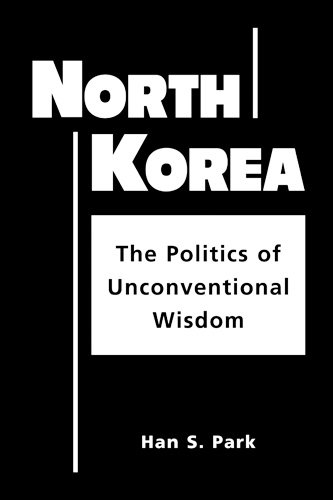
한 S. 박(Han S. Park)의 <North Korea: The Politics of Unconventional Wisdom>(2002)은 “이렇게까지 고립되고 경제가 피폐하며 기근과 승계 문제까지 겪었는데도, 왜 북한 체제는 무너지지 않았는가?”라는 질문에서 출발합니다. 저자는 그 답을 경제지표나 엘리트 권력투쟁만으로 설명하기보다, ‘대중적 믿음(mass beliefs)’과 정치이념이 사회 전체를 조직하는 방식—특히 <주체(Juche)>—에 초점을 맞춥니다.
(참고: 아래 요약은 출판사 소개문과 공개된 목차/구성 정보를 토대로, 책의 논지 흐름을 재구성한 것입니다.)
<내용 요약: 장별 논지의 흐름>
<1) 서론 + ‘인식(perception) 접근’>
목차가 말해주듯, 저자는 북한을 “객관적 사실의 집합”으로 보기보다 “스스로를 어떻게 인식하고, 세계를 어떻게 해석하며, 그 인식이 어떤 정책행동을 낳는가”를 중심틀로 세웁니다(<The Perception Approach>). 이 접근은 북한을 ‘비합리적 예외’로 취급해버리는 서구 담론에 대한 반론이기도 합니다. 북한 내부의 세계관을 ‘그 사회의 합리성’으로 읽어야 협상, 위기관리, 통일정책을 제대로 이해할 수 있다는 주장으로 이어지기 쉽습니다.
<2) 주체의 형성과 철학적 원리>
책의 중심축은 주체 이념을 단순한 구호가 아니라, 사회 전 영역을 관통하는 ‘정치문화의 핵’으로 읽는 데 있습니다. 출판사 소개문은 주체가 “사회 전체 스펙트럼을 관통해 정치행동을 모든 수준에서 안내”한다고 요약합니다.
목차에서 <The Advent and Evolution of Juche Ideology>, <The Philosophical Principles of Juche>가 연속 배치된 것은, 주체의 탄생 배경(대외의존/안보불안/혁명정통성)과 그것이 자기완결적 철학(자기-세계-지도자-대중 관계)을 어떻게 만들어냈는지 설명하려는 의도입니다.
<3) ‘신정체제’로서의 국가: 정치종교의 형성>
가장 도발적인 대목은 <The Creation of a Theocracy>와 출판사 소개문이 맞물리는 지점입니다. 저자는 현지 관찰과 인터뷰를 바탕으로, 북한의 믿음 체계가 “신학(theology)과 비교될 만한” 성격을 띠며, 사회가 “종교 공동체”의 특성을 보인다고 말합니다.
이 논지는 김일성/김정일(그리고 이어지는 지도자 체계)이 단순한 통치기술이 아니라 ‘성스러운 정통성’의 기제로 재구성되었고, 그 결과 체제 결속이 강해졌다는 설명으로 연결됩니다. 즉, ‘정치=의례=신념=정체성’이 한 묶음으로 작동할 때, 경제 실패만으로는 체제 붕괴를 예측하기 어렵다는 결론이 가능합니다.
<4) 교육과 마음의 조건화: 사회적 재생산의 메커니즘>
<Juche Education: Agents and Methods>, <Conditioning the Human Mind>, <Juche as a Way of Life>는 주체가 “삶의 방식”으로 내려앉는 과정을 추적하는 구간입니다. 여기서 핵심은 주체가 단지 ‘국가의 선전’이 아니라, 학교·조직·의례·일상 규범을 통해 내면화되고 재생산되는 장치라는 점입니다. 이런 틀은 ‘공포만으로 굴러가는 체제’라는 단선적 상상에 균열을 냅니다. 공포가 있더라도, 동시에 의미·소속·도덕의 언어가 동원될 수 있다는 것이죠.
<5) 국내정치, 대외정책, 통일—그리고 ‘정통성 전쟁’>
중반 이후는 주체라는 렌즈를 정책 영역에 적용합니다: <Juche in Domestic Politics>, <Foreign and Unification Policy>, <Inter-Korean Relations: A Legitimacy War>. 남북관계를 “정통성 경쟁”으로 보는 관점은, 군사적 충돌이나 체제경쟁을 ‘상징정치’와 ‘인정투쟁’의 차원으로 끌어올립니다. 통일 담론, 체제 우월성 주장, 내부 결속, 외부 협상전략이 하나로 엮인다는 해석이 가능합니다.
<6) ‘비정통적 지혜’로서의 협상행동: 무기 논쟁과 그 너머>
<The Unconventional Wisdom in Negotiating Behavior: The Weapons Controversy and Beyond>는 제목 자체가 저자의 문제의식을 압축합니다. ‘겉보기엔 비합리’처럼 보이는 북한의 위기 조성, 강경 발언, 벼랑끝 전술이 내부의 인식체계와 정통성 논리 속에서는 전략적 기능(안보/체제인정/협상지렛대)을 가질 수 있다는 주장으로 읽힙니다. 이는 곧 “북한의 언어를 북한의 논리로 번역해 읽어야 협상의 문이 열린다”는 결론으로 이어지기 쉽습니다.
<7) 북한이 스스로를 보는 방식 + 안정성과 취약성>
후반부의 <North Korea Sees Itself>, <System Stability and Vulnerability>는 체제 지속의 ‘조건’을 정리하는 장입니다. 주체라는 결속 장치가 안정성을 제공하는 동시에, 세계화·시장 압력·정보 유입 같은 요소에 어떻게 반응하는지도 논합니다(출판사 소개문에 “세계화의 시장 forces에 대한 반응”이 명시됨). 마지막 <Conclusion: The Challenges Ahead>는 이런 긴장 위에서 향후 과제를 제시하는 형태일 겁니다.
<평론: 강점과 한계>
<강점 1: ‘북한을 이해하는 언어’를 확보하려는 시도>
이 책의 가장 큰 장점은 북한을 악마화하거나 희화화하는 대신, “정치문화/믿음 체계”라는 두꺼운 설명틀을 제시한다는 점입니다. 특히 주체를 ‘정치 종교’에 가깝게 보고, 교육·의례·일상에서 신념이 재생산되는 방식을 강조하는 관점은 체제 지속을 설명하는 데 강력합니다.
<강점 2: 정책 분석(외교·통일·협상)을 문화심리와 연결>
대외정책과 협상 행동을 단순한 ‘위협’ 또는 ‘광기’로 환원하지 않고, 내부 정통성·인식·체제 논리와 연결해 해석하려는 점이 실용적입니다. 북한 관련 논의에서 흔한 “도덕적 판단만 남고 메커니즘이 사라지는” 문제를 줄여줍니다.
<한계 1: ‘주체 중심’이 과설명으로 흐를 위험>
출판사 소개도 “단일요인 설명을 제안하는 것은 아니다”라고 선을 긋지만, 독자에 따라서는 주체를 너무 중심에 놓으면 경제, 계층, 국가기구의 이해관계, 국제제재/안보환경 같은 요인을 상대적으로 약화시키는 인상(문화주의적 과잉)을 받을 수 있습니다.
<한계 2: 현장 인터뷰/관찰의 대표성 문제>
저자가 여러 차례 방북하며 관찰·인터뷰를 수행했다는 점은 강점이지만, 동시에 ‘접근 가능한 사람’ ‘연출된 공간’의 편향 가능성도 동반합니다. 북한 연구에서 현장성은 귀하지만, 그만큼 해석의 자기검증(자료 교차, 반증 가능성)이 중요해집니다.
<한계 3: 2002년 문제의식의 시차>
이 책은 2002년 출간(2005년 페이퍼백 판본 정보도 유통됨)이라, 이후의 핵·제재·정보환경 변화, 권력승계 국면(김정은 체제)까지 직접 다루지는 못합니다. 따라서 오늘 읽을 때는 “지속의 문화적/정통성 메커니즘”이라는 통찰을 현재에 재적용하되, 최신 사건과는 분리해서 읽는 게 안전합니다.
<요약 결론>
<The Politics of Unconventional Wisdom>은 북한 체제의 지속을 “주체 이념—정치종교—교육과 일상—정통성 경쟁—협상행동”의 연쇄로 설명하려는 책입니다. 북한을 비난하거나 찬양하기보다, ‘그들이 스스로를 이해하는 방식’을 해부해 정책의 언어로 번역하려는 점에서 읽을 가치가 큽니다. 다만 주체 중심 설명이 다른 요인을 압도하지 않도록, 그리고 2002년 이후의 변화와는 구분해 읽는 균형이 필요합니다.
<English | Summary + Critical Review (~1,000 words)>
<Core question and thesis>
Han S. Park’s <North Korea: The Politics of Unconventional Wisdom> (originally published in 2002) opens with a puzzle: despite isolation, economic hardship, famine, and leadership succession challenges, why has the North Korean socialist state endured? Park’s answer is not a simple “security state” or “elite politics” story. He emphasizes mass beliefs and political ideology—especially <Juche>—as a central key to North Korea’s political life.
(Note: the summary below reconstructs the book’s argument mainly from the publisher synopsis and the publicly available table of contents.)
<Summary: argument by chapter sequence>
<1) Introduction + the “perception approach”>
The early move is methodological: Park foregrounds perception—how North Korea interprets itself and the world—and how those perceptions shape policy behavior. The chapter title <The Perception Approach> signals a pushback against portrayals that treat North Korea as merely irrational or uniquely aberrant. Understanding North Korean actions requires translating them through an internally coherent worldview, not only through external metrics.
<2) The rise and philosophy of Juche>
Chapters on the advent/evolution of Juche and its philosophical principles indicate that Park treats Juche as more than propaganda. The publisher synopsis describes Juche as an ideology that penetrates the full spectrum of society and guides political behavior at all levels—positioning it as a foundational political culture rather than a decorative slogan.
<3) “Theocracy” and political religion>
The book’s most provocative conceptual claim appears in <The Creation of a Theocracy>, aligned with the synopsis that Park finds a belief system comparable to a theology and a society exhibiting features of a religious community. This frames legitimacy as partly sacred/ritualized: leadership, national identity, moral duty, and collective meaning become fused. In such a system, material deprivation alone may be insufficient to predict collapse because symbolic and moral resources can stabilize loyalty and belonging.
<4) Education, conditioning, and Juche as a way of life>
Mid-book chapters on Juche education, “conditioning the human mind,” and “Juche as a way of life” suggest the mechanism of reproduction: ideology is institutionalized through schooling, organizations, rituals, and everyday norms. This complicates one-dimensional images of total control by fear alone. Even where coercion exists, identity, meaning, and moral community can operate as additional stabilizers.
<5) Domestic politics, foreign/unification policy, and the “legitimacy war”>
Subsequent chapters apply the Juche-perception lens to policy fields: domestic politics, foreign and unification policy, and inter-Korean relations as a “legitimacy war.” That framing interprets North–South dynamics not only as military deterrence or regime competition but also as symbolic struggles over recognition and rightful nationhood—where external posture reinforces internal legitimacy and vice versa.
<6) “Unconventional wisdom” in negotiating behavior>
The chapter on negotiating behavior—explicitly referencing weapons controversy “and beyond”—likely develops Park’s signature point: behaviors that look reckless, inconsistent, or irrational from outside can have strategic logic within North Korea’s worldview. Brinkmanship, threats, and rigid rhetoric may be tools to secure security guarantees, extract recognition, or maintain internal cohesion. The implication is pragmatic: effective diplomacy must translate North Korea’s moves through its own logic structures rather than moral dismissal.
<7) Self-perception, stability/vulnerability, and challenges ahead>
The final sections—how North Korea sees itself; system stability and vulnerability; challenges ahead—appear to synthesize the endurance puzzle. The synopsis also notes discussion of legitimacy, economy, foreign/defense policy, reunification politics, and reactions to globalization’s market forces—suggesting a balanced ending that recognizes both resilience mechanisms and emerging pressures.
<Critical review: strengths and limitations>
<Strength 1: recovering an “interpretive language” for North Korea>
Park’s strongest contribution is an interpretive framework that treats ideology and mass belief as politically causal rather than ornamental. By linking Juche to legitimacy, social organization, and policy behavior, the book offers a thick explanation that counters caricatures. This is especially valuable for readers tired of accounts that reduce North Korea to “madness,” “pure cynicism,” or “fear alone.”
<Strength 2: connecting culture/legitimacy to policy and negotiation>
The move from ideology to domestic politics, inter-Korean relations, and negotiating behavior is a practical bridge. It implies that policy outcomes depend not only on capabilities but on interpretive frames—how actors read threats, dignity, and recognition. Even if one disagrees with some emphases, the framework pushes analysis toward mechanisms rather than slogans.
<Limitation 1: Juche-centered explanation can drift into overreach>
The publisher synopsis explicitly says Park does not propose a single-factor explanation, yet readers may still feel Juche is weighted so heavily that other determinants—bureaucratic interests, class/market dynamics, coercive institutions, and external security constraints—risk being underplayed. The challenge for such an approach is maintaining causal balance: ideology matters, but it is not the only engine.
<Limitation 2: fieldwork access and representativeness>
Firsthand interviews and on-site observation are rare strengths in North Korea research, but they also raise questions of sampling and staging: who can be interviewed, what can be seen, and what is performed for visitors? The interpretive payoff is high, yet the evidentiary burden—triangulation, counterevidence, alternative explanations—also increases.
<Limitation 3: time lag since 2002>
As a 2002 study (with later paperback circulation), the book predates major later developments in nuclear diplomacy, sanctions regimes, information penetration, and the Kim Jong-un era. Its value today is best taken as a conceptual lens on legitimacy and political culture—one that must be paired with more recent empirical updates for contemporary policy debates.
<Bottom line>
<The Politics of Unconventional Wisdom> explains North Korea’s endurance through a chain: Juche as foundational ideology → quasi-religious legitimacy → education and everyday reproduction → domestic and foreign policy logic → negotiation behavior under recognition and security pressures. It is most useful as a guide to “reading North Korea’s internal grammar.” The main caution is to keep the Juche lens in balance with structural and temporal changes since 2002.


No comments:
Post a Comment