We Do Not Part
 | |
| Author | Han Kang |
|---|---|
| Translator | Choi Gyungran, Pierre Bisiou (French) e. yaewon, Paige Aniyah Morris (English) |
| Language | Korean |
| Genre | Literary fiction, Historical fiction |
| Publisher | Munhakdongne (Korean) Grasset (French) |
Publication date | September 9, 2021 (Korean) August 23, 2023 (French) |
| Publication place | South Korea |
| Pages | 332 (Korean) 336 (French) |
| Award | French |
| ISBN | 978-0593595459 9788954682152 |
| OCLC | 1482701289 |
| Preceded by | Greek Lessons |
| Website | Official website |
We Do Not Part: A Novel (Korean: 작별하지 않는다; RR: Jagbyeolhaji anhneunda; lit. No goodbye) is a 2021 novel by South Korean novelist Han Kang, published by Munhak.[1] The novel follows a woman named Kyungha as she travels to Jeju Island on behalf of her friend, Inseon, and reflects upon the legacy of the Jeju massacre.[2] Han considers the novel to form "a pair" with her previous work, Human Acts.[3]
In 2023, a French translation by Choi Gyungran and Pierre Bisiou was published by Éditions Grasset. It went on to won the Prix Médicis for Foreign Literature in 2023, making Han the first Korean author to receive the prize.[4] In the same year, the novel was shortlisted for the Prix Femina.[5] Han also received the Émile Guimet Prize for Asian Literature for the novel in 2024.[6]
An English translation by e. yaewon and Paige Aniyah Morris, published by Hogarth Press, was released on January 21, 2025.[2][7]
Plot
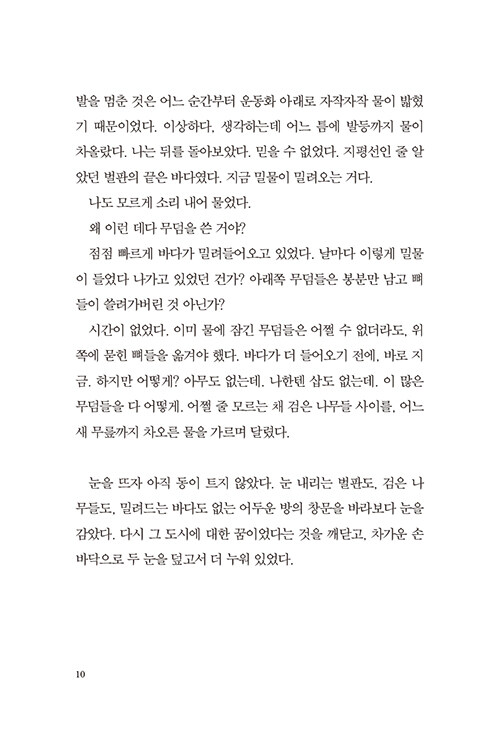
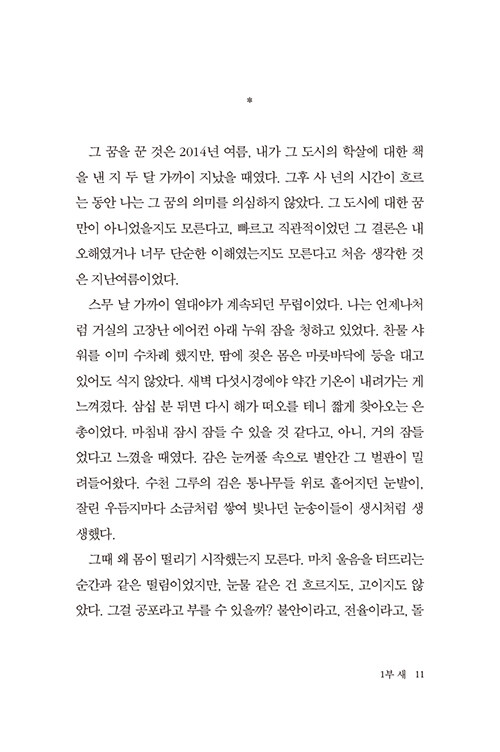
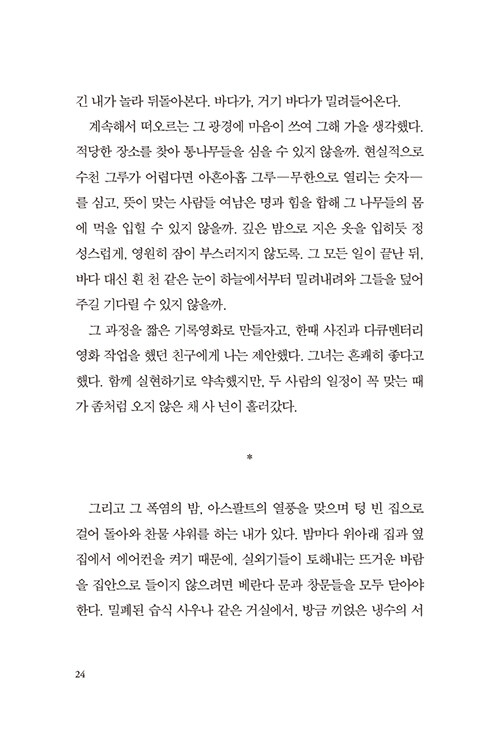
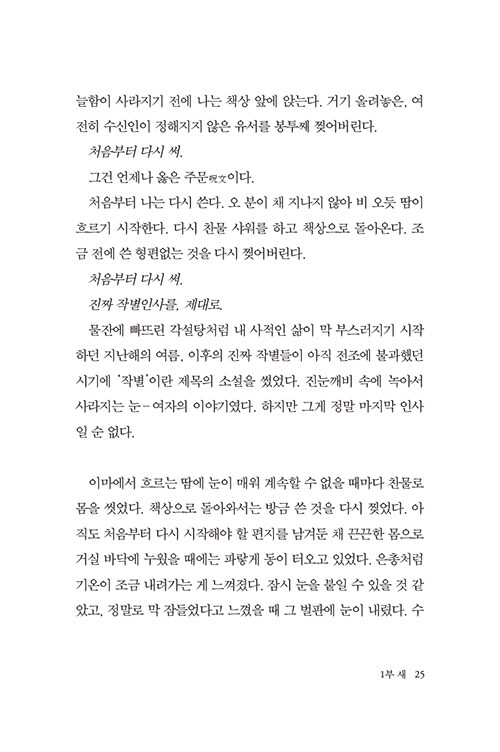
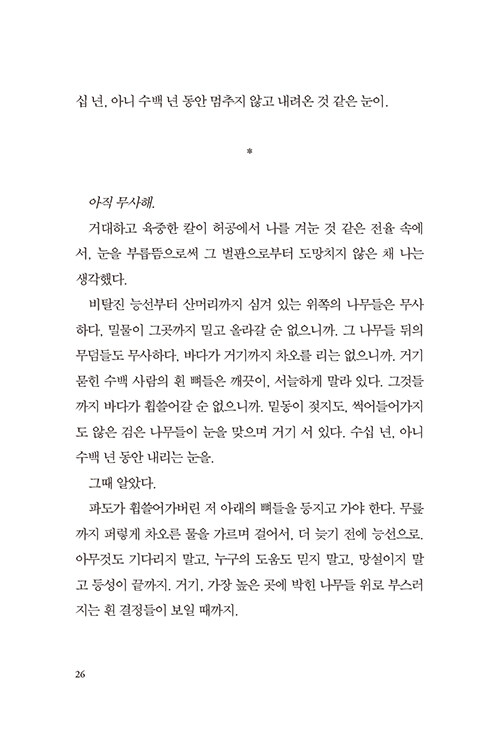
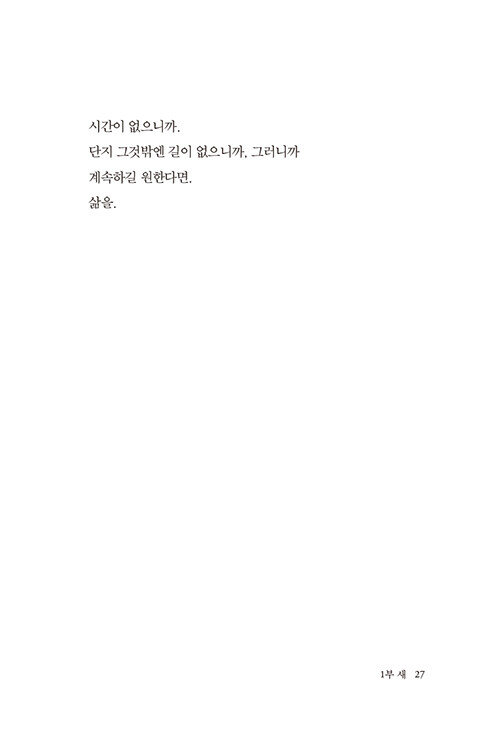
Kyungha is a writer living away from her family to work on her new novel. She suffers from insomnia and is plagued by nightmares. Among these is one recurrent dream–that of snow-covered trees shaped like human beings. The nightmares began when she was working on her previous novel, which portrayed a civilian massacre resulting from state-sponsored violence. One day, Kyungha receives a text message from her old friend, Inseon, asking her to visit the hospital where she has been admitted. Kyungha knows Inseon from her days of working as a freelance videographer. Later, Inseon moved to Jeju Island to look after her mother, who suffered from dementia. She quit professional videography and opened a small carpentry workshop next to her house, and earned her living by selling furniture.
At the hospital, Kyungha learns that Inseon severed her fingers at the woodworking machine a few days back. Inseon pleads with Kyungha to head to her place in Jeju to look after her pet bird, Ama, who might die of thirst and starvation if not tended to immediately. Kyugha flies to Jeju, and journey's to Inseon's house amidst a blizzard. She reminisces about her time with Inseon. One time, Inseon revealed to Kyungha that as a teenager, she ran away to Seoul as she had begun to despise her single mother. She was met with an accident and almost died. When she opened her eyes in the hospital, her mother was sitting by her side. During this time, her mother confided a secret that her village had been massacred by police and soldiers, and that only she and her eldest sister survived, as they had been away.
By the time Kyungha reaches Inseon’s village, it’s already dark. On her way to Inseon’s house, Kyugha loses her way, falls into a dry stream and passes out. Once she regains her consciousness, she rushes to Inseon’s house only to find that Ama is already dead. She places Ama in a tin box and buries her.
There’s a power outage in the village due to the blizzard. This means the boiler heating the house can’t be operated. In the freezing cold, Kyungha begins to hallucinate. The line between reality and imagination blurs. Ama, the dead bird, returns to its cage. Inseon miraculously appears in the house as well. She shows Kyungha archival material she has been gathering on the Jeju Massacre. It’s revealed that Inseon’s uncle went into hiding during the massacre and was later captured and sent to a penitentiary. He was later killed and buried in a coal mine. Inseon’s mother spent years searching for his remains.
The novel concludes with Inseon's vanishing, leaving Kyungha to ponder if her entire experience was a hallucination as she lay dying in the dry stream or as she froze to death inside Inseon’s house.
Jeju massacre

History
Immediately after World War II and Korean liberation from the Empire of Japan, the United States moved to establish rule on Jeju Island through the newly formed United States Army Military Government in Korea which intended to prevent the rise of communism. As a result, the government's restrictive, sometimes militant policies led to social and political unrest.[8] In particular, on March 1, 1947, Jeju citizens demonstrated in celebration of the March 1st Movement, leading to an incident of police brutality in which six people were shot and killed.[9] Through early 1948, including on April 3, 1948, communist rebels ushered in a wave of violence across Jeju Island which the ruling government failed to intervene on. In addition, massive protests—including violent actions by right-wing militants—had been forming against an upcoming United States-run election on May 10 that would potentially establish the First Republic of Korea.[10] The republic ultimately formed after May, and afterward, the newly elected Syngman Rhee moved to militarily suppress rebel violence on Jeju Island with support from the United States. Violence on the island thus worsened by 1949.[8] Historians have discussed the true death toll of the Jeju massacre, with estimates in the tens of thousands of lives.[11]
Novel
We Do Not Part, mostly taking place on Jeju Island decades after the Jeju massacre, makes mention of the island's history as the protagonist, Kyungha, travels through it on behalf of her friend, Inseon. The book also alludes to the violence of the Manchukuo Imperial Army, the Bodo League massacre, and the involvement of South Korea during the Vietnam War. In her lecture delivered as a laureate of the Nobel Prize in Literature, Han stated,
Han's work as a novelist has historically attempted to approach various incidents of violence in South Korea's history after the Second World War. Her novel, Human Acts, similarly concerned the legacy of the Gwangju Uprising.[13] In The Yale Review, following Han's awarding of the 2024 Nobel Prize in Literature, writer and professor Yung In Chae stated, regarding this novel and Han's others:
Production
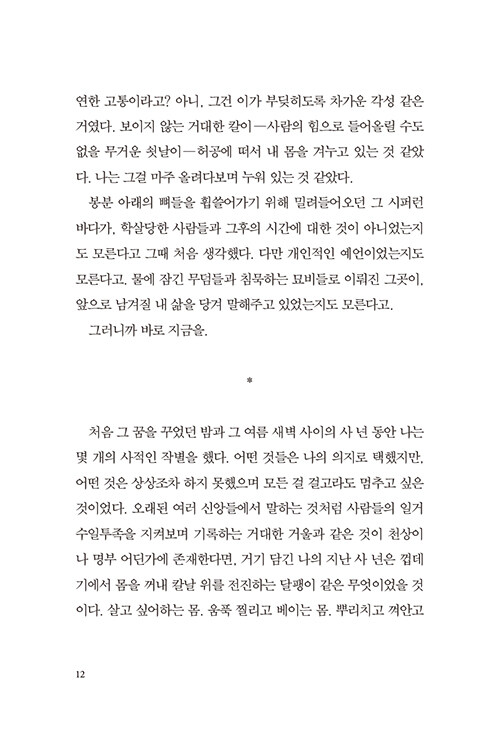
After writing Human Acts, Han experienced a series of "haunting" nightmares involving countless dark tree trunks, set against a snowy landscape that was being swallowed by the sea. She stumbled upon Jeju and its history during her attempts to interpret these images, eventually concluding that they were a metaphor for "time and remembrance".[15] Han stated that she worked on the novel over the course of seven years and occasionally expressed fears to her editor that she would not be able to finish the book due to its heavy topics. She then stated that completing it was her "happiest moment".[16]
We Do Not Part has undergone several different titles prior to its English translation. Many English, Korean, and French publications have referred to the book as I Do Not Bid Farewell.[17][18][19] After winning the Prix Médicis for Foreign Literature in 2023, Han stated that the English translation would be published under the same name as the French translation, Impossibles Adieux, or Impossible Goodbyes.[4] In an interview with the Nobel Foundation, Han referred to the book both by its official English title as well as I Do Not Bid Farewell and Impossible Goodbyes.[20]
On November 10, 2024, an excerpt of the English translation appeared in The New Yorker, titled "Heavy Snow".[21]
Critical reception
Korean
Son Yun-seo wrote, for Sideview, that Han was able to powerfully articulate the Jeju massacre as an unforgettable tragedy that still deserved attention in the present day. In particular, Son drew a connection between Inseon's constant pricking of her finger to keep its nerves alive with the bigger picture of constantly never forgetting to mourn the lives lost in the Jeju massacre.[22]
Sanjini Publishing House observed two of the book's strongest points as being the Jeju massacre but also Han's attention to the image of snow. The reviewer argued that snow was used in order to join past and present in various scenes of the book including Kyungha's snow-covered face upon falling unconscious, as well as Inseon's family members removing snow from corpses to identify them. Ultimately, the reviewer concluded that the novel, like Han's other novels, exposed South Korea's complicated relationship to historical violence.[23]
A reviewer at Sungkyunkwan University stated that the book's purpose was not to directly show the events of the Jeju massacre but rather to convey its horror through characters like Inseon's family members—though, to the reviewer, the events still proved to be horrific even through indirect storytelling.[24]
After Han's awarding of the 2024 Nobel Prize in Literature, South Korean sales of We Do Not Part, as well as Han's other novels, skyrocketed.[25] Online retailer Yes24 specifically reported a "9000-fold increase" in sales of We Do Not Part following the Nobel Foundation's announcement.[26] Bookstores initially struggled to keep up with demand, thus placing the novel on backorder, and many copies were subsequently sold on secondhand websites with marked up prices.[27]
French
Thierry Clermont, writing for Korean Literature Now, stated "Impossibles Adieux is an entrancing work, one that casts a subtle but hypnotic spell... In its pages we find lessons in comradeship, friendship, an acknowledgement of what is kept and lost between generations, as well as the importance and burden of that transmission—and of love, which can also be a source of 'terrible pain.'" He then compared Han's writing style to that of Yasunari Kawabata and W. G. Sebald and observed the novel's "strange and sometimes disturbing atmosphere, a kind of gentle, muffled space between fantasy and reality... all sorts of images and dreams."[28]
English
In a starred review, Kirkus Reviews called the book "A mysterious novel about history and friendship offers no easy answers" and stated "Even through the veil of translation, the quiet intricacy of the author’s prose glitters throughout" with particular attention to Han's descriptions of snow. The reviewer also mentioned Han's subtle interweaving of Korean history, in particular its history of violence, as the protagonist Kyungha makes her journey to a Jeju Island village on behalf of her friend Inseon.[29]
Also in a starred review, Publishers Weekly called the book "an indelible exploration of Korea’s historical traumas" in its tackling of the Jeju massacre, which took place from 1948 to 1949, and remarked on the "dreamy yet devastating prose" rendered by Han and translated by e. and Morris. Ultimately, the reviewer concluded it was "a meticulously rendered portrait of friendship, mother-daughter love, and hope in the face of profound loss. Han is at the top of her game."[30]
Many publications, like The Atlantic and The Boston Globe, remarked on Han's further tackling of South Korean history in a similar fashion to Human Acts.[31][32] Leigh Haber, writing for the Los Angeles Times, called We Do Not Part an "exquisite and profoundly disquieting latest novel" and found "no answers" in Han's mysterious, eerie, and haunting narrative. Haber also observed that "Han's prose is translucent, shot through with poetic turns" and found a "reportorial tone" in the sections where Inseon's narrates her family's experiences of the Jeju massacre.[33] People's World lauded Han's mention of the American involvement in the Jeju massacre, writing: "This novel not only reveals the emotional toll that Human Acts took on the author but also deepens and expands on the theme of government aggression, torture, and widespread killings."[34]
Hannah Bae, writing for Datebook, observed Han's interplay between reality and dream, life and death, and past and present through "leaps between narrators, time, place and states of being." Bae particularly observed Han's recollection of the Jeju massacre through Inseon's family background and Kyungha's investigation of it, concluding that "The fragility of the human body—and human society—is a recurring theme in Han’s work, and 'We Do Not Part' furthers her exploration."[35]
Lists and accolades
Many English-language publications in the west highly anticipated the release of We Do Not Part, as it marked Han's first English translation since her awarding of the 2024 Nobel Prize in Literature.[36] Book Riot predicted that the Nobel Prize would instantly make Han's next book—We Do Not Part in this case—one of the biggest books of 2025.[37]
The New York Times, the South China Morning Post, Elle, and many other publications placed the novel on their recommended reading lists for 2025.[38][39][40] Fashion Journal and Scary Mommy called it one of the most anticipated, exciting book releases in 2025.[41][42] The Korea Times mentioned it in their list of books comprising the "wave of Korean literature" to hit English-language markets in 2025.[43]
See also
References
- Han, Kang (2021). Chakpyŏl haji annŭnda. Munhak Tongne changp'yŏn sosŏl (1-p'an ed.). Kyŏnggi-do P'aju-si: Munhak Tongne. ISBN 978-89-546-8215-2. OCLC 1267975909.
- Millet, Lydia (January 17, 2025). "In Han Kang's Latest, a Quixotic Bird Rescue Expedition Turns Tragic". The New York Times. Retrieved May 11, 2025.
- Hwang, Dong-hee (2024-10-10). "Exploring works of Han Kang". Korea Herald. Retrieved 2025-01-16.
- "Acclaimed author calls history 'question of human nature' : Korea.net : The official website of the Republic of Korea". www.korea.net. Retrieved 2024-12-17.
- "Han Kang's novel shortlisted for 2 prestigious French awards". The Korea Times. 2023-10-28. Retrieved 2024-12-17.
- "Han Kang wins Emile Guimet Prize for Asian Literature". 동아일보. Retrieved 2024-12-17.
- Han, Kang; yaewon, e; Morris, Paige Aniyah (2025). We do not part. London; New York, NY: Hogarth. ISBN 978-0-593-59547-3.
- Letman, Jon (2023-04-03). "75 Years After Jeju 4.3 Massacre, Koreans Want a US Apology". Inkstick. Retrieved 2024-12-15.
- The National Committee for the Investigation of the Truth about the Jeju April 3 Incident (December 15, 2003). "The Jeju April 3 Incident Investigation Report" (PDF). Office of the Prime Minister, Republic of Korea. Archived from the original (PDF) on September 21, 2015. Retrieved August 17, 2015.
- "United Nations Resolution 112: The Problem of the Independence of Korea". United Nations. 2007. Retrieved March 29, 2009.
- "South Korea's Forgotten Anti-Communist Killings". The Dial. Retrieved 2024-12-15.
- "The Nobel Prize in Literature 2024". NobelPrize.org. Retrieved 2024-12-15.
- Kim, Victoria (December 6, 2024). "Atrocities Made a South Korean City Infamous. A Novelist Made It Immortal". The New York Times.
- "Yung In Chae: "Why Han Kang's Nobel Matters"". The Yale Review. Retrieved 2024-12-15.
- Kim, Victoria (2025-01-21). "A Nobel Laureate Who Mines Her Country's Nightmares, and Her Own". The New York Times. Retrieved 2025-01-25.
- Jae-yeon, Woo (2023-11-14). "After award-winning book on tragic history, Han Kang loves to go more personal, upbeat | Yonhap News Agency". Yonhap News Agency. Archived from the original on 2023-11-21. Retrieved 2024-12-17.
- "Han Kang's 'I Do Not Bid Farewell' wins French literature award". The Korea Times. 2024-03-01. Retrieved 2024-12-17.
- "When Han Kang, the 2024 winner of the Nobel Prize in Literature, spoke to Le Monde". 2024-10-10. Retrieved 2024-12-17.
- Bartholomew, Jem (2024-10-15). "'I emerged painfully transformed from her books': Han Kang readers on her Nobel literature prize". The Guardian. ISSN 0261-3077. Retrieved 2024-12-17.
- "The Nobel Prize in Literature 2024". NobelPrize.org. Retrieved 2024-12-17.
- Kang, Han (2024-11-10). ""Heavy Snow," by Han Kang". The New Yorker. ISSN 0028-792X. Retrieved 2024-12-15.
- "[청년시선-나의 인생작] 책 '작별하지 않는다' 리뷰". 사이드뷰 (in Korean). 2024-04-17. Retrieved 2024-12-15.
- "잊을 수 없는, 잊어서는 안되는 이야기 『작별하지 않는다』서평". 부산에서 책 만드는 이야기 : 산지니출판사 블로그 (in Korean). 2022-04-01. Retrieved 2024-12-15.
- "작별하지 않는다 (한강 장편소설) | 성균관대학교 오거서". Retrieved 2024-12-15.
- Park, Ju-min; Lee, Joyce (2024-10-10). "Nobel Prize winner Han Kang's books fly off the shelves in South Korea". Reuters.
- "Han Kang's Nobel Prize boosts book market". m.koreaherald.com. 2024-10-13. Retrieved 2025-01-16.
- Kyung-min, No (2024-10-13). "Han Kang's works fetch premium prices for limited editions". The Korea Herald. Retrieved 2025-01-16.
- Korea, L. T. I. "Impossibles Adieux: A Tragic Yet Tender Journey Into the Depths of Winter". Korean Literature Now - KLN (in Korean). Retrieved 2024-12-17.
- We Do Not Part. Kirkus Reviews.
- "We Do Not Part by Han Kang". Publishers Weekly. Retrieved 2024-12-15.
- Shulevitz, Judith (2025-01-14). "Where Han Kang's Nightmares Come From". The Atlantic. ISSN 2151-9463. Retrieved 2025-01-16.
- Oldweiler, Cory (2015-01-14). "In Han Kang's latest, old friends revisit wartime dreams - The Boston Globe". BostonGlobe.com. Retrieved 2025-01-16.
- Haber, Leigh (2025-01-15). "The latest Nobel laureate's work is haunted by questions. Don't expect answers". Los Angeles Times. Retrieved 2025-01-16.
- Farrell, Jenny (2024-12-06). "Han Kang's fight against violence, revisionism, and alienation". People's World. Retrieved 2025-01-16.
- Bae, Hannah. "Review: In 'We Do Not Part,' Nobel Prize winner Han Kang implores readers to listen to the dead". Datebook | San Francisco Arts & Entertainment Guide. Retrieved 2025-01-16.
- O, Gilyoung (2024-12-20). "Opinion: Conflict in South Korea reopens the very wounds examined in this year's Nobel laureate's work". Los Angeles Times. Retrieved 2025-01-16.
- O'Neal, Jeff (2024-10-10). "Han Kang Wins the 2024 Nobel Prize in Literature". BOOK RIOT. Retrieved 2025-01-16.
- "20 Books Coming in January". The New York Times. 2024-12-26. ISSN 0362-4331. Retrieved 2025-01-16.
- "New Korean books in English to look forward to in 2025". South China Morning Post. 2025-01-08. Retrieved 2025-01-16.
- Mitchell, Rebecca (2025-01-14). "All The Books We're Excited To Read In 2025". ELLE. Retrieved 2025-01-16.
- Henry, Daisy (2025-01-10). "The most exciting new release novels coming in 2025". Fashion Journal. Retrieved 2025-01-16.
- "11 Of The Most Anticipated Books Of 2025, From Memoirs To Romantasy". Scary Mommy. 2025-01-06. Retrieved 2025-01-16.
- "From sci-fi to healing fiction, Korean books cross borders in 2025". The Korea Times. 2025-01-04. Retrieved 2025-01-16.
작별하지 않는다 - 2024 노벨문학상 수상작가, 한강 장편소설
한강 (지은이)문학동네2021-09-09
다음








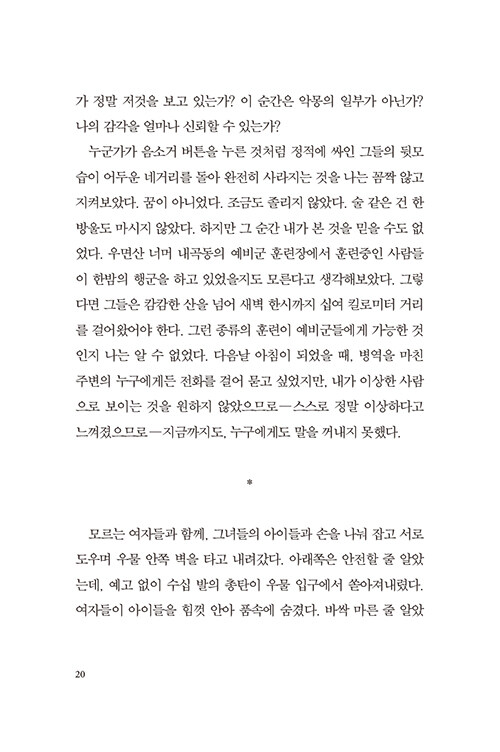
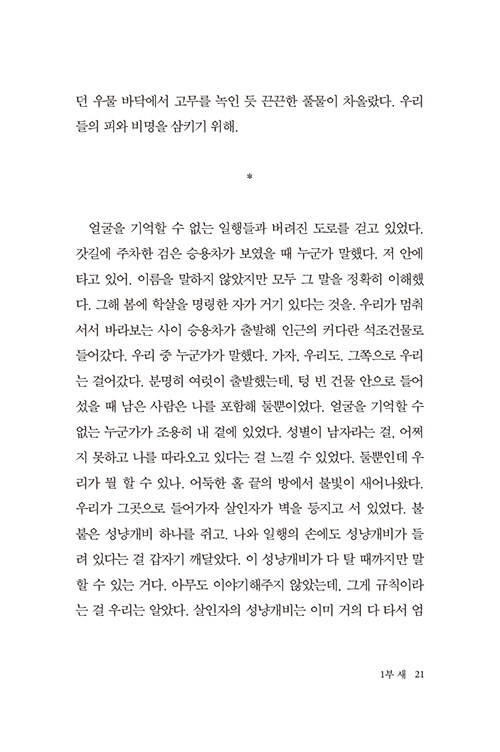


미리보기
종이책전자책 10,620원
2025년 한국문학의 얼굴들 + 2026 한국문학 독서기록 노트
|
Sales Point : 489,946

 9.0 100자평(141)리뷰(110)
편집장의 선택
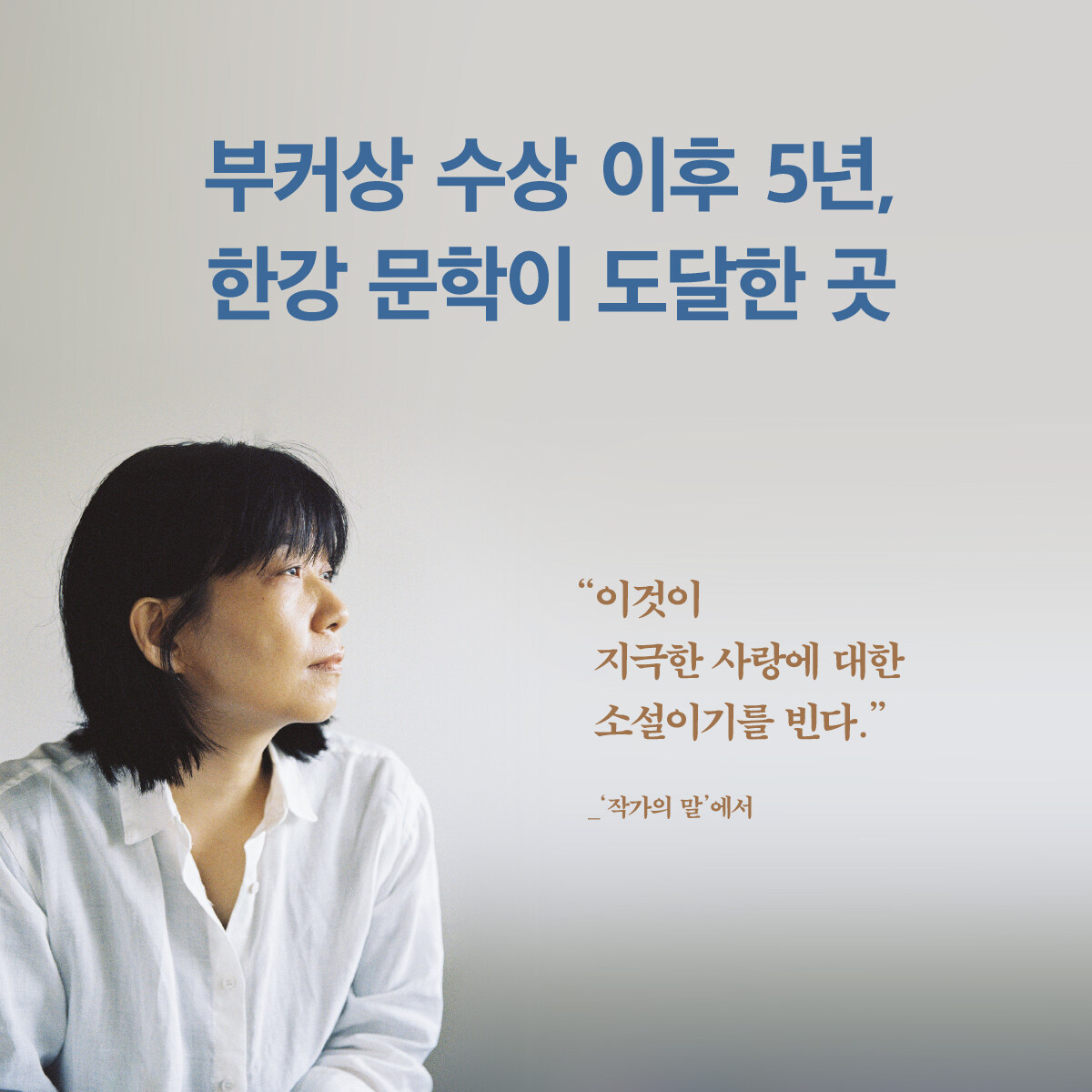
"부커상 수상 이후 5년, 한강 소설의 현재"
한강을 사랑하는 독자의 입장을 떠나, 서점 직원의 입장에서도 매 해마다 소설가 한강의 신작을 기다렸다. 황순원문학상을 수상한 <눈 한 송이가 녹는 동안>, 김유정문학상을 수상한 <작별>을 함께 엮어 출간될 '눈 3부작'의 물성을 상상하며. 본래 3부작의 마지막 이야기로 놓일 것이었던 이야기, <작별하지 않는다>가 (3부작의 두번째 이야기가 '작별'이었다는 점도 의미심장하게 읽힌다.) 독립된 이야기로 드디어 독자를 찾았다. 한강의 소설을 사랑한 독자라면 첫 문장을 읽는 것만으로도 그의 다정하고 조심스러운 음색이 상상될 법한 시적인 풍경으로, 눈보라가 친다.
소설가 경하는(당연히 이 인물은 소설적 인물이다.) 5월의 광주에 대한 소설을 썼다. "학살과 고문에 대해 쓰기로 마음먹었으면서, 언젠가 고통을 뿌리칠 수 있을 거라고, 모든 흔적들을 손쉽게 여읠 수 있을 거라고"(23쪽) 생각했던 그는 정작 소설을 끝내고도 한참 그 소설에서 놓이지 못하고 있다. 경하에겐 만주와 베트남 등에서 '역사를 통과한 여성들'(34쪽)의 모습을 다큐멘터리로 남겨온 친구 인선이 있다. 고향인 제주 중산간에서 목수가 된 인선이 손가락 두 개가 잘리는 부상을 입고 자신을 찾고 있다는 연락을 받고 경하는 오랜만에 인선을 만나게 된다. 그리고 인선의 부탁으로 경하는 제주의 눈보라를 무릅쓰고 1948년의 제주, 정심의 이야기 속, '유골 수백 구가 묻힌 구덩이가 맥락도 설명도 없이'(167쪽) 놓인 풍경에 닿는다.
5월 광주, <소년이 온다>의 모진 문장을 읽은 독자들이 그 시대를 살았던 것처럼 깊은 상처를 경험했듯, 작가도 '그 소설'을 쓰기 이전으로는 돌아갈 수 없을 듯하다고 한강은 출간 기념 간담회에서 말했다. 죽은 사람의 얼굴 위에 내려앉은 눈송이는 녹지 않는다는 걸 알게 된 1948년의 소녀가 그 이후에도 긴 삶을 살아냈다는 걸 우리는 어떻게 받아들여야 할까. 한강이 쓴 1948년 4월 3일 제주에서 벌어진 일에 관한 이야기, 혹은 우리를 살게하는 지극한 사랑에 관한 이야기. 작가 스스로를 구한 이 소설이, 독자에게도 가닿길 바란다.
- 소설 MD 김효선 (2021.09.07)
21세기 최고의 책
이 책을 추천한 분들이이은혜
 김소영
김소영 이현우
이현우 정보라
정보라한강의 역사의식과 시적 문체가 계속 쌓여오다가 절정에 다다른 작품으로 여겨진다. 이미지가 압도적이어서 머릿속에서 떨어지지 않는다. 문학을 읽는다는 것은 독자의 뇌에 상흔을 남기는 것이고, 그 상흔은 우리가 함께 살아간다는 증거다.
이은혜

Play
출판사 제공 카드리뷰



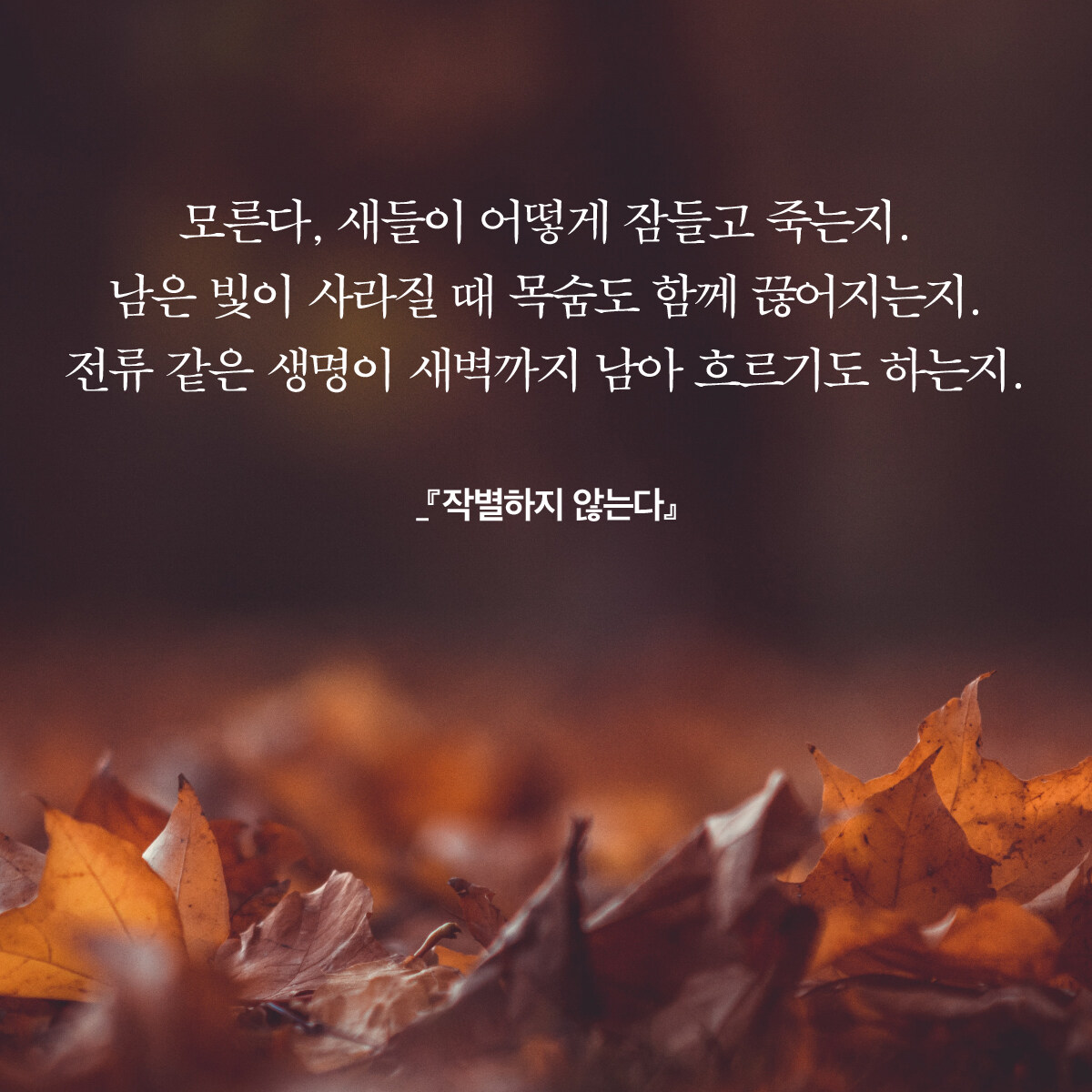
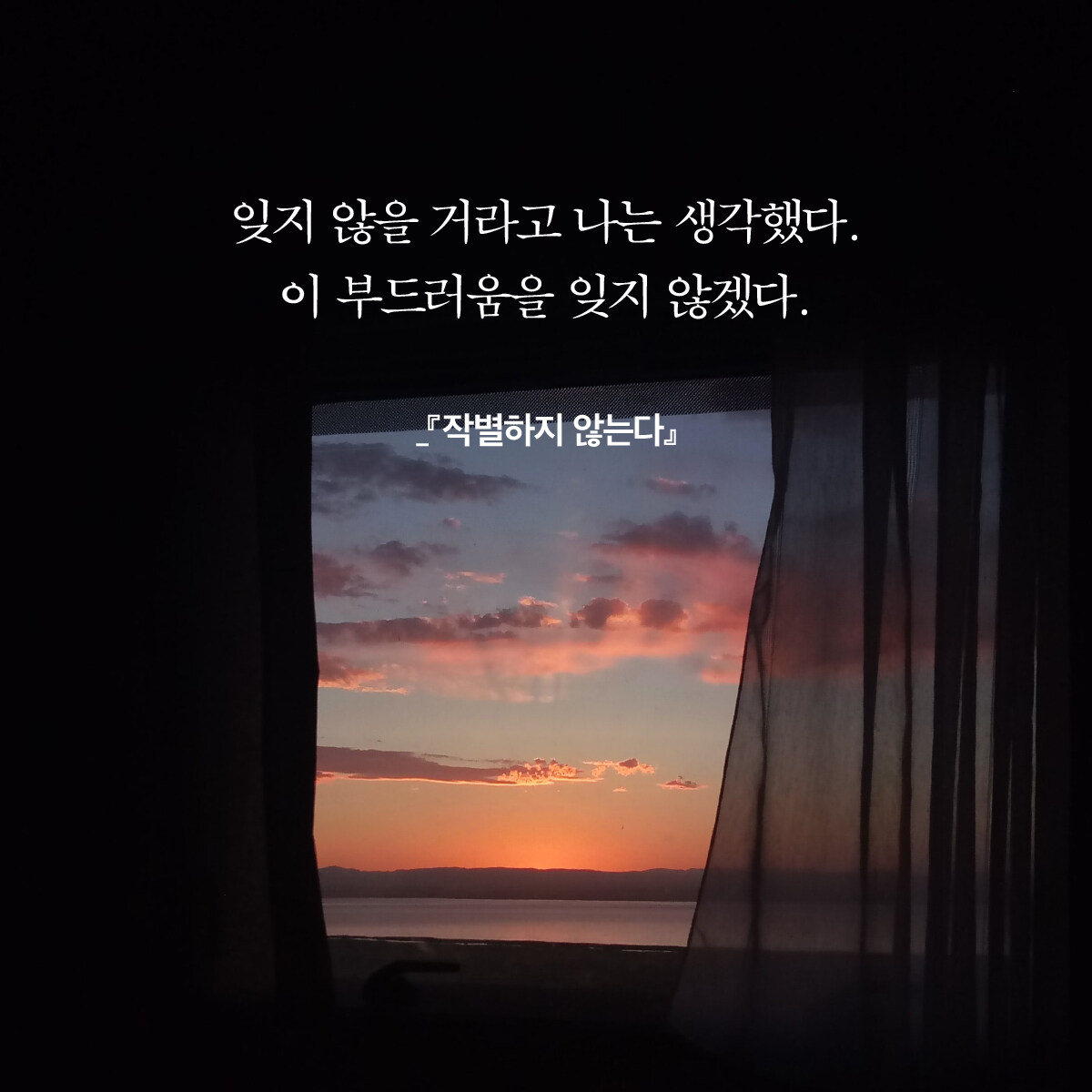

책소개
2016년 <채식주의자>로 인터내셔널 부커상을 수상하고 2018년 <흰>으로 같은 상 최종 후보에 오른 한강 작가가 5년 만에 펴낸 장편소설이다. 2019년 겨울부터 이듬해 봄까지 계간 <문학동네>에 전반부를 연재하면서부터 큰 관심을 모았고, 그뒤 일 년여에 걸쳐 후반부를 집필하고 또 전체를 공들여 다듬는 지난한 과정을 거쳐 완성되었다.
본래 「눈 한 송이가 녹는 동안」(2015년 황순원문학상 수상작), 「작별」(2018년 김유정문학상 수상작)을 잇는 ‘눈’ 3부작의 마지막 작품으로 구상되었으나 그 자체 완결된 작품의 형태로 엮이게 된바, 한강 작가의 문학적 궤적에서 <작별하지 않는다>가 지니는 각별한 의미를 짚어볼 수 있다.
이로써 <소년이 온다>(2014), <흰>(2016), ‘눈’ 연작(2015, 2017) 등 근작들을 통해 어둠 속에서도 한줄기 빛을 향해 나아가는 인간의 고투와 존엄을 그려온 한강 문학이 다다른 눈부신 현재를 또렷한 모습으로 확인할 수 있게 되었다. 오래지 않은 비극적 역사의 기억으로부터 길어올린, 그럼에도 인간을 끝내 인간이게 하는 간절하고 지극한 사랑의 이야기가 눈이 시리도록 선연한 이미지와 유려하고 시적인 문장에 실려 압도적인 아름다움으로 다가온다.
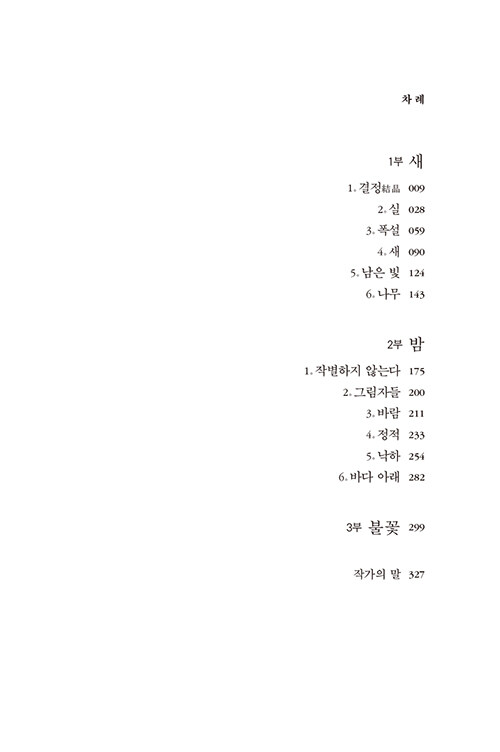
목차
1부 새
1 결정結晶
2 실
3 폭설
4 새
5 남은 빛
6 나무
2부 밤
1 작별하지 않는다
2 그림자들
3 바람
4 정적
5 낙하
6 바다 아래
3부 불꽃
작가의 말
책속에서
첫문장
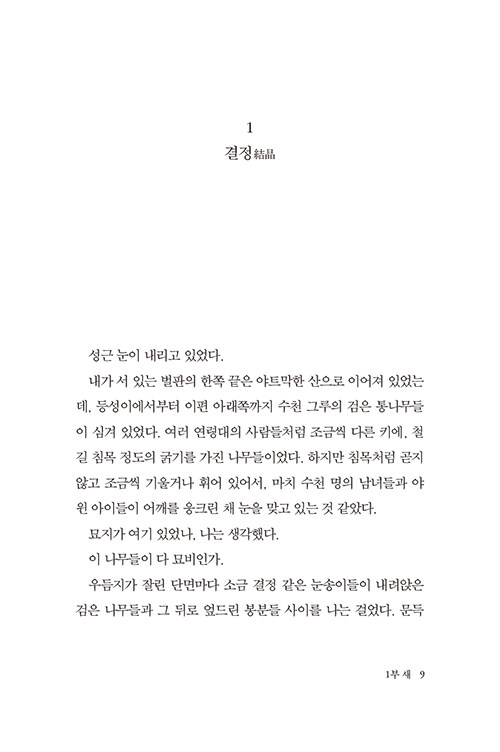
성근 눈이 내리고 있었다.
몇 년 전 누군가 ‘다음에 무엇을 쓸 것이냐’고 물었을 때 사랑에 대한 소설이기를 바란다고 대답했던 것을 기억한다. 지금의 내 마음도 같다. 이것이 지극한 사랑에 대한 소설이기를 빈다. _‘작가의 말’ 중에서
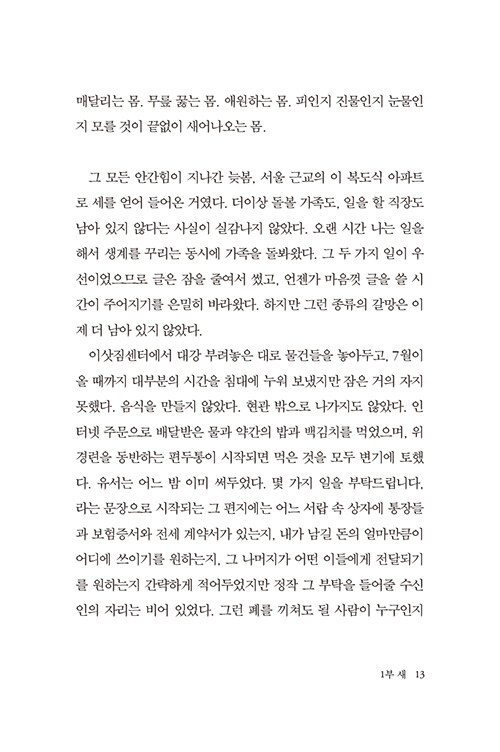
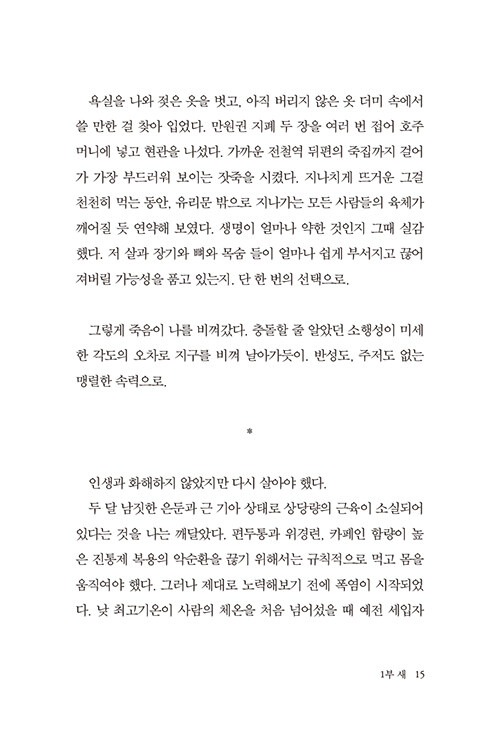
P. 15 생명이 얼마나 약한 것인지 그때 실감했다. 저 살과 장기와 뼈와 목숨 들이 얼마나 쉽게 부서지고 끊어져버릴 가능성을 품고 있는지. 단 한 번의 선택으로.
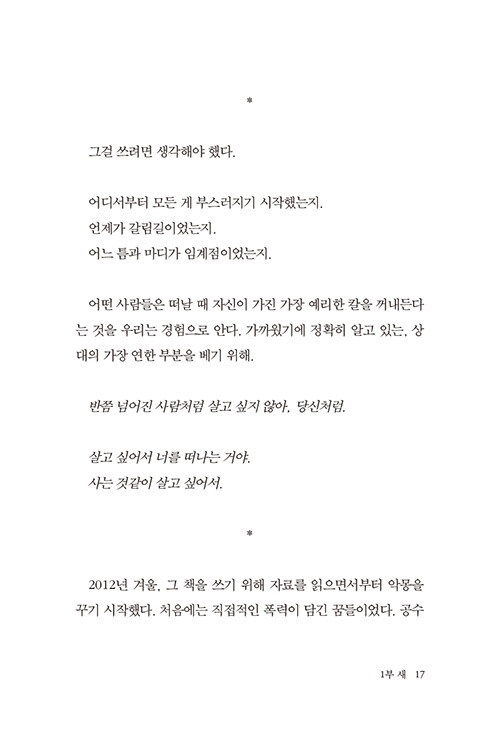
P. 17 어떤 사람들은 떠날 때 자신이 가진 가장 예리한 칼을 꺼내든다는 것을 우리는 경험으로 안다. 가까웠기에 정확히 알고 있는, 상대의 가장 연한 부분을 베기 위해.
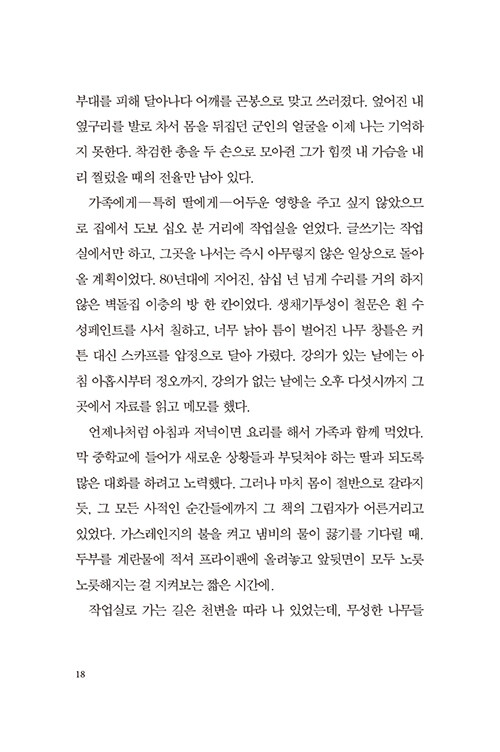
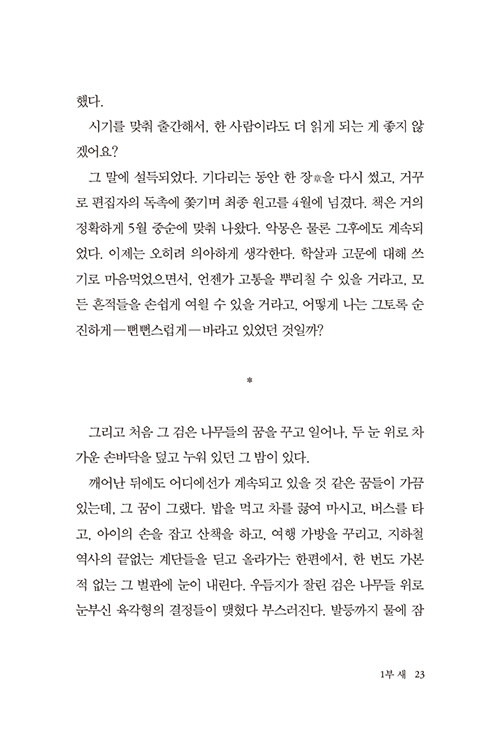
P. 23 학살과 고문에 대해 쓰기로 마음먹었으면서, 언젠가 고통을 뿌리칠 수 있을 거라고, 모든 흔적들을 손쉽게 여읠 수 있을 거라고, 어떻게 나는 그토록 순진하게-뻔뻔스럽게-바라고 있었던 것일까?
P. 44 우리의 모든 행위들은 목적을 가진다고, 애써 노력하는 모든 일들이 낱낱이 실패한다 해도 의미만은 남을 거라고 믿게 하는 침착한 힘이 그녀의 말씨와 몸짓에 배어 있었다.
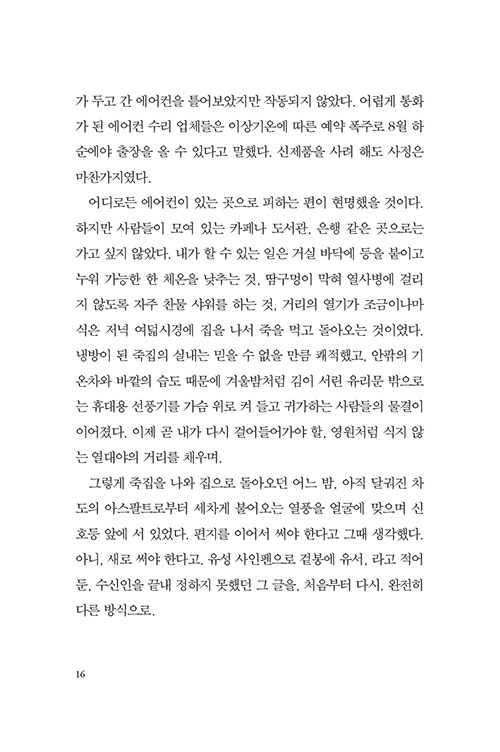
P. 44~45 눈은 거의 언제나 비현실적으로 느껴진다. 그 속력 때문일까, 아름다움 때문일까? 영원처럼 느린 속력으로 눈송이들이 허공에서 떨어질 때, 중요한 일과 중요하지 않은 일이 갑자기 뚜렷하게 구별된다. 어떤 사실들은 무섭도록 분명해진다.
P. 55 이상하지, 눈은.
들릴 듯 말 듯 한 소리로 인선이 말했다.
어떻게 하늘에서 저런 게 내려오지.
P. 57 총에 맞고, / 몽둥이에 맞고, / 칼에 베여 죽은 사람들 말이야. / 얼마나 아팠을까? / 손가락 두 개가 잘린 게 이만큼 아픈데. / 그렇게 죽은 사람들 말이야, 목숨이 끊어질 정도로 / 몸 어딘가가 뚫리고 잘려나간 사람들 말이야.
P. 82 만 열일곱 살 아이가, 얼마나 자신이 밉고 세상이 싫었으면 저렇게 조그만 사람을 미워했을까? 실톱을 깔고 잔다고. 악몽을 꾸며 이를 갈고 눈물을 흘린다고. 음성이 작고 어깨가 공처럼 굽었다고.
P. 87 이렇게 눈이 내리면 생각나. 내가 직접 본 것도 아닌데, 그 학교 운동장을 저녁까지 헤매 다녔다는 여자애가. 열일곱 살 먹은 언니가 어른인 줄 알고 그 소맷자락에, 눈을 뜨지도 감지도 못하고 그 팔에 매달려 걸었다는 열세 살 아이가.
더보기
추천글
작가가 소재를 택하는 것이 아니라 그 반대일지도 모른다는 생각을, 한강은 하게 만든다. ‘5월 광주’에 이어 ‘제주 4·3’에도 한강의 문장을 통해서만 표현될 수 있는 영역이 있었다고 믿게 된다.
학살 이후 실종된 가족을 찾기 위한 생존자의 길고 고요한 투쟁의 서사가 있다. 공간적으로는 제주에서 경산에 이르고, 시간적으로는 반세기를 넘긴다. 폭력에 훼손되고 공포에 짓눌려도 인간은 포기하지 않는다. 작별할 수 없다는 것이다.
이 모든 것이 딸의 눈과 입을 통해 전해진다. 폭력은 육체의 절멸을 기도하지만 기억은 육체 없이 영원하다. 죽은 이를 살려낼 수는 없지만 죽음을 계속 살아 있게 할 수는 있다. 작별하지 않겠다는 것이다.
이들 곁의 소설가 ‘나’는 생사의 경계 혹은 그 너머에 도달하고서야 그들의 이야기를 듣는다. 이만한 고통만이 진실에 이를 자격을 준다는 듯이, 고통에 도달하는 길은 고통뿐이라는 듯이. 재현의 윤리에 대한 가장 결연한 답변이 여기에 있다.
언젠가부터 그의 새 소설 앞에서는 숙연한 마음이 된다. 누구나 노력이라는 것을 하고 작가들도 물론 그렇다. 그러나 한강은 매번 사력을 다하고 있다.
- 신형철 (문학평론가)

이 책을 추천한 다른 분들 :
한겨레

- 한겨레 신문 2021년 9월 7일자
서울신문
- 서울신문 2021년 9월 7일자
문화일보
- 문화일보 2021년 9월 7일자
국민일보
- 국민일보 2021년 9월 9일자
세계일보
- 세계일보 2021년 9월 8일자
한국일보
- 한국일보 2021년 9월 10일자 '새책'
경향신문
- 경향신문 2021년 9월 7일자
저자 및 역자소개
한강 (지은이)
저자파일
신간알림 신청
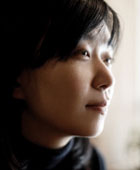
1970년 겨울 광주에서 태어났다. 1993년 『문학과사회』 겨울호에 시 「서울의 겨울」 외 네 편을 발표하고 이듬해 『서울신문』 신춘문예에 단편소설 「붉은 닻」이 당선되어 작품 활동을 시작했다.
소설집 『여수의 사랑』 『내 여자의 열매』 『노랑무늬영원』, 장편소설 『검은 사슴』 『그대의 차가운 손』 『채식주의자』 『바람이 분다, 가라』 『희랍어 시간』 『소년이 온다』 『흰』 『작별하지 않는다』, 시집 『서랍에 저녁을 넣어 두었다』 등을 출간했다. 오늘의 젊은 예술가상, 이상문학상, 동리문학상, 만해문학상, 황순원문학상, 김유... 더보기

수상 : 2024년 노벨문학상, 2023년 메디치상, 2022년 대산문학상, 2022년 김만중문학상, 2018년 김유정문학상, 2017년 이탈리아 말라파르테 문학상, 2016년 부커상, 2015년 황순원문학상, 2010년 동리문학상, 2005년 이상문학상, 1999년 한국소설문학상
최근작 : <빛과 실>,<흰>,<한강 스페셜 에디션 (작별하지 않는다 + 흰 + 검은 사슴 + 필사 노트)> … 총 174종 (모두보기)
한강(지은이)의 말
몇 년 전 누군가 ‘다음에 무엇을 쓸 것이냐’고 물었을 때 사랑에 대한 소설이기를 바란다고 대답했던 것을 기억한다. 지금의 내 마음도 같다. 이것이 지극한 사랑에 대한 소설이기를 빈다.‘작가의 말’ 중에서
출판사 소개
문학동네
도서 모두보기
신간알림 신청

최근작 : <제정신병자들>,<말하라, 기억이여>,<푸른 꽃 그릇의 숲 10>등 총 4,542종
대표분야 : 일본소설 1위 (브랜드 지수 1,504,509점), 2000년대 이후 한국소설 1위 (브랜드 지수 5,474,042점), 에세이 1위 (브랜드 지수 2,351,158점)

출판사 제공 책소개

무엇을 생각하면 견딜 수 있나.
가슴에 활활 일어나는 불이 없다면.
기어이 돌아가 껴안을 네가 없다면.
이곳에 살았던 이들로부터, 이곳에 살아 있는 이들로부터
꿈처럼 스며오는 지극한 사랑의 기억
2016년 『채식주의자』로 인터내셔널 부커상을 수상하고 2018년 『흰』으로 같은 상 최종 후보에 오른 한강 작가의 5년 만의 신작 장편소설 『작별하지 않는다』가 출간되었다. 2019년 겨울부터 이듬해 봄까지 계간 『문학동네』에 전반부를 연재하면서부터 큰 관심을 모았고, 그뒤 일 년여에 걸쳐 후반부를 집필하고 또 전체를 공들여 다듬는 지난한 과정을 거쳐 완성되었다. 본래 「눈 한 송이가 녹는 동안」(2015년 황순원문학상 수상작), 「작별」(2018년 김유정문학상 수상작)을 잇는 ‘눈’ 3부작의 마지막 작품으로 구상되었으나 그 자체 완결된 작품의 형태로 엮이게 된바, 한강 작가의 문학적 궤적에서 『작별하지 않는다』가 지니는 각별한 의미를 짚어볼 수 있다. 이로써 『소년이 온다』(2014), 『흰』(2016), ‘눈’ 연작(2015, 2017) 등 근작들을 통해 어둠 속에서도 한줄기 빛을 향해 나아가는 인간의 고투와 존엄을 그려온 한강 문학이 다다른 눈부신 현재를 또렷한 모습으로 확인할 수 있게 되었다. 오래지 않은 비극적 역사의 기억으로부터 길어올린, 그럼에도 인간을 끝내 인간이게 하는 간절하고 지극한 사랑의 이야기가 눈이 시리도록 선연한 이미지와 유려하고 시적인 문장에 실려 압도적인 아름다움으로 다가온다.
이상하지, 눈은.
어떻게 하늘에서 저런 게 내려오지.
『작별하지 않는다』는 소설가인 주인공 경하가 꾸었던 꿈의 장면으로 시작한다. 눈 내리는 벌판, 수천 그루의 검은 통나무가 마치 묘비처럼 등성이까지 심겨 있다. 묘지가 여기 있었나, 생각하는 사이 어느 순간 발아래로 물이 차오르고, 그는 무덤들이 모두 바다에 쓸려가기 전에 뼈들을 옮겨야 한다고 생각하며, 하지만 어쩌지 못하는 채로 꿈에서 깬다. 경하는 그것이 그 무렵에 꾸었던 다른 악몽들과 마찬가지로 지난 책에서 다룬 학살에 대한 꿈이리라고 생각하고, 한때 사진과 다큐멘터리 영화 작업을 하다 어머니를 돌보기 위해 제주로 내려가 목공 일을 하는 친구 인선과 함께 그 꿈과 연관된 작업을 영상으로 만들 계획을 세운다. 그러나 그뒤로 몇 해 동안 힘든 시기를 겪고 겨우 삶을 회복하는 사이 계획은 진척되지 못했고, 경하는 자신이 그 꿈을 잘못 이해했다고 마음을 바꾼다.
그러던 겨울 어느 날, 경하는 병원에 있는 인선으로부터 급한 연락을 받는다. 인선이 통나무 작업을 하던 중 사고로 두 손가락이 잘려 봉합수술을 받은 것. 곧장 병원을 찾은 경하에게 인선은 갑작스레 그날 안에 제주 집에 가 혼자 남은 새를 구해달라고 부탁하고, 그는 인선의 간절한 부탁을 차마 거절하지 못하고 그길로 서둘러 제주로 향한다. 그러나 제주는 때마침 온통 폭설과 강풍에 휩싸여 한 치 앞을 분간할 수 없다. 엎친 데 덮친 격으로 발작적으로 찾아오는 고질적인 두통에 시달리며, 경하는 가까스로 마지막 버스를 타고 인선의 마을로 향한다. 그러나 정류장에서도 한참 떨어진 곳에 있는 인선의 집까지 눈길을 헤치고 산을 오르던 길에서 폭설과 어둠에 갇혀 길을 잃는다.
눈은 거의 언제나 비현실적으로 느껴진다. 그 속력 때문일까, 아름다움 때문일까? 영원처럼 느린 속력으로 눈송이들이 허공에서 떨어질 때, 중요한 일과 중요하지 않은 일이 갑자기 뚜렷하게 구별된다. 어떤 사실들은 무섭도록 분명해진다.(44~45쪽)
심장이 다시 뛸 거지.
그렇지, 이 물을 마실 거지.
천신만고 끝에 도착한 인선의 집에서, 경하는 칠십 년 전 제주에서 벌어진 민간인 학살과 얽힌 인선의 가족사를 마주하게 된다. 온 가족을 잃고 슬퍼할 겨를도 없이 십오 년을 감옥에서 보내야 했던 아버지와, 부모와 동생을 한날한시에 잃고 오빠마저 생사를 알 수 없게 된 채로 언니와 둘이 남겨진 어머니의 이야기를. 그리고 그와 함께, 학살 이후의 시간을 살아내며 오빠의 행적을 찾는 일에 수십 년을 바쳐 끝까지 포기하기를 택하지 않았던 인선의 어머니 정심의 고요한 싸움이, 폭설로 고립된 외딴집의 어둠 속에서 희미한 촛불 아래 떠오른다. 빛과 어둠 사이를 가르며 영원처럼 느리게 하강하는 수천수만의 무심한 눈송이들 속에서, 이곳에 있지 않은 사람을 간절히 생각하는 마음이 그렇게 정심에게서 인선에게로, 인선에게서 경하에게로 스며든다.
이렇게 눈이 내리면 생각나. 내가 직접 본 것도 아닌데, 그 학교 운동장을 저녁까지 헤매 다녔다는 여자애가. 열일곱 살 먹은 언니가 어른인 줄 알고 그 소맷자락에, 눈을 뜨지도 감지도 못하고 그 팔에 매달려 걸었다는 열세 살 아이가.(87쪽)
하지만 모든 게 끝난 건 아니야.
정말 헤어진 건 아니야, 아직은.
작가는 이 소설이 “지극한 사랑에 대한 소설이기를 빈다”(‘작가의 말’)고 했다. 그 사랑은 우선 마지막까지 사람과 삶에 대한 믿음을 놓지 않았던 인선의 어머니 정심의 마음에 있을 것이다. 그것이 어디가 바닥인지 알 수 없는 막막한 어둠 속에서도 빛을 잃지 않게 했을 것이다. 하지만 그것이 그저 환하고 따뜻하기만 한 것은 아니라는 사실 또한 우리는 알게 된다. 그 사랑이 지극하고 간절한 만큼 그것은 무엇보다 무서운 고통이기도 하다는 사실을 말이다.
뻐근한 사랑이 살갗을 타고 스며들었던 걸 기억해. 골수에 사무치고 심장이 오그라드는…… 그때 알았어. 사랑이 얼마나 무서운 고통인지.(311쪽)
인선의 어머니 정심이 일평생 그랬던 것처럼, 인선은 어머니의 삶이 자신에게 스며오는 것에 고통스러워하면서도 그 사랑을 외면하지 못하고, 경하 또한 인선의 마음이 자신의 마음으로 겹쳐지는 것에 힘겨워하면서도 그 마음을 내치지 못한다. “이 눈보라를 뚫고 오늘밤 그녀의 집으로 갈 만큼 그 새를 사랑하지 않는다”(88쪽)고, “이런 고통을 느낄 만큼 사랑한 적도 없다”(152쪽)고 고개를 저으면서도 어쩌지 못하고 그 사랑에 손을 내밀어 기어이 고통을 택하는 것이, 그것만이 오직 인간이 인간일 수 있는 길이라고 소설은 말하는지도 모른다. 그것만이 절멸로부터 삶을 지켜내는 길이리라고. 어쩌면 실은 그 부름은 이미 언제나 우리 앞에 와 있었는지도 모른다. 그 사랑을 사랑으로 알아보고 그 손을 잡는 것이 우리의 일이라는 듯이. 그 앞에 조심스레 손을 내밀 때, 그 마음이 닿은 자리가 눈송이처럼 차갑고 동시에 불꽃처럼 뜨거워 영영 잊히지 않는 것은 한강의 소설만이 전할 수 있는 경험이 아닐까. 이렇게 한강의 소설이 우리 앞에 와 있다. 접기

==
==

No comments:
Post a Comment