From other countries
Jean Shen
5.0 out of 5 stars A very important book, a China classic that is key to understanding this superpower today
Reviewed in the United States on 12 June 2017
Verified Purchase
A masterpiece of reportage by one of the best reporters of China today.
Ian Johnson tackles the issue at the heart of present-day Chinese society: its lost moral compass. This is, at base, a defining characteristic of Chinese society which is still dealing with the long legacy of the Cultural Revolution and decades of this political culture. Ostensibly about religion, this book goes much deeper -- really into what makes China tick.
The China he describes with great detail, unique empathy derived from his speaking Chinese, his cultural affinity, and real immersion in the laobaixing / regular Chinese people's lives, is one locals will recognise and acknowledge is accurate. He goes deep into documenting how different groups of Chinese now are searching for a pathway out of this moral malaise, offering a heartening portrait of how China might change in time to come. This search for values will define the next chapter of life in and the behaviour of this super power. Johnson is a solid and warm, empathetic guide who takes us to meet the characters he got to know over years of reporting in pockets of China that even many of us who live here might not have encountered.
Reading this book is key to really understanding China -- its society, political life, foreign policy behaviour. It really does offer a window into this complex country's soul.
The depth of his reporting, the lyricism in his writing are unparalleled among China-based English language writers today. Very few really have invested as much time -- and emotion -- in understanding China from the very grassroots.
I can't recommend this important book highly enough. I think it will prove to be a classic in China reporting, as was Johnson's previous book Wild Grass. The book and its writing feel understated in many ways, but it really is very valuable in making sense of what China is and where it's going.
It will also be of broader interest to non-China watchers -- for those interested in religion, sociology, politics -- for it is a portrait of a society grasping with massive transformation, being lost and trying to find new ways forward.
Report
Alex
5.0 out of 5 stars recomendado
Reviewed in Spain on 23 February 2025
Format: PaperbackVerified Purchase
Buena lectura, para procesar con calma si no se tiene el background necesario. Aunque se me hace neceario contrastar con otros puntos de vista.
Report
Translate review to English
Amazon Customer
5.0 out of 5 stars Fantastic insight
Reviewed in the United Kingdom on 15 July 2021
Format: KindleVerified Purchase
Fantastically detailed, humble and compassionate insight into beliefs and practices in modern China. Brilliantly written, thoroughly researched, thoughtful and engaging.
Report
dragonworks
5.0 out of 5 stars GREAT BOOK
Reviewed in Canada on 10 November 2023
Verified Purchase
It's been a long time since I've read something this well written. It felt like a documentary in my head. Full of colour, noise, laughter, tears, emotion and pragmatism. Gave me joy, made me think. I feel I, too, know all these people he met. I cannot praise it too highly.
Report
Philip Fang
5.0 out of 5 stars A Must-Read Masterpiece on Contemporary Chinese Culture and Its Ordinary People
Reviewed in the United States on 22 June 2017
Format: HardcoverVerified Purchase
As a busy academic, I hardly read a book word by word. Ian Johnson’s The Souls of China, however, is one of those books that I’m willing to read so closely. This book will help you better understand – even challenge your old knowledge on – what “religion” is, what China is, and how contemporary faith is practiced by ordinary Chinese people.
The topic of the book – religion – is heavy, but the book itself is easy to read. Johnson strategically chooses three groups of ordinary people to tell a consistent story – the spiritual revival after Mao – that is big enough to reflect the “soul(s)” of contemporary China. Many readers might have read much about Chinese “Culture” (with a capitalized C), but very few books in the market do a good job detailing how Chinese “Culture” is perceived and practiced in everyday life and thus become Chinese cultures that really matter for most ordinary people. In his sophisticated writing, Johnson presents us Chinese religious beliefs through the Ni family in Beijing that makes an annual pilgrimage to a Buddhist temple that worships Our Lady of the Azure Clouds, the Li family in Shanxi that practices a form of family-based Daoism and folk religion, and a group of Protestant Christians in a house church in Chengdu led by a charismatic preacher Wang Yi. These stories Johnson brilliantly narrates in the book are so intriguing that I sometimes thought I was interacting with these people directly.
Johnson shows his wisdom from the mundane details of ordinary people’s everyday lives. He is humble and respects every person in this book, which is part of the reason why this book is so original, so special and so touching. By showing that ordinary people in China can understand “infinitely more,” Johnson allows them to speak, in their own words, about how they actively seek faith to transform and fulfill their lives on their own, instead of being led, aimlessly, by the vague slogans of the Party and the radical changes brought by modernity and globalization.
As a Chinese scholar in the West, I have been trained to criticize other colleagues’ works. But The Souls of China is so insightful that I have to drop my weapons and give it my highest compliments. I have to admit that I’ve learned a lot about my country and my people from this book. A good journalist is also a lay sociologist; Johnson is too good to be an ethnographer, as he can always easily fit into Chinese communities and provide his readers the best observations.
No matter how much you know about China – from a knowledgeable scholar of China Studies to a lay reader who is recently planning your first trip to China – you will find this book original, enjoyable, informative, intriguing, smart, and sometimes “as surprising as cold water running through your back.”
Report
Dilly Doe
5.0 out of 5 stars Engaging book that mixes personal perspectives from worshipers with history, politics, spirituality
Reviewed in Canada on 19 March 2019
Format: HardcoverVerified Purchase
Great book for all those interested in religion in China. I think this would be an especially good book for young foreign born Chinese or children of the Chinese diaspora that want to learn more about the religion of their ancestors and the modern landscape of religion in China today. A bit more geographically diverse coverage would be appreciated though since the book mostly focuses on people and religion n the North and very little in the South, but otherwise it is very engaging.
Report
Peter Donald
3.0 out of 5 stars a fascinating insight into religions in China
Reviewed in the United Kingdom on 15 August 2025
Verified Purchase
Nicely written, but quite hard work to read
Report
Amazon Customer
4.0 out of 5 stars Great
Reviewed in the United States on 16 May 2017
Format: HardcoverVerified Purchase
Great Book
Report
M. L. Asselin
5.0 out of 5 stars A Solid, Engaging Book on the State of Religion in China Today
Reviewed in the United States on 20 November 2017
Format: HardcoverVerified Purchase
We’ve seen several academic books about religion in contemporary China in recent years, but this look at Chinese religious practice by the American journalist Ian Johnson is both well researched and highly accessible. Like other books by journalists living in China, “Souls of China” features first-hand accounts that bring a kind of intimacy and immediacy that the general reader finds engaging. In Johnson’s book, these passages are not ends in themselves, but serve to illustrate Johnson’s thesis about the state of religion in China today. When he joins in on a Buddhist pilgrimage or a Protestant Christmas Eve service, Johnson reveals a society hungry for meaning beyond that which a free market and Communist ideology can provide. “I know there’s something bigger than us that guides us,” says one of his subjects (p. 174).
Johnson says that the aspirations of the people in his book can be summarized by the word “Tian” or “Heaven.” By this he means that they seek justice and respect, and a well-ordered society. The author goes on to say that this yearning for justice, order, and meaning may help transform Chinese society, perhaps not in the way that Buddhism and Taoism transformed Taiwan into a democracy, but that in the long-term will influence China to embrace shared universal values and morality. President Xi, who has demonstrated a willingness to be heavy-handed in his control of Chinese society, at the same time seems comfortable with a certain level of religious practice, so long as the religion being practiced has Chinese characteristics and is overseen by one of the state bodies regulating religion (p. 356). In general, this means that Christianity, and especially Catholicism, have not fared well against the state apparatus. Nonetheless, the tolerance for some things religious has given all religious expressions a little more latitude than they may have had before.
When it comes to Western-derived religions, Johnson devotes most of his space to Protestant sects; Protestantism, because it is decentralized and isn’t tied to a foreign base of influence, is thriving relative to the state-controlled Catholic Church, with its suspicious Vatican ties. It’s unfortunate there isn’t more on Catholicism given the rich history of the Catholic Church in China. (Johnson subsequently wrote about the Catholic Church in China in the Jesuit periodical, America, October 2, 2017.) You won’t find much about Islam in “Souls of China,” either.
That being said, I truly enjoyed reading this book. Johnson is a fine stylist, his research is solid, and his understanding of Chinese culture refined. His explanation of the rise of religion in China today is very convincing. Moreover, his candor and respectfulness in dealing with his subjects makes this a very humane work, one that makes you care about the people he describes. In short, this is one of the best overall non-academic books on contemporary China and Chinese culture available in English.
Report
Chinese learner
5.0 out of 5 stars Critically important work
Reviewed in the United States on 6 July 2017
Format: HardcoverVerified Purchase
I have been following Ian Johnson's work on China for several years and have always been impressed with his insights into not only Chinese society but also to Chinese as individuals. "Souls" is a critically important work for China watchers - and for anyone is trying to understand the world's oldest and most populous civilization. It chronicles in a very personal way the reemergence of traditional Chinese values in the context of the country's breakneck pace of economic development. The well recognized "spiritual vacuum" created by China's economic rise is being filled by individual, and communal, searches for deeper meaning in life. Johnson describes well how these searches are leading to both renewal of traditional practices of Buddhist, and Daoism and legitimate growth of Christian, especially evangelical, communities. He also brings his years of living in China and extensive personal contacts to a critical view of how the Chinese government's religious policy.
"Souls" was well worth the full price I paid for the hardback; something I have never done before with Amazon.
Report
Charlene Fu
5.0 out of 5 stars Brilliantly researched, reported, structured and written
Reviewed in the United States on 10 January 2019
Format: HardcoverVerified Purchase
This book was brilliantly done. I was in absolute awe of the reporting that went into it. As a former Associated Press foreign correspondent whose time in Beijing overlapped with the author's, I know better than most readers what is involved in gathering that much first-hand material for a book of such breadth and depth and insight. AND, on top of that, the structure of the book was a stroke of genius, and the writing was captivating and engaging. I read it the summer it first came out and was too busy at the time to write a review. I recently purchased the book as Christmas presents for my mom and a friend, and decided it was time to add a review, especially because one of the main characters -- the Christian house church pastor Wang Yi -- and his church have just in recent months come under incredible persecution. The response of this pastor and his congregation has been so inspiring, and reading this book helps to explain why and how they are able to remain steadfast in their faith. I could not recommend this book more highly.
Report
Gordo
5.0 out of 5 stars A Behind-the-Scenes Look at Religion in China
Reviewed in the United States on 25 June 2017
Format: HardcoverVerified Purchase
This is a fascinating book. Johnson takes the reader "behind the scenes" of the practice of religion in China, following individuals and groups as they live out their faith lives. He gains privileged access to Buddhists, Christians, Daoists, and practitioners of folk religion, watches them worship, and allows them to speak for themselves throughout the book. While weaving their stories together, he also paints a broader picture of the state of religion in China and the government's approach to religion over recent years. He also looks at phenomena that western observers may not know a lot about: Qigong, Falun Gong and Eastern Lightning. While not a history book per se, it captures the present moment of religion in China. The only critique I had was the lack of focus on Islam and Catholicism. It is written in a similar style to other "China books" by authors like Peter Hessler and Evan Osnos - if you've enjoyed those books, you'll enjoy this book too.
Report
Frederick Holmes, M.D.
5.0 out of 5 stars Very thoughtful review of China's five officially acknowledged religions: ...
Reviewed in the United States on 5 August 2017
Format: HardcoverVerified Purchase
Very thoughtful review of China's five officially acknowledged religions: Buddhism, Daoism, Protestantism, Catholicism, and Islam. The focus is largely on the return of these faiths in China since the death of Mao Tse Tung in 1976. Along with Confucianism Mao abolished all five in the 1950s. Johnson's main argument is that after Mao's death the Chinese government allowed religion to flourish - though cautiously - because its people needed systems that provided a moral foundation for their lives. Daoism gets the most coverage because it is the oldest religion in China and is uniquely Chinese. Protestantism - divided between the government's officially managed churches and the tolerated independent churches - is growing rapidly. Catholicism lags behind in growth because the government is wary of a faith with a strong foreign allegiance. Ian Johnson writes with authority because he has lived in China and is fluent in the Chinese language.
Report
Charles
5.0 out of 5 stars a well-written and well-searched high-quality book
Reviewed in the United States on 8 May 2017
Verified Purchase
as a Chinese, when i first picked up his book, i was amazed by his approach. the book started with the lunar calendar, i was carious about what this book is about, isn't it about all forms of religions in China? kept on reading it, you will gradually find all connection. this, I believe, is a smart move, and a nice approach. it would, to certain degrees, wisely explain those folk religions which have been regarded as superstition from 1949. as a Chinese, Ian used lots of poems, ancient books, some of them, the Chinese people would be familiar. all the translation are precise. i think, more importantly, this book would enlighten people to have better understanding of China, not only about its people, its politics, its society and the ongoing events, but more in depth. however, Ian is slightly optimistic... it is a great book about contemporary China, worthy of buying and reading, if the readers want to know more.
Report
William Nee
5.0 out of 5 stars Excellent book that captures dramatic social changes in China
Reviewed in the United States on 29 December 2017
Format: HardcoverVerified Purchase
China watchers can easily get tired of books and articles that rehash top line macro trends about China’s contested economic data, dismal demographic trends, unfettered consumerism, and the worrying orientation of the Communist Party. In this sense, veteran journalist Ian Johnson’s “The Souls of China” - a book about the resurgence of religion in China - is refreshingly different.
With an eye akin to a well trained anthropologist, but the pen of an engaging novelist, Johnson profiles a warm family of folk religion pilgrims in Beijing, a diligent family carrying on traditional Daoist funeral services in Shanxi, a vibrant congregation of Protestants in Chengdu, and various Buddhist and qigong masters.
Johnson writes with clear empathy for his subjects, who in their drive for justice, their striving for community building, and desire for spiritual growth, help give even the most jaded some newfound reasons for hope.
Report
Russell O. Redman
5.0 out of 5 stars Faith is alive and struggling in China.
Reviewed in the United States on 25 August 2019
Verified Purchase
Officially, the People's Republic of China is an atheist state. Under Mao, that atheism was enforced with all the power of the state. Monasteries were bulldozed or converted into factories, monks and priests were forced to recant, and religious literature was burned. After Mao, however, the deep need of the people for purpose in their lives led to a reawakening of religion. This books looks at contemporary Chinese faith through the lives of the people who practice it. It focuses on Daoism, Buddhism, and Christianity, to understand how these religions have survived the challenges of modern life, and why some of them are flourishing.
Report
lynnette wright
5.0 out of 5 stars but he delivers a great deal more than a snapshot or series of snapshots
Reviewed in the United States on 30 March 2018
Format: HardcoverVerified Purchase
A sort of Canterbury Tales meets the New York Times. Ian Johnson is a journalist, to be sure, but he delivers a great deal more than a snapshot or series of snapshots. The book is filled with humor, compassion, insight and honesty. Johnson's voice is masterfully consistent and never became the story. I did not begin the book with a comprehensive China orientation but was engaged and captivated from the start. The book was far more personal and compelling than any stale academic exercise in cultural anthropology. This is a timely must read for those who seek context. I look forward to Johnson's next.
Report
Yun Rou
5.0 out of 5 stars a genuine masterwork
Reviewed in the United States on 3 May 2017
Format: HardcoverVerified Purchase
I am going to keep this review short for fear of gushing over the writer's masterful prose, grit and clarity both, and the broad conceptual umbrella he spreads over developments in China that would take a smorgasbord of academic essays to cover. Suffice to say Mr. Johnson has both the breadth of intellect to see what's going on in macro terms and the compassionate humanity and insight to make his observations personal, tangible, and memorable. Despite my voracious appetite for books about Chinese culture, history, and philosophy, I can't say I've ever read a better one. If you want to understand rarely covered but real and important undercurrents in China today, buy this book and devour it.
Report
ward serrill
5.0 out of 5 stars Fascinating Book!
Reviewed in the United States on 29 August 2022
Format: HardcoverVerified Purchase
Ian Johnson's account of the contemporary spiritual soul of China is absolutely fascinating. Written from a talented journalist's eye for story and character, it is a captivating and illuminating journey into a China little known or understood outside the country.
Report
Carol R.
5.0 out of 5 stars Helped me understand my experience in China
Reviewed in the United States on 28 December 2017
Format: HardcoverVerified Purchase
In May 2017, my husband and I went to China to visit churches where his grandparents served as missionaries in the 1920s and 1930s. After we returned, a friend tipped us off about this book. As I read it, I had a lot of "aha" moments - "Yes, I remember seeing that;" and "so that's why ..." The writing and insights are superb, but for me this was also a personally illuminating and delightful read that helped me understand my experience better.
Report
C. M. Clarke
5.0 out of 5 stars A badly needed objective look at the state of religion in China today
Reviewed in the United States on 24 September 2017
Format: HardcoverVerified Purchase
Johnson has written a fascinating and much needed book on the state of religion and its plight in today's China. Most people think of "communist" China, but China has more Muslims than Saudi Arabia, one of the largest Christian communities in the world, and a vast, enduring, and intricate array of native and "Asian" religions. Johnson contributes mightily to describing this vital part of Chinese life.
Report
Alberto Buzzola
5.0 out of 5 stars What does religion really mean to the people of China.
Reviewed in the United States on 7 August 2023
Format: HardcoverVerified Purchase
A must read if you want to understand what religion really means to Chinese people.
Report
rgmississippi
5.0 out of 5 stars What a wonderful book
Reviewed in the United States on 28 June 2020
Verified Purchase
Its many vignettes, running down three story lines, compose an image rather than a theme.
When you come to the end, and especially the reburial in Chapter 29, you understand more about our Chinese neighbors than you would have imagined. Quite wonderful.
Report
Retired Shipbuilder
5.0 out of 5 stars Really slow reporting
Reviewed in the United States on 29 January 2019
Verified Purchase
Someone from my church teaches in China. With the coming of the societal grading for each individual, I decided to do some research. Another reviewer characterized the book as "slow reporting". It seems to be a perfect technique, but understanding a completely different society is way beyond my ability, but this book helps.
Report
Julie S.
5.0 out of 5 stars Excellent treatment and presentation of status of religion in post-Mao ...
Reviewed in the United States on 1 September 2017
Format: HardcoverVerified Purchase
Excellent treatment and presentation of status of religion in post-Mao China. Johnson deftly weaves a lot of history into his narrative about China's search for "core values" since the destructiveness of the Cultural Revolution.
Report
GBaker
5.0 out of 5 stars A Must Read for China Scholars
Reviewed in the United States on 2 August 2017
Format: HardcoverVerified Purchase
Very well researched and insightful into what is happening to "the souls of China." Serious students of today's China need to read and understand the dynamics that the author has reported.
Report
Hailey Dumeny
5.0 out of 5 stars Arrived on time!
Reviewed in the United States on 7 November 2021
Verified Purchase
Perfect book for college students arrived on time!
Report
BillinBoston
5.0 out of 5 stars Deep insights, wonderfully written
Reviewed in the United States on 17 January 2018
Verified Purchase
Ian Johnson combines deep personal experience with the religious groups he discusses, knowledge of history, a broad understanding of contemporary China, and wonderful writing to produce a magnificent book.
Report
Amazon Customer
1.0 out of 5 stars A deep analysis of Chinese cultural, political and religious interplay, perhaps but awfully written and rambling all the way.
Reviewed in the United States on 30 January 2020
Verified Purchase
The author apparently is an China expert with many years of studying the people and society but his effort to convey the current interplay between the old and the new and the religious and cultural scene under a godless communist system is not successful, at least not to most readers. It is so boringly told that few can muster two chapters. I muscled through the whole book hoping some revealing and inspiring passages will eventually appeared but was disappointed. Should have quit after chapter three.
Report
Roxie's mom
5.0 out of 5 stars Inclusive and penetrating
Reviewed in the United States on 6 August 2017
Verified Purchase
Extensively researched. The intimate insights gathered in conversations with various characters lightened and brightened this book.
Report
Gail Pellett
5.0 out of 5 stars The search for meaning and identity
Reviewed in the United States on 5 August 2017
Verified Purchase
Essential to understanding the space that many Chinese are seeking to find identity, meaning, truth and morality.
Report
Samuel Gregg Smyrl
5.0 out of 5 stars Five Stars
Reviewed in the United States on 5 May 2017
Format: HardcoverVerified Purchase
Well written. Gave me a lot of information about the current Faith experience in China
Report
Rev. Luther C. Pierce
5.0 out of 5 stars Five Stars
Reviewed in the United States on 8 September 2017
Format: HardcoverVerified Purchase
An important study as we interact with China in our world
Report
Yue Seong Swee
5.0 out of 5 stars Getting back the souls ...
Reviewed in the United States on 19 July 2017
Verified Purchase
A great insight to what's happening in China.
Report
Amazon Customer
5.0 out of 5 stars Five Stars
Reviewed in the United States on 31 August 2017
Verified Purchase
Fantastic book, meticulous reportage, wonderful detail.
Report
Michael L. Friedmann
5.0 out of 5 stars Great and valuable book on an important subject.
Reviewed in the United States on 31 August 2017
Format: HardcoverVerified Purchase
Compelling, important book.
Report
Douglas W. Holmes
5.0 out of 5 stars Five Stars
Reviewed in the United States on 27 June 2017
Format: HardcoverVerified Purchase
thought provoking
Report
To see m
# 『중국의 영혼들: 마오 이후 종교의 귀환』
이언 존슨 지음
원제: <The Souls of China: The Return of Religion After Mao>
2017년
## 1. 종교가 사라졌다고 여겨진 나라
이언 존슨의 『중국의 영혼들』은 마오쩌둥 시대에 철저히 파괴되었다고 여겨졌던 중국의 종교가 어떻게 되살아났는지를 추적한 르포르타주다. 저자는 중국의 종교 부흥을 단순히 사찰과 교회가 늘어나는 현상으로 보지 않는다. 그것은 급속한 경제성장과 사회주의 이념의 쇠퇴 이후 중국인들이 삶의 의미, 공동체, 도덕적 질서를 다시 찾으려는 거대한 움직임이다.
1949년 중화인민공화국이 수립된 뒤 공산당은 종교를 봉건적 미신 또는 외세의 침투 수단으로 규정했다. 특히 문화대혁명 시기에는 사찰, 교회, 사당, 묘지가 파괴되고 승려와 성직자, 민간 종교 지도자들이 박해받았다. 조상 숭배와 마을 제례도 억압되었다. 그러나 1976년 마오 사망 이후 종교는 예상보다 빠르게 돌아왔다. 낡은 사찰이 복원되고, 새로운 교회가 세워지며, 전통 제례와 순례가 부활했다. 존슨은 이를 세계에서 가장 규모가 큰 종교 부흥 가운데 하나라고 평가한다. citeturn934463search8turn934463search21
## 2. 종교라기보다 하나의 생활세계
서구적 관점에서는 종교를 불교, 도교, 기독교처럼 서로 분리된 신앙 체계로 이해하기 쉽다. 그러나 존슨이 관찰한 중국의 종교생활은 훨씬 혼합적이다. 한 사람이 불교 사찰에서 향을 피우고, 조상의 묘를 찾아 제사를 지내며, 도교 의례사를 불러 액운을 막고, 동시에 기독교적 도덕관에 관심을 가질 수도 있다.
중국인들에게 종교는 반드시 배타적인 교리 선택을 뜻하지 않는다. 건강, 가족, 조상, 죽음, 운명, 공동체의 평안을 연결하는 실천 체계다. 따라서 중국 종교를 이해하려면 “무엇을 믿는가”만 물어서는 안 된다. “어떤 의례를 행하는가”, “누구와 공동체를 이루는가”, “죽은 자와 산 자를 어떻게 연결하는가”를 함께 물어야 한다.
저자는 약 1년의 종교 달력을 따라가며 춘절, 청명절, 사찰 축제, 순례, 장례와 추모 의례를 기록한다. 이 구성은 종교를 추상적 교리로 설명하지 않고, 중국인의 일상과 계절 속에 배치한다. citeturn934463search5turn934463search11
## 3. 전통 종교의 귀환
책에서 가장 인상적인 부분은 도교와 민간신앙의 부활이다. 존슨은 베이징과 중국 북부 지역의 도교 음악가, 풍수 전문가, 음양사, 사당 관리자, 순례자들을 오랫동안 관찰한다. 이들은 국가가 공식적으로 인정하는 거대한 종교기관의 대표자가 아니다. 농촌과 도시 변두리에서 장례를 주관하고, 조상과 신에게 제사를 올리며, 마을의 기억을 보존하는 사람들이다.
마오 시대에 전승이 끊긴 것처럼 보였던 의례와 음악은 가족과 비공식 관계망을 통해 살아남았다. 노인들은 기억 속의 악보와 의례를 젊은 세대에게 전한다. 파괴된 사당은 주민들의 기부로 복구된다. 순례길도 다시 열린다.
이러한 부흥은 단순한 복고가 아니다. 경제개혁으로 농촌 공동체가 해체되고 사람들이 도시로 이동하는 상황에서, 전통 종교는 사라지는 공동체를 다시 묶는 장치가 된다. 제례는 신에게 복을 비는 행위인 동시에, 마을 사람들이 공동의 과거를 확인하는 사회적 의식이다.
그러나 전통의 복원 과정에는 왜곡도 따른다. 지방정부는 사찰과 축제를 관광상품으로 이용하고, 기업가는 종교를 돈벌이로 만든다. 오래된 전통처럼 보이는 의례가 실제로는 관광객과 정부 지원을 얻기 위해 새로 만들어지기도 한다. 종교 부흥은 신앙의 회복이면서 동시에 시장경제의 산물이기도 하다.
## 4. 도시 중산층과 새로운 불교
불교 부흥은 특히 도시 중산층에서 두드러진다. 물질적으로 성공했지만 삶의 방향을 잃었다고 느끼는 기업가와 전문직 종사자들이 명상, 선 수행, 사찰 순례에 참여한다. 이들은 불교를 가난과 고통을 견디는 종교가 아니라, 스트레스와 경쟁에서 벗어나 내면의 평화를 얻는 방법으로 받아들인다.
유명 승려들은 책과 인터넷, 강연을 통해 대중적 영향력을 얻는다. 사찰은 수행 공간인 동시에 문화센터와 관광지가 된다. 부유한 신자들의 기부로 거대한 불상과 사찰이 세워진다.
존슨은 이를 비판적으로 바라본다. 중국 불교의 부흥에는 진지한 수행과 윤리적 탐색이 있지만, 상업화와 유명인 숭배도 존재한다. 종교가 국가와 시장에서 독립적인 도덕적 힘이 되기보다는 권력과 자본에 포섭될 위험이 있다는 것이다.
## 5. 가정교회와 왕이 목사
책의 또 다른 중심축은 청두의 개신교 가정교회다. 존슨은 변호사 출신 목회자 왕이가 이끄는 교회를 장기간 관찰한다. 왕이는 기독교를 개인의 구원에 한정하지 않고, 중국 사회의 도덕적·정치적 문제에 답하는 신앙으로 이해한다.
그의 교회에는 도시 중산층과 지식인이 많이 참여한다. 이들은 공산주의 이념도, 소비주의도 충족시키지 못하는 도덕적 확실성을 기독교에서 찾는다. 교회는 예배 장소일 뿐 아니라 교육, 토론, 자선, 가족생활이 결합된 강한 공동체다.
그러나 바로 그 조직성과 자율성 때문에 가정교회는 국가의 의심을 받는다. 공산당은 개인이 조용히 신앙을 갖는 것은 어느 정도 허용하지만, 당의 통제 밖에서 독립적인 조직과 지도력, 교육체계를 만드는 것은 위협으로 간주한다.
존슨이 이 책에서 묘사한 교회와 왕이 목사는 이후 더욱 심한 탄압을 받았다. 이는 책이 기록한 종교 부흥의 가능성과 한계를 상징한다. 종교는 허용되지만, 당보다 강한 충성을 요구해서는 안 된다. 신자는 존재할 수 있지만 자율적인 시민공동체는 허용되기 어렵다.
## 6. 공산당의 모순된 종교정책
중국 공산당의 종교정책은 단순한 탄압으로 설명되지 않는다. 공산당은 공식적으로 무신론을 유지하지만 모든 종교를 똑같이 제거하려 하지는 않는다. 오히려 어떤 종교는 지원하고 어떤 종교는 억압하며, 필요에 따라 종교를 이용한다.
불교, 도교, 민간 전통은 중국 문화와 민족 정체성을 강화하는 자원으로 인정받을 수 있다. 유교 역시 사회질서와 애국주의를 뒷받침하는 전통으로 복원된다. 반면 해외와 연결된 기독교, 독립적인 이슬람 조직, 파룬궁과 같은 대규모 운동은 정치적 위험으로 간주된다.
시진핑 체제는 중국 전통문화와 종교를 완전히 부정하기보다 국가주의에 편입하려 한다. 종교는 사회윤리를 회복하고 관광과 문화산업을 발전시키며 당의 통치를 보완하는 한에서는 유용하다. 그러나 독립적 진리나 초월적 권위를 주장하면 탄압의 대상이 된다.
따라서 국가와 종교의 관계는 “허용인가 금지인가”의 문제가 아니다. 핵심은 통제권이다. 공산당은 사람들이 하늘을 향해 기도하는 것을 완전히 막을 수 없다는 사실을 인정하지만, 그 기도가 정치적 조직과 독립적 도덕 판단으로 발전하는 것은 막으려 한다. 한 학술 서평이 요약했듯이, 중국인들은 하늘을 열망하지만 공산당은 그 열망의 방향과 범위를 통제하려 한다. citeturn934463search7
## 7. 종교 부흥의 근본 원인
존슨은 종교 부흥을 단순히 억압이 완화된 결과로 보지 않는다. 더 근본적인 원인은 중국 사회의 도덕적 공백이다.
마오주의는 엄청난 폭력을 낳았지만 한때는 집단적 목적과 미래상을 제공했다. 개혁개방 이후 그 자리를 경제성장과 개인적 성공이 대신했다. 그러나 돈과 소비는 “어떻게 살아야 하는가”, “죽음은 무엇인가”, “타인에게 어떤 책임이 있는가”라는 질문에 답하지 못한다.
급속한 도시화, 가족 해체, 부패, 환경파괴, 극심한 경쟁은 중국인들에게 깊은 불안감을 남겼다. 종교는 이러한 상황에서 의미와 신뢰를 제공한다. 사찰과 교회는 낯선 사람들을 공동체로 묶고, 자선과 교육을 조직하며, 삶과 죽음을 설명하는 언어를 제공한다.
이 점에서 중국의 종교 부흥은 과거로의 퇴행이 아니다. 그것은 현대화가 만들어낸 현상이다. 현대화가 전통을 파괴할수록 사람들은 새로운 방식으로 전통을 재구성한다.
## 8. 평론: 이 책의 뛰어난 점
이 책의 가장 큰 장점은 중국을 국가와 지도자만으로 설명하지 않는다는 데 있다. 중국 관련 서적은 흔히 공산당 지도부, 경제성장, 군사력, 미중관계에 집중한다. 그러나 존슨은 사찰의 향 냄새, 장례식의 음악, 교회 신자들의 대화, 순례자의 발걸음을 통해 중국 사회를 보여준다.
그의 방법은 참여관찰에 가까운 장기 르포다. 저자는 약 5~6년에 걸쳐 종교 공동체와 인물들을 만나며 그들의 생활을 따라갔다. 그 결과 신자를 국가 탄압의 수동적 피해자나 이국적인 미신의 추종자로 묘사하지 않는다. 그들은 제약된 상황에서 공동체와 의미를 만들어가는 능동적 행위자로 나타난다. citeturn934463search11turn934463search16
또 하나의 장점은 “중국인은 종교가 없다”는 통념을 무너뜨린다는 점이다. 중국에서 종교는 서구식 교회 회원 수만으로 측정할 수 없다. 조상 숭배, 묘지 방문, 향 피우기, 풍수, 순례, 기공, 불교 명상 등이 겹쳐 존재한다. 존슨은 이러한 혼합성과 유동성을 중국 종교의 결함이 아니라 특징으로 본다.
## 9. 책의 한계
그러나 한계도 있다. 첫째, 책의 중심은 한족의 종교생활이다. 신장 위구르족의 이슬람, 티베트 불교, 몽골족과 기타 소수민족의 종교는 충분히 다루지 않는다. 따라서 제목의 “중국의 영혼들”은 실제로는 주로 한족 중심 중국의 영혼을 뜻한다.
둘째, 저자가 선택한 인물들은 특별히 적극적이고 헌신적인 종교인들이다. 이들의 삶이 일반 중국인의 종교성을 어느 정도 대표하는지는 분명하지 않다. 중국에는 종교에 무관심하거나, 의례를 문화적 습관으로만 행하는 사람도 많다.
셋째, 2017년 출간 이후 시진핑 체제의 종교 통제는 더욱 강화되었다. 따라서 책이 포착한 비교적 활발하고 낙관적인 부흥기는 현재의 상황과 다소 차이가 있다. 그러나 이것은 책의 오류라기보다 역사적 가치다. 이 책은 국가가 종교의 성장 가능성을 심각한 위협으로 판단하기 직전의 중국을 기록한 증언이 되었다.
## 10. 종합 평가
『중국의 영혼들』은 중국에서 종교가 공산주의를 대체했다는 단순한 이야기가 아니다. 종교와 공산당은 서로 완전히 분리되어 있지 않다. 국가는 종교를 억압하면서도 이용하고, 종교인들은 국가의 틀 안에서 활동하면서도 자신들만의 도덕과 공동체를 만들어간다.
이 책이 보여주는 핵심은 중국의 현대화가 종교를 없애지 못했다는 사실이다. 오히려 전통의 파괴, 공동체의 해체, 시장경제의 확대가 새로운 종교적 갈망을 만들었다. 마오주의가 제거하려 했던 귀신, 조상, 신, 부처, 하늘과 예수는 다른 모습으로 되돌아왔다.
그러나 종교의 귀환이 곧 자유의 귀환을 의미하지는 않는다. 종교는 국가주의와 결합할 수도 있고, 시장에서 상품이 될 수도 있으며, 권위주의 통치를 보완하는 도덕적 장치가 될 수도 있다. 동시에 그것은 국가와 시장을 넘어서는 가치, 기억, 연대의 공간이 될 가능성도 지닌다.
결국 이 책의 가장 중요한 질문은 “중국에 종교가 있는가”가 아니다. 진정한 질문은 다음과 같다.
<중국인들이 찾고 있는 영혼의 언어를 누가 정의하고 통제할 것인가?>
공산당은 종교를 완전히 없애는 데 실패했다. 이제 공산당의 목표는 종교를 당이 허용하는 중국적·애국적 형태로 길들이는 것이다. 반면 종교인들은 제한된 공간 안에서 삶의 의미와 공동체, 초월적 권위를 되찾으려 한다. 『중국의 영혼들』은 바로 이 조용하지만 거대한 투쟁을 인간의 얼굴을 통해 보여주는 뛰어난 중국 사회 르포다.
:::


 CBN 뉴스 캡처
 이안 존슨 CBN 뉴스 캡처
 CBN 뉴스 캡처
 CBN 뉴스 캡처
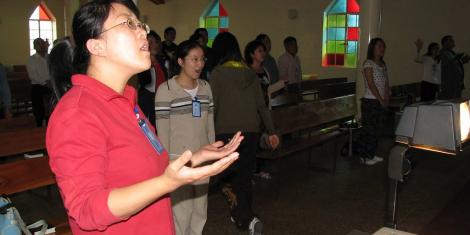 나이로비에서 예배하는 중국인들 (사진=Kenyans.co.ke )
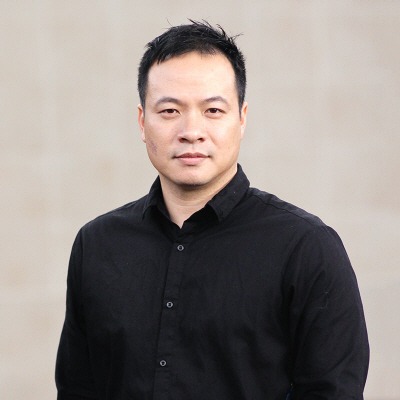 조너선 차우(Jonathon Chow, 43) 목사 JONATHAN CHOW / Principal of Bread Of LifeBible Training InstituteAssociate Director of Bread Of Life Missions Senior Leader of International Ministries .
 케냐 나이로비 풍경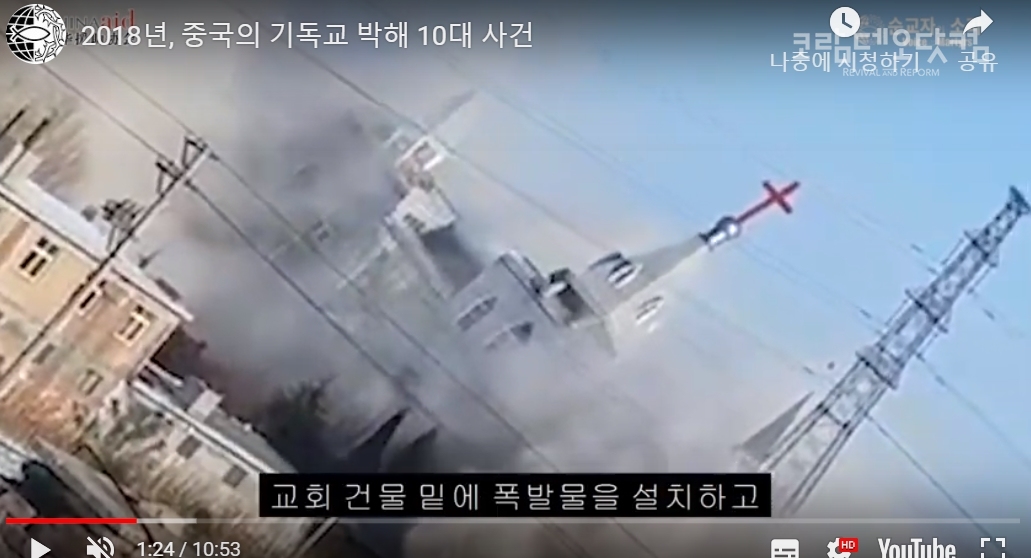

No comments:
Post a Comment