Please Look After Mom
Want to Read
Rate this book
1 of 5 stars2 of 5 stars3 of 5 stars4 of 5 stars5 of 5 stars
Please Look After Mom
by Shin Kyung-sook, Chi-Young Kim (Translator)
3.86 · Rating details · 32,245 ratings · 5,520 reviews
An international sensation and a bestseller that has sold over 1.5 million copies author's Korea, Please Look After Mom is a stunning, deeply moving story of a family's search for their missing mother - and their discovery of the desires, heartaches and secrets they never realized she harbored within.
When sixty-nine year old So-nyo is separated from her husband among the crowds of the Seoul subway station, and vanishes, their children are consumed with loud recriminations, and are awash in sorrow and guilt. As they argue over the "Missing" flyers they are posting throughout the city - how large of a reward to offer, the best way to phrase the text - they realize that none of them have a recent photograph of Mom. Soon a larger question emerges: do they really know the woman they called Mom?
Told by the alternating voices of Mom's daughter, son, her husband and, in the shattering conclusion, by Mom herself, the novel pieces together, Rashomon-style, a life that appears ordinary but is anything but.
This is a mystery of one mother that reveals itself to be the mystery of all our mothers: about her triumphs and disappointments and about who she is on her own terms, separate from who she is to her family. If you have ever been a daughter, a son, a husband or a mother, Please Look After Mom is a revelation - one that will bring tears to your eyes. (less)
GET A COPY
KoboOnline Stores ▾Book Links ▾
Hardcover, 237 pages
Published April 5th 2011 by Knopf (first published November 5th 2008)
More Details...Edit Details
FRIEND REVIEWS
Recommend This Book None of your friends have reviewed this book yet.
READER Q&A
Ask the Goodreads community a question about Please Look After Mom
54355902. uy100 cr1,0,100,100
Ask anything about the book
Popular Answered Questions
i would like to read it online?
4 Likes · Like 6 Years Ago Add Your Answer
Richard I got it in digital format via my local public library.
flag
This question contains spoilers... (view spoiler)
1 Like · Like 3 Years Ago Add Your Answer
Cavak I suppose that's one way of looking at it. She was barely coherent though, so I wouldn't say it was as intentional as that.…more
flag
See all 14 questions about Please Look After Mom…
LISTS WITH THIS BOOK
Please Look After Mom by Shin Kyung-sookPachinko by Min Jin LeeThe Vegetarian by Han KangWhen My Name Was Keoko by Linda Sue ParkHuman Acts by Han Kang
Fiction by Korean Authors and/or Containing Korean Characters
388 books — 399 voters
Please Look After Mom by Shin Kyung-sookThe Vegetarian by Han KangHuman Acts by Han KangPachinko by Min Jin Lee82년생 김지영 by Cho Nam-Joo
Korean literature in English (fiction and nonfiction)
262 books — 180 voters
More lists with this book...
COMMUNITY REVIEWS
Showing 1-30
Average rating3.86 · Rating details · 32,245 ratings · 5,520 reviews
Search review text
English (3403)
More filters | Sort order
Sejin,
Sejin, start your review of Please Look After Mom
Write a review
JV (semi-hiatus)
Aug 10, 2019JV (semi-hiatus) rated it liked it
Shelves: contemporary, 2019, asian-lit
"How far back does one’s memory of someone go? Your memory of Mom?"
An international bestseller, Please Look After Mom is a melancholic read that chronicles the life of a loving, selfless mother marred with sacrifice, poverty, sadness, and loneliness. When sixty-nine-year-old Park So-nyo went missing in Seoul Subway Station, her family's desperate attempt to find her leads them towards questioning their own notion about how well they know "Mom". Told from four different perspectives, each showing the vulnerabilities and conscience of the characters, Kyung-sook provides an insightful look at Korean culture and family dynamics whilst exploring universal themes such as tradition, yearning, familial love, duties and responsibilities, and above all, motherhood. Like memories that ebb and flow, these four narratives take us into a journey down memory lane — unearthing the pieces that was once lost in the past and conjuring them to form an intricate puzzle that reminds us of "Mom", "Dad", or the ones we hold dear in our heart.
"How unfair is it that all she did was sacrifice everything for us, and she wasn’t understood by anyone?"
This book is a sheer reminder to appreciate, look after the ones we truly love, and to never ever take anyone for granted. Sometimes, it's the smallest gesture, the minuscule ones, or even the irrelevant things that bring someone glee, laughter, or even a smile to their faces. It's the little things that count the most. One might think that you know your mother well, but if you dig deeper, you'll realise that your Mum is an individual too with all her perks, quirks, and painful experiences. The narrative is quite an odd one as it is mostly told in the second person, which one might find confusing, distracting or frustrating to follow, well, for me, it was all three! It took me quite a bit of time to get involved with the unusual narrative and the slow-moving plot didn't help. My mind began to wander and the story wasn't gripping enough. It leans quite a bit on the schmaltzy side, so that might put some readers off. However, for those who like reading family dramas with a little bit of mystery, this might be your cup of tea.
"Life is sometimes amazingly fragile, but some lives are frighteningly strong."
(less)
flag179 likes · Like · 52 comments · see review
Ruthie Jones
Apr 08, 2011Ruthie Jones rated it it was amazing
Shelves: wip-comps, nook-book
Powerful and unforgettable! I actually believe this book has changed me or at least opened my eyes to my own level of participation (and shortcomings) in my relationships.
This amazing story will rip you to shreds and force you to face difficult questions about your own relationships--not just with your mom but with all those people who claim a piece of your life and heart: "Who are these people who love me so much?" "Why do I take their very existence for granted?" "Do any of these people really know me?" These are hard questions, and this short book is a warning to you to ask these questions when you still have a chance to answer them! You might think you have a strong and open relationship with your mom, dad, sister, spouse, etc., but you can always do more. This story makes you realize that you should take the time to know those you love and also allow them to know you!
"All the relationships in the world are two-way, not determined by one side." ~ page 132 (less)
flag164 likes · Like · 8 comments · see review
Jordan Ferguson
Jun 30, 2011Jordan Ferguson rated it it was ok
This is not the sort of book I read, and I’d be lying if I said the Korean name on the cover didn’t play a part in getting me to crack the spine; I tend to give passes to stories I think are lame when they come from Asian countries, it’s just where my own cultural preferences lie. Even still the story, about a family dealing with the disappearance of their mother in a Seoul subway station, would normally have been a little too ‘old lady book club’ for me. But one detail of the plot, a minor point highlighted on the jacket description, pulled me in: as the family gathers to make missing person flyers to distribute, the missing mother’s children realize they have no recent photos of her. How heartbreaking is that?
So that little detail got me in the door, since so much of my own [never finished] creative work is concerned with our inability to ever really know another person, and whether that deficiency is really a deficiency at all, or instead an impossible standard we’ve all been convinced to aspire to? PLAM deals with these concerns by the shovelful, as the other family members look back on their relationship with their mother/wife, re-examining shared moments under the colored light cast by her absence.
Shin’s big gamble with the book is her narrative technique, primarily telling the story through second-person voice [when your mother disappeared, you stood outside the station and handed out flyers with your brother and his wife]. It’s a risky move, creative writing teachers usually brandish flaming swords to discourage students from using due to the difficulty in maintaining consistency, but Shin keeps it engaging about 75 per cent of the time.
But 75 per cent is not 100 per cent [I rock math!] and unfortunately the book suffers from its shifting perspectives. Similar to Egan’s ‘Visit From the Goon Squad,’ the problem with the shifting voices is if you like one narrator, you might not ever hear them again. This isn’t as much of a deficiency in PLAM as in ‘Goon Squad,’ only because none of the narrators are that exceptional: I probably preferred the writer daughter to the oldest son, but neither of them are exactly vivd or colorful, a fact I might attribute to the somewhat flat prose of Asian authors when translated to English.
PLAM isn’t a bad book, by any means, but I think it might have more to say about the mother/daughter relationship than the mother/son. Ultimately, it’s a book about the moment when children start to see their parents as individuals, something other than ‘Mom’ or ‘Dad.’ It’s a story worth telling, but I think it would have resonated better with me in a story written by an native English speaker. There were many times, moments related to Korean holidays or family memorial altars, where the significance just whooshed past my head, and despite it’s book club-friendly subject matter, I can see it being a hard sell to those members of my clientele. The prose lacks the florid prose that typically fills such books. And that’s a shame, since I think there’s a lot that crowd could get out of it, but they’re a stubborn bunch in my experience.
All in all, the book’s a fine introduction to a new voice from a place we don’t hear very much from in North America, and the push the book seems to be getting would suggest Kyung-Sook Shin is an author we’ll be hearing from for a few more books yet. (less)
flag76 likes · Like · 16 comments · see review
Elaine
Feb 19, 2012Elaine rated it it was ok
Shelves: 2012
Wow, that was bizarre and bad. What starts out as an interesting family novel turns into an extended hagiography of "Mom", a woman so amazingly selfless and nurturing that puppies, ducklings, fields and orphans spring into worshipful life around her -- only her callous children and faithless husband don't see the value of this woman, who secretly feeds the poor, delivers the baby of a man who stole from her, sleeps in the cold, and donates her old-age mite to orphans. She is so selfless that -- despite being plagued (literally) by a host of illnesses from mysterious stomach trouble to cancer to (apparently) Alzheimer's -- she never even agrees to take medicine or go to the hospital. She is Super-Mom, the epitome of "never mind, I'll just sit in the dark", and so annoyingly perfect and cloyingly abject that if she were your Mom, you'd be speaking as sharply to her as her children and husband do. But never fear, in Shin's world, these children will rue for eternity those sharp words. Even the perfect 2nd daughter is racked by endless guilt and wants to stick her head in a dirt hole b/c she failed to plant a persimmon tree in the spot that Mom told her to (really).
Speaking of the 2nd daughter, one of the most gratingly retrograde and black/white aspects of this book is that the only person in the family who is kind to Mom (so kind she buys her a mink coat with her first paycheck!) is the 2nd daughter, a stay-at-home Mom to 3 children, so selfless in her own right that she wears mis-matched socks and collapses in motherly exhaustion. This book does not deal in nuance! By contrast, the careerist, not-married, older daughter is -- you guessed it -- mean to Mom, and Dad!, drinks too much, and therefore is to blame for most things in the world.
A final complaint -- and in a book so thematically irksome, this is really trivia -- the family structure and timeline do not hold together. There are supposedly 5 children, but the two younger sons are almost invisible and the repeated depictions of family life when the protganists are children never involve the younger children. The eldest son is said to be over 50, yet the eldest daughter (the middle child of the 5) is said to be in her thirties -- this could work, except that they are repeatedly described as being young children together. Similarly, the elder and younger daughter are apparently close in age, but the childhood scenes never involve any interaction between the sisters. When the three oldest have moved to Seoul, Mom is described as having nothing to live for back in the countryside, which is odd as presumably she had two young children back at home. This just seems sloppy in the extreme.
So why two stars and not just one? Well, I did enjoy learning a bit about life in the Korean countryside. Especially the loving descriptions of meals -- I always enjoy those. (less)
flag69 likes · Like · 32 comments · see review
Henk
Mar 25, 2021Henk rated it liked it · review of another edition
Bit sweet and repetitive but an interesting dive into post-war Korean society and the heavy burden placed on women
’I don't like or dislike the kitchen. I cooked because I had to. I had to stay in the kitchen so you could all eat and go to school. How could you only do what you like? There are things you have to do whether you like it or not.' Mom's expression asked, What kind of question is that? And then she murmured, 'If you only do what you like, who's going to do what you don't like?”
The abject poverty and harsh life after the war and under the military junta (with a curfew just mentioned in an offhand manner) is the core subject of this book. The mother is lost in Seoul station and the children and her husband reflect on how little they actually know who Mom actually is. She is the core of the family, taking care of everyone in a selfless manner. An ironclad work ethic and zealous devotion to the education of her children reminded me of my own (grand)parents and the you perspective adds to the recognition one feels while reading.
Food, with shortages as root cause, takes a prominent role as well. Sometimes I felt the saintliness of mom was being taken a bit too far, and the regret of the ones around her a bit sweet and overtly convenient. But how well do we in general know our loved ones and how much time do we really spend on those who we tend to take for granted?
Chapter 4 starts of very confusing in my opinion
Who is the narrator and who is the you?
And the epilogue is rather unnecessary to drive the already clear message of the book home. Still an interesting enough read to gain a better understanding of the harsh post-war conditions in Korea. (less)
flag61 likes · Like · 4 comments · see review
Ahmad Sharabiani
Jan 03, 2020Ahmad Sharabiani rated it really liked it
Shelves: literature, korean, adult, novels, asia, fiction, 21th-century
Please Look After Mom, Shin Kyung-sook
When sixty-nine-year-old So-Nyo is separated from her husband among the crowds of the Seoul subway station, her family begins a desperate search to find her. Yet as long-held secrets and private sorrows begin to reveal themselves, they are forced to wonder: how well did they actually know the woman they called Mom? The novel explores the loss, self-recrimination, and in some cases, self-discovery caused by the mother's disappearance. The novel also considers themes related to the self-sacrifice of mothers in general (and in Korean in particular), the relationship between memories of the past and realities of the present, and the chameleonic aspects of identity.
عنوانها: مادرم را به تو میسپارم؛ لطفا مراقب مامان باشین؛ نویسنده: شینکیونگ سوک؛ تاریخ نخستین خوانش: روز چهارم ماه ژانویه سال 2014 میلادی
عنوان: مادرم را به تو میسپارم؛ نویسنده: شینکیونگ سوک؛ مترجم: علیاکبر قاضیزاده؛ تهران: کتابسرای تندیس؛ 1392؛ در 246 ص؛ شابک: 9786001820908؛ موضوع: داستانهای نویسندگان کره جنوبی - سده 21 م
عنوان: لطفا مراقب مامان باشین؛ نویسنده: شین کیونگ سوک (کیونگ سوکشین)؛ مترجم: مهدی سجودیمقدم؛ تهران: مهر اندیش، 1397؛ در 293 ص؛ شابک: 9786006395371؛
هنگامیکه سو-نیو شصت و نه ساله در ایستگاه متروی سئول از همسرش جدا شد؛ خانواده ی وی جستجوی ناامیدانه ای را برای یافتن او آغاز کردند؛ و...؛ نقل از متن لطفا مراقب مامان باشین: (1 - هیچکس نمیداند: یک هفته است که مامان گم شده. خانواده جمع شده اند در خانه ی برادر بزرگ ترت، هیونگ ـ چول، نظراتشان را روی هم میریزند. تصمیم میگیرند آگهی درست کنند و در آخرین جاهایی که مادر رفته، پخش کنند. اولین چیزی که باید انجام داد، هر کسی هم در آن اتفاق نظر دارد، این است که متن آگهی تهیه شود. البته آگهی یک اقدام مرسومِ قدیمی در گرفتاریهایی از این دست است. اما معمولاً خانواده یک شخص گم شده اقدامات کمی را میتوانند انجام بدهند؛ حتی وقتی شخص گم شده کسی نباشد جز مادرتان. همه ی کاری که میتوانید انجام دهید این است که گم شدنش را گزارش کنید، منطقه را بگردید، و از رهگذرها بپرسید که آیا کسی را شبیه او دیده اند یا نه. برادر کوچک ترت، که یک لباس فروشیِ آنلاین دارد، میگوید که چیزهایی درباره گم شدن مادر در نِت پُست کرده، شرح داده که کجا گم شده؛ عکسش را گذاشته و از مردم خواسته اگر کسی او را دیده، با خانواده تماس بگیرد. تو میخواهی جاهایی را که حدس میزنی رفته باشد، دنبالش بگردی، اما تو که میدانی او چطور است: تنهایی نمیتواند در این شهر جایی برود. هیونگ ـ چول نوشتن آگهی را به عهده تو میگذارد، چون که تو کارت نوشتن است. شرمنده میشوی، انگار داری کاری را انجام میدهی که از عهده اش برنمیآیی. مطمئن نیستی که نوشته ات چقدر میتواند در پیدا کردن مادر موثر باشد. وقتی تاریخ تولد مامان را مینویسی 24 ژوئیه، 1938، پدرت آن را تصحیح میکند، میگوید که او در 1936 دنیا آمده. ثبت رسمی میگوید که در 1938 متولد شده، اما ظاهراً در 1936 متولد شده. اولین بار است که چنین چیزی را میشنوی. پدرت میگوید آن وقتها همه اینکار را میکردند. چرا که خیلی از بچه ها بیشتر از همان سه ماهه اول تولدشان دوام نمیآوردند، مردم تا زمانی که ثبت رسمی شوند، چند سالی همانطور سر میکردند. بعد وقتی میخواستی ازنو به جای «38» بنویسی «36»، هیونگ ـ چول میگوید که باید بنویسی 1938، چون که تاریخ رسمی همان است. تو فکر نمیکنی وقتی داری فقط یک آگهی خانگی درست میکنی، چنین دقتی ضروری باشد و مثل آن نیست که در یک اداره دولتی باشی. اما از سرِ حرف شنوی مینویسی «38»، درحالیکه هنوز تردید داری 24 ژوئیه هم حتی تاریخ تولد واقعی باشد. چند سال پیش مادر گفت: «ما مجبور نیستیم تولدم رو جداگانه جشن بگیریم.» تولد بابا یک ماه قبل از تولد مامان است. تو و خواهر برادرهایت معمولاً برای تولدها و مراسم دیگر میرفتید به خانه پدر و مادرتان در چونگاپ. در مجموع اعضای درجه اول خانواده بیست ودو نفر میشدید. مامان این را دوست داشت وقتی که همه بچه ها و نوه ها جمع میشند و توی خانه سروصدا راه میانداختند. از چند روز قبل که بچه ها برسند، مامان باید کیمچیِ تازه درست میکرد، میرفت فروشگاه تا گوشت گوساله بخرد، و مسواک و خمیردندان اضافه ذخیره کند. روغن کنجد و دانه های بوداده و خام کنجد و پریلا را توی هم میریخت، و به این ترتیب میتوانست به هرکدام از بچه ها، موقع رفتن، یک کوزه از آن بدهد. درحالی که منتظر بود تا خانواده برسند، به وضوح در جنب و جوش بود، وقتی با همسایه ها و آشنایان حرف میزد، حرفها و رفتارهایش غرور و مباهاتش را آشکار میکرد. مامان بطری هایی در اندازه های مختلف را به فصلش از آب آلو یا توت فرنگی وحشی پر میکرد و در انبار نگه میداشت. کوزه های مامان که خیال داشت بفرستد برای فامیل در شهر، تا لبِ لب پر بودند از ماهی شوریده قرمه شده کوچک یا پوره ماهی کولی یا گوشت صدفِ قرمه شده. وقتی شنید که پیاز برای سلامتی آدم خوب است، آب پیاز هم میگرفت، و قبل از رسیدن زمستان هم آب کدوتنبل را با شیرین بیان دم میکرد. خانه مادرت مثل یک کارخانه بود؛ انواع سسها و پوره ی حبوبات و سبوس برنج را درست میکرد، و مصرف یک سال خانواده را تدارک میدید. از آنجاییکه بچه ها به ندرت میرفتند به چونگاپ، این مامان و بابا بودند که میآمدند به سئول. و تولد هرکدامشان را با شام در بیرون جشن میگرفتید. البته مامان میگفت: «جشن تولد منو با جشن تولد پدرتون بگیرید.» میگفت از آنجایی که تولد هردوی آنها توی تابستان داغ است، و ضمناً فقط دو روز بعدش مراسم آباواجدادی دارند، جشن تولد جداگانه برایشان گرفتن زحمتی برای آنها خواهد بود. اوایل، خانواده از پذیرش چنین چیزی امتناع میکرد، اما موقعیکه با اصرار مامان روبرو شدند، و مامان از آمدن به شهر هم خودداری کرد، چندتایی از شما رفتید خانه اش که با او جشن بگیرید. بعد همگی شروع کردید به اینکه هدیه تولد مامان را در روز تولد بابا به او بدهید. و سرانجام، به طور کامل، روز تولد واقعیِ مامان کنار گذاشته شد. مامان، که خودش دوست داشت برای هرکسی در خانواده جوراب بخرد، توی کمدش یک عالمه جوراب داشت که بچه هایش دیگر نمیبردند و همین طور هم اضافه میشد
نام: پارک سوـ نیو
تاریخ تولد: 24 ژوئیه 1938 - 69 ساله؛
مشخصات ظاهری: کوتاه قد، موهای فردارِ فلفل نمکی، گونه های استخوانیِ برجسته، آخرین بار با پیراهن آبی آسمانی، ژاکت سفید، و دامن پلیسه دار بژ آخرین محلی که دیده شده: ایستگاه متروی سئول)؛ پایان نقل از متن. ا. شربیانی (less)
flag47 likes · Like · comment · see review
Monica Kim: musings of monica
Jan 31, 2019Monica Kim: musings of monica rated it really liked it
Shelves: 2019
**spoiler towards the end!
.
.
I have so many dreams of my own, and I remember things from my childhood, from when I was a girl and a young woman, and I haven't forgotten a thing. So why did we think of Mom as a mom from the very beginning? She didn't have the opportunity to pursue her dreams, and all by herself, faced everything the era dealt her, poverty and sadness, and she couldn't do anything about her very bad lot in life other than suffer through it and get beyond it and live her life to th ...more
flag44 likes · Like · 7 comments · see review
Karen Ng
Mar 28, 2011Karen Ng rated it it was amazing · review of another edition
Shelves: powerful-narrative-poignant, aging, asia, translated, korea-korean-literature
Wow....wait, I need to capitalize this: WOW...This story took me through an emotional roller coaster that reminded me of all my personal shortcomings in the relationship department with my own family and my Mom. The last time I was this wrecked was when my father passed away of cancer 2 years ago.
The story begins when the 70-year old mother of a family disappears from a Seoul train station. The family, 5 grown children and her husband, is desperate to find her and yet, on the other hand, are blaming themselves and each other for not spending more time or paying more attention to her. The book is divided into 4 major sections with 4 narrative voices: the oldest daughter, the oldest son, the husband and the mom herself, with a shorter epilogue again narrated by the oldest daughter. A second person narration is heavily used in the book..in all except for the personal narration of Mom. It takes a little getting used to but then ultimately one would start to identify with the voice:
"You were the one who always hung up first. You would say, "Mom, I'll call you back," and then you didn't. You didn't have time to sit and listen to everything your Mom had to say..."
"Mom was the kitchen and the kitchen was Mom. You never wondered, did Mom like being in the kitchen?"
As the story unfolds with each person's narration, we understand a little more about Mom, her love for all, her everyday life, her relationship with each of her children, her relationship with her husband and her husband's demanding older sister. We come to know that her children and her husband know very little of her, except that she was always there for them, taking care of them. When Mom's voice starts narrating at the end, we get the complete picture, almost...
It's no coincidence that the Korean word for "death" is a homonym for the number 4 (same in Chinese). This is a very sad story to read, yet I can't stop reading, especially toward the end. The translation is great, leaving Shin's original writing style unchanged. I would highly recommend this book to anyone who loves his/her Mom. (less)
flag41 likes · Like · 7 comments · see review
Jill
Mar 21, 2011Jill rated it it was amazing
Shelves: asian-literature, best-of-2011
Those who have traveled in Southeast Asia – and Korea in particular -- will know right away that the number 4 (pinyin sì) is considered unlucky because it sounds like “death” (pinyin sǐ). Why, then, did Korean author Kyung-sook Shin carefully craft a novel from four different viewpoints?
The answer is that the members of this family are unlucky, or at the very least, careless. Through years as a family, none of them ever really knew Mom or understood the sources of her strength. And now she has d ...more
flag35 likes · Like · 15 comments · see review
Helly
Aug 11, 2018Helly rated it it was amazing
Well, the first thing I did after reading this book is ask my parents to go and get their full body medical checkup. It is quite terrible how we tend to neglect the people who invest their life and money on us and by the time the realisation Dawns upon us, it is too late.
Shin's novel speaks to the reader from the second person narrative, reminding her/him how all of us are in the same place and still have a chance to rectify our mistakes while there is time.
Highly urge you to read this and make sure you take care of your parents. (less)
flag31 likes · Like · 1 comment · see review
Zainab
Mar 05, 2022Zainab rated it it was amazing
Namjoon doing the Lord's work by recommending good books (less)
flag30 likes · Like · 2 comments · see review
Clare Cannon
Jul 14, 2011Clare Cannon rated it really liked it · review of another edition
Shelves: adults
A beautiful story about the small but heroic sacrifices made by a Korean mother for her family, and the lack of recognition her family gave her until the day she goes missing on the city subway.
The second person narratives - while a little disconcerting at times - allow each of her children, her husband, and finally the mother herself to share their own experience of her disappearance, and the memories it recalls about their lives before.
The mood is sombre, reflective, and would be heavy if not for the bitter-sweet discoveries each one makes of their deeper love for their mother, and their renewed desires to be better people to live up to her generosity and self-giving. Sadder moments are lifted up by others that are more profound, making the overall story a worthwhile read. www.GoodReadingGuide.com (less)
flag27 likes · Like · 2 comments · see review
April (Aprilius Maximus)
Jan 23, 2019April (Aprilius Maximus) added it · review of another edition
Shelves: dnf
DNF at 50% - Honestly just couldn't get into it :( (less)
flag24 likes · Like · comment · see review
saïd
Jan 31, 2022saïd rated it liked it · review of another edition
Shelves: 1_fiction, hangeul
In my review of the translation I said that the mother character felt too perfect, unrealistically so... but maybe that was the point? Well, having now read the original novel in Korean, I can comfortably say that it was indeed the point. This novel is blatant guilt-tripping and I honestly kind of love it. "Defiant" probably isn't the first adjective most people would think of if asked to describe this novel, but it really sort of is. It's taking the stereotypical mother figure—endlessly selfless, caring, nuturing, supportive—and snatching her away, forcing the (Korean) reader to notice how integral to daily life women's "invisible" work really is. Shin Kyungsook is unrepentantly manipulating her audience and, honestly, I'm into that. (less)
flag13 likes · Like · comment · see review
Emma
Apr 06, 2021Emma rated it really liked it
4.25/5 Stars
Such a heart-wrenching and eye-opening book!
Please Look After Mom is a beautiful novel which explores the hidden world of the mother figures in our lives. So-nyo gets lost at Seoul central station and so her husband and her adult children start looking for her all around the city in order to bring her back home. What they are not prepared for is the realization that spins their world off its axis: their mother, the woman who raised and cared for all of them, is a person and as such she has secrets, passions, and fears like everyone else.
The point of view changes throughout the story and so we get different glimpses and perspectives about So-nyo and the people who know her.
I believe this is a novel that hits differently depending on what stage of life you find yourself in. I'm no mother, but since I am someone's daughter this book still spoke to me. This feels like a book that keeps on giving and I'm definitely curious to pick it up again in the future and to have the chance to see things from another perspective. (less)
flag19 likes · Like · comment · see review
Mizuki
May 12, 2013Mizuki rated it it was ok
I really, really don't like this book.
Although I don't mean to say it's a badly written book, it isn't. But I dislike how the author sets up this Mother character as some sort of 'ideal mother'---she is tireless, selfless, all-giving, she puts her family above her own self, she never complained even when FOR YEARS no one appreciated her sacrifice, her whole life is nothing but taking care of her husband and her family.
Over and over and over I was told how GREAT this mother is, how everyone came to realize how important she is after she disappeared from the train station.
The more I read the book, the more I felt like this book serves as a 'guilt trap', the author created the most flawless, selfless mother and pushed her before us, so that we are obligated to feel sorry for her.
I hate being guilt-trapped into feeling sorry for anyone, I hate it a great deal.
But what disappointed me the most is, the author never challenged the belief that an 'ideal' mother should be selfless, giving, tireless and thinks nothing but caring for her husband and children. She never questions this kind of 'Mother=Madonna=Long-Suffering-Martyr' stereotype. In the book, the mother is being described as having no desire of her own, she has nothing outside of her family. She is just someone else's wife, someone else's mother, NOTHING MORE; and this problematic fact is not challenged or even being put into question. That pisses me off so badly. (less)
flag18 likes · Like · 4 comments · see review
Syndi
May 06, 2019Syndi rated it liked it · review of another edition
This is a very depressing read. When the mother went missing, none that closed to her, her family, knows basic information about her. Birth date, picture, what the mother likes, her habit. And what most important her loneliness inside her heart. The children taking her for granted, husband who is too timid to express his love and devotion.
I don not like the writing. Its too much description that I found annoying.
Well I never think I would say this when I finish reading it: I am glad I finish this book.
3 stars (less)
flag18 likes · Like · comment · see review
Lisa (Remarkablylisa)
Jul 03, 2020Lisa (Remarkablylisa) rated it really liked it
Shelves: july-2020, asian-books
I really enjoyed reading all the different perspectives of this book and seeing how the one person in the family that gave up so much to take care of everyone. It's really good for immigrant children to learn perspectives and feelings of others. (less)
flag18 likes · Like · comment · see review
Aldrin
May 03, 2011Aldrin rated it really liked it · review of another edition
Oskar Schell, the lead character in Jonathan Safran Foer's 2005 novel, Extremely Loud and Incredibly Close, uses a rather quaint metaphor to describe something that makes him feel sad: "heavy boots," as in, "I desperately wish I had my tambourine with me now, because even after everything I'm still wearing heavy boots, and sometimes it helps to play a good beat," "It gave me heavy boots that she had nightmares, because I didn't know what she was dreaming about and there was nothing I could do to help her," and "I got incredibly heavy boots about how relatively insignificant life is, and how compared to the universe and compared to time, it didn't matter if I existed at all." If Oskar were to read Please Look After Mom, the English language debut by South Korean author Kyung-sook Shin, with all its sentences weighed down by multiple characters' if-onlys and should-haves, he would no doubt have pairs and pairs of heavy boots to last him a season or two.
Incidentally, what frequently supports Please Look After Mom's penchant for supplying its reader with Safran Foeresque leaden ankle-high shoes is a different sort of footwear: blue plastic sandals, as in, "[M]om was wearing blue plastic sandals, one of which was cutting into her foot near her big toe, and a piece of flesh has fallen off, creating a groove, perhaps because she'd walked so far." After being left behind on a subway platform in Seoul, the missing title character has since been seen by people in various places, walking seemingly aimlessly in her injurious slippers.
The curious thing about the blue plastic sandals is that they weren't the articles covering Mom's feet when she went missing. They were, however, the shoes she was in years ago when she traveled from the countryside to the city in the middle of winter to personally deliver an urgent requirement for her son's law school application. It was just one of Mom's countless acts of selflessness, just one of the many remembrances her husband and children realize too late now that they can only wait and look for Mom, lost, possibly gone.
Please Look After Mom is at once a portrait of motherhood and a diorama of nuclear family dynamics certainly not exclusive to Korean culture. This combined picture is assembled from the distinct perspectives of daughter, son, husband, and Mom. Mom's disappearance opens a floodgate of memories about the absent matriarch, and these recollections and belated observations are all too often coupled with the most piercing of regrets.
The elder of two daughters, an accomplished novelist, regrets her mostly arctic disposition towards her mother. The eldest son, a successful real estate agent, regrets falling short in his promise to his mother to be a successful prosecutor. The husband and father regrets all but ignoring his wife and mother to his five children. The mother herself, in the novel's devastating, if muddled, conclusion, owns up to her own shortcomings, not the least of which are her being illiterate and her hidden relationship with another man. Wading through their grandly sentimental confessionals, rendered in shifting narrative vantage points and voices presumably to underscore each of the central characters' image of a steadfast, affectionate, and long-suffering woman, can be painful or cloying or both.
It can also be eye-opening. The book's epigraph is appropriately a dictum from a Franz Liszt nocturne: "O love, so long as you can love." And one of its less teary lines is an affirmation: "Life is sometimes amazingly fragile, but some lives are frighteningly strong." It can be enlightening, and it can lead one to think even better of that singular person who can make one's heavy boots lighter.
—
Originally posted on Fully Booked .Me.


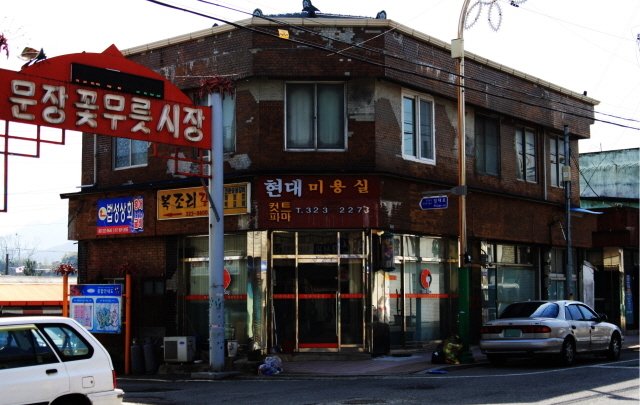 ▲ 한국전쟁 당시 함평 지역 소개 작전을 벌인 5중대의 중대본부 막사가 있던 문장꽃무릇시장 입구. 오랜 시간이 지난 뒤 현재는 2층 건물이 들어서 있다. ⓒ커버리지(정찬대)
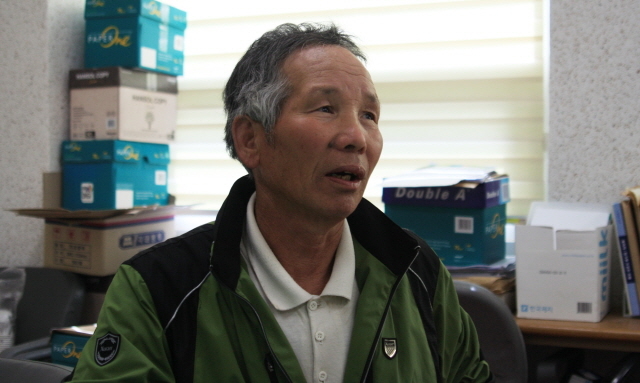 ▲ 함평에서 만난 안종필(67·월야면 예덕리) 씨는 어머니 등에 업힌 채 4발의 총상을 입고 기적처럼 살아났다. 당시 어머니는 팔에 관통상을 입었고, 형은 그 자리에서 숨졌다. ⓒ커버리지(정찬대)
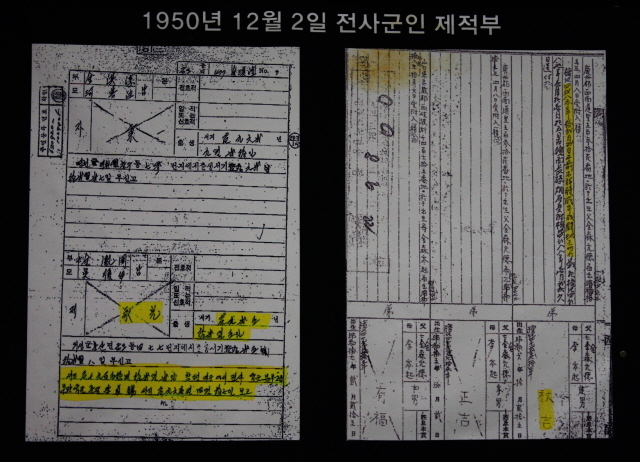 ▲ 1950년 12월 2일 계림리 시목 마을에서 국군과 빨치산 간 유격전(한새들전투)으로 2명의 국군이 목숨을 잃었다. 실제 이들의 호적사망 기록을 보면 '함평 전투 지구에서 사망'한 것으로 표기돼 있다. ⓒ커버리지(정찬대)
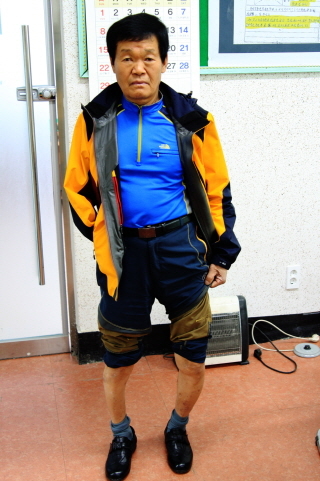 ▲함평에서 만난 장종석(69세) 씨는 해보면 모평마을(일명 모평사건)에서 발목에 총상을 입고 평생 거동이 불편하게 지내왔다. 당시 4살이었던 장 씨는 논바닥을 울면서 기어갔고, 외할머니가 그런 장 씨를 붙들기 위해 다가오다 변을 당했다. 7살 외삼촌도 그 자리에서 목숨을 잃었다. ⓒ커버리지(정찬대)월야면 학도연맹 선전부장이던 이녹범 씨는 2006년 12월 진실화해위 조사에서 "박기병 대령(연대장)이 해보 중대본부에 불시에 방문했는데, 권준옥 대위가 중대막사에 젊은 여자와 함께 있다 발각돼 입창 조처를 받은 바 있다"고 말해 이 같은 주장을 뒷받침하고 있다.
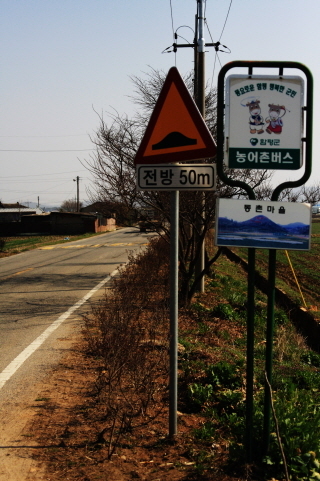 ▲ 1950년 12월 6일 이른 아침, 5중대 군인들은 동촌 마을 주민들을 마을 앞 들머리로 불러내 '앞으로 나란히'를 시켜 줄 세운 뒤 그대로 총살했다. ⓒ커버리지(정찬대)앞서 소개한 장재수 씨는 "대보름작전이 있기 전 대부분의 빨치산 병력은 산을 빠져나갔다"고 했다. 그는 그러나 "빨치산이 주민들을 방패막이로 삼기 위해 마지막까지 산을 못 내려가게 했다"고 전했다.
 ▲ 전남 함평 월야면 동촌 마을에서 바라본 불갑산 모습(사진 가운데). 불갑산은 한국 전쟁 당시 인민유격대 전남총사령부 산하 불갑지구사령부가 들어섰던 곳으로 그만큼 민간인들의 피해 또한 컸다. ⓒ커버리지(정찬대)